Is AscendEX a safe place to park your crypto?
If you are looking for a platform that feels like it was built by traders, for traders, you might have heard of AscendEX. Formerly known as BitMax, this exchange has carved out a niche in the crowded cryptocurrency market. But does it actually deliver on its promises? Or is it just another mid-tier platform trying to catch up with giants like Binance?
In this review, we break down everything you need to know about trading on AscendEX in 2026. We look at the real costs, the security measures, the user experience, and the one big question: is it right for you?
The Quick Takeaways
- Best For: Experienced traders who want high leverage (up to 25x) and advanced DeFi yield farming options.
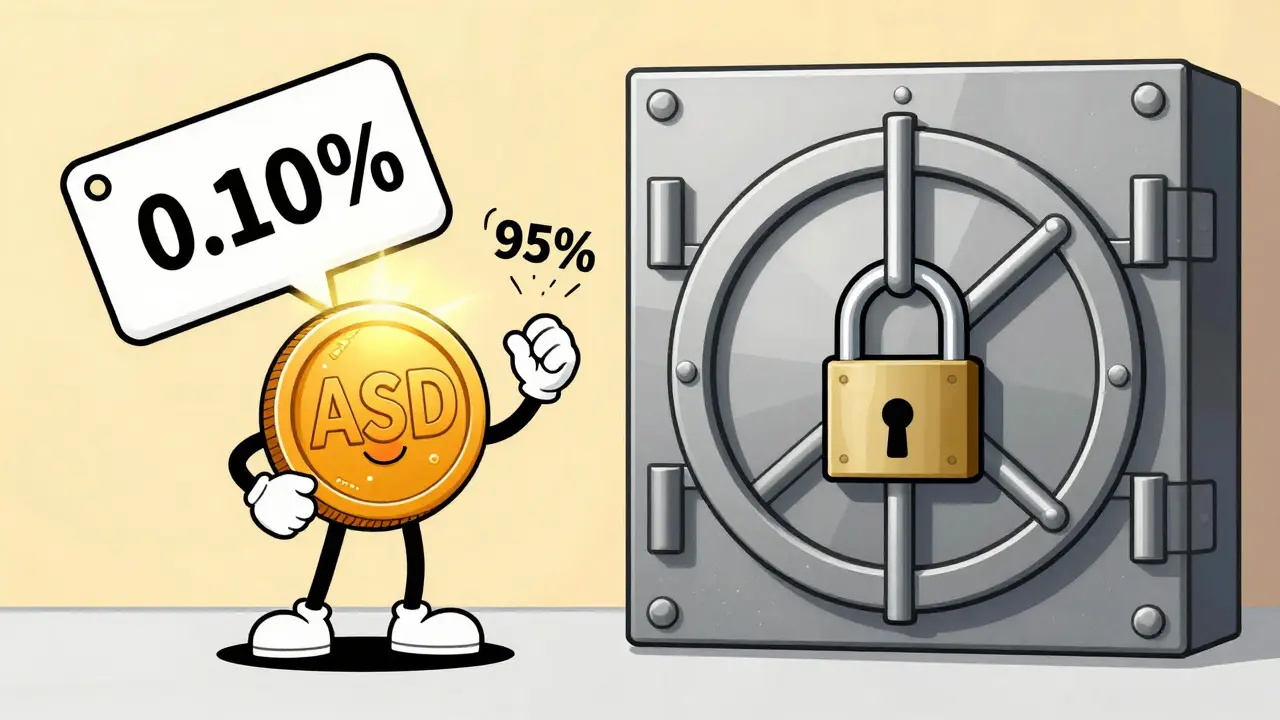
- Fees: Standard spot trading fees are 0.10% for both makers and takers, which is competitive but not the cheapest.
- Security: Uses cold storage for 95% of assets, though regulatory status remains unclear.
- Limitations: Not available for US customers; customer support response times can be slow.
- Verdict: A solid choice for non-US users seeking specific altcoin pairs and leveraged trading, but beginners might find the interface overwhelming.
What Is AscendEX?
AscendEX is a centralized cryptocurrency exchange that launched in 2018 under the name BitMax. In March 2021, it rebranded to AscendEX to reflect an expanded focus on decentralized finance (DeFi) integration alongside traditional spot and futures trading.
The platform was founded by veterans from Wall Street, including CEO George Cao and COO Ariel Ling. Their background in quantitative trading and asset management shows in the platform’s design. It prioritizes speed, depth of order books, and complex trading tools over simple, beginner-friendly interfaces.
As of 2026, AscendEX serves over 1 million active users globally. It supports more than 400 cryptocurrencies, offering over 190 trading pairs. While it markets itself as Singapore-based, regulatory filings indicate its operational headquarters are in Romania. This distinction matters because it affects how the platform handles compliance and user protection.
| Feature | Details |
|---|---|
| Founded | 2018 (as BitMax) |
| Headquarters | Singapore (Marketing) / Romania (Legal) |
| Cryptocurrencies Supported | 400+ |
| Trading Pairs | 190+ Spot, 40+ Margin |
| Maximum Leverage | 25:1 |
| US Customers Allowed? | No |
Fees and Costs: What Will You Pay?
Trading fees can eat into your profits faster than you think. So, let’s talk numbers. AscendEX uses a standard maker-taker fee model.
For spot trading, both makers (those who add liquidity to the order book) and takers (those who remove liquidity) pay a flat rate of 0.10%. This is straightforward and predictable. However, if you compare this to exchanges like Binance or Bybit, which often offer lower base rates or steeper discounts for holding their native tokens, AscendEX isn’t the absolute cheapest option.
Where things get interesting is with their native token, ASD. Holding ASD allows you to pay for fees at a discounted rate. Additionally, the platform offers various promotional programs, such as the ASD Investment program, which provides multipliers on rewards. These incentives can significantly reduce your effective trading costs if you are actively engaged with the ecosystem.
Withdrawal fees vary depending on the blockchain network used. For example, withdrawing Bitcoin via the Lightning Network will cost less than using the main Bitcoin chain. Always check the current withdrawal schedule before moving large amounts off-platform.
Security and Regulation: Is Your Money Safe?
Security is the top concern for any crypto investor. AscendEX claims to store 95% of user assets in cold wallets-offline storage that is immune to online hacks. They also employ two-factor authentication (2FA) for all accounts and conduct regular security audits.
However, regulation is a gray area. According to recent analyses, AscendEX does not appear to be regulated by major government authorities like the SEC or FCA. Its legal registration in Romania, combined with marketing claims of being Singapore-based, creates some jurisdictional ambiguity. This doesn’t mean it’s unsafe, but it does mean you have fewer consumer protections compared to using a fully regulated exchange like Kraken or Coinbase.
Always enable every security feature available: 2FA, anti-phishing codes, and withdrawal whitelists. If something goes wrong, there is no insurance fund publicly disclosed to cover losses.
User Experience and Interface
When you log into AscendEX, you’ll notice a clean, dark-themed interface that looks familiar if you’ve used other professional trading platforms. The layout is dense with information, which is great for experienced traders but potentially intimidating for beginners.
The desktop website offers advanced charting tools powered by TradingView, allowing you to analyze price movements with technical indicators. Order types include limit, market, stop-limit, and trailing stop orders. For those interested in derivatives, the futures trading section is robust, supporting perpetual swaps with up to 25x leverage.
The mobile app, available for iOS and Android, receives high marks for performance. Users praise its smooth navigation and fast execution speeds. Whether you are checking prices on the go or executing a trade during market volatility, the app holds up well. System requirements are minimal, running smoothly on most modern smartphones.
Deposits and Withdrawals
Getting money in and out of AscendEX is relatively straightforward, though options depend on your location.
You can deposit fiat currencies like USD, EUR, GBP, and others via bank wire transfers or third-party payment processors like Simplex and Mercuryo. Bank transfers typically take 1-3 business days to clear. Cryptocurrency deposits are much faster, usually confirming within 10-15 minutes.
Withdrawals follow a similar pattern. Crypto withdrawals are processed quickly, often within 15 minutes. Fiat withdrawals take longer due to banking processing times. Note that AscendEX requires KYC (Know Your Customer) verification for higher withdrawal limits and fiat transactions. The KYC process involves submitting a government ID and proof of address, taking anywhere from 24 to 48 hours to approve.
Pros and Cons Summary
To help you decide, here is a balanced look at the strengths and weaknesses of AscendEX.
Pros:
- High Leverage: Up to 25x leverage on margin trading appeals to aggressive traders.
- DeFi Integration: Unique yield farming opportunities allow you to earn passive income on your holdings.
- Wide Asset Selection: Access to over 400 cryptocurrencies, including many small-cap altcoins not found on larger exchanges.
- Fast Execution: Low latency trading engine ensures your orders fill quickly.
Cons:
- No US Support: Residents of the United States cannot use the platform.
- Regulatory Ambiguity: Lack of clear regulation in major Western jurisdictions poses potential risks.
- Customer Support: Email-only support with average response times of 8+ hours can be frustrating during urgent issues.
- Complex Interface: Steep learning curve for absolute beginners.

How Does AscendEX Compare to Competitors?
It’s hard to judge an exchange in isolation. Let’s see how AscendEX stacks up against two major competitors: Binance and Kraken.
| Feature | AscendEX | Binance | Kraken |
|---|---|---|---|
| Base Trading Fee | 0.10% | 0.10% (lower with BNB) | 0.16% Maker / 0.26% Taker |
| Max Leverage | 25x | 125x | 5x |
| US Customers | No | Yes (Binance.US) | Yes |
| Regulation | Unclear | Varies by region | Strong (US/EU) |
| Beginner Friendly | Moderate | Low (Complex) | High |
Binance offers more leverage and a wider range of features, but it faces ongoing regulatory scrutiny. Kraken is highly regulated and secure but offers less leverage and fewer altcoins. AscendEX sits in the middle, offering a balance of advanced features and accessibility for international users.
Who Should Use AscendEX?
AscendEX is not for everyone. It is ideal for:
- International Traders: Those outside the US looking for a reliable alternative to restricted platforms.
- Experienced Traders: Users comfortable with leverage, margin trading, and reading order books.
- DeFi Enthusiasts: Investors who want to combine CeFi convenience with DeFi yield opportunities.
If you are a complete beginner, you might prefer a simpler platform like Coinbase or Kraken. If you live in the US, you will need to look elsewhere entirely.
Final Thoughts
AscendEX has proven itself as a competent, tech-forward exchange since its rebranding. It offers strong trading tools, competitive fees, and unique yield opportunities. However, the lack of clear regulation and limited customer support channels are notable drawbacks.
Before signing up, consider your risk tolerance and trading style. If you value advanced features and don’t mind navigating a slightly complex interface, AscendEX could be a valuable addition to your crypto portfolio. Just remember to start small, enable all security settings, and keep an eye on the regulatory landscape.
Is AscendEX available in the United States?
No, AscendEX does not currently serve customers residing in the United States due to regulatory restrictions.
What are the trading fees on AscendEX?
The standard spot trading fee is 0.10% for both makers and takers. Fees can be reduced by holding the ASD token or participating in promotional programs.
How long does KYC verification take?
KYC verification typically takes between 24 to 48 hours after submitting required documents like a government ID and proof of address.
Does AscendEX offer mobile apps?
Yes, AscendEX offers dedicated mobile applications for both iOS and Android devices, providing full trading functionality on the go.
Is AscendEX regulated?
AscendEX operates in a regulatory gray area. While it markets itself as Singapore-based, its legal entity is registered in Romania, and it lacks oversight from major Western financial authorities.



Rita Dutta
August 10, 2026 AT 10:50oh my god another review of this shady platform. honestly the whole crypto space is just a giant ponzi scheme disguised as 'innovation' for the masses who dont understand blockchain tech. ascenex? more like ascend-exit scam. they park assets in cold storage sure but where exactly? romania? really? that sounds like a movie plot not a financial institution. i mean think about it. if your money is safe why do you need leverage up to 25x? its basically gambling with extra steps. and don't get me started on the fees. 0.10% seems low until you realize how many times they slip hidden charges in there. plus the regulatory ambiguity is a huge red flag. its like driving without a license and hoping the police dont notice. anyway i guess some people enjoy walking into traps so go ahead. just dont cry when your portfolio goes to zero because the 'quant veterans' decided to rug pull.
Carl Michaud
August 12, 2026 AT 09:21The narrative here is carefully constructed to obscure the underlying structural rot. AscendEX isn’t merely an exchange; it’s a vector for liquidity extraction by shadow banks operating outside the purview of traditional oversight. The mention of Romania versus Singapore is a classic jurisdictional arbitrage tactic designed to evade SEC scrutiny while maintaining a veneer of legitimacy. Most retail traders are oblivious to the fact that their 'yield farming' opportunities are essentially subsidized by new entrants’ capital, a hallmark of a maturing bubble. The 25x leverage is a siren song, luring the inexperienced into liquidation events that benefit the market makers and the exchange itself through fee revenue. It is a predatory ecosystem masquerading as empowerment.
Matt Kay
August 13, 2026 AT 17:16boring read. too much fluff. fees arnt bad tho
Matthew Smith
August 14, 2026 AT 05:25We must look beyond the superficial metrics of fees and leverage to consider the moral implications of supporting unregulated entities. Is it truly ethical to entrust our digital assets to platforms that operate in legal gray zones? The lack of clear regulation suggests a disregard for consumer protection which ultimately shifts the burden of risk onto the individual trader. This is not just about profit margins; it is about integrity. When we choose convenience over compliance we enable a system where accountability is optional. Perhaps we should demand more transparency from these corporations rather than accepting their terms blindly. The silence from major authorities speaks volumes about their standing in the global financial order.
Prudence Flemming
August 15, 2026 AT 15:01look at the UI density. typical ceFi trap. they throw tradingview charts at you to make you feel smart but the backend is likely lagging during high vol. i tried their mobile app once. smooth navigation yeah but execution slippage was nasty on the perp swaps. dont trust the marketing hype about DeFi integration either. its mostly just bridging to centralized pools with higher risk exposure. keep your keys or lose your coins. simple as that.
Rodmun Tarnowski
August 15, 2026 AT 19:15This is a very comprehensive overview! I appreciate the detailed breakdown of the fee structures and the comparison with other major exchanges like Binance and Kraken. It is always encouraging to see platforms that offer diverse options for international traders, especially those looking for advanced features like high leverage and DeFi yield farming. While the regulatory aspects may seem complex, the emphasis on security measures such as cold storage and 2FA is reassuring. Keep up the great work in providing such insightful reviews!
Dave Kjendal
August 16, 2026 AT 18:55Most people overthink this. If you know what you're doing the interface doesnt matter. Fees are standard. Security is fine for now. Just dont put all your eggs in one basket. Simple advice. Everyone else is just noise.