Finance & Regulation: Crypto Rules That Actually Matter in 2025
When you trade crypto, you're not just dealing with prices—you're navigating Finance & Regulation, the system of laws, agencies, and penalties that control how digital assets are bought, sold, and taxed. Also known as crypto compliance, it's the invisible hand that can freeze your wallet, shut down an exchange, or land you in jail. This isn't theory. It's happening right now, and if you're ignoring it, you're risking everything.
Take crypto regulation, the official rules set by governments to control cryptocurrency use. In places like Thailand, these rules aren't suggestions—they're enforced with jail time, asset seizures, and platform bans. The SEC, the U.S. agency that watches over stock markets and now crypto too. Also known as Securities and Exchange Commission, it's been filing lawsuits against major exchanges for operating without proper licenses. Meanwhile, crypto penalties, the fines, freezes, and criminal charges for breaking crypto rules. Also known as crypto fines, are getting steeper every year. You can't just hope you'll get lucky. You need to know what's legal and what's not.
Finance & Regulation isn't just about punishment. It's about access. If a country bans crypto exchanges, you can't trade. If they require KYC, you can't stay anonymous. If they tax every trade, your profits shrink fast. These rules don't just affect big players—they hit everyday users too. A simple coin swap could trigger a tax event. A wallet linked to an unlicensed platform could get frozen. A missed filing could mean a $10,000 fine. This isn't fearmongering. It's reality.
What you'll find below isn't a list of news headlines. It's a practical guide to the rules that actually impact your crypto life. From Thailand’s brutal crackdowns to how the SEC picks its targets, these posts show you exactly what to watch, what to avoid, and how to stay safe without becoming a legal expert. You don't need to understand every law. But you do need to know the ones that can cost you money—or freedom.
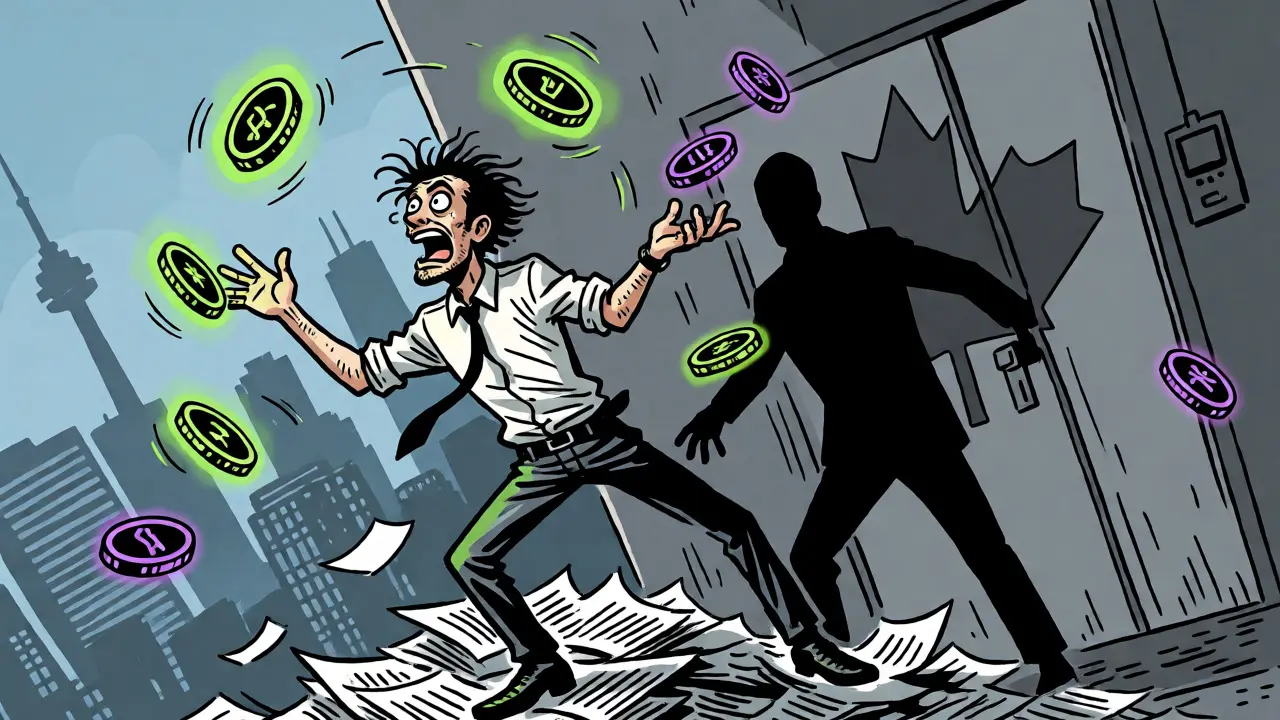
Canadian Crypto Exchange Licensing: A Practical Guide to FINTRAC and CSA Requirements
Navigating Canadian crypto exchange licensing requires understanding FINTRAC's MSB framework and CSA securities rules. Learn about compliance costs, timelines, and key requirements for operating legally.
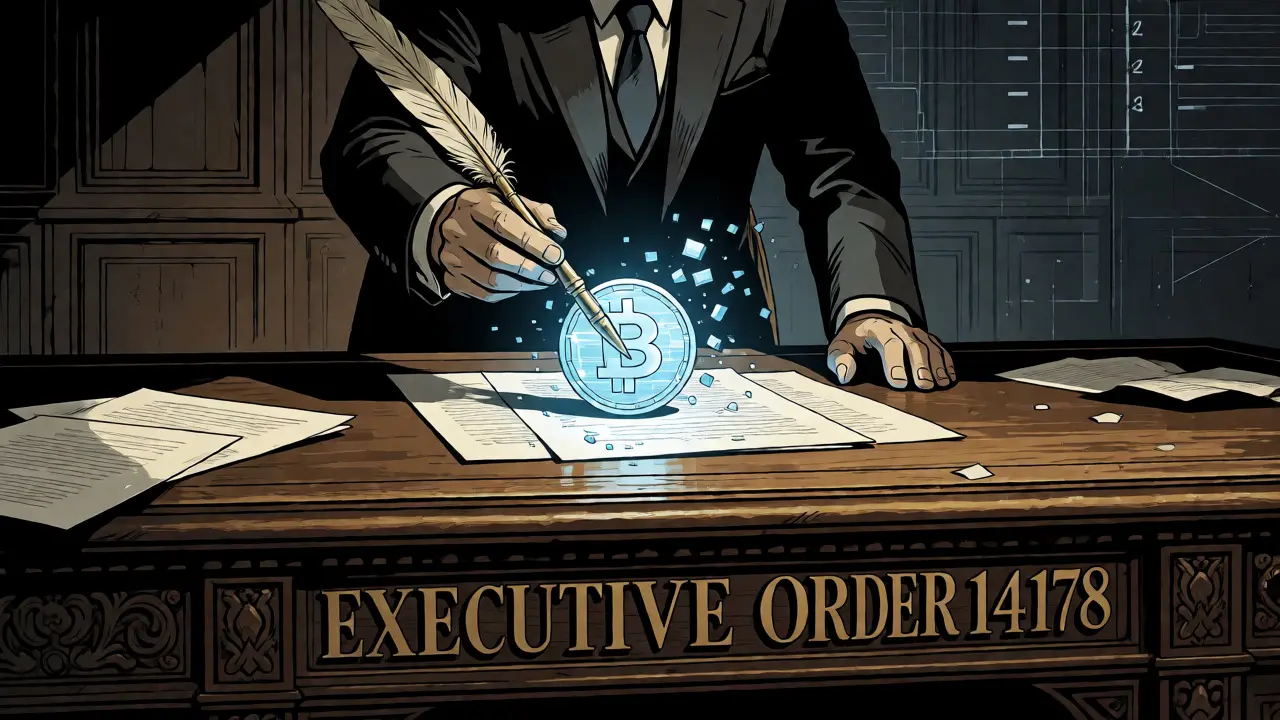
US CBDC Halt: Why the Trump Administration Killed the Digital Dollar
President Trump's Executive Order 14178 halted U.S. CBDC development, favoring private stablecoins over a government digital dollar. This article explores the privacy concerns, global implications, and economic trade-offs of this major policy shift.

Thailand SEC Crypto Regulations: What Exchanges Need to Know
- 6 Comments
- Nov, 9 2026
Discover how Thailand's 2025 SEC crypto regulations transformed the market. Learn why Bybit and OKX were banned, the 7-point test for foreign platforms, and what this means for investors and exchanges.

South Korea Crypto Exchange Regulations: FSC Rules & 2026 Outlook
Explore South Korea's evolving crypto regulations led by the FSC. Learn about real-name banking rules, the Travel Rule, upcoming spot ETFs, and corporate holding relaxations.

Criminal Penalties for Crypto Ban Violations Worldwide
Explore the real-world legal risks of using cryptocurrency in countries with bans. We break down criminal penalties, enforcement gaps, and the difference between local prohibitions and international sanctions.

Crypto ATM Scams: Why $246M in Losses Demand Attention
- 10 Comments
- Oct, 19 2026
Crypto ATM scams cost Americans $246M in 2024. Learn why seniors are targeted, how irreversibility fuels fraud, and what new laws mean for your safety.

Moving Crypto Assets Abroad from India: Legal Considerations & Restrictions
Navigate the complex legal landscape of moving crypto assets abroad from India. Learn about FEMA compliance, tax implications, and regulatory risks in 2026.

Crypto Ban in Bangladesh: Legal Consequences for Bitcoin Trading
- 5 Comments
- Aug, 3 2026
Understand the strict crypto ban in Bangladesh. Learn about legal consequences, including jail time and fines under the Money Laundering Prevention Act, and how authorities track Bitcoin trading.
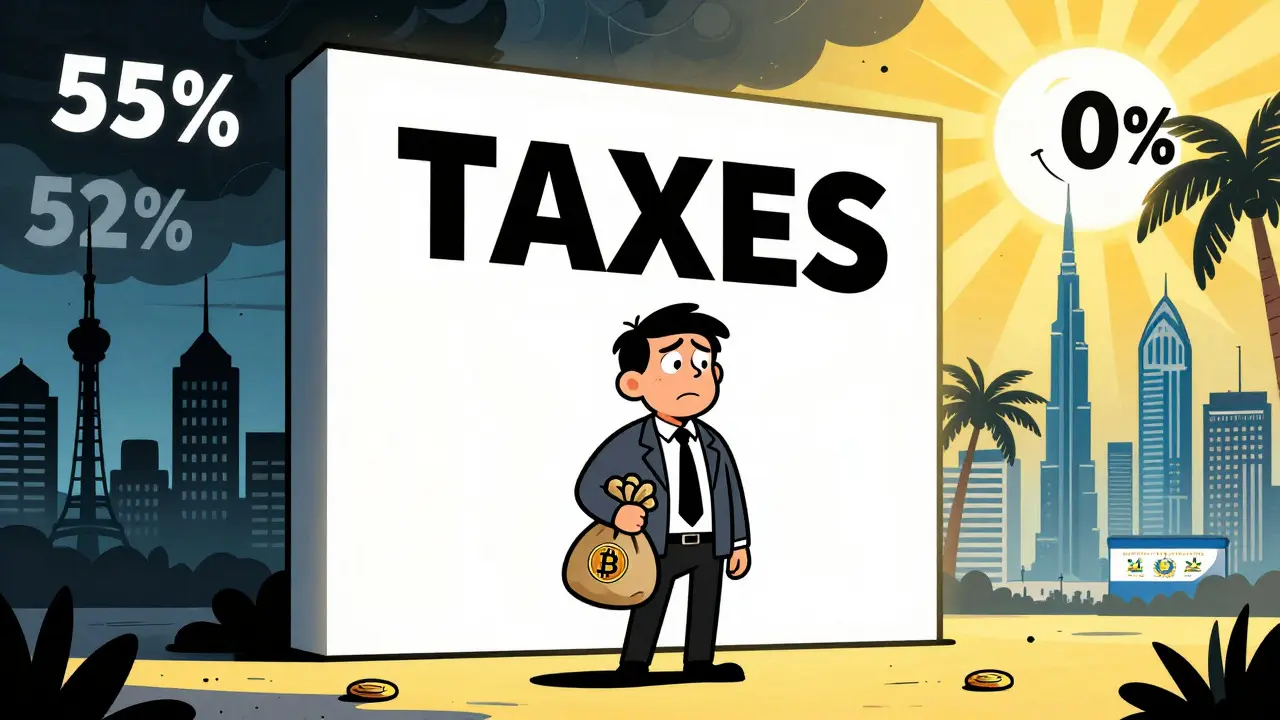
Crypto Tax Rates by Country in 2026: Where to Pay Zero vs. High Taxes
- 9 Comments
- Jul, 26 2026
Explore global crypto tax rates in 2026. Compare zero-tax havens like UAE and Singapore against high-tax nations like Japan. Learn about holding periods, capital gains rules, and compliance risks.
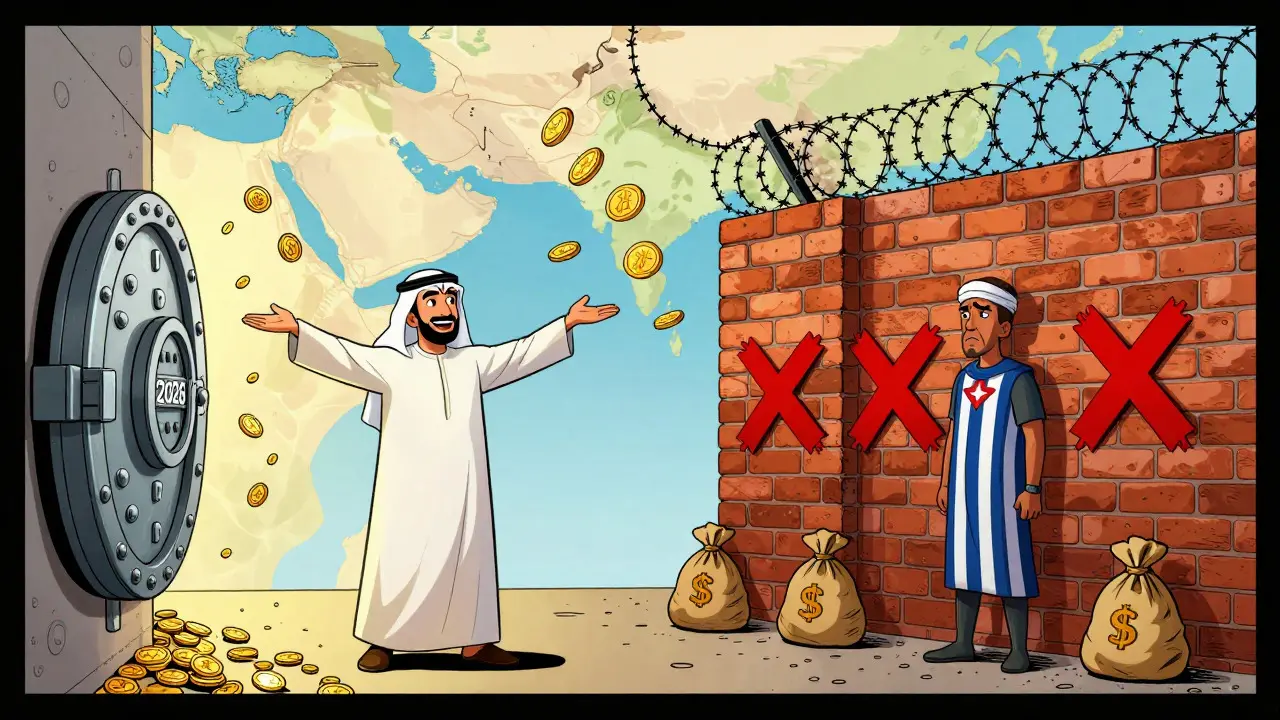
Syria Sanctions Lifted, Cuba Tightened: Crypto Rules in 2026
In 2026, U.S. sanctions on Syria were largely lifted while Cuba's restrictions tightened. We break down the new rules for crypto, banking, and business compliance in both nations.
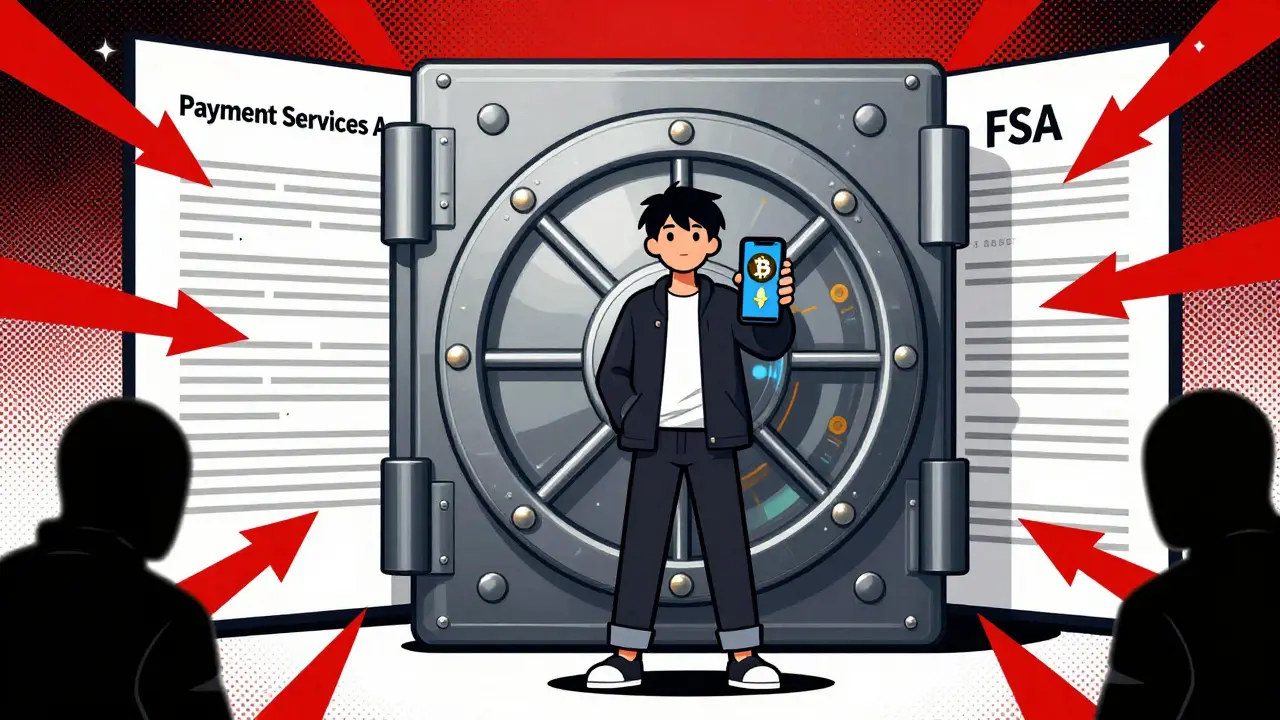
Consumer Protection for Crypto in Japan: Rules, Safeguards & 2025 Updates
- 8 Comments
- Jul, 4 2026
Explore how Japan protects crypto investors through strict FSA rules, including the 95% cold storage mandate, fund segregation, and the 2025 Payment Services Act amendments for faster refunds.
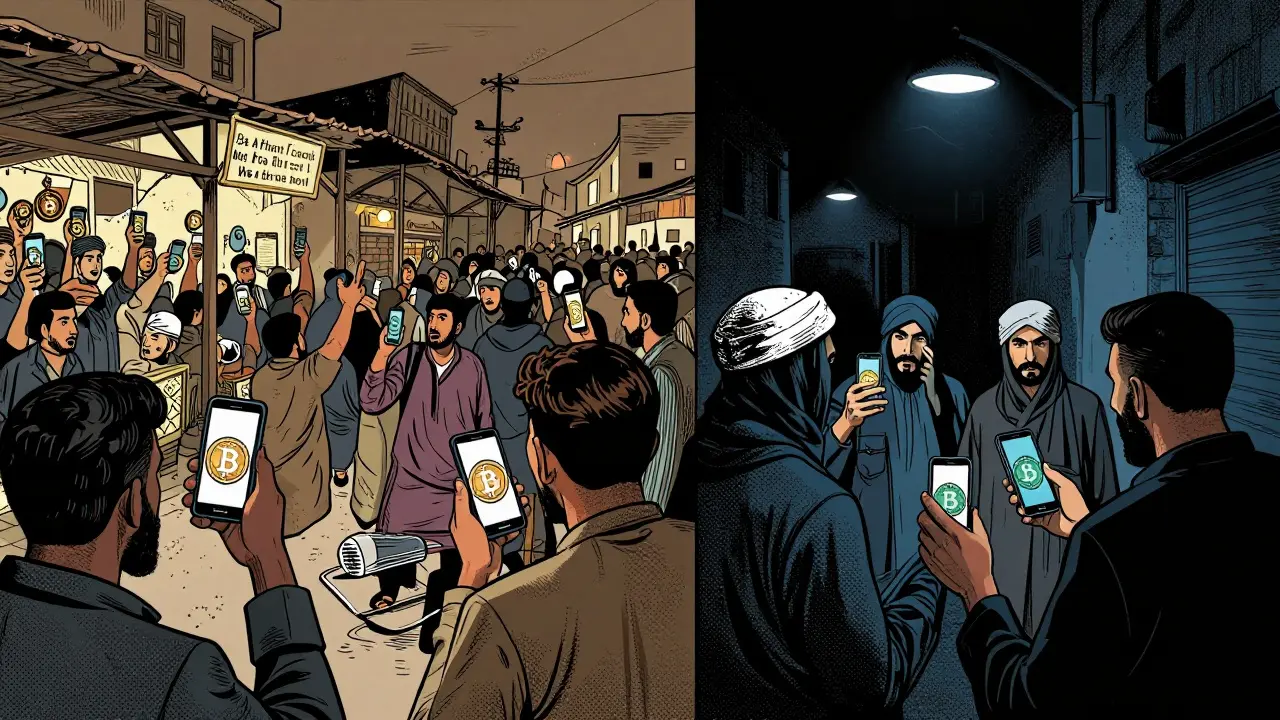
Afghanistan's Crypto Ban: How the Taliban Prohibition Created an Underground Economy
- 9 Comments
- Jul, 1 2026
Explore how Afghanistan's 2022 crypto ban by the Taliban created a thriving underground economy. Learn about the religious rationale, P2P networks, and the impact on women's financial freedom.