Crypto & Blockchain: Real News, Scams, and How the Market Really Works
When you hear Crypto, digital assets built on decentralized networks that let people send money without banks. Also known as cryptocurrency, it’s no longer just a fringe idea—it’s a global financial shift. Millions in Nigeria use Bitcoin to survive inflation. Canadians hold CAD Coin (CADC), a stablecoin backed 1:1 by Canadian dollars, regulated by FINTRAC to avoid exchange risk. Meanwhile, China has seized billions in crypto and banned it outright, pushing its own digital yuan instead. This isn’t speculation. It’s reality.
Behind every coin is a Blockchain, a public, tamper-proof ledger that records every transaction across a network of computers. Also known as distributed ledger technology, it’s the foundation that makes crypto possible. Block headers link each new group of transactions to the last, creating an unbreakable chain. But not all blockchains are equal. Some, like Ethereum and Algorand, support smart contracts and DeFi apps. Others? Just empty shells with no users, no code updates, and no future—like Quotient (XQN) or PKG Token. And then there’s the infrastructure: crypto exchanges, platforms where you buy, sell, or trade digital assets. Also known as crypto trading platforms, they’re where most people interact with crypto—but many are scams. BitxEX and DubiEx claim low fees and free tokens, but lack audits, reviews, or even proof they exist. Meanwhile, Bitfinex and Tinyman offer real tools, deep liquidity, and clear security—but aren’t for beginners.
What’s driving all this? It’s not hype. It’s necessity. In Venezuela, people mine crypto because the government pays them in electricity they can’t even use at home. In Nigeria, crypto is how people send money to family abroad when banks block them. And in the U.S., big funds are now buying Bitcoin like it’s gold—thanks to ETF approvals and new laws like the GENIUS Act. But the risks are real too. Restaking boosts your returns, but ties your ETH to multiple chains—mess that up, and you lose everything. Rollup tech cuts fees on Ethereum, but only if you know which layer-2 to use. And don’t even get started on airdrops. Most are traps. TRO? Doesn’t exist. SUNI? No team, no value. Only a few are worth your time.
What you’ll find below isn’t fluff. It’s the raw, unfiltered truth: which coins are dead, which exchanges will steal your funds, which regulations are actually changing the game, and how to protect your money in a world full of noise. No sugarcoating. No fake promises. Just what works, what doesn’t, and why it matters right now.
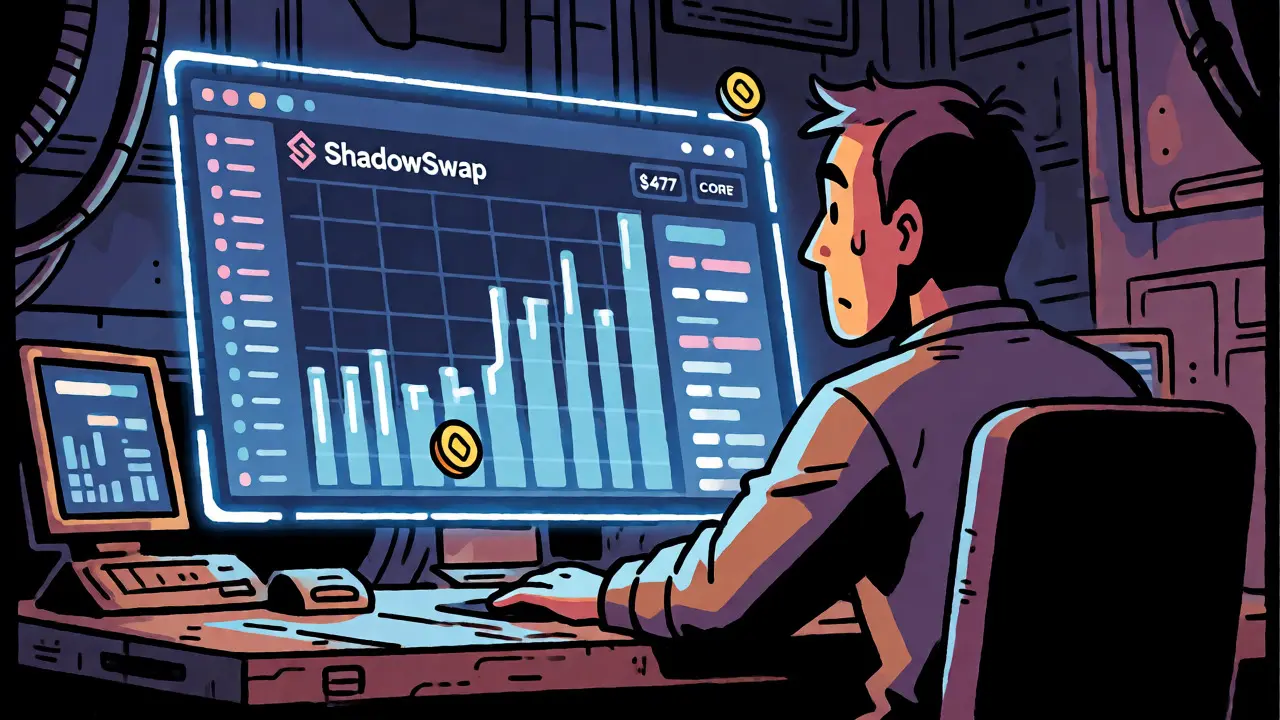
ShadowSwap Crypto Exchange Review: Is This Core Blockchain DEX Worth Your Time?
Read our honest ShadowSwap crypto exchange review. We analyze its low trading volume, Core blockchain integration, and whether this niche DEX is worth your time in 2026.

SHREW Airdrop: Does the Shrew Token Really Have One?
Discover the truth about the SHREW airdrop. Learn why the Shrew token launched via ICO, not airdrop, and why current claims are likely scams.
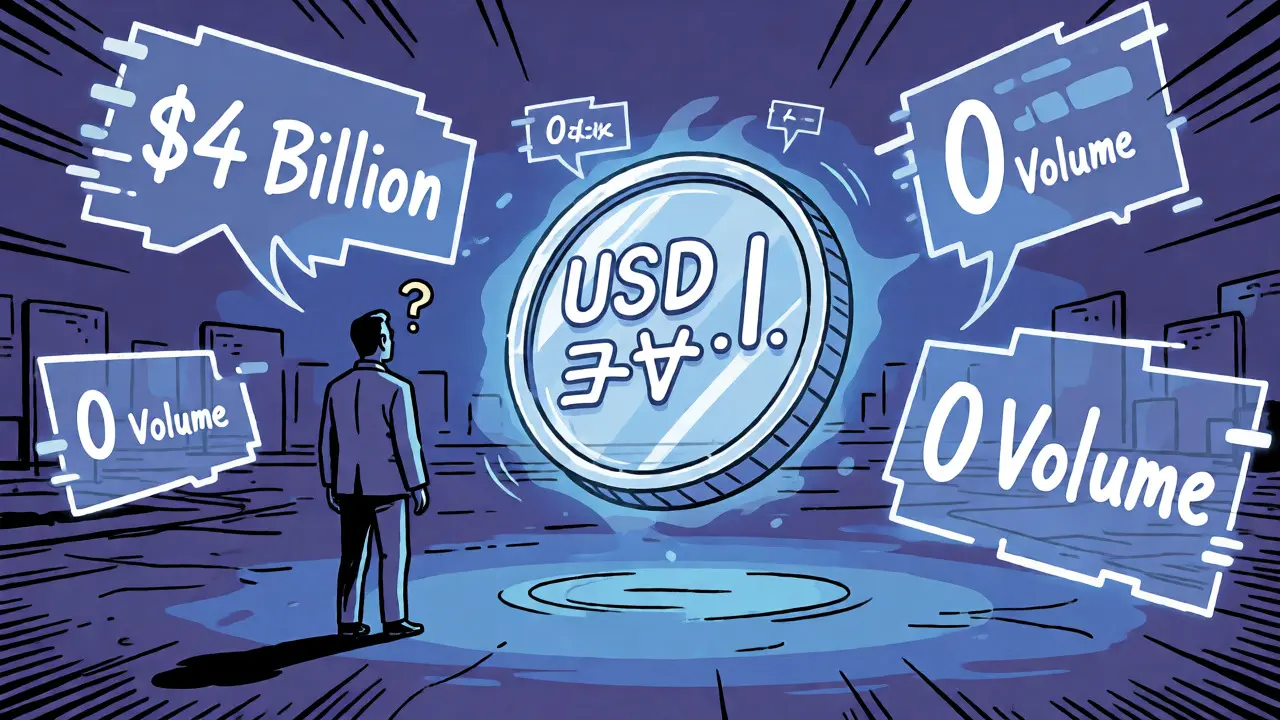
Tregrity USD (USD.I): What Is This Obscure Stablecoin?
- 3 Comments
- Oct, 24 2026
Discover the truth about Tregrity USD (USD.I), an obscure stablecoin on BNB Chain. Learn why its massive claimed market cap contradicts zero trading volume.
What is Bitcoin Pay (BTCPAY) Crypto Coin? Risks, Realities, and Confusion
Discover what Bitcoin Pay (BTCPAY) really is. Learn how this BNB Chain token differs from BTCPay Server, its low liquidity risks, and why it's a speculative asset.
Flash Loan Use Cases: Arbitrage, Liquidations & DeFi Strategies
- 3 Comments
- Oct, 22 2026
Discover how flash loans enable zero-capital arbitrage, instant liquidations, and complex DeFi strategies. Learn the mechanics, risks, and top use cases for this revolutionary blockchain primitive.
Dex on Crypto: A Practical Review of Decentralized Exchange Trading
- 6 Comments
- Oct, 20 2026
A practical review of Dex on crypto exchanges, covering costs, risks, and setup. Learn if decentralized trading fits your needs.

What is Puffer (PUFFER) Crypto? Ethereum's Liquid Restaking Guide
Discover what Puffer (PUFFER) crypto is and how it uses liquid restaking to boost Ethereum's speed. Learn about UniFi AVS, tokenomics, risks, and real-world use cases.

Cryptocurrency Restrictions in Ecuador: Can You Actually Use Bitcoin?
- 6 Comments
- Oct, 17 2026
Discover the complex reality of cryptocurrency restrictions in Ecuador. Learn why Bitcoin isn't legal tender but is still tradable, how to navigate banking blocks, and what taxes apply to your gains.
BitBlue Crypto Exchange Review: Is It Brazil’s Best Option?
- 5 Comments
- Oct, 16 2026
Discover if BitBlue is the right crypto exchange for you. We review its banking integration, liquidity, and safety for Brazilian users.

PERRY Community Airdrop by Swaperry: Details, Rewards, and How to Participate
- 8 Comments
- Oct, 15 2026
Discover the details of the recent PERRY community airdrop by Swaperry. Learn about the 100 USDT reward structure, Coin98 partnership, and how to maximize your chances for future PERRY token distributions.
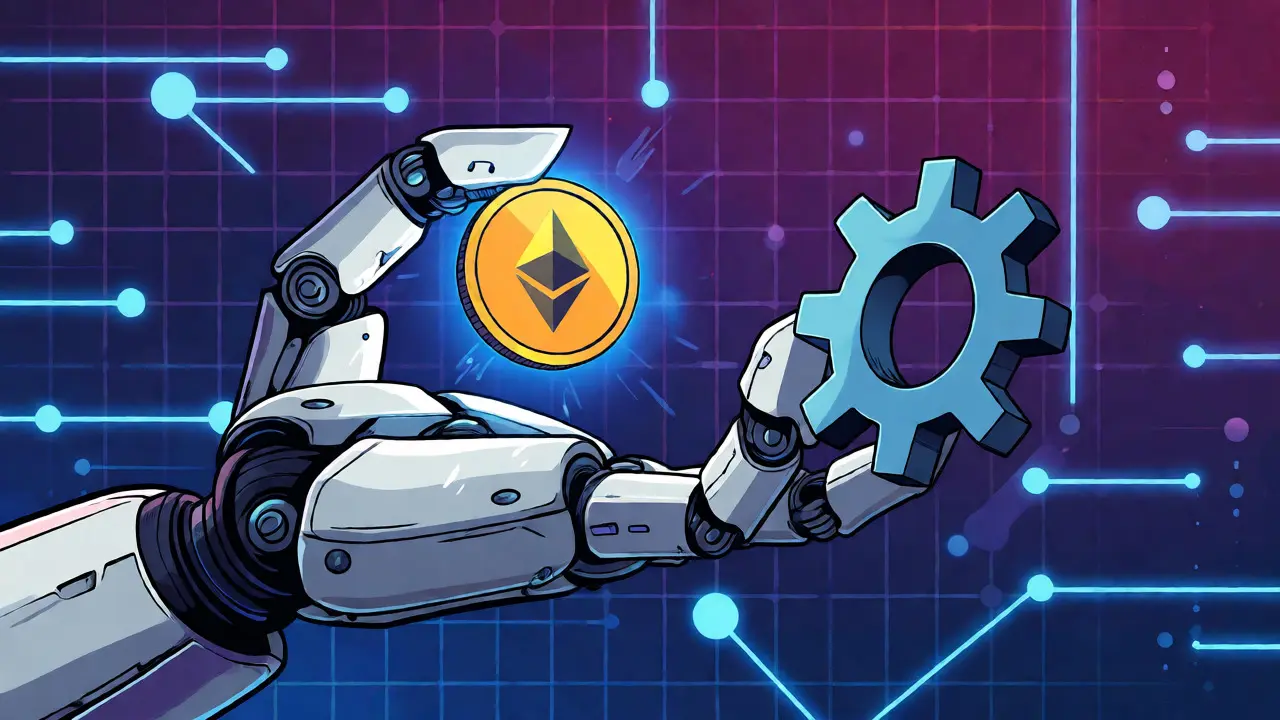
What is Robora (RBR) Crypto? Tokenomics, Risks & Reality Check
- 10 Comments
- Oct, 14 2026
Discover what Robora (RBR) is, its role in the robotics sector, and key risks. Learn about its tokenomics, price volatility, and where to buy this emerging ERC-20 token.

Thai Crypto Exchange Licensing Requirements: The Complete Guide
Discover the stringent Thai crypto exchange licensing requirements, including 50M THB capital needs and SEC compliance steps. Learn how to navigate regulations.