Getting free tokens is a great way to enter the crypto world, but not all airdrops are created equal. The Solar SXP airdrop, specifically the 'Learn & Earn' campaign hosted by CoinMarketCap, wasn't just about handing out coins; it was a strategic move to push people toward a brand-new blockchain. If you're looking at this event to understand how Solar Network operates or if you're checking the details of a past claim, you'll find that this campaign was more of an educational hurdle than a simple click-and-claim event.
Quick Summary of the SXP Event
- Total Prize Pool: 50,000 SXP tokens.
- Winner Distribution: 5,000 winners receiving 10 SXP each.
- Core Requirement: Use of a native Solar mainnet wallet (no ERC-20 or BEP-20).
- Primary Goal: Education on Solar Network's Layer-1 capabilities.
- Entry Barrier: CoinMarketCap accounts had to be at least 30 days old.
What exactly was the Solar Learn & Earn Campaign?
The Solar Network is a decentralized Layer-1 blockchain that evolved from the Swipe payment system to a community-led DAO. To celebrate this shift and drive adoption of their new infrastructure, they partnered with CoinMarketCap for a specialized airdrop. Instead of a random lottery, they used a "Learn & Earn" model.
This meant participants couldn't just sign up; they had to actually learn about the ecosystem. The event targeted 5,000 winners, with each receiving 10 SXP. At the time of launch, with SXP priced around $0.10, the reward was modest-roughly $1 per person. However, for the Solar team, the real value wasn't in the dollar amount, but in forcing thousands of users to download their desktop wallet and interact with the mainnet for the first time.
The Technical Requirements: Avoiding the Common Pitfalls
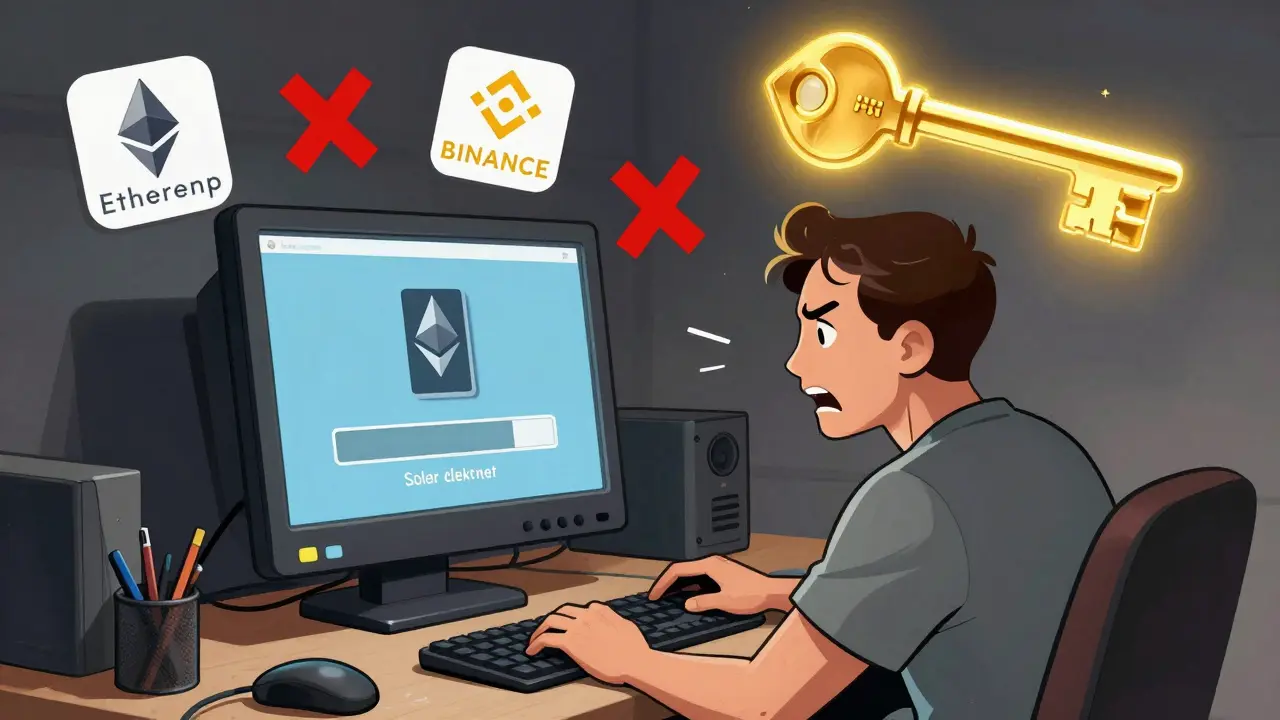
This is where most people tripped up. Unlike many airdrops that let you use a generic MetaMask address, Solar was strict. To be eligible, you had to use a Solar SXP mainnet wallet, which is the native wallet specifically designed to interact with the Solar blockchain's Delegated Proof of Stake (DPoS) consensus.
If you tried to submit an Ethereum (ERC-20) or Binance Smart Chain (BEP-20) address, you were automatically disqualified. This was a deliberate move to migrate users away from legacy bridges and into their own sovereign ecosystem. To get the tokens, users had to:
- Download the official Solar desktop wallet (version 2.0.1).
- Generate a fresh mainnet address.
- Pass an educational quiz on CoinMarketCap about Solar's technology.
- Submit the native address through the official form.
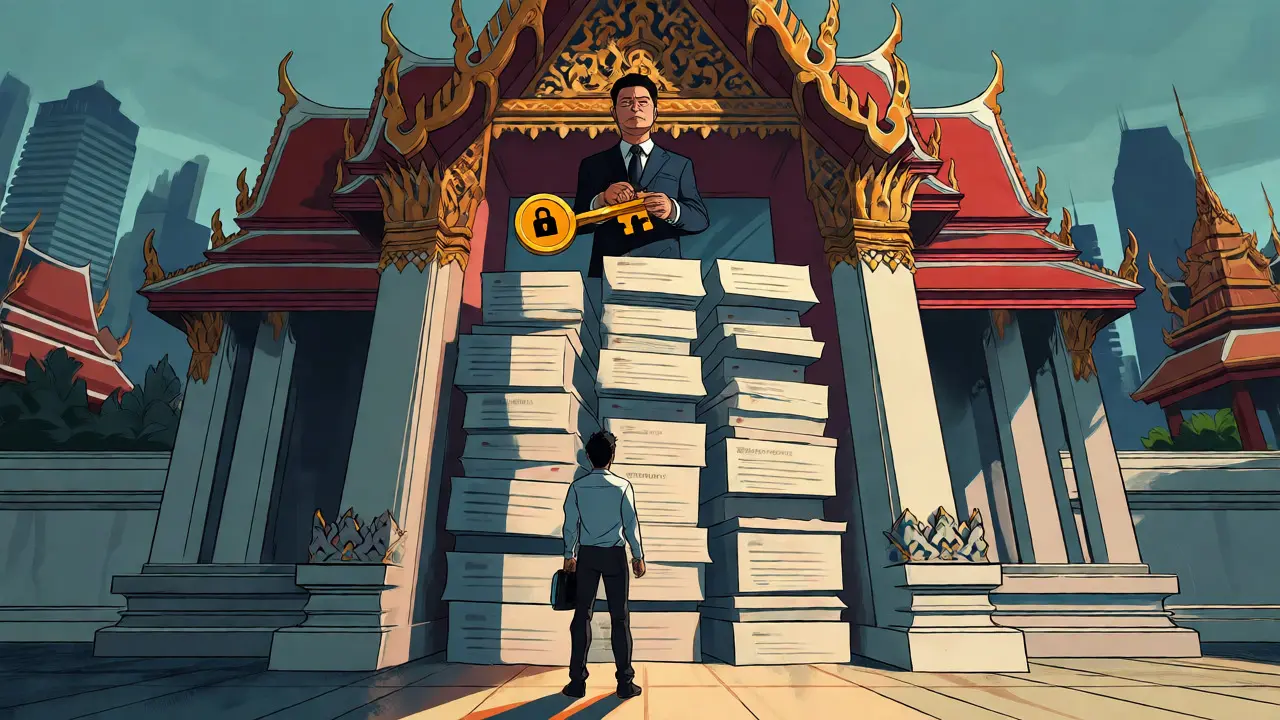
One frustrating detail for many was the "account age" rule. CoinMarketCap required users to have profiles at least 30 days old to stop bots from flooding the system. This led to thousands of legitimate but new users being booted from the eligibility list.
Comparing Solar's Strategy to Other Layer-1 Airdrops
When you look at how other projects like Aptos or Sui handled their launches, Solar took a much narrower path. Most big Layer-1s try to cast the widest net possible, accepting as many wallet types as they can to inflate their user numbers. Solar did the opposite. They prioritized quality of adoption over quantity of sign-ups.
| Feature | Solar (SXP) Campaign | Typical L1 Airdrops |
|---|---|---|
| Wallet Flexibility | Strictly Native Mainnet | Multi-chain / EVM compatible |
| Entry Requirement | Educational Quiz | Social tasks / Trading volume |
| Reward Value | Low (~$1 per user) | High to Very High |
| Primary Objective | Mainnet Wallet Onboarding | Liquidity & Hype Generation |
By requiring a specific wallet, Solar ensured that every winner was now a functional user of their network, not just a speculator holding a token on a centralized exchange.
The Real-World Experience: User Feedback
The feedback from the community was a mixed bag. On one hand, people who were technically savvy found the process straightforward. Some users on Reddit reported receiving their 10 SXP almost instantly, well before the 14-day promised window. They appreciated the clean interface of the staking tools within the wallet.
On the other hand, the "newbie" experience was rough. The desktop wallet had a notorious first-time sync process that could take over 20 minutes, leading to a lot of frustration on Telegram. There was also a significant learning curve regarding the difference between testnet and mainnet addresses, which caused about 17% of first-time users to fail their initial setup.
Industry experts, like those at Ava Labs, viewed this as a "bold but necessary" strategy. While it limited the pool of participants-potentially cutting out 87% of existing SXP holders who stayed on Ethereum or BSC-it built a foundation of actual mainnet users. This is the difference between "vanity metrics" (total holders) and "utility metrics" (active mainnet wallets).
Beyond the Airdrop: What is Solar Network's Future?
The airdrop was just a gateway. Solar is positioning itself as a bridge between consumer-facing crypto apps and enterprise infrastructure. They aren't just a token; they are a full ecosystem. You can already see this in their partnerships with platforms like Travala.com for travel and Bitrefill for digital gift cards.
The network is powered by 53 Block Producers using a Delegated Proof of Stake (DPoS) mechanism, which allows it to handle around 1,200 transactions per minute. While they can't yet match the raw speed of giants like Solana, their focus on real-world utility-like gaming on tymt.com-gives them a unique niche.
Looking at the long-term value, analysts are split. Some predict SXP could climb toward $0.61 by 2026 as the DeFi ecosystem matures, while more conservative models put the ceiling lower. Either way, the successful distribution of these 50,000 tokens served as a proof-of-concept for their onboarding process, leading to better wallet versions currently in beta.
Can I still participate in the Solar SXP airdrop?
No, this specific CoinMarketCap 'Learn & Earn' event concluded in November 2023. All 5,000 winners were selected and tokens were distributed by November 10, 2023. You should keep an eye on Solar's official Twitter (@solar) for future events.
Why was my ERC-20 or BEP-20 address rejected?
Solar required native mainnet addresses to encourage users to adopt their own Layer-1 blockchain. ERC-20 (Ethereum) and BEP-20 (Binance Smart Chain) are token standards on other networks, not the native Solar mainnet. Only addresses generated from the official Solar desktop wallet were eligible.
How many SXP tokens did each winner receive?
Each of the 5,000 verified winners received exactly 10 SXP tokens.
What was the 30-day account requirement?
To prevent "sybil attacks" (where one person creates hundreds of fake accounts to claim multiple rewards), CoinMarketCap required that any account used to enter the airdrop must have been created at least 30 days prior to the campaign.
Is the Solar desktop wallet safe to use?
The official wallet provided by solar.org is the standard for the network. However, always ensure you are downloading version 2.0.1 or newer from the official source. Be wary of phishing sites that mimic the download page.

Jagdish Sutar
April 22, 2026 AT 17:20It is actually quite a smart move to push for native wallet adoption over just giving away tokens to exchange accounts. Most people just want the quick profit, but the real growth happens when the community actually uses the mainnet infrastructure. I've seen a lot of projects fail because they had millions of "holders" who didn't even know what the project did, so this educational approach is a breath of fresh air for the ecosystem. It helps newcomers understand the actual utility of the network instead of just speculating on price action.
Tara Aman
April 23, 2026 AT 22:21Totally agree with that approach! It's so much better to have a small group of dedicated users than a million bots just farming airdrops. 🚀
Hannah Rubia
April 24, 2026 AT 23:14The emphasis on the native Solar mainnet wallet is a critical technical distinction. Many participants likely struggled because they conflated token standards with blockchain networks, which is a frequent point of confusion in the cryptocurrency space. By mandating the use of the official desktop wallet, the Solar Network successfully ensured that the recipients possessed the technical capability to interact with a Delegated Proof of Stake system. This level of friction, while perhaps frustrating to the average user, serves as an effective filter to ensure that the network's initial growth is supported by individuals who are capable of managing their own private keys and understanding the nuances of a Layer-1 environment. It is a commendable strategy for long-term sustainability over short-term hype. Furthermore, the 30-day account age requirement is an essential security measure to mitigate Sybil attacks, which frequently compromise the integrity of distribution events. While some legitimate users were undoubtedly excluded, the preservation of the network's economic equilibrium takes precedence in such scenarios. The integration with real-world utility platforms like Travala and Bitrefill further validates the project's direction toward practical application. It is far more valuable to have a functional user base than a vanity metric of holders. The strategic pivot from a payment system to a DAO also reflects a deeper commitment to decentralization. Overall, the technical hurdles mentioned in the post are not bugs, but rather intentional design choices to cultivate a higher quality of network participation.
Liz Ariza
April 25, 2026 AT 16:34The sync time for that wallet was a total nightmare! 😱 My computer was basically screaming for twenty minutes just to get it running. Such a wild ride for a few bucks! ✨
Jennifer L
April 27, 2026 AT 00:25It is truely tragick that so many new people were bootd out just because of the account age. Such a shame for those who were genuninely intersted in the technlogy but just joined late. It feels quite harsh for a project trying to grow.
The frustration is realy palpable when you think about the effort put into the quiz only to be told you arent eligble because of a date.
Mary Tawfall
April 28, 2026 AT 14:17Everything happens for a reason, and maybe those who missed out will find an even better opportunity soon!