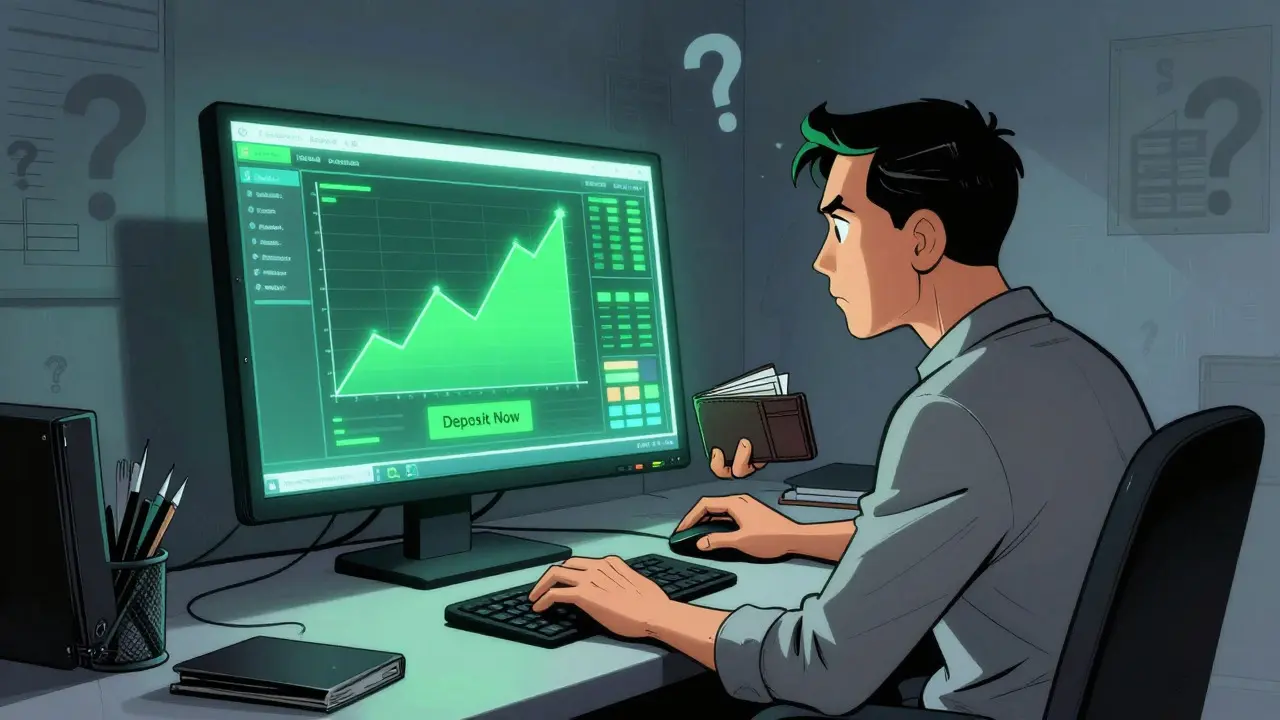
Imagine logging into a new trading platform that promises low fees and instant withdrawals. You deposit your savings, watch the price tick up, and then try to cash out. Suddenly, you're hit with a "tax fine" or told your account is frozen until you pay more. If this sounds familiar, you aren't alone. This exact scenario has plagued thousands of investors who stumbled upon platforms like Bitsoda, a name that appears in search results but lacks any verifiable footprint in the legitimate cryptocurrency market.
The core problem isn't just whether Bitsoda works; it's whether it exists at all as a regulated business. In the fast-moving world of digital assets, naming conventions matter. A single letter difference can separate a safe harbor from a financial black hole. Before you send another dollar, we need to dissect what Bitsoda actually is, compare it against verified giants, and identify the specific red flags that distinguish a real exchange from a predatory operation.
What Is Bitsoda Really?
When you search for Bitsoda, you might find a website that looks surprisingly professional. It likely features standard charts, a user-friendly interface, and testimonials praising high returns. However, dig deeper, and the infrastructure disappears. There is no central office address listed on major business registries. There are no public API endpoints for developers to test. Most importantly, there is no record of registration with major financial bodies like the U.S. Securities and Exchange Commission (SEC) or the Financial Conduct Authority (FCA) in the UK.
This absence is critical. Legitimate exchanges don't hide. They publish their legal entity names, compliance officers, and insurance policies. For instance, Coinbase clearly states its status as a publicly traded company with audited financials. Uphold lists its FCA registration number prominently on its homepage. Bitsoda offers none of this transparency. Instead, it relies on ambiguity. This pattern matches what regulators call "ghost exchanges," platforms designed to collect deposits before vanishing or demanding extra fees to release funds.
The Confusion with Bitso
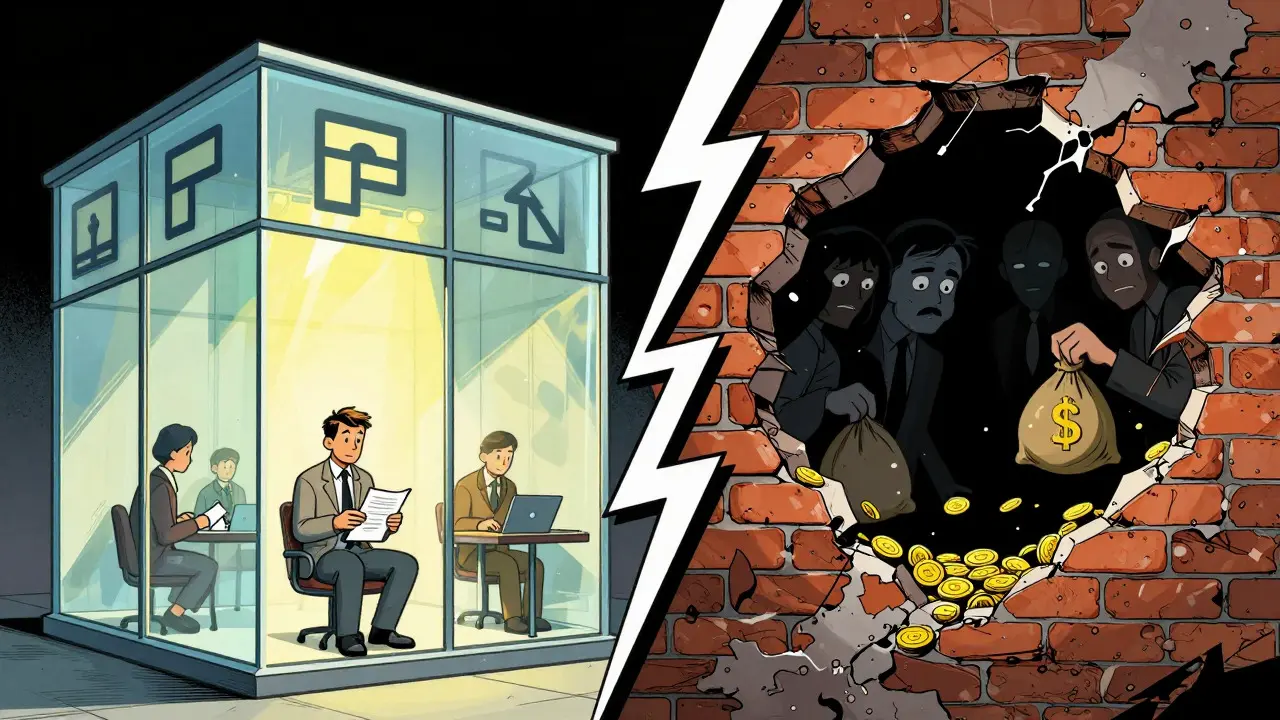
A major source of confusion for potential users is the similarity between Bitsoda and Bitso. Bitso is a well-established exchange based in Mexico, serving millions of Latin American users since 2013. It is regulated by local authorities and partners with major banks. If you were looking for Bitso and accidentally typed Bitsoda, you might have landed on a phishing site or a completely different, unregulated entity.
Here is how to tell them apart:
- Domain Age: Check the domain creation date using tools like WHOIS. Bitso’s domain has been active for over a decade. New domains under one year old are a significant risk factor.
- Regulatory Listings: Search for the exchange name on the DFPI Crypto Scam Tracker or the FCA Register. Bitso appears in regional regulatory databases. Bitsoda does not appear in any major global registry.
- Community Presence: Look for long-term discussions on forums like Reddit or Trustpilot. Bitso has years of mixed but genuine reviews. Bitsoda often has either zero reviews or a cluster of identical five-star reviews posted within days of each other, a classic sign of paid promotion.
Red Flags That Signal a Scam
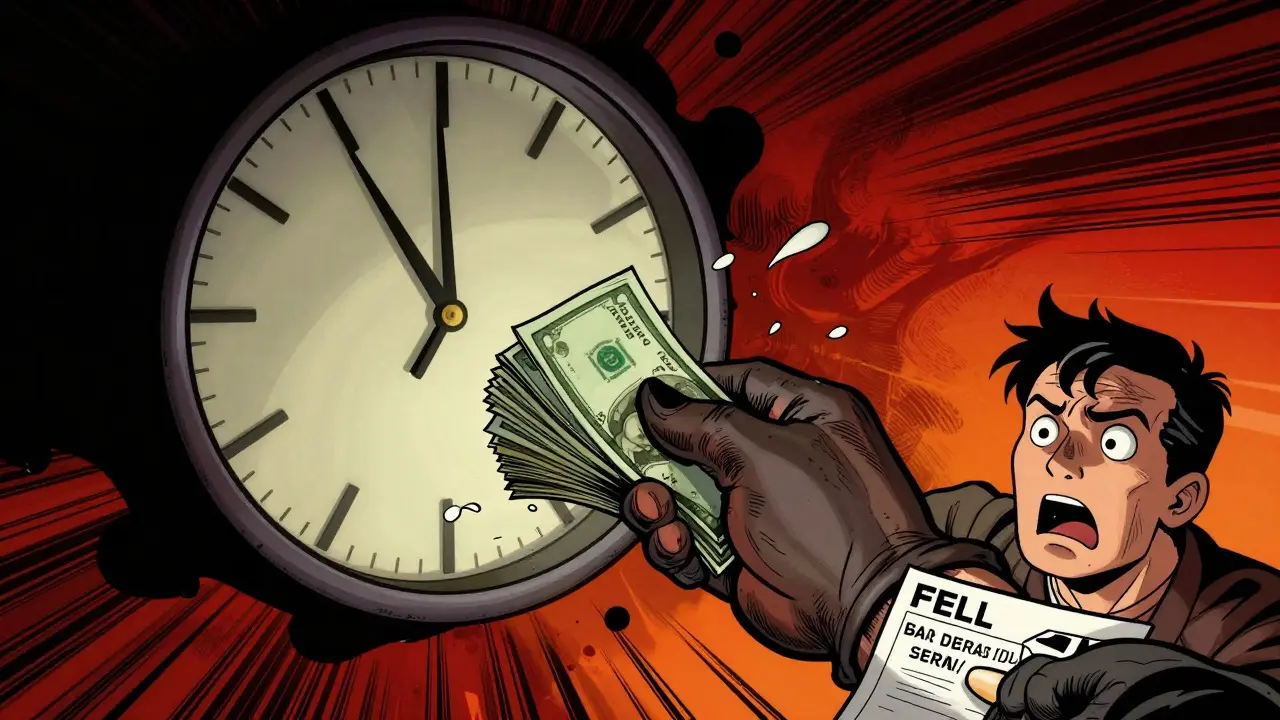
How do you know if a platform is playing dirty? Regulators and security experts have identified a consistent playbook used by fraudulent exchanges. If Bitsoda exhibits even two of these traits, your risk level skyrockets.
- Unrealistic Returns: Promises of guaranteed daily profits or "AI-driven algorithms" that beat the market consistently. Real markets fluctuate; guarantees are mathematically impossible without extreme risk.
- Withdrawal Friction: Easy deposits but difficult withdrawals. You might be asked to pay a "gas fee," a "verification tax," or a "liquidity fee



Sarah Hafner
August 24, 2026 AT 16:52Oh my goodness, this is so scary! :O I actually almost signed up for a site that looked exactly like this last month. My cousin works in fintech compliance and she told me to always check the SEC website first before sending a single penny. It saved me from making a huge mistake!
The part about the "tax fine" is such a classic move. They just want your money to go through so they can freeze it later. It’s basically a modern-day con artist trick but with blockchain jargon. You should definitely keep an eye on the domain age thing too; if it was created last week, run away! :)
alex fordy
August 25, 2026 AT 21:12It’s fascinating how these scams rely on cognitive dissonance. 🧠 People see the word "Crypto" and assume it's either a miracle or a total fraud, rarely considering the middle ground of legitimate regulation. The fact that Bitsoda lacks an API endpoint is telling because real infrastructure requires developer trust. If you can't build on it, it's probably not built to last. It’s a philosophical question: do we value convenience over verification? 😅
Nia Franklin
August 26, 2026 AT 02:53Ugh!! I hate when people get tricked by these!! 😤 It’s like the digital equivalent of those street corner pyramid schemes but way harder to spot! The name confusion with Bitso is SO sneaky... one letter difference and boom, you’re in trouble! I always check WHOIS now, it takes like 30 seconds and saves so much headache! Don’t ever trust a site that doesn’t have a physical address listed somewhere legit!! 💸📉
Mohamed Shoaeb
August 28, 2026 AT 01:31from india perspective this is very common. many small exchanges pop up and disappear. i think the key is to stick to big names like coinbase or binance for now. bitsoda sounds risky. good article though.
Sonia Gomez Gomez
August 28, 2026 AT 22:44You really need to stop being so naive. :P It’s obvious anyone with half a brain would check the FCA register. Why are people still falling for these? It’s embarrassing honestly. Just do your homework! 🙄
SHIV SHANKAR KANTA
August 30, 2026 AT 09:27the tragedy here is not the money but the loss of faith in humanity. we live in a world where trust is the most expensive commodity. why do we seek safety in algorithms instead of truth? the silence of the regulators speaks volumes. :/
Daniel Brown
August 30, 2026 AT 10:22I work in IT security and I can tell you that the lack of public API endpoints is a massive red flag. Real exchanges need developers to integrate with them for trading bots and portfolio trackers. If there is no documentation, there is no product. Also, check the SSL certificate issuer. Scam sites often use cheap self-signed certs or expired ones. It’s basic due diligence that most retail investors skip.