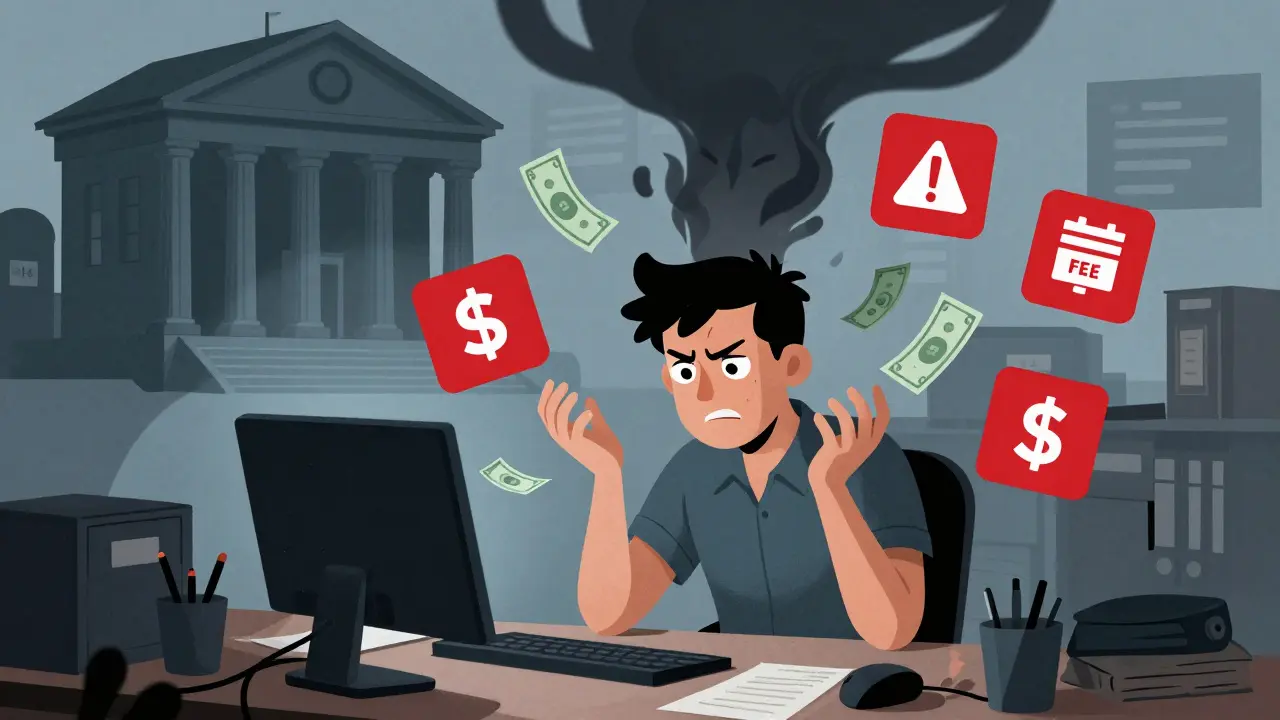
Imagine sending $100 to a fan in Japan. With a bank or PayPal, you might lose $5 to fees and another $3 to currency conversion, waiting days for the money to clear. Now imagine that same transaction happening in seconds, costing less than a penny, with the full amount landing in your account instantly. This isn't science fiction; it is the reality of direct creator payments using cryptocurrency.
For years, content creators have been squeezed by the 'middleman tax.' Platforms like Spotify, YouTube, and Patreon take significant cuts-often between 15% and 30%-just to process transactions. Banks add their own layers of fees, especially for cross-border transfers. But blockchain technology is changing the game. It allows artists, writers, musicians, and developers to receive compensation directly from their audience, bypassing traditional financial gatekeepers entirely.
The Problem with Traditional Payment Gateways
Let's look at the math. If you are a freelance designer charging $50 per hour, and your payment processor (like Stripe or PayPal) charges 2.9% plus $0.30 per transaction, you are losing roughly $1.75 on every single payment. For international clients, foreign exchange fees can push this loss to 3-5%. Over a month, these small leaks drain hundreds of dollars from your bottom line.
Traditional systems also suffer from slow settlement times. Bank transfers and ACH payments often take 2 to 5 business days to clear. During this time, your money is stuck in limbo. For independent creators who need cash flow to cover rent or equipment, this delay is a major pain point. Furthermore, platforms often hold funds or impose withdrawal limits, giving them control over your earnings rather than you.
How Direct Crypto Payments Work
Cryptocurrency operates on a decentralized network called a blockchain. Think of it as a public ledger that records every transaction securely and transparently. When a fan sends you Bitcoin, Ethereum, or a stablecoin, the transaction is verified by the network, not a bank. This peer-to-peer system eliminates the need for intermediaries.
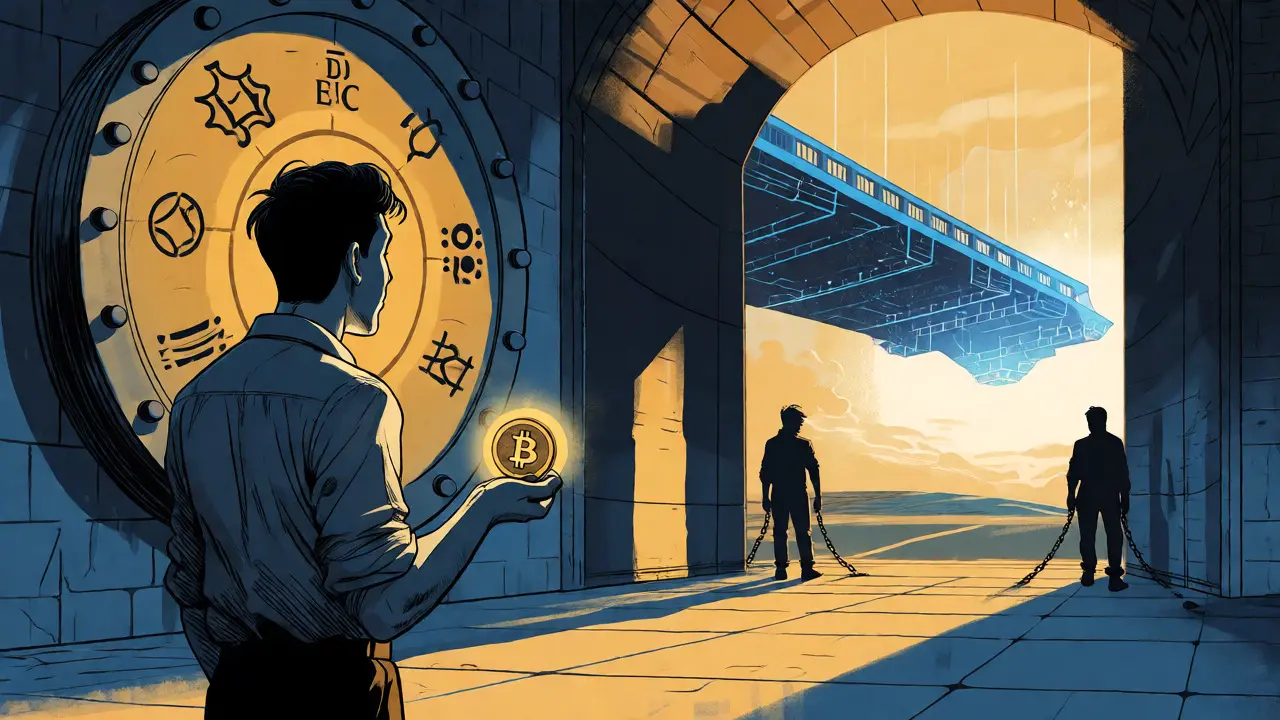
To receive payments, you need a digital wallet. This is simply an app or device that stores your private keys-the digital passwords that prove ownership of your funds. You share your public wallet address with your audience, similar to sharing a bank account number. When they send crypto, the funds appear in your wallet almost instantly. The entire process relies on cryptographic security, making it significantly harder to fraudulently reverse transactions compared to credit card chargebacks.
Why Creators Are Switching to Crypto
The shift toward digital currency isn't just about hype; it's about economics. Here are the core advantages driving adoption:
- Lower Fees: Transaction costs on many blockchain networks range from $0.01 to $1.00, regardless of the amount sent. This is a fraction of the percentage-based fees charged by Visa or Mastercard.
- Speed: Transactions settle in seconds or minutes, not days. You get paid when the work is done, not next week.
- Global Access: No more dealing with SWIFT codes or international banking restrictions. A fan in Brazil, Nigeria, or Germany can support you just as easily as someone in New York.
- Financial Independence: You control your funds. No platform can freeze your account or withhold payouts without cause.
According to a 2023 Creator Economy Report by SignalFire, approximately 47% of digital creators expressed interest in implementing cryptocurrency payment options. This surge is driven by the desire to retain more revenue and build direct relationships with supporters.

Navigating Volatility: Stablecoins vs. Speculative Coins
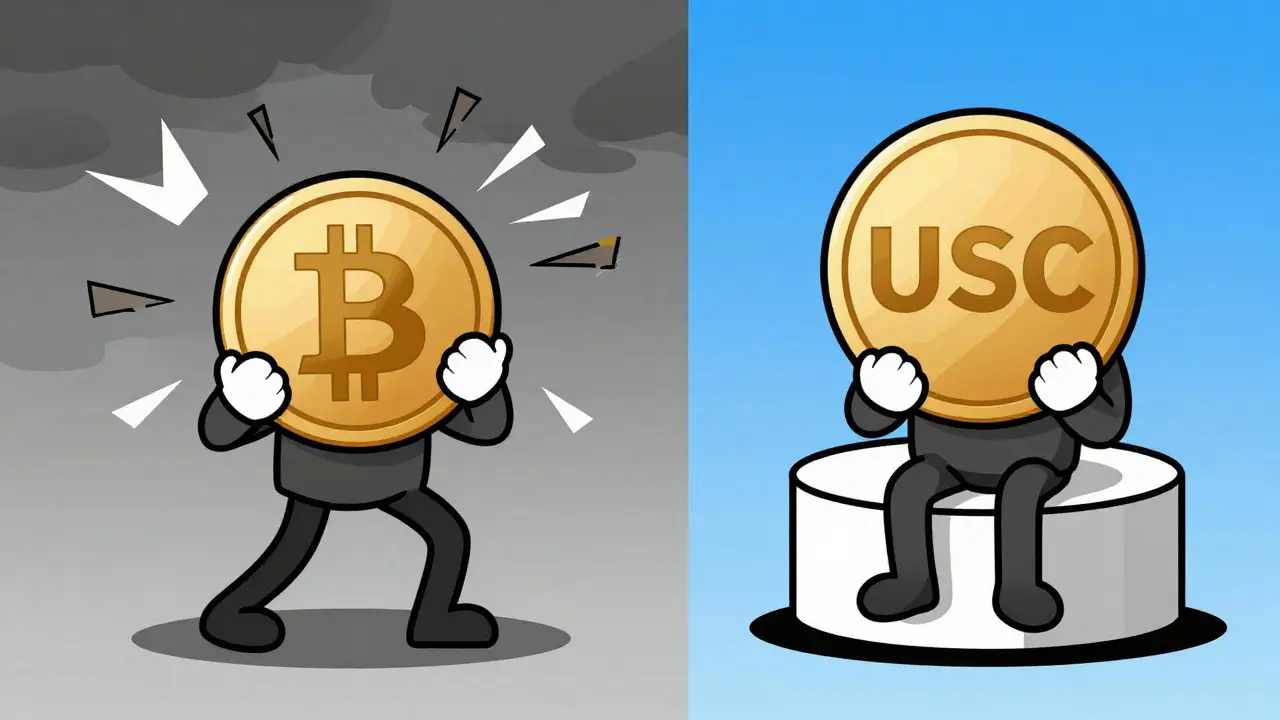
The biggest criticism of crypto payments is price volatility. Bitcoin or Ethereum can swing 10% in a single day. If a fan pays you $100 in Bitcoin today, it might be worth $90 tomorrow. This risk makes it difficult for creators who need stable income to pay bills.
The solution? Stablecoins. These are cryptocurrencies pegged to fiat currencies like the US Dollar. Tokens like USDC or USDT maintain a 1:1 value with the dollar. When a fan sends you USDC, you receive exactly what they intended, without the market swings. Many creators now accept stablecoins for daily operations while holding speculative coins only for long-term investment purposes.
Additionally, new platforms are emerging to bridge the gap. Services like FANCLB use Layer 2 blockchain solutions to offer instant conversion. They allow fans to pay with crypto, but the platform automatically converts it to fiat currency and deposits it into the creator's bank account within 24 hours. This gives creators the benefits of low fees and speed without the headache of managing crypto exposure.
Creator Coins: Building Community Loyalty
Beyond simple payments, some creators are issuing their own tokens. Known as 'Creator Coins,' these function like loyalty points but with real monetary value. Fans can buy, trade, or earn these tokens through engagement.
This model was popularized by Rally in 2020 and later adopted by musicians like 3LAU, who generated $11.7 million by tokenizing music rights via the Royal platform. For creators, this creates a deeper economic bond with their audience. Fans aren't just consumers; they become stakeholders invested in the creator's success. However, launching a custom coin requires careful legal consideration, as regulators like the U.S. SEC may classify certain tokens as securities.
| Feature | Traditional (PayPal/Stripe) | Cryptocurrency (Direct) | Crypto Aggregators (e.g., FANCLB) |
|---|---|---|---|
| Transaction Fee | 2.9% + $0.30 | $0.01 - $1.00 (network dependent) | Low (platform handles conversion) |
| Settlement Time | 2-5 Business Days | Seconds to Minutes | Within 24 Hours (to bank) |
| Cross-Border Fees | 3-5% FX fees | None | Minimal |
| Volatility Risk | None | High (for BTC/ETH) | None (auto-converted to fiat) |
| Technical Skill Required | Low | Medium-High | Low |
Setting Up Your First Crypto Payment System
You don't need to be a developer to start accepting crypto. Here is a practical guide to getting started:
- Choose a Wallet: Download a reputable non-custodial wallet like MetaMask or Trust Wallet. These give you full control over your private keys. Never share your seed phrase with anyone.
- Select Your Currency: Decide whether to accept volatile assets like Bitcoin or stablecoins like USDC. For beginners, starting with stablecoins reduces stress.
- Generate Your Address: Copy your public wallet address. This is safe to share publicly on your website, social media bios, or Patreon page.
- Use a Payment Processor (Optional): If you want to simplify things, integrate a service like Coinbase Commerce or BitPay. These generate unique invoice links for each customer, reducing the risk of sending funds to the wrong address.
- Educate Your Audience: Create simple guides showing your fans how to send crypto. Most people are intimidated by the process, so clear instructions lower the barrier to entry.
Remember, cryptocurrency transactions are irreversible. Unlike credit cards, there is no chargeback protection. This means you must verify the recipient address carefully before confirming any outgoing payments. Double-checking addresses is a critical habit for any creator handling digital assets.
Regulatory Landscape and Risks
While the technology is powerful, the regulatory environment remains complex. In the United States, the Securities and Exchange Commission (SEC) has scrutinized various crypto projects, including lawsuits against LBRY Inc. regarding unregistered securities offerings. Creators issuing their own tokens must consult legal experts to ensure compliance.
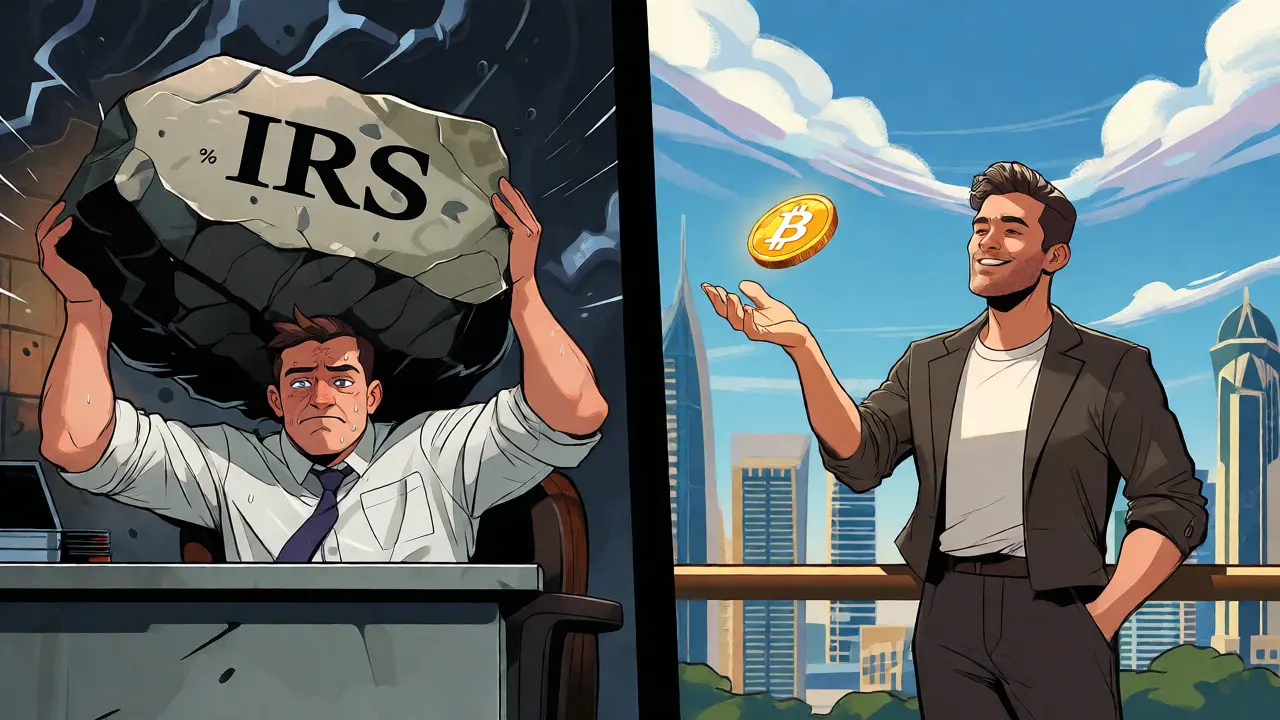
Taxation is another key factor. In most jurisdictions, receiving cryptocurrency is considered a taxable event. You must report the fair market value of the crypto at the time of receipt as income. Keeping detailed records of transactions is essential for tax season. Tools like Koinly or CoinTracker can help automate this process by connecting to your wallet and generating tax reports.
Despite these challenges, the trend is clear. Delphi Digital projects that creator-focused cryptocurrency platforms will capture 12-15% of the $250 billion creator economy market by 2026. As user interfaces improve and regulatory clarity increases, direct crypto payments will likely become a standard option for independent professionals worldwide.
Is it safe to accept cryptocurrency payments?
Yes, it is generally safer than credit cards due to the lack of chargeback fraud. However, you must secure your private keys. If you lose your password or seed phrase, you lose access to your funds forever. Use hardware wallets for large amounts and never share your private keys online.
Do I have to pay taxes on crypto tips?
In most countries, yes. Cryptocurrency received as payment for goods or services is treated as ordinary income. You must report the value in your local currency at the time of receipt. Consult a tax professional for specific advice in your region.
What if the price of Bitcoin drops after I get paid?
This is the main risk of volatile crypto. To mitigate this, many creators use stablecoins (pegged to the dollar) or use aggregator services that automatically convert crypto to fiat currency within 24 hours, locking in the value.
Can my fans pay with credit cards?
Not directly to your wallet. However, platforms like Coinbase Commerce or FANCLB allow fans to pay with credit cards. The platform buys the crypto and sends it to you, though this may involve slightly higher fees.
Are there any fees for receiving crypto?
Network fees vary. Sending Bitcoin can cost a few dollars during peak times, while Ethereum Layer 2 solutions or stablecoins on faster chains can cost fractions of a cent. Always check current network congestion before requesting large transfers.

Daniel J. Cox
June 29, 2026 AT 01:27yo this is actually kinda cool man :)
Emma Rémond
June 29, 2026 AT 20:25Oh, how utterly quaint. You present the fundamental mechanics of decentralized ledger technology as if you have discovered fire, when in reality, you are merely scratching the surface of a paradigm shift that has been brewing since Satoshi's whitepaper was published. The notion that one requires an 'educational guide' to understand the utility of stablecoins like USDC or USDT for mitigating volatility risk is frankly disheartening. It reveals a profound lack of financial literacy among the general populace who still cling to the antiquated fiat systems with their exorbitant intermediary fees and draconian settlement times. One must wonder if the average reader possesses the cognitive bandwidth to comprehend the implications of non-custodial wallets versus custodial solutions, or if they will inevitably fall prey to phishing scams due to their own negligence. The integration of Layer 2 scaling solutions is not a novel concept but a necessary evolution to address the trilemma of scalability, security, and decentralization. Yet here we are, explaining basic transaction finality to individuals who likely still use PayPal for cross-border transfers, blissfully unaware of the 3-5% foreign exchange arbitrage being extracted from their earnings by traditional banking institutions. It is a pity that such transformative economic models are diluted into digestible soundbites for the masses.
Nicole Woessner
July 1, 2026 AT 05:16i mean its pretty wild how much we lose on fees honestly like why do we even bother with paypal anymore when crypto is literally just there waiting to be used
imagine keeping all your money instead of giving it away to middlemen
Sajjad Ghorbani Moghaddam
July 1, 2026 AT 13:30Hey everyone, I think it is important to look at this from a practical standpoint for those who might be hesitant. The barrier to entry isn't really technical anymore, it is psychological. We need to normalize the idea that holding your own keys is a viable option for small transactions. If you are a creator, starting with a simple wallet like MetaMask and accepting USDC is a low-risk way to test the waters without exposing yourself to Bitcoin's volatility. It is about taking control of your cash flow rather than waiting days for settlements. Let us support each other in learning these tools because financial independence starts with understanding the infrastructure we use daily.
Rebecca Shoniker
July 3, 2026 AT 11:46You are fundamentally misunderstanding the risk profile!!!
While the article glosses over the catastrophic potential of private key loss, it fails to emphasize that "irreversibility" is not a feature, it is a liability for consumer protection!!! When you eliminate chargebacks, you are essentially creating a Wild West environment where fraud thrives under the guise of "financial sovereignty"!!! Furthermore, the tax implications are not merely a "key factor," they are a bureaucratic nightmare that most creators are ill-equipped to handle!!! The IRS does not care about your "decentralized ethos"; they care about reporting fair market value at the exact second of receipt!!! Do not let this techno-utopian propaganda fool you into thinking this is a seamless transition!!! It is a regulatory minefield!!!
Jay Sharma
July 5, 2026 AT 11:34its all a setup bro they want you to think you are free but the blockchain is just another layer of surveillance
the SEC lawsuits are just smoke screens to keep you scared while they track every single satoshi you move
stablecoins are pegged to the dollar which is backed by debt and lies
wake up sheeple the only real freedom is cash under the mattress or gold
they are watching you through your wallet apps right now
Scott Miller
July 5, 2026 AT 16:05LISTEN TO ME RIGHT NOW!!! This is the future and you are either on board or you are left behind!!! Stop making excuses about volatility and start adapting!!! If you are not using crypto payments for your business by next month, you are failing your audience and yourself!!! Get out there, set up your wallet, and demand payment in USDC!!! The people who hesitate are the ones who stay poor!!! Take action today!!! Do not wait for permission!!! Break the chains of the banking system!!! YOU HAVE THE POWER!!! USE IT!!!
ross harris
July 5, 2026 AT 19:55we are but digital ghosts haunting the server farms of our own making, trading ephemeral tokens for the illusion of permanence. the blockchain is a mirror reflecting our collective greed and desire for autonomy, yet we shatter it with every failed seed phrase. is it true freedom when we are enslaved by the complexity of our own liberation? the creator coin is a modern idol, worshipped by fans seeking a stake in the soul of the artist, but what happens when the temple crumbles? we dance on the edge of the abyss, cheering for the fall while hoping to catch ourselves on the way down. perhaps the real currency is attention, and crypto is just the container we built to hold it before it evaporates into the ether.
Carl Belgrave
July 6, 2026 AT 02:34Look, I don't care about your globalist crypto dreams. In America, we pay with dollars, not some internet magic beans. These foreign entities trying to push this stuff are undermining our national financial sovereignty. Keep your money in American banks where it belongs. Don't let these tech bros convince you that you need Bitcoin to survive. Support local, support traditional, and stay safe from these unregulated schemes.