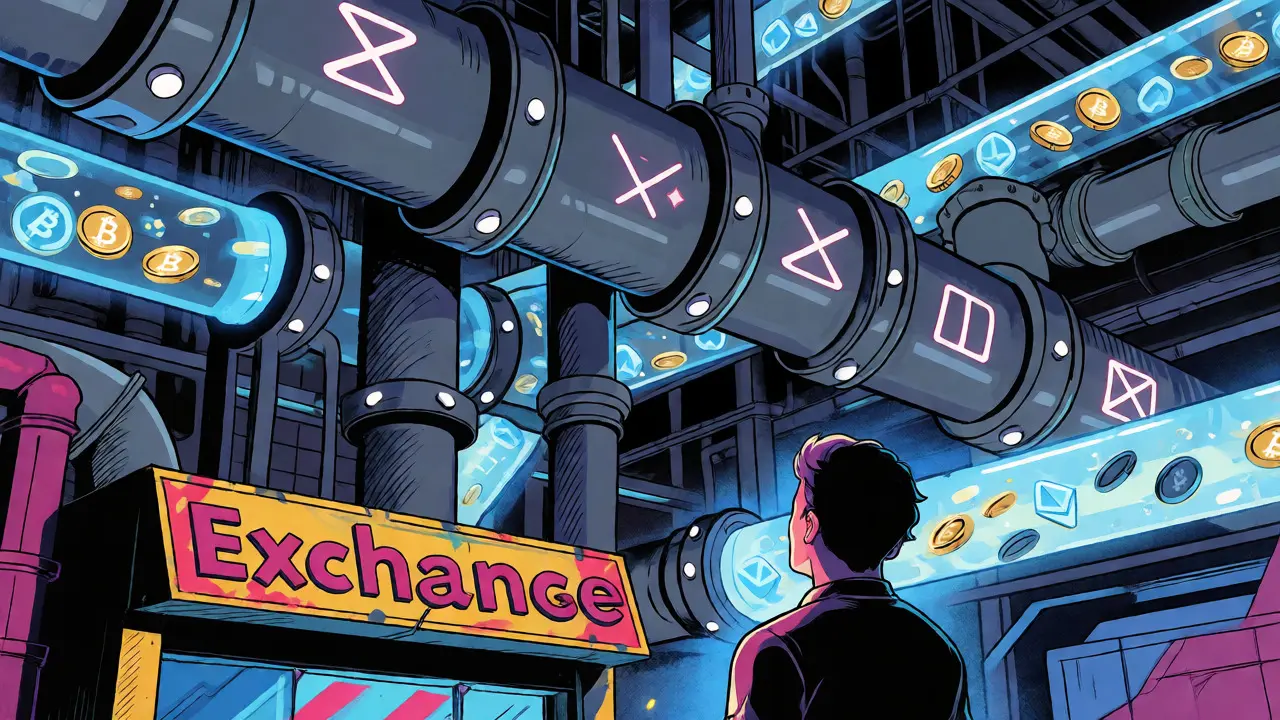
Imagine waking up in July 2027 and finding out you can’t trade your favorite privacy coin on any major European exchange. It’s not a hypothetical nightmare for Monero and Zcash holders; it’s the law. The European Union has locked in a ban that effectively removes these anonymous digital assets from regulated platforms by mid-2027. If you hold XMR or ZEC, or run a business touching them, the clock is ticking.
The Regulatory Hammer Falls
This isn't just another rumor mill story. The EU finalized Regulation 2024/1624 in May 2024, a massive anti-money laundering (AML) package designed to scrub financial shadows. Article 79 of this new Anti-Money Laundering Regulation (AMLR) is the specific clause causing headaches for privacy advocates. It explicitly prohibits credit institutions, financial institutions, and Crypto-Asset Service Providers (CASPs) from handling accounts that allow transaction anonymization. In plain English? If an exchange wants to stay licensed in the EU, it cannot offer services for coins that hide who sent money to whom and how much was transferred.
Why target these specific coins? Regulators argue that tools like ring signatures and zero-knowledge proofs make it nearly impossible to trace illicit funds. They view untraceable transactions as high-risk vectors for money laundering and terrorist financing. While Bitcoin and Ethereum have public ledgers where every transaction is visible, Monero uses stealth addresses to obscure recipient details, making standard compliance checks fail. This fundamental incompatibility with transparency requirements is why the ban feels inevitable rather than surprising.
Who Gets Hit Hardest?
The ban doesn’t criminalize owning privacy coins. You won’t be arrested for holding Zcash in your wallet. However, the ecosystem surrounding these coins faces severe restrictions. Any centralized exchange operating under the Markets in Crypto-Assets (MiCA) framework must delist these assets or stop offering trading pairs for them. This includes giants like Binance, Coinbase, and Kraken if they wish to serve EU customers compliantly.
It’s not just about trading. Payment processors and custodial wallets also fall under this umbrella. If a service provider wants to process payments in Monero within the EU regulatory perimeter, they face a compliance wall. The regulation mandates identity verification for all crypto transfers above €1,000, creating an audit trail that privacy coins are specifically engineered to break. For businesses, this means choosing between losing EU market access or abandoning their privacy-focused product lines.
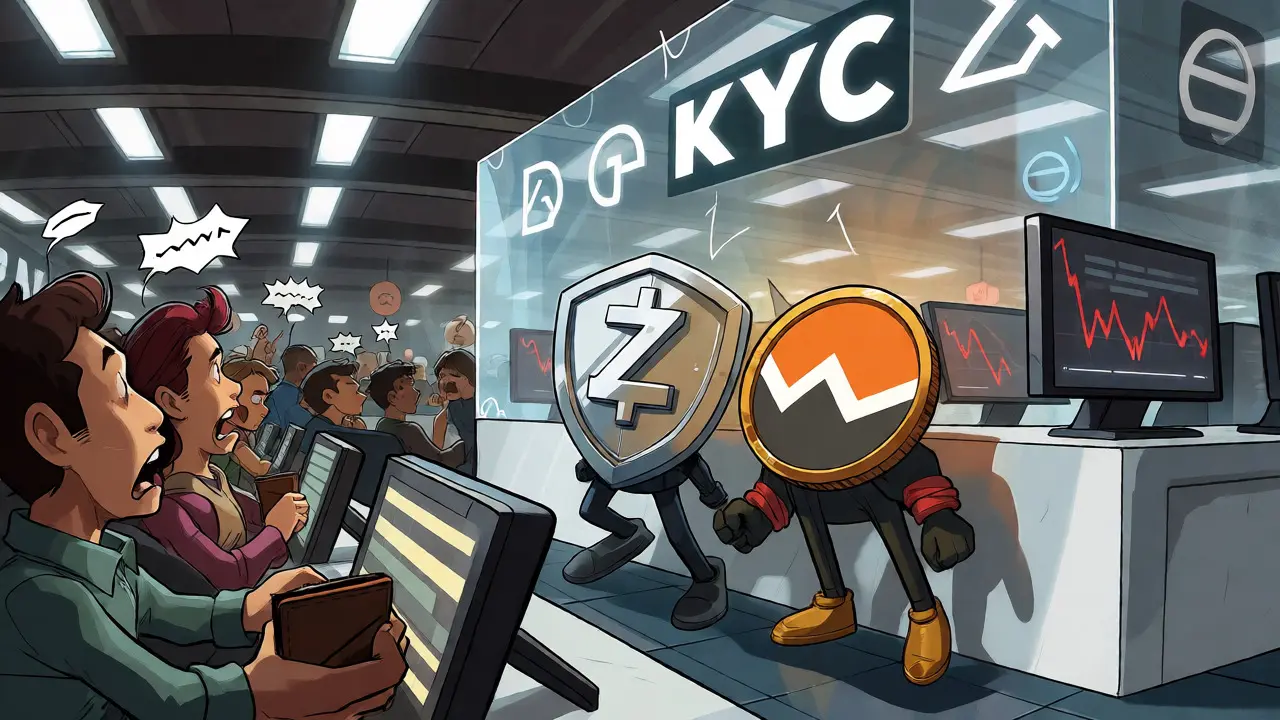
Enforcement and the New Watchdog
How will this actually be enforced? Enter AMLA, the new Anti-Money Laundering Authority. Starting soon, AMLA will directly supervise the largest crypto firms serving tens of thousands of customers or processing over €50 million in transactions. Initially, this covers roughly 40 major entities, but the ripple effects will touch smaller providers through contractual obligations. Large exchanges will likely refuse to onboard smaller partners who don’t comply, creating a cascade effect across the industry.
| Cryptocurrency | Privacy Mechanism | Regulatory Conflict | EU Status Post-2027 |
|---|---|---|---|
| Monero (XMR) | Ring Signatures, Stealth Addresses | Transactions are completely untraceable | Banned on regulated CASPs |
| Zcash (ZEC) | Zero-Knowledge Proofs (Shielded) | Shielded pools hide sender/receiver data | Banned on regulated CASPs |
| Dash (DASH) | PrivateSend (CoinJoin) | Mixes inputs to obscure origin | Likely restricted/banned |
| Bitcoin (BTC) | Pseudonymous Public Ledger | Traceable via chain analysis | Compliant |
What Happens to Your Holdings?
If you’re an individual investor, panic isn’t necessary yet. The ban targets service providers, not private individuals. You can still hold Monero in a self-custody hardware wallet. The challenge arises when you want to convert those coins into fiat currency or swap them for other cryptocurrencies using a regulated platform. Decentralized Exchanges (DEXs) might remain viable options, though even DEX interfaces hosted in the EU could face pressure to block certain token contracts.
There is a two-year window until July 1, 2027. During this time, existing operations must wind down or relocate. Many European users are already exploring non-EU jurisdictions for trading. Countries like Switzerland or Singapore may see increased activity from Europeans seeking to maintain liquidity for privacy assets. This creates a form of regulatory arbitrage, where the asset remains valuable globally but becomes illiquid within the bloc’s formal financial channels.

Global Ripple Effects
The EU rarely acts alone in financial regulation. When Brussels sets a standard, other regions often follow suit to maintain interoperability. The US Treasury and UK regulators have expressed similar concerns about anonymity-enhancing coins. While no outright ban exists in the US yet, strict KYC (Know Your Customer) laws already force many US-based exchanges to limit privacy coin listings. The EU’s move provides a concrete template for how a full ban looks and functions, potentially accelerating similar legislation elsewhere.
Industry experts note that resistance is largely futile. The European Crypto Initiative published an AML Handbook acknowledging that the core prohibition is final. Technical consultations are ongoing regarding implementation details, but the principle stands: transparency wins over anonymity in regulated finance. For developers building privacy tech, this signals a pivot toward solutions that offer selective disclosure-proving compliance without revealing every detail-to survive in regulated markets.
Key Takeaways
- Deadline: Full enforcement begins July 1, 2027.
- Scope: Applies to Credit Institutions, Financial Institutions, and Crypto-Asset Service Providers (CASPs).
- Assets Affected: Primarily Monero (XMR), Zcash (ZEC), and Dash (DASH).
- Individual Impact: Holding is legal; trading on regulated EU platforms will be restricted.
- Supervision: AMLA will oversee large firms, enforcing strict AML/KYC standards.
Will I lose my Monero if I live in the EU?
No, you will not lose your Monero. The ban applies to service providers like exchanges and banks, not to individuals holding the asset in personal wallets. You can continue to store and send Monero peer-to-peer.
Can I still buy Zcash on a European exchange?
After July 1, 2027, regulated European exchanges will likely delist Zcash or stop offering trading pairs for it. You may need to use non-EU exchanges or decentralized platforms to purchase it.
Does the ban apply to Bitcoin?
No, Bitcoin is not banned. Because its transactions are recorded on a public ledger, it allows for traceability, which satisfies anti-money laundering requirements. Only coins with built-in anonymity features are targeted.
What is AMLA?
AMLA stands for the Anti-Money Laundering Authority. It is a new supervisory body created by the EU to directly monitor large financial and crypto firms to ensure they comply with the new regulations.
Is this ban permanent?
The current regulation sets a firm deadline of July 2027. While laws can be amended, the political consensus around financial transparency makes a reversal unlikely in the near future. Technology that offers selective privacy might find a path back into compliance later.