
Imagine a world where your favorite indie film gets greenlit not by a studio executive in a glass office, but by a global community of fans who actually want to see it happen. That is the core promise behind Film.io, a platform built on blockchain technology that aims to decentralize the movie and TV industry. At the heart of this ecosystem is the FAN token, a digital asset designed to give power to creators and audiences alike.
If you have stumbled upon the ticker FAN and wondered what makes it different from thousands of other cryptocurrencies, you are in the right place. This is not just another speculative coin; it is a utility and governance tool for a specific niche: entertainment finance. Understanding how FAN works requires looking at three layers: the technical infrastructure, the economic model, and the practical experience of using it as a fan or creator.
The Core Concept: Decentralized Filmmaking
Film.io is a decentralized autonomous organization (DAO) focused on funding and distributing independent film and television projects. Unlike traditional crowdfunding platforms like Kickstarter, where backers get physical rewards, Film.io uses blockchain to create a transparent voting system. The goal is to let market demand-driven by real fan engagement-determine which projects move forward to production.
The FAN token serves as the fuel for this engine. When you hold FAN, you are essentially holding a vote in the DAO. You can submit project proposals, vote on which films should be funded, and earn rewards for participating in the community. This structure attempts to solve a major pain point in Hollywood: the disconnect between what studios think will sell and what audiences actually want to watch. By putting decision-making in the hands of the people buying the tickets, Film.io hopes to reduce financial risk for investors while giving creators a fairer shot at success.
Tokenomics: Supply, Burns, and Value
To understand the value proposition of FAN, we need to look at its numbers. The total maximum supply of FAN is set at 10 billion tokens. However, not all of these are available for trading. As of late 2025, circulating supply figures vary across trackers, with most showing between 2.3 billion and 2.94 billion tokens in circulation. This means roughly 70-80% of the potential supply is still locked or unallocated.
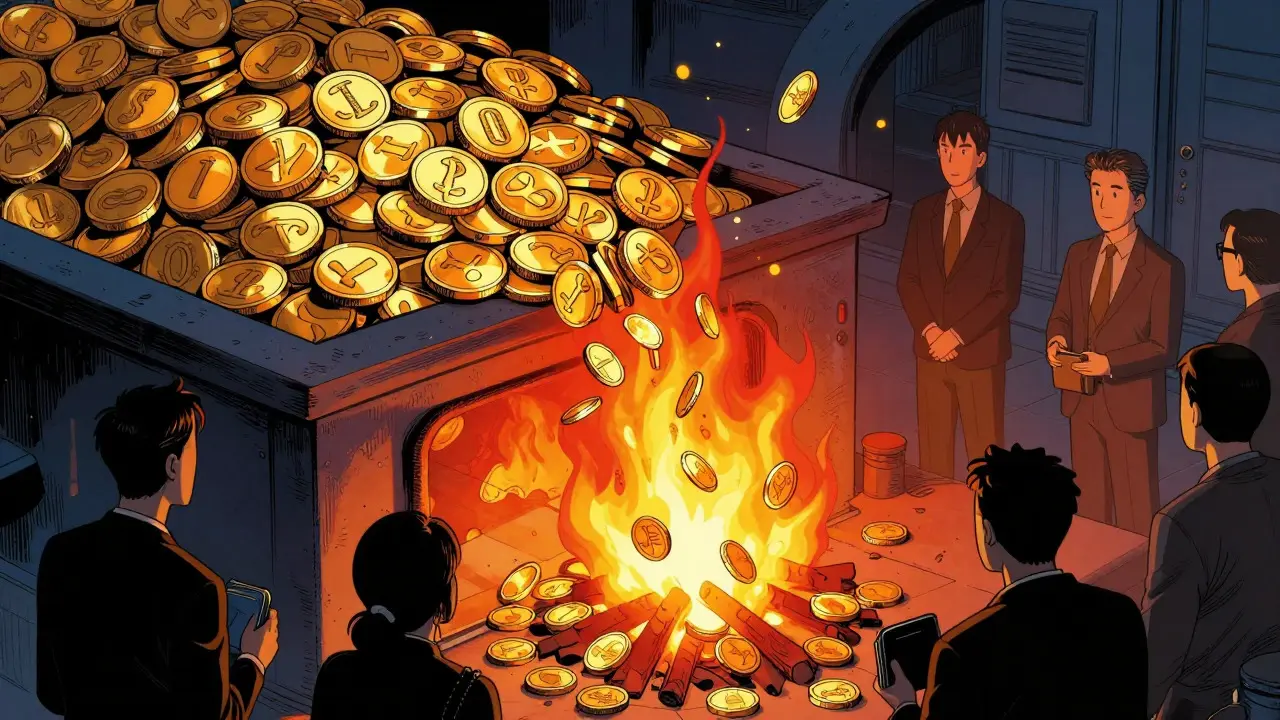
A significant development occurred in mid-2025 when the team approved a "Tokenomics Fix." This plan involves burning approximately 3 billion unallocated FAN tokens. Burning tokens removes them from circulation permanently, reducing inflationary pressure and potentially increasing scarcity for remaining holders. If executed fully, this would lower the effective maximum supply closer to 7 billion tokens. For investors, this is a crucial detail because it signals an intent to stabilize the token's long-term value rather than relying on continuous issuance.
| Attribute | Value / Detail |
|---|---|
| Ticker Symbol | FAN |
| Blockchain Network | Polygon (ERC-20 style) |
| Total Max Supply | 10,000,000,000 (10 Billion) |
| Circulating Supply (Est.) | ~2.3 - 2.9 Billion |
| Primary Use Case | DAO Governance & Platform Utility |
| Main Trading Venue | Uniswap V3 (Polygon) |
| Planned Adjustment | Burn of ~3 Billion unallocated tokens |
How FAN Works in Practice
So, what do you actually do with FAN? The token has several distinct functions within the Film.io ecosystem:
- DAO Participation: Holding FAN allows you to join the Film.io DAO. This gives you access to governance votes on new projects and platform upgrades.
- Project Staking: Fans can stake their FAN tokens onto specific film projects they believe in. This staking contributes to the project's "Go Score™," an algorithmic metric that predicts a project's likelihood of success based on community support.
- Earning Rewards (FGR): When you stake FAN on a project that progresses toward greenlighting, you may earn passive rewards in a separate token called FGR. This creates an incentive to support high-quality content early on.
- Reputation Building: Voting, staking, and sharing content increases your reputation score. Higher reputation often translates to greater voting weight and access to exclusive features, ensuring that active participants have more influence than passive whales.
It is important to distinguish FAN from "Fan Power." Fan Power is a non-crypto point system used for basic engagement like liking posts. It has no monetary value. FAN, on the other hand, is a tradable cryptocurrency with real financial implications. Confusing the two is a common mistake for new users, so keep in mind that only FAN carries voting power and investment potential.
Technical Setup: Buying and Using FAN
FAN is deployed on the Polygon network. This choice is strategic because Polygon offers low transaction fees and fast confirmation times, making it accessible for small-scale interactions like voting or staking. Since it is not listed on major centralized exchanges like Binance or Coinbase for direct trading, most users acquire it through decentralized exchanges (DEXs).
Here is the typical process for getting started:
- Set Up a Wallet: You need a Polygon-compatible wallet, such as MetaMask. Ensure you have some MATIC (now POL) in the wallet to cover gas fees.
- Add the Contract Address: To avoid scams, manually add the official FAN contract address:
0x3B9E9100Db1389c518d47c635d80a90ad4C4f41b. You can verify this via CoinGecko or the official Film.io help center. - Swap for FAN: Use Uniswap V3 on Polygon to swap your stablecoins (like USDC or DAI) or ETH/POL for FAN. This is the primary liquidity source for the token.
- Connect to Film.io: Visit the Film.io platform and connect your wallet. Your FAN balance will sync automatically, allowing you to start voting and staking.
While this process is straightforward for crypto-native users, it does require a basic understanding of DeFi mechanics. If you are new to blockchain wallets, expect a learning curve involving private key management and network selection.
Market Reality: Liquidity and Volatility
We need to talk about the risks, because they are significant. FAN is classified as a micro-cap cryptocurrency. Its market cap has fluctuated between $300,000 and $1.5 million in recent months, which is tiny compared to mainstream assets. More importantly, daily trading volume is often negligible, sometimes dropping to under $100 per day on certain trackers.
Low liquidity means two things: first, price volatility can be extreme. A single large buy or sell order can swing the price significantly. Second, exiting your position might be difficult if there are no buyers waiting on the other side of the trade. Data from late 2025 showed a 1-year price performance of over -96%, indicating that many early speculators faced substantial losses.
This does not mean FAN is worthless, but it changes the investment thesis. You are not buying FAN primarily for short-term price appreciation. You are buying it for its utility in the Film.io ecosystem and a bet on the long-term adoption of decentralized filmmaking. If you view it purely as a stock-like asset expecting steady growth, you may be disappointed. If you are passionate about independent cinema and believe in the DAO model, the low entry price and unique use case might align with your goals.

Competitive Landscape and Future Outlook
Film.io operates in the broader category of "fan tokens," but it carves out a unique niche. Most fan tokens, such as those in the Chiliz ecosystem, are tied to sports clubs. They offer perks like voting on jersey designs or winning meet-and-greets. FAN, however, is tied to creative production. It bridges the gap between fan engagement and investor due diligence. Studios and streamers can use Film.io’s data to scout projects that already have validated audiences, reducing their own risk.
Looking ahead, the June 2025 community update introduced "Superfan" utilities, including Film Credit Certificates and early access to future fundraising rounds. These features aim to deepen the connection between top contributors and the platform's revenue streams. The success of FAN will depend on whether Film.io can attract high-quality, recognizable projects and maintain consistent activity levels. If the platform remains quiet, the token risks becoming illiquid and forgotten. But if it successfully launches a few notable films that gain traction, the narrative could shift dramatically.
Frequently Asked Questions
What is the main difference between FAN and Fan Power?
FAN is a tradable cryptocurrency token used for governance, staking, and earning rewards. Fan Power is a free, non-financial point system used for basic engagement like liking posts. Only FAN has monetary value and voting rights in the DAO.
Where can I buy FAN tokens?
FAN is primarily traded on decentralized exchanges like Uniswap V3 on the Polygon network. While it has appeared on some smaller centralized exchanges, the most reliable and liquid method is swapping via DEX using a wallet like MetaMask.
Is FAN a good investment in 2026?
FAN is a high-risk, micro-cap asset with very low liquidity. It is best suited for investors who believe in the specific use case of decentralized filmmaking and are willing to hold long-term despite volatility. It is not recommended for those seeking stable, liquid returns.
What happens to my FAN if I stake it?
When you stake FAN, you lock it up to support a specific project. In return, you may earn FGR rewards as the project progresses. Your voting power is also enhanced during the staking period. You can usually unstake after a certain period, subject to platform rules.
Why is the FAN price so low?
The low price reflects its micro-cap status, high total supply (10 billion), and limited trading volume. Despite the low unit price, the total market capitalization is determined by multiplying the price by the circulating supply, which places it in the lower tiers of the crypto market.



Niall O'Rourke
August 22, 2026 AT 06:58oh great another one of these blockchain movies things
you guys really think this is going to work huh
i mean sure the tech is cool but who actually wants to vote on a movie
most people just want to sit back and watch something good
this whole dao thing sounds like a lot of work for very little reward
and don't get me started on the fees
even if they are low on polygon it is still extra steps
i bet half the people who buy this token never even open the platform
they just buy it hoping it goes up in value like a lottery ticket
which brings us to the real problem here
the liquidity is basically non-existent
how do you sell your tokens when nobody else is buying them
it is like trying to sell a horse in a desert
all dry and no buyers around
the team says they will burn some tokens which is nice i guess
but that only works if there is actual demand
right now it feels more like a pet project for crypto bros
who are bored of trading memecoins
let's see how long this lasts before the next shiny object appears
Jillian Groskreutz
August 22, 2026 AT 13:34Actually, if you read the whitepaper, you would know that the governance model is quite sophisticated! The Go Score algorithm is not just a gimmick; it is a predictive metric based on community support. You are clearly ignoring the fundamental utility here. The fact that it is on Polygon is a strategic choice for low gas fees, which you seem to be overlooking in your hyperbole about "extra steps." Also, the tokenomics fix with the 3 billion burn is a significant signal of intent to stabilize value, something you failed to mention. It is frustrating when people dismiss innovation because they do not understand the underlying DeFi mechanics. This is not a lottery ticket; it is a utility asset for a specific niche. If you cannot grasp the difference between Fan Power and FAN, perhaps you should educate yourself before posting such shallow takes.
Carmene Jackson
August 24, 2026 AT 09:46ugh i feel like we are all just waiting for this to blow up or fizzle out
it is so hard to tell if these projects are real or just hype
i have been burned by too many crypto platforms already
so now i am just scared to put any money in again
but the idea of fans actually choosing what gets made is kind of cool
if it worked maybe we would see more diverse stories
instead of the same old hollywood formula
i just wish there was more transparency about where the money goes
like who is really behind these film.io projects
are they vetting them properly or is it just anyone with a script
i hope someone makes a documentary about this whole process
that would be way more interesting than just reading the token specs
Jennifer Ulmer
August 25, 2026 AT 15:22i think the core idea is really interesting
it is rare to see a platform that tries to solve the disconnect between studios and audiences
most crowdfunding sites give you a t-shirt or a poster
but this gives you a stake in the success of the film itself
that feels much more meaningful to me
also the reputation system is a smart touch
it prevents whales from just buying their way into power
you have to actually participate to gain influence
which encourages genuine community engagement
i am not sure about the long term financial viability yet
but the social aspect seems strong
it creates a sense of ownership that traditional cinema lacks
we are just consumers usually
here we are potential investors and voters
that shift in dynamic could change how indie films are funded
hopefully they can attract some high quality projects soon
the narrative needs to move beyond just the token price
it is about the art and the community building
if they can pull that off it could be a game changer
Jade Brown
August 26, 2026 AT 08:17Let's dissect this carcass of an asset class. We are looking at a micro-cap with a market cap hovering around the $1M mark, which is essentially noise in the broader crypto spectrum. The daily volume is abysmal, often sub-$100, meaning slippage on entry/exit is a guaranteed tax on your principal. The 'Go Score' metric is a speculative heuristic dressed up as data science, relying on subjective community sentiment rather than hard production metrics. The 3B token burn is a classic supply-side manipulation tactic to create artificial scarcity, masking the lack of organic demand. On Polygon, yes, gas is cheap, but liquidity depth is the true bottleneck, not transaction speed. The FGR reward mechanism introduces a secondary token complexity that further fragments liquidity. Essentially, you are betting on a DAO that has yet to prove it can greenlight a single bankable title. The risk-reward ratio is skewed heavily toward capital loss unless you view this as a pure venture capital bet on decentralized media infrastructure. Ignore the unit price; look at the circulating supply versus max supply mismatch. 70-80% locked supply means massive future dilution pressure if the burn isn't executed perfectly. This is a high-beta play on a narrative, not a fundamental investment. Proceed with caution and expect high volatility.