You might be searching for the NFTify airdrop because you saw it trending in crypto Twitter or heard about free tokens. Here is the reality check: the specific N1 campaign has ended. But understanding how it worked is crucial if you want to spot similar opportunities in the future. This guide breaks down exactly what happened, who won, and why this particular model was effective for both the project and its users.
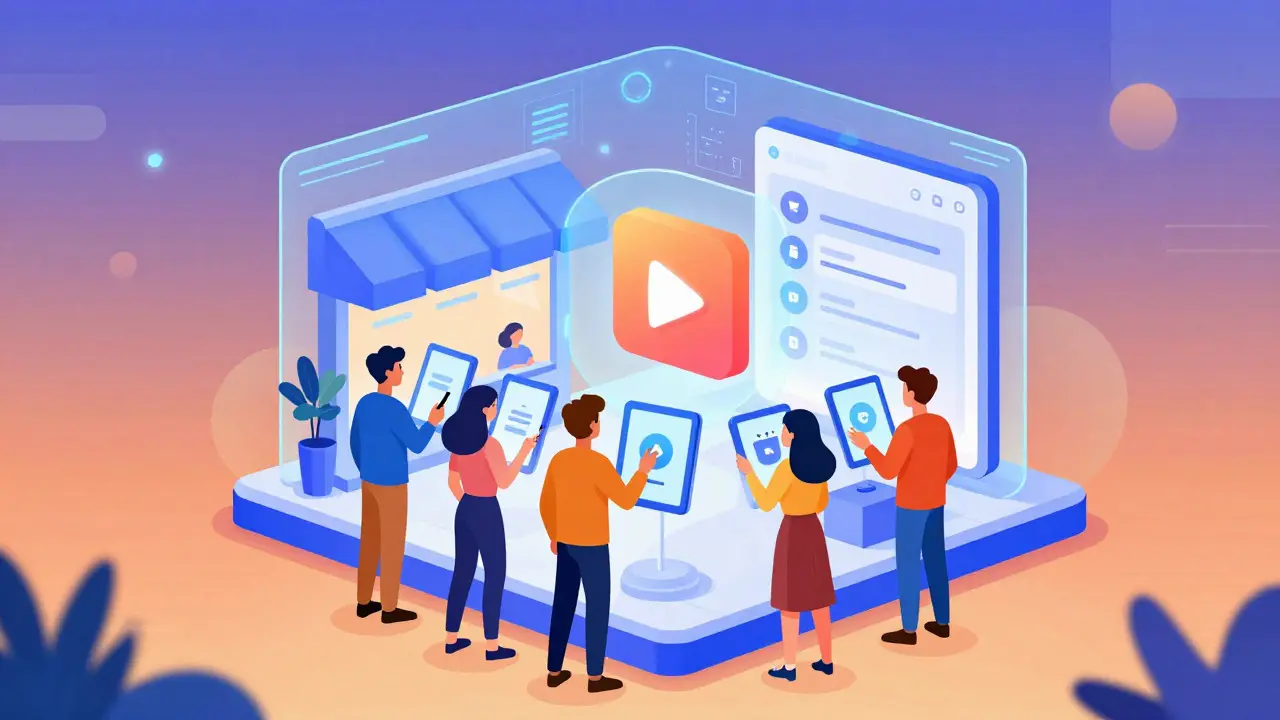
NFTify positioned itself as a bridge between traditional business owners and the blockchain world. Instead of forcing users to learn Solidity or manage complex smart contracts, the platform offered a "no-code" solution. You could build a store, mint items, and start trading without writing a single line of code. The N1 token served as the fuel for this ecosystem, and the airdrop was designed to distribute that fuel to early adopters.
Key Takeaways
- Status: The N1 by NFTify airdrop is closed. No new participants are being accepted.
- Total Pool: $12,300 in N1 tokens distributed across three distinct reward tiers.
- Network: Operated on the Binance Smart Chain (BSC), requiring a BSC-compatible wallet.
- Main Goal: Drive actual platform usage (store creation) rather than just social media noise.
- Lesson: Modern airdrops increasingly require product interaction, not just following accounts.
The Prize Structure: Who Got What?
Many airdrops use a simple "first come, first served" or pure lottery model. NFTify took a tiered approach that rewarded different levels of engagement. This structure tells you a lot about what the team valued most at the time of launch.
| Tier | Requirement | Reward Amount | Number of Winners |
|---|---|---|---|
| General Participation | Complete social tasks + submit wallet | $10 worth of N1 | 1,000 |
| Store Creator Bonus | Register store + list 1 NFT | From $2,000 pool | First 100 users |
| Buyer Bonus | Purchase an NFT on platform | From $300 pool | 10 random buyers |
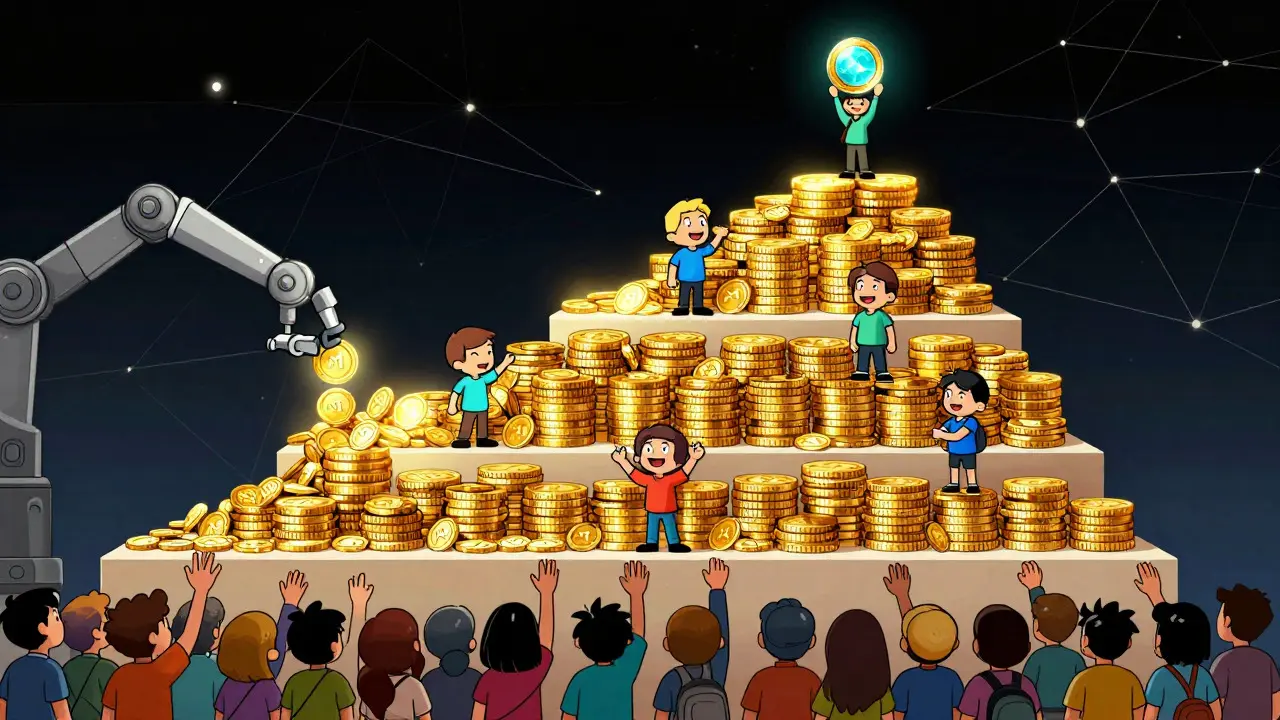
The largest chunk of the budget went to the 1,000 general participants. This ensured broad reach and social visibility. However, the real strategic move was the $2,000 reserved for the first 100 people who actually built something. By incentivizing store creation, NFTify guaranteed that they would have active content on their marketplace immediately after launch. The $300 buyer pool was smaller but critical; it encouraged liquidity by getting people to spend money, even if just a small amount.
How to Participate (The Process)
Even though the campaign is over, the steps involved are a template for many modern crypto promotions. If you encounter a similar opportunity, here is what the workflow looked like.
- Social Verification: Users had to follow @NFTify_official on Twitter and retweet a specific promotional post. This boosted the project's organic reach without paid ads.
- Community Join: Participants were required to join the official Telegram group and channel. This created a centralized hub for announcements and community building.
- Wallet Submission: Since the Binance Smart Chain was the underlying network, users submitted their BSC wallet addresses. This meant you needed a wallet like MetaMask configured for BSC, or a native BSC wallet.
- Gleam Entry: All data was collected via a Gleam page. Using third-party tools like Gleem helps verify task completion automatically, reducing manual work for the team and fraud risk for winners.
One detail often overlooked is the verification layer. Because the rewards were tied to on-chain actions (like listing an NFT), the team could verify eligibility directly through the blockchain, not just trust user self-reporting. This adds a layer of legitimacy that purely off-chain raffles lack.
Why NFTify Chose This Model
To understand the strategy, you have to look at what NFTify is trying to solve. The platform targets non-technical users. Think of local artists, small businesses, or collectors who want to enter the NFT space but fear the complexity of Ethereum gas fees or coding requirements.
By running this airdrop two months after launch, the team was celebrating a milestone. They wanted to prove that their "no-code" promise was real. The airdrop wasn't just about giving away free money; it was a stress test for their infrastructure. If 100 people created stores and 10 people bought NFTs, the platform had proven it could handle basic commercial activity.
This approach contrasts with typical Layer 1 or DeFi airdrops, which often focus on developer incentives or high-volume traders. NFTify’s model was consumer-focused. The barrier to entry was low: you didn’t need to be a programmer, just willing to click a few buttons and create a digital storefront.
The Role of the N1 Token
The N1 token serves as the native utility currency within the NFTify ecosystem. While detailed tokenomics documentation is sparse in public sources, its function is clear: it facilitates transactions and rewards within the platform.
For users who missed the airdrop, acquiring N1 isn't impossible. The token is listed on exchanges like Bitget. You can buy it directly using credit cards or swap from other cryptocurrencies. Bitget offers features like Learn2Earn and Assist2Earn, which allow users to earn tokens through educational content or referrals. This creates a secondary path for entry into the ecosystem, ensuring that the community isn't limited to those who caught the initial airdrop window.
However, keep in mind that airdropped tokens often face volatility. When 1,000 people receive free tokens simultaneously, there is a natural sell pressure as some recipients cash out. Understanding this dynamic is part of managing expectations for any airdrop participation.
Common Pitfalls to Avoid in Future Airdrops
Since the N1 campaign is closed, your best value from this information is learning how to navigate similar opportunities safely. Here are the red flags and best practices derived from this case study.
- Check the Network: Always confirm which blockchain the project uses. Submitting an Ethereum address for a BSC airdrop will result in lost funds or failed claims. Use a dedicated wallet for airdrops to isolate risk.
- Verify the Platform: Legitimate projects use trusted distribution tools like Gleam, AirDrop.io, or direct contract interactions. Be wary of sites asking for your private key or seed phrase.
- Read the Fine Print on Usage: Many modern airdrops require "active usage." As seen with NFTify, simply following on Twitter wasn't enough for the top-tier rewards. Check if you need to deploy a contract, make a purchase, or complete a specific task.
- Timing Matters: The NFTify airdrop closed quickly. Set alerts for new campaigns if you are actively hunting for these opportunities. Waiting too long usually means missing the allocation.
Another subtle point is the difference between "airdrop" and "reward program." Some projects label ongoing incentive programs as airdrops to attract attention. Clarify whether the event is one-time or recurring before investing time in social tasks.
FAQ
Is the N1 by NFTify airdrop still open?
No, the campaign has concluded. The official page displays a "too late" message, indicating that the distribution phase is complete and no new entries are being accepted.
Which wallet did I need for the NFTify airdrop?
You needed a wallet compatible with the Binance Smart Chain (BSC). Popular options include MetaMask (configured for BSC), Trust Wallet, or native BSC wallets. Standard Ethereum-only addresses would not have worked for the on-chain component.
What was the total prize pool for the N1 airdrop?
The total prize pool was $12,300 in N1 tokens. This was split into three tiers: $10,000 for general participants, $2,000 for store creators, and $300 for buyers.
Can I still get N1 tokens if I missed the airdrop?
Yes. The N1 token is available on cryptocurrency exchanges such as Bitget. You can purchase it directly with fiat currency or swap from other assets. There are also ongoing promotional ways to earn tokens through exchange-specific programs.
Why did NFTify require creating a store for extra rewards?
This requirement ensured genuine platform adoption. By rewarding users who listed NFTs, NFTify guaranteed that their marketplace would have active inventory and content shortly after the airdrop, rather than just having a large number of passive followers.