There is no simple list of crypto exchanges that are "banned" in Iran because the reality is far more complex. Instead of a single government decree listing prohibited platforms, Iranian users face a two-pronged wall: strict domestic regulations by the Central Bank of Iran and aggressive international blocking by global firms complying with US Treasury sanctions.
If you are trying to trade crypto from Iran, you aren't just avoiding a blacklist; you are navigating a minefield of frozen assets, API-controlled gateways, and sudden account suspensions. The landscape shifted dramatically in late 2024 and throughout 2025, turning what was once a relatively open mining hub into one of the most restricted crypto environments in the world.
The International Blockade: Why Global Exchanges Ban Iranian Users
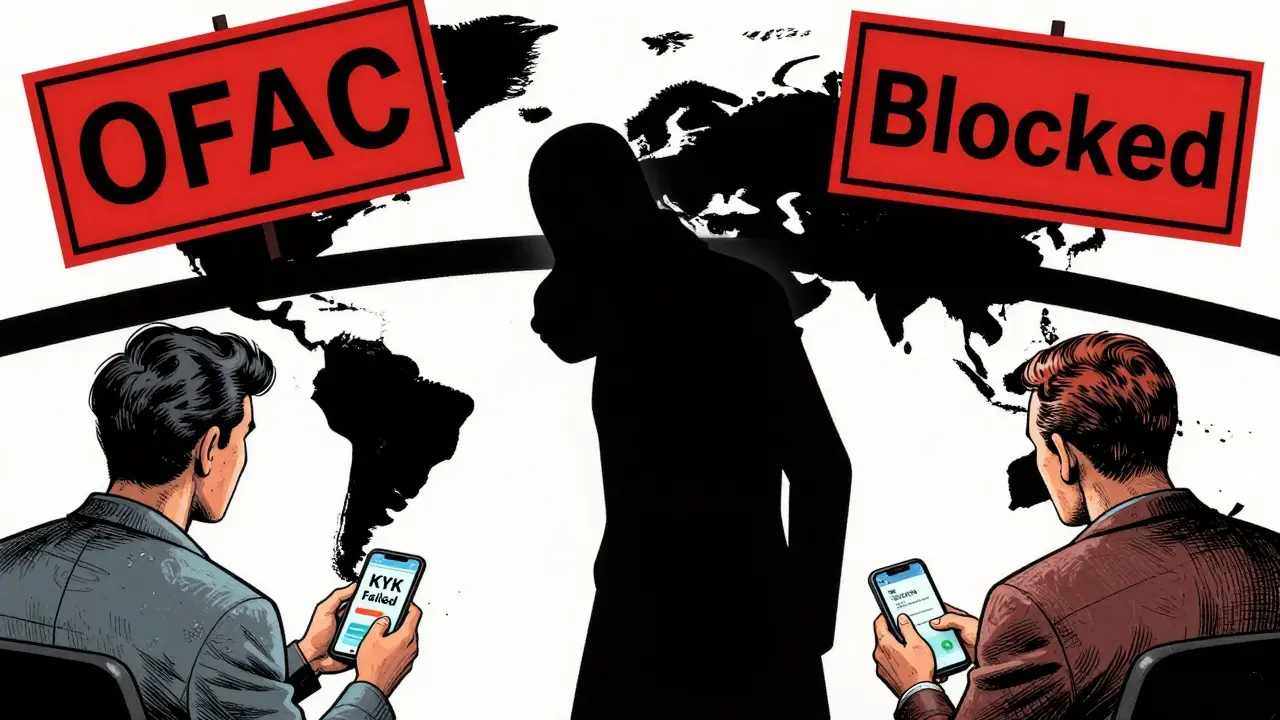
Most major international cryptocurrency exchanges do not operate in Iran. This isn't always because they explicitly hate Iranian customers; it's because they fear the wrath of the Office of Foreign Assets Control (OFAC). When OFAC designates an entity or individual as sanctioned, any financial institution or service provider interacting with them risks losing access to the US banking system entirely.
This creates a chilling effect. Platforms like Binance, Coinbase, and Kraken enforce strict Know Your Customer (KYC) rules. If your IP address, bank details, or identity documents point to Iran, your account is likely to be flagged and suspended immediately. You might be able to create an account using a foreign VPN, but the moment you try to deposit fiat currency or withdraw funds, the compliance algorithms will likely catch you.
The stakes are incredibly high. In 2024, OFAC issued 13 new designations targeting cryptocurrency addresses, marking the second-highest volume of such actions in seven years. By the end of that year, sanctioned jurisdictions accounted for a record 60% of all sanctions-related activity by value. For an exchange, even a small slip-up can mean millions in fines. So, they err on the side of caution and block anyone who looks remotely connected to Tehran.
Tether’s Aggressive Freeze: The Stablecoin Trap
Perhaps the biggest shock for Iranian traders came from Tether, the issuer of USDT (Tether). While USDT is often seen as a safe haven for those fleeing volatile local currencies, it has become a primary tool for enforcement against Iranian users.
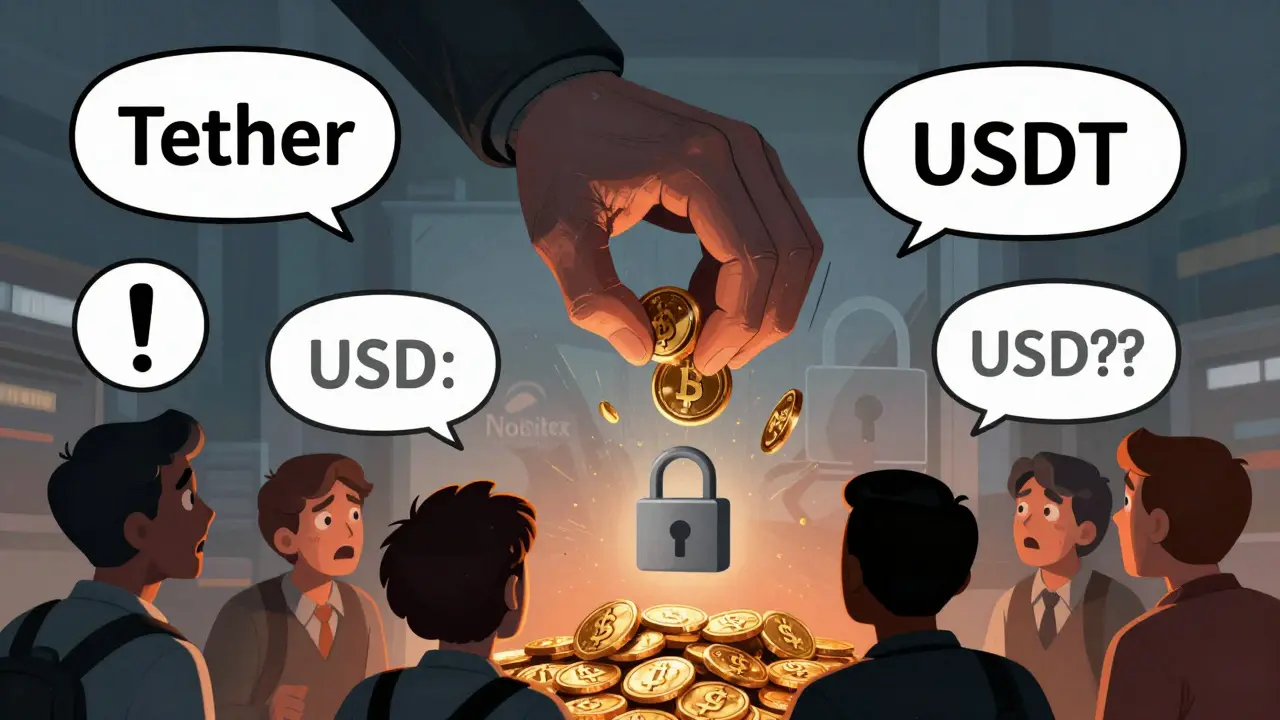
On July 2, 2025, Tether executed its largest-ever freeze of Iranian-linked funds. They targeted 42 specific cryptocurrency addresses, many of which had substantial exposure to Nobitex, Iran's largest domestic exchange. These wallets weren't random; they showed transactional flows to addresses previously flagged by the Israeli National Bureau for Counter Terrorist Financing as being affiliated with the Islamic Revolutionary Guard Corps (IRGC).
This wasn't a one-off event. According to Tasnim News Agency, thousands of accounts belonging to Iranian users have been blocked by Tether based on their internal data. On September 28, 2025, the agency warned that Tether could put domestic investors' capital at risk through intensified restrictions. For Iranian traders, holding USDT became dangerous. The message was clear: if Tether suspects your coins are linked to sanctioned entities or Iranian infrastructure, they can freeze them instantly.
This forced a rapid shift in behavior. Following the July freezes, domestic exchanges and crypto influencers urged users to offload USDT holdings. Many swapped into DAI via the Polygon network, seeking a decentralized alternative that Tether couldn't easily touch. It was a classic case of users adapting to enforcement measures by moving to less centralized rails.
Domestic Restrictions: The Central Bank’s Tight Grip
While international platforms block Iranians, the Iranian government has also tightened its own screws. Historically, Iran tolerated crypto mining because it helped offset energy subsidies and generated hard currency. In 2018, President Hassan Rouhani’s administration even declared intentions to launch a national cryptocurrency backed by the rial. By December 2020, Iranians were trading between $16 and $20 million in cryptocurrencies daily.
That era ended abruptly. On December 27, 2024, the Central Bank of Iran implemented sweeping restrictions, effectively blocking all Iranian cryptocurrency-to-rial payments through internet websites within the country. This was a fundamental shift from tolerance to active restriction.
However, the ban wasn't total. By January 2025, the central bank began selectively unblocking certain trader exchanges. But there was a catch: only those operating with the government's own API system were allowed back online. This API provides full access to user data, meaning the government maintains complete oversight over every trade. If you want to trade legally inside Iran, you must use a platform that hands over your data to the state.
In February 2025, the regime took it a step further by banning all cryptocurrency advertising, both online and offline. This unprecedented move aimed to limit adoption through information control, making it harder for new users to learn about crypto and existing users to discuss strategies openly.
The Nobitex Dilemma: Local Giants Under Scrutiny
Nobitex stands as the most prominent example of the tension between domestic utility and international pressure. As Iran's largest exchange, it serves hundreds of thousands of users. However, its connections to the frozen addresses identified by Tether in July 2025 put it under intense scrutiny.
While the ultimate ownership of the targeted addresses remains unconfirmed, their links to Nobitex and IRGC-affiliated accounts are well-established. This creates a paradoxical situation for legitimate Iranian users. They rely on Nobitex for liquidity and ease of use, but the exchange itself is tainted by association with sanctioned actors. Every time Tether freezes funds linked to Nobitex, it casts a shadow over the entire platform, making other international partners wary of doing business with it.
The disruption patterns in 2024 showed significant usage surges followed by increased outflows on domestic exchanges, suggesting capital flight behavior. Residents of sanctioned jurisdictions increasingly turn to cryptocurrency as an alternative financial system, but when the primary gateway (like Nobitex) comes under fire, the whole ecosystem trembles.
New Laws: Taxation and Stablecoin Limits
The Iranian government isn't just blocking access; it's trying to monetize and control what remains. On August 2025, the Law on Taxation of Speculation and Profiteering was enacted. This law imposed a capital gains tax on cryptocurrency trading for the first time, positioning crypto alongside gold, real estate, and forex.
Additionally, on September 27, 2025, just hours before the reinstatement of UN sanctions, Deputy Governor Asghar Abolhasani announced strict limits on stablecoins. Individuals and legal entities are now capped at purchasing $5,000 worth of stablecoins annually and can hold no more than $10,000 in their balance. These limitations effectively constrain Iranian participation in global crypto markets, forcing larger traders to find creative, and often risky, workarounds.
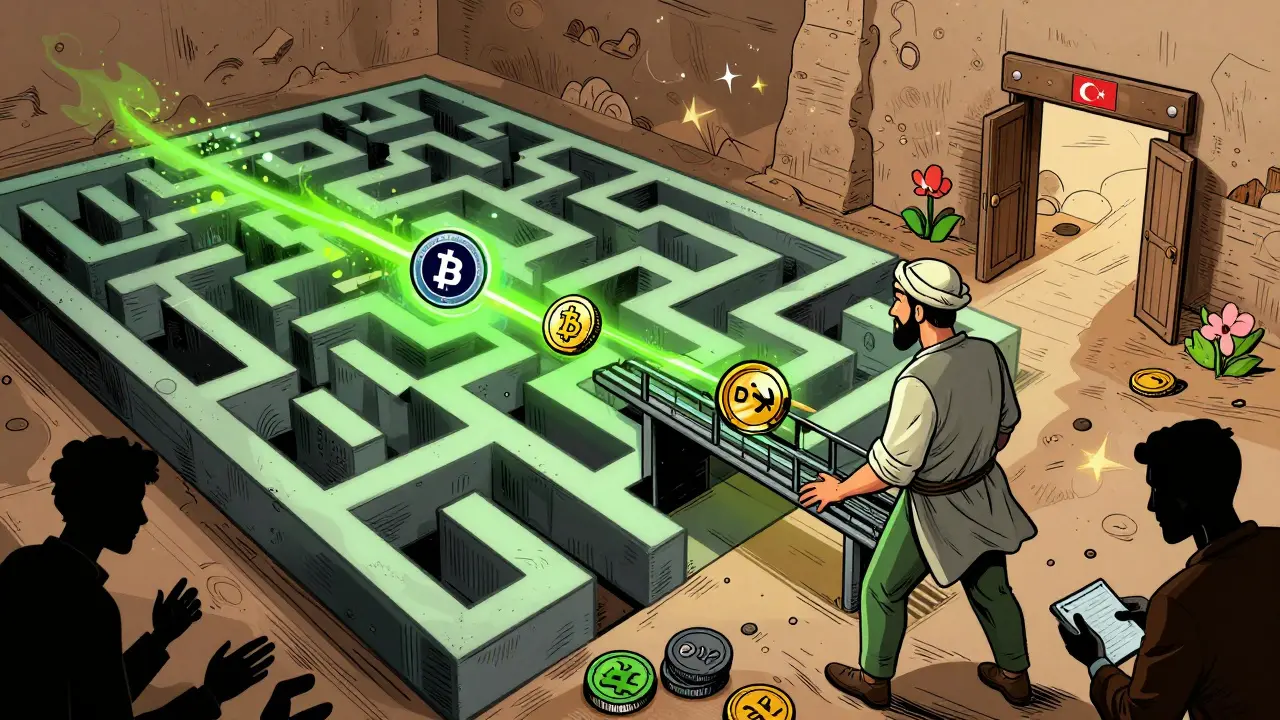
Workarounds: Turkey and Decentralized Options
Faced with these restrictions, many Iranian users look abroad. Turkey has emerged as a key haven. With its large, dollarized crypto economy and flexible residency channels, Turkey serves as both a safe haven and a gateway back into the financial system. Western governments have identified Turkish companies and intermediaries as central players in Iran's sanctions evasion schemes, including cryptocurrency transactions.
For those staying inside Iran, the focus has shifted toward decentralized finance (DeFi) and privacy-focused solutions. Swapping USDT for DAI on Polygon, using non-custodial wallets, and engaging in peer-to-peer (P2P) trades without KYC are common strategies. However, these methods come with higher technical barriers and security risks. One wrong click on a phishing site or a bad P2P counterparty can result in total loss, with no recourse to customer support.
| Method | Risk Level | Accessibility | Key Constraint |
|---|---|---|---|
| International Exchanges (e.g., Binance) | High | Low (Blocked) | OFAC Compliance/KYC |
| Domestic Exchanges (e.g., Nobitex) | Medium | High | Government API Oversight |
| Tether (USDT) | Very High | Medium | Freeze Risk by Issuer |
| Decentralized Tokens (e.g., DAI) | Low (Technical Risk) | Medium | No Customer Support |
| P2P Trading | High (Scam Risk) | High | Trust Issues |
Conclusion: A Fragmented Ecosystem
The question of which crypto exchanges are banned in Iran doesn't have a simple answer because the bans are dynamic and multi-layered. Internationally, almost all major centralized exchanges are off-limits due to US sanctions. Domestically, the Central Bank allows trading only through monitored APIs, while simultaneously restricting stablecoin holdings and imposing taxes.
Iranian users are left in a fragmented ecosystem. They must navigate the threat of Tether freezing their assets, the surveillance of domestic exchanges, and the lack of access to global liquidity. The rise of alternatives like DAI and the migration of some users to neighboring countries like Turkey highlight the resilience of crypto demand, even in heavily restricted environments. But for the average person, the path is fraught with legal, financial, and technical dangers.
Is Bitcoin banned in Iran?
Bitcoin itself is not explicitly banned as a technology, but its use for payments and trading is heavily restricted. The Central Bank of Iran blocks direct crypto-to-rial payments through most websites, and mining is regulated. However, owning Bitcoin in a private wallet is not illegal, though converting it to fiat currency domestically is difficult without going through government-monitored channels.
Why did Tether freeze Iranian accounts?
Tether froze accounts to comply with US Treasury sanctions administered by OFAC. They identified addresses linked to the Islamic Revolutionary Guard Corps (IRGC) and major Iranian exchanges like Nobitex. By freezing these funds, Tether avoids penalties and maintains its status as a compliant financial instrument in Western markets.
Can I use Binance if I live in Iran?
No. Binance, like most major international exchanges, prohibits users from Iran due to US sanctions. Attempting to bypass this with a VPN is risky. If Binance detects your location or identity during KYC verification, they will suspend your account and potentially freeze your funds indefinitely.
What is the current limit on stablecoins in Iran?
As of September 2025, the Central Bank of Iran limits individuals and legal entities to purchasing a maximum of $5,000 worth of stablecoins annually. Additionally, users are only allowed to hold up to $10,000 worth of stablecoins in their balance at any given time.
Are there any safe crypto exchanges for Iranians?
"Safe" is relative. Domestic exchanges like Nobitex are accessible but subject to government surveillance and potential international pressure. International exchanges are largely inaccessible. Many users turn to decentralized options like swapping to DAI on Polygon or using non-custodial wallets to avoid centralized points of failure, though this requires technical expertise.