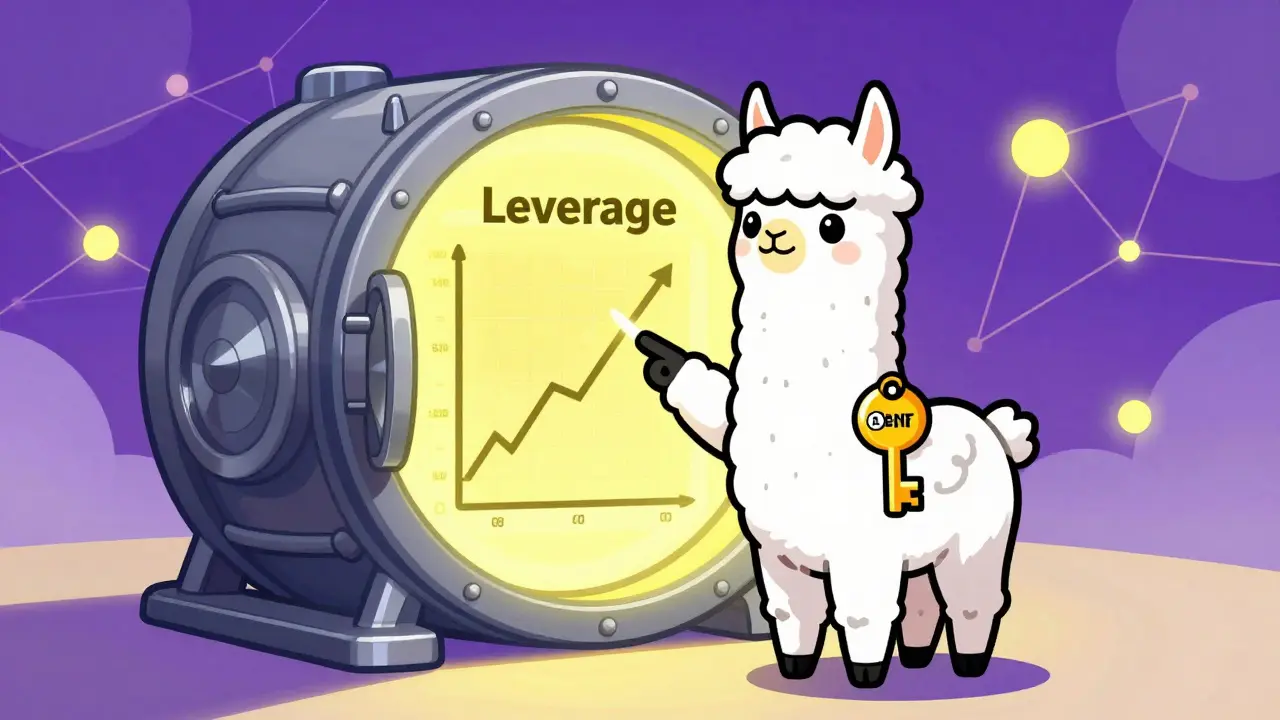
Imagine you have $100 in crypto. You want to earn interest on it, but the rates are low. Now imagine you could borrow more money against that $100 to invest in a higher-yield farm, effectively multiplying your earnings without selling your original asset. That is the core promise of Alpaca Finance, a decentralized finance (DeFi) protocol that pioneered leveraged yield farming on the BNB Chain. Launched as a fair-launch project with no pre-sale or investor allocations, Alpaca Finance aims to solve capital inefficiency in DeFi. But does it actually work for everyday users, or is it a high-risk trap?
This guide breaks down exactly what Alpaca Finance is, how its native ALPACA token functions, and whether this platform fits into your investment strategy in 2026.
How Alpaca Finance Works: The Mechanics of Leverage
At its heart, Alpaca Finance is a lending protocol. However, unlike traditional banks where you simply deposit money to earn interest, Alpaca allows you to take on debt to boost your returns. This process is called leveraged yield farming.
- Deposit Collateral: You deposit an asset, such as BNB or USDT, into the protocol.
- Borrow Assets: You borrow other assets against your collateral. Alpaca allows leverage up to 7x. This means if you have $100, you can potentially control $700 worth of assets.
- Auto-Compound: Instead of manually claiming rewards and reinvesting them, Alpaca’s bots automatically stake your liquidity provider (LP) tokens and compound the rewards. This maximizes your Annual Percentage Yield (APY).
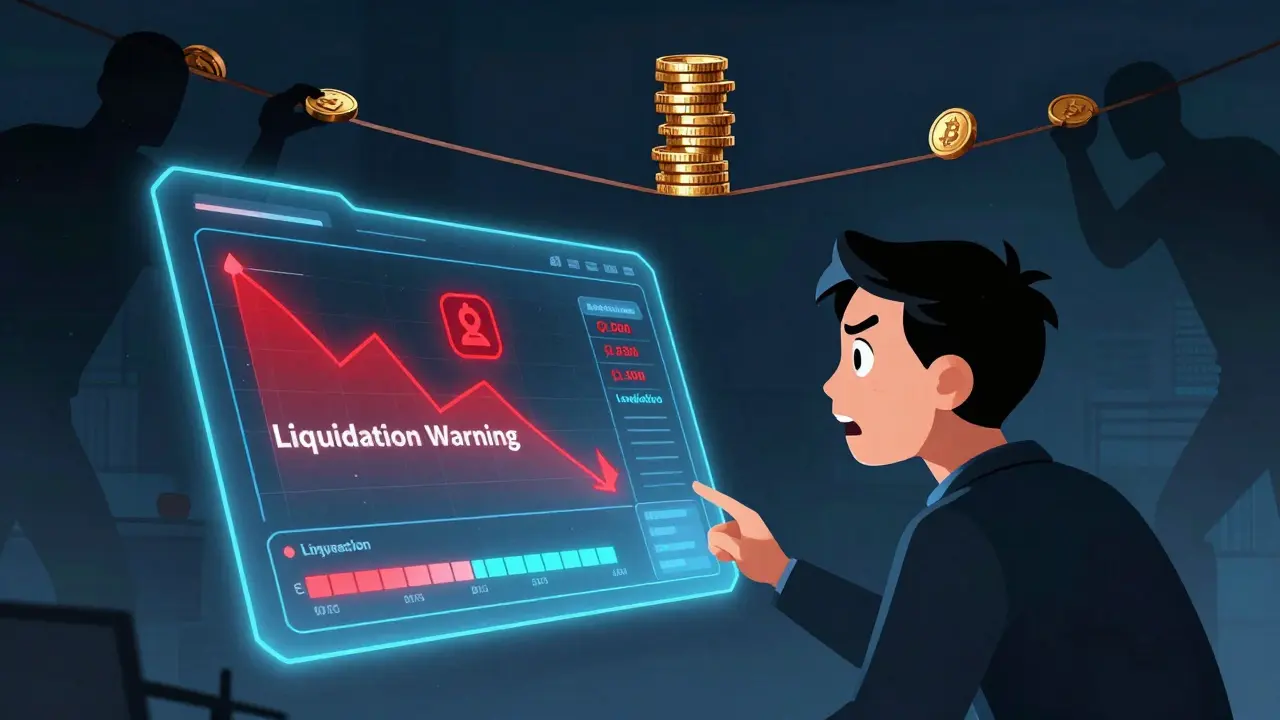
- Manage Risk: You must monitor your "health factor." If the value of your borrowed assets rises too much compared to your collateral, your position gets liquidated.
The beauty of this system is automation. In early DeFi days, users had to manually harvest rewards every few hours. Alpaca handles this continuously, ensuring you don’t miss out on compounding gains. However, this convenience comes with a significant caveat: complexity. Managing a leveraged position requires understanding market volatility. If the market dips sharply, your health factor drops, triggering liquidation.
The ALPACA Token: Utility and Governance
Every major DeFi protocol has a native token, and Alpaca Finance uses ALPACA. This token serves two primary purposes within the ecosystem:
- Governance: Holders of ALPACA can vote on proposals that shape the future of the protocol. This includes decisions on which new assets to add, fee structures, and parameter adjustments.
- Utility and Value Accrual: A portion of the fees generated by the protocol is used to buy back and burn ALPACA tokens. This deflationary mechanism is designed to reduce supply over time, potentially increasing scarcity.
Specifically, 5% of all liquidation fees processed by Alpaca’s internal bots and 10% of the borrowing interest fees contribute to these buybacks. With a maximum supply of 188 million tokens and approximately 151.66 million currently circulating, the tokenomics are structured to reward long-term holders while incentivizing active participation in the protocol.
| Metric | Value / Detail |
|---|---|
| Blockchain | BNB Chain (formerly Binance Smart Chain) |
| Max Supply | 188,000,000 ALPACA |
| Circulating Supply | ~151.66 Million ALPACA |
| Max Leverage | Up to 7x |
| Launch Type | Fair Launch (No Pre-sale) |
| Primary Function | Leveraged Yield Farming & Lending |
Risks and Realities: Is It Safe?
No discussion of DeFi is complete without addressing risk. Alpaca Finance is not a savings account; it is a sophisticated financial instrument. Here are the critical risks you need to understand before connecting your wallet.
1. Liquidation Risk
This is the biggest danger. When you use leverage, you amplify both gains and losses. If the price of your underlying asset drops significantly, your collateral may become insufficient to cover the loan. The protocol will then liquidate your position-selling your assets to repay the debt. Users often report losing their entire principal during sudden market crashes because they failed to monitor their health factors closely enough.
2. Smart Contract Vulnerabilities
Like any DeFi protocol, Alpaca relies on code. While the team has undergone audits, bugs can still exist. A successful hack could drain funds from the protocol. Always remember that in DeFi, you are responsible for your own security.
3. Market Volatility
Yield farming rewards fluctuate based on trading volume and liquidity pool depths. High APYs seen today might disappear tomorrow if traders move their funds elsewhere. Don’t chase historical yields without checking current conditions.
4. Regulatory Uncertainty
As governments worldwide tighten regulations on crypto, protocols offering leveraged products face scrutiny. Alpaca’s reliance on BNB Chain also ties its fate to Binance’s regulatory standing. Any adverse action against Binance could impact confidence in BNB Chain-based projects like Alpaca.
Alpaca Finance vs. Competitors
Why choose Alpaca over other lending protocols? Let’s compare it with some key players in the BNB Chain ecosystem.
| Feature | Alpaca Finance | Venus Protocol | PancakeSwap Lending |
|---|---|---|---|
| Max Leverage | 7x | Up to 10x | Variable/Lower |
| Auto-Compounding | Yes (Built-in) | No (Manual/Third-party) | Partial |
| User Experience | Intermediate (Complex UI) | Beginner Friendly | Beginner Friendly |
| Primary Focus | Leveraged Yield Farming | General Lending/Borrowing | DEX Liquidity |
| Total Value Locked (TVL) | Lower (~$45M) | Higher | High |
Alpaca stands out for its specialized focus on automated, leveraged farming. If you want simplicity and lower risk, Venus or PancakeSwap might be better. But if you are an experienced user looking to maximize yields through leverage and auto-compounding, Alpaca offers unique tools that generalist protocols lack.

Getting Started: A Practical Checklist
If you decide to try Alpaca Finance, follow these steps to minimize errors and protect your capital.
- Set Up a Web3 Wallet: Install MetaMask or Trust Wallet. Ensure you have BNB in your wallet to pay for gas fees on the BNB Chain.
- Connect to Alpaca: Visit the official Alpaca Finance website. Double-check the URL to avoid phishing sites. Connect your wallet securely.
- Start Small: Do not put all your eggs in one basket. Begin with a small amount of capital to understand the interface and mechanics.
- Choose Low Leverage Initially: Start with 2x or 3x leverage rather than jumping straight to 7x. Higher leverage increases the chance of liquidation during minor price swings.
- Monitor Health Factors: Regularly check your position’s health factor. Set up alerts if possible. Aim to keep your health factor well above the liquidation threshold.
- Understand Fees: Be aware of borrowing interest rates and liquidation penalties. These costs eat into your profits.
Future Outlook: What’s Next for Alpaca?
Alpaca Finance continues to evolve. Recent developments include the V2 upgrade, which improved liquidation mechanics and reduced slippage. The roadmap also hints at multi-chain expansion, potentially bringing Alpaca’s services to networks like Polygon and Avalanche. Additionally, plans for NFT integration for governance privileges suggest a move toward more exclusive community features.
However, challenges remain. The protocol faces competition from newer, more agile platforms. Its total value locked (TVL) has declined in recent years, reflecting broader trends in the DeFi space where users seek safer, more regulated options. For Alpaca to regain momentum, it needs to demonstrate consistent security, competitive yields, and perhaps broader accessibility for less experienced users.
Is Alpaca Finance safe to use?
Alpaca Finance is built on audited smart contracts, but no DeFi platform is 100% risk-free. The main risks are liquidation due to market volatility and potential smart contract bugs. Always do your own research and never invest more than you can afford to lose.
What is the best way to earn with ALPACA token?
You can earn by holding ALPACA for potential buyback-and-burn benefits, participating in governance, or using the token to access premium features within the protocol. Some users also provide liquidity for ALPACA pairs on DEXs, though this carries impermanent loss risk.
Can I use Alpaca Finance on Ethereum?
Currently, Alpaca Finance operates primarily on the BNB Chain. While there are plans for multi-chain expansion, as of 2026, it does not natively support Ethereum Mainnet. You would need to bridge assets to BNB Chain to use the protocol.
What happens if my position gets liquidated?
If your health factor falls below a certain threshold, the protocol will automatically sell your collateral to repay your borrowed debt. You may lose part or all of your initial deposit, plus pay a liquidation penalty fee. This is why monitoring your positions is crucial.
How does Alpaca Finance make money?
Alpaca generates revenue from borrowing interest fees paid by users who take out loans and liquidation fees charged when positions are closed forcibly. A portion of these fees is used to buy back and burn ALPACA tokens, benefiting holders.