The Red Flags of BitFriends Exchange
If you've been invited to use BitFriends Exchange through a social media DM or a dating app, you're likely dealing with a deceptive operation. A legitimate Cryptocurrency Exchange is a digital marketplace where traders buy and sell crypto assets, and these platforms spend millions on marketing and regulatory compliance to build trust. BitFriends, however, doesn't appear in the databases of major tracking sites or regulatory registries.
One of the biggest warning signs is the lack of transparency. Legitimate platforms like Coinbase or Kraken clearly list their team, their physical headquarters, and their legal terms of service. If BitFriends only offers a generic "Contact Us" form and promises guaranteed high returns, it's not an exchange-it's a trap. In the real market, no one can guarantee profits because volatility is the only constant.
How Fake Exchanges Steal Your Funds
Fake platforms often use a strategy known as the "pig butchering" scam. They "fatten up" the victim by showing fake profits on a polished dashboard. You might see your balance climbing from $1,000 to $10,000 in a week. The psychological hook is the feeling of winning, which encourages you to deposit even more money.
The trap snaps shut when you try to withdraw your funds. Suddenly, the platform tells you that your account is frozen for "tax purposes" or "anti-money laundering checks." They will ask you to pay a 20% "withdrawal fee" or "tax" upfront to release your money. Here is the golden rule: Legitimate Exchanges deduct fees from your existing balance; they never ask for a separate payment to unlock your funds. Once you pay that tax, the scammers disappear, and your original deposit is gone.
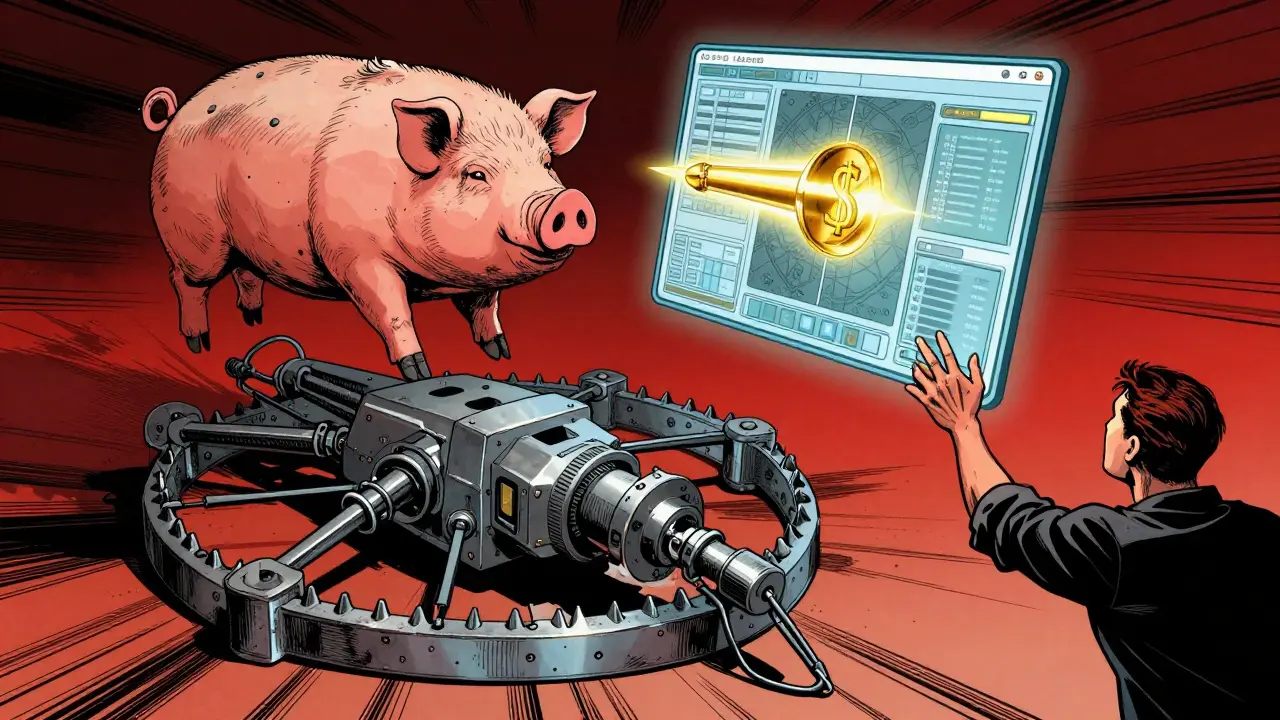
Comparing BitFriends to Reputable Platforms
To understand why BitFriends is suspicious, look at how it stacks up against the industry giants. Real exchanges focus on liquidity, security, and regulatory adherence, while fake ones focus on "exclusive deals" and "guaranteed growth."
| Feature | BitFriends Exchange | Industry Leaders (e.g., Binance, Bitstamp) |
|---|---|---|
| Regulatory Status | Unknown/None | Licensed in multiple jurisdictions |
| Withdrawal Process | Requires "Tax" payments | Instant or scheduled via KYC |
| Public Reputation | No verifiable history | Operating since 2011-2013 |
| Profit Promises | Guaranteed high returns | Market-driven (no guarantees) |
Essential Security Checklist for New Exchanges
Before you send a single Satoshi to a new platform, run through this checklist. If the answer to any of these is "No," keep your money in your wallet.
- Proof of Reserves: Does the exchange provide a cryptographic proof that they actually hold the assets they claim to have?
- KYC (Know Your Customer): Does the platform have a rigorous identity verification process? While annoying, a complete lack of KYC is often a sign of a scam site.
- Domain Age: Check the domain registration date. If the "established" exchange was actually created 3 months ago, run away.
- Cold Storage: Do they explicitly state that the majority of user funds are kept in Cold Storage (offline wallets) to prevent hacking?
Safe Alternatives for Trading
If you are looking for a place to trade, stick to the "Big Three" or platforms with a decade of history. For those who want maximum security, Bitstamp has been operating since 2011 and is known for its conservative, regulated approach. If you need the widest variety of coins and a powerful API for automated trading, Binance is the global leader in volume.
For users in the US, Coinbase provides the easiest onboarding experience, though their fees are higher than average. The key is to use platforms that are audited by third-party firms and have a clear, public record of how they handle user assets.
Is BitFriends Exchange a scam?
While there is no official regulatory verdict, the lack of transparent ownership, the absence of industry reputation, and the typical patterns of "guaranteed returns" strongly suggest it is a fraudulent operation. Never deposit funds into a platform that doesn't have a verifiable track record.
What should I do if I already deposited money into BitFriends?
Stop depositing money immediately. Do not pay any "taxes" or "withdrawal fees" to get your money back; this is a secondary scam to steal more from you. Document all your transactions and report the incident to your local cybercrime authorities and the FTC.
How can I tell if a crypto exchange is legitimate?
Look for regulatory licenses (like FinCEN in the US), check the company's history on trusted review sites, and verify if they have a physical office. Legitimate exchanges also have a clear fee schedule and do not promise specific returns on investment.
Why do fake exchanges look so professional?
Scammers use "white-label" software or cloned templates of real exchanges to create a believable interface. They can easily manipulate the numbers on your screen to show fake profits, which is why you should never trust the dashboard alone.
Are there any truly "risk-free" crypto exchanges?
No exchange is 100% risk-free. Even major platforms can face hacks or regulatory shutdowns. The safest way to hold crypto is using a non-custodial hardware wallet where you own the private keys.


Shantal Sanjur
April 16, 2026 AT 03:31Oh sure, let's just trust the "Big Three" because they're definitely not just another layer of the same globalist control system. I bet the people who "warn" us about these tiny scams are the same ones keeping the real keys in a vault somewhere while we fight over crumbs. It's all a giant game of musical chairs and we're just the suckers paying for the music. Honestly, whether it's a fake exchange or a corporate giant, you're just swapping one set of masters for another. But hey, keep following the "checklist" and feel safe in your little bubble of corporate security while the real money moves in the shadows where we aren't allowed to look. It's just so precious that people think a KYC check actually protects them from anything other than their own privacy.
John and Lauren Busch
April 17, 2026 AT 22:26Imagine actually falling for a DM from a stranger on a dating app. Truly a peak human experience.
Shannon Kelly Smith
April 18, 2026 AT 14:09This is such a vital reminder for everyone getting into the space! 🚀 The pig butchering scam is absolutely devastating and it's heartbreaking to see people lose their life savings. Always remember that if it sounds too good to be true, it almost always is! 🚩 Stick to the hardware wallets and keep your keys safe. Education is the best defense we have against these predators! 🛡️✨
nikki krinkin
April 20, 2026 AT 11:53It's really sad how these scammers target people who are just looking for a better life or a way to support their families. The psychological manipulation is the worst part because it makes the victim feel like they're winning right until the moment they lose everything. I hope anyone who got caught in this finds a way to recover or at least gets some closure.
Joshua Salwen
April 21, 2026 AT 09:21LMAOOO the sheer audasity of these scammers thinking they can just launder money and call it a "tax" is actually hilarious!! I mean, like, who do they think they are?? The government?? It's just so dramatically stupid that some people actually pay the withdrawal fee and then get scammed AGAIN. My god, the level of gullibilty in the world is literally off the charts right now, it's almost a work of art at this point!! Just utterly absulute madness!!
Mike Kempenich
April 22, 2026 AT 17:05I appreciate the heads up. It's easy to get caught up in the hype when you see those numbers climbing, but staying grounded is the only way to survive in crypto. We can all learn from these mistakes and get stronger as a community. Just keep doing your own research and stay positive!
Saurav Bhattarai
April 23, 2026 AT 16:41Typical Western fear-mongering. You people are so terrified of a few scams that you forget how the rest of the world actually operates. I find it quaint that you need a "checklist" to tell you when you're being robbed. Some of us have the intellect to spot a fraud without a table comparing it to Binance. Please, spare us the condescension of your "safe alternatives." It's just corporate propaganda for the masses.
Gillian Kent
April 23, 2026 AT 22:32Tahnks for the warnning. I almost signed up for somethign similar last month and I'm glad I didnt. Its scary how real these sites look nowdays. Just be careful everyon and dont trust anyon who dms you out of nowhere.
Chintu Parikh
April 25, 2026 AT 09:55I must express my utmost gratitude for this comprehensive analysis. It is of paramount importance that we maintain a high standard of vigilance when navigating these digital financial waters. I concur entirely with the assertions made regarding the absence of regulatory oversight being a definitive indicator of fraudulent activity. Let us all strive to encourage a culture of security and meticulous verification to protect our collective assets from such unscrupulous entities. It is truly heartening to see such a detailed guide available for the public benefit.