Is Bybit actually safe to use in 2026? If you’ve been watching the crypto space, you know that trust is a currency all its own. With daily trading volumes hitting $28.75 billion and support for over 1,453 cryptocurrencies, Bybit isn’t just another platform-it’s a heavyweight contender against giants like Binance and Coinbase. But high volume doesn’t always mean high quality. You need to know if the interface works for your skill level, if the fees eat into your profits, and whether your funds are truly secure.
This review cuts through the marketing hype. We’ll look at the real numbers, the security history (including how they handled a major hack), and who this exchange is actually built for. Whether you’re a beginner looking to buy Bitcoin or a pro chasing leverage on perpetual futures, here’s what you need to know before you deposit a single dollar.
Is Bybit safe for beginners?
Yes, but with caveats. Bybit has robust security measures including Proof-of-Reserves. However, the interface can be complex due to advanced trading tools. Beginners should start with the demo trading environment to practice without risking real money.
The Core Platform: What Is Bybit?
Founded in 2018 and headquartered in the United Arab Emirates, Bybit is a leading cryptocurrency exchange specializing in spot and derivatives trading. Unlike some competitors that started as simple buying-and-selling platforms, Bybit was built from the ground up for traders who want more than just holding assets. It supports everything from basic spot trading-where you buy and sell coins directly-to complex derivatives like perpetual contracts and options.
As of 2026, the platform lists over 1,453 cryptocurrencies. This includes major staples like Bitcoin (BTC) and Ethereum (ETH), but also hundreds of altcoins and emerging tokens. One thing that sets Bybit apart is its speed in listing new projects. While other exchanges might take months to vet a new token, Bybit often adds them quickly, creating immediate market opportunities for early adopters. This agility makes it a favorite for those who want exposure to new trends before they hit mainstream platforms.
The platform operates under a hybrid regulatory model. It holds licenses in specific jurisdictions, including Austria’s MiCAR framework, Kazakhstan’s AIFC digital asset regulations, and Cyprus’s crypto exchange licensing regime. This gives users in these regions added legal protection. However, it remains unregulated in many other parts of the world, which offers operational flexibility but means fewer consumer protections for users outside those licensed areas. Notably, US-based users face significant restrictions and generally cannot access the full suite of services.
Fees and Costs: Where Your Money Goes
Let’s talk about the bottom line. In crypto trading, fees can silently drain your portfolio over time. Bybit’s fee structure is designed to be competitive, often undercutting larger rivals like Coinbase.
For most traders, the key metrics are maker and taker fees. Makers provide liquidity by placing limit orders that sit on the order book, while takers remove liquidity by executing market orders immediately. Bybit typically charges lower fees for makers, rewarding patients traders who wait for their desired price. For high-volume traders, these fees drop even further based on your 30-day trading volume and holdings of the native BY token.
Deposits and withdrawals tell another part of the story. The minimum deposit requirement is incredibly low at just $2, making it accessible for anyone wanting to test the waters. However, not all deposit methods are free. SEPA transfers (common in Europe) incur a small fee of around 0.19%. Credit card purchases usually carry higher processing fees. Withdrawal fees vary by blockchain network; withdrawing Bitcoin via the mainnet costs more in fees than using the Lightning Network, for example. Always check the current withdrawal schedule before moving large amounts off-platform.
| Transaction Type | Standard Fee | Notes |
|---|---|---|
| Spot Trading (Maker) | Low (Volume dependent) | Rewards providing liquidity |
| Spot Trading (Taker) | Low (Volume dependent) | Slightly higher than maker |
| SEPA Deposit | ~0.19% | Varies by bank/provider |
| Crypto Withdrawal | Network Dependent | Based on blockchain congestion |

Security: Proof-of-Reserves and Past Hacks
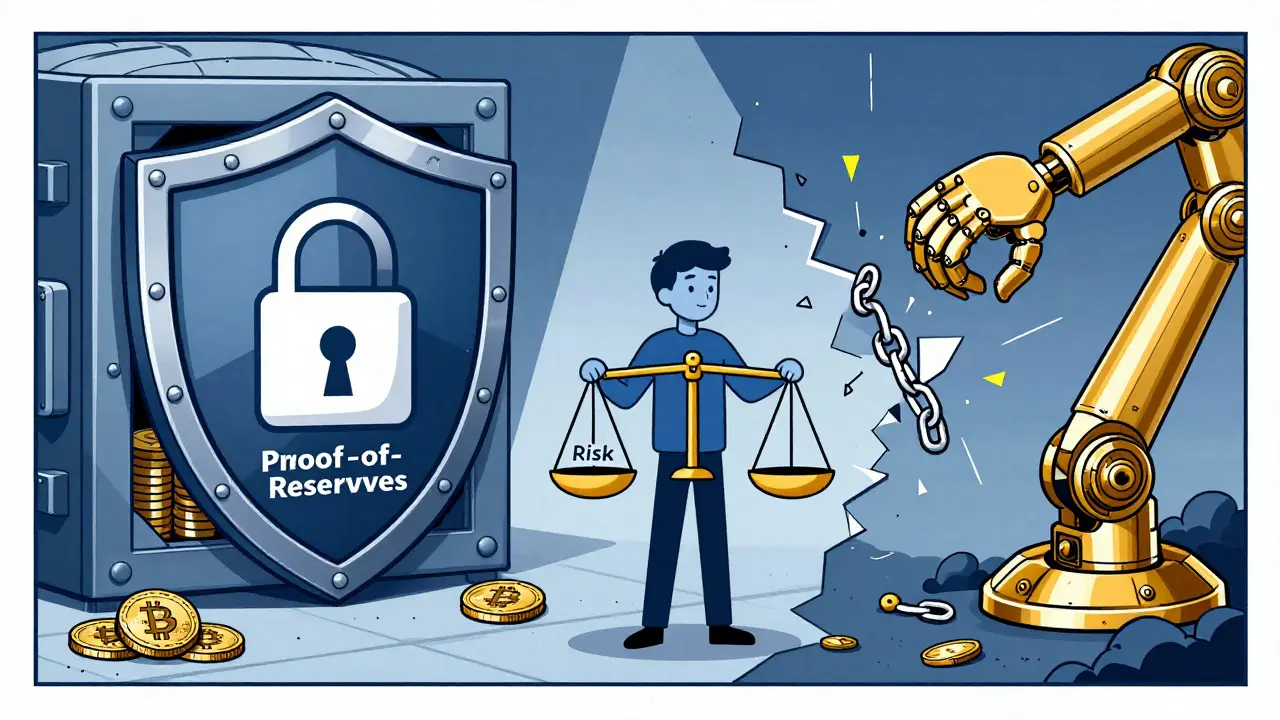
Security is the non-negotiable pillar of any exchange review. You wouldn’t keep cash in a house with no locks, so why put crypto on an insecure platform? Bybit addresses this with a public Proof-of-Reserves (PoR) system. Using Merkle Trees, they allow users to verify that the exchange holds enough assets to cover all user liabilities. This transparency builds trust, although it’s worth noting these reports are self-generated and not independently audited by third-party firms like traditional banks undergo.
The true test of security, however, is how a company handles disaster. Bybit faced one of the largest hacks in cryptocurrency history. Despite the severity of the breach, the platform recovered all stolen user funds within 72 hours. They did this by tapping into their insurance fund and operational reserves, ensuring that individual traders didn’t lose a cent. This incident demonstrated remarkable operational resilience. Since then, Bybit has maintained a 1:1 customer asset backing policy, meaning every dollar you deposit is matched by actual assets held by the exchange.
That said, no system is perfect. The lack of regulation in certain jurisdictions means there’s no government-backed insurance (like FDIC in the US) to protect your funds if the worst happens. You are relying entirely on Bybit’s internal controls and financial health. For many experienced traders, this trade-off-higher potential returns and features vs. less regulatory oversight-is acceptable, but it’s a risk you must acknowledge.
Trading Experience: Tools for Pros and Beginners
If you’ve ever felt overwhelmed by a wall of charts and buttons, you understand why user experience matters. Bybit has made significant strides in cleaning up its interface since its early days. The web platform now features intuitive navigation, customizable dashboards, and faster load times. The mobile app mirrors this efficiency, allowing you to trade on the go without lagging behind.
For beginners, the biggest hurdle is complexity. Bybit is powerful, and power can be intimidating. To bridge this gap, the platform offers a highly developed demo trading environment. This testnet allows you to simulate trades with virtual money. You can experiment with leverage, stop-losses, and different order types without risking real capital. It’s arguably better than similar features on competing platforms because it mimics real market conditions closely.
Advanced traders will find plenty to love. Bybit supports leverage trading up to 100x on select pairs. This amplifies both gains and losses, so it requires strict risk management. The platform provides sophisticated tools for this, including:
- Copy Trading: Automatically replicate the strategies of successful traders. You can choose leaders based on their historical performance and risk profile.
- Mutual Insurance: Purchase protection for open positions against adverse market movements.
- Options Trading: Access to vanilla options for hedging or speculative plays.
- P2P Trading: Buy and sell crypto directly with other users using over 75 fiat currencies and 300+ cryptocurrencies, bypassing traditional banking intermediaries.
The depth of liquidity on Bybit is also a major plus. High liquidity means you can enter and exit large positions without causing significant price slippage. This is crucial for professional traders who move substantial amounts of capital.
Who Should Use Bybit? (And Who Shouldn’t)
No exchange is a one-size-fits-all solution. Based on its feature set and limitations, Bybit fits specific user profiles best.
Best For:
- Derivatives Traders: If you trade futures, perpetuals, or options, Bybit’s engine is top-tier with deep liquidity and low latency.
- Altcoin Hunters: Users who want early access to new tokens will appreciate Bybit’s rapid listing process.
- International Users: Those in Europe, Asia, and other supported regions benefit from localized compliance and payment methods.
- Experienced Traders: Individuals comfortable with leverage and advanced charting tools.
Not Ideal For:
- US Residents: Due to regulatory restrictions, US users have limited or no access to core features.
- Absolute Beginners Seeking Simplicity: If you just want to buy Bitcoin and forget about it, simpler apps like Coinbase or Cash App might be less overwhelming.
- Risk-Averse Investors: Those who require government-insured deposits may prefer regulated traditional finance products.
Final Verdict: Is Bybit Worth It in 2026?
Bybit has evolved from a niche derivatives platform into a comprehensive crypto ecosystem. Its combination of low fees, extensive coin selection, and robust security measures makes it a strong choice for active traders. The fact that it recovered fully from a massive hack speaks volumes about its commitment to user protection.
However, it demands respect. The tools available here are powerful, and misuse of leverage can lead to rapid losses. Take advantage of the demo account first. Learn the interface. Understand the fee structure. If you’re willing to put in the effort, Bybit offers a trading experience that is hard to beat in terms of speed, variety, and cost-efficiency. For 2026, it remains a top-tier option for those serious about cryptocurrency trading.
Can I use Bybit in the USA?
Generally, no. Bybit restricts access for users residing in the United States due to regulatory compliance issues. Attempting to bypass these restrictions can result in account closure and loss of funds.
How much leverage does Bybit offer?
Bybit offers up to 100x leverage on select cryptocurrency pairs. This allows traders to control larger positions with smaller capital, but it significantly increases the risk of liquidation.
Is Bybit regulated?
Bybit holds licenses in several jurisdictions, including Austria (MiCAR), Kazakhstan (AIFC), and Cyprus. However, it operates largely as an offshore exchange in many other regions, meaning it is not regulated by agencies like the SEC in the US.
What is the minimum deposit on Bybit?
The minimum deposit on Bybit is very low, starting at just $2 for certain methods. This makes it easy for new users to start with a small amount of capital.
Does Bybit have a demo account?
Yes, Bybit offers a comprehensive demo trading environment (testnet). This allows users to practice trading with virtual funds, helping them learn the platform's features without financial risk.