Imagine trying to buy a coffee with Bitcoin in Windhoek. Technically, you can’t do it easily because your bank might freeze your account before the barista even takes your order. This isn’t just hypothetical paranoia; it’s the reality for many Namibia residents navigating the complex world of digital assets. For years, the country’s stance on cryptocurrency was clear: we don’t like it, and we won’t support it. But as of late 2025 and heading into 2026, that picture has shifted from outright rejection to a cautious, heavily regulated acceptance. If you’re holding crypto or planning to trade here, understanding the specific banking restrictions is no longer optional-it’s essential for keeping your money accessible.
The Shift From Ban to Regulation
Back in May 2018, the Bank of Namibia (BON) issued a stern warning that set the tone for the next five years. They declared that cryptocurrencies were not legal tender and explicitly stated they did not support trading on any domestic or international exchange. The message was blunt: if you lose money in crypto, don’t come crying to us for help. This created a hostile environment where banks were reluctant to touch anything related to digital currencies. Fast forward to today, and while BON still maintains that crypto isn’t legal tender, the landscape has softened significantly due to new laws. The passage of the Virtual Assets Act of 2023 marked a turning point. It didn’t legalize crypto as currency, but it created a legal pathway for businesses to operate under strict supervision. This shift means the ban on *business* is lifting, but the friction for *individuals* using traditional banks remains high.
Who Can Actually Trade? The Licensing Reality
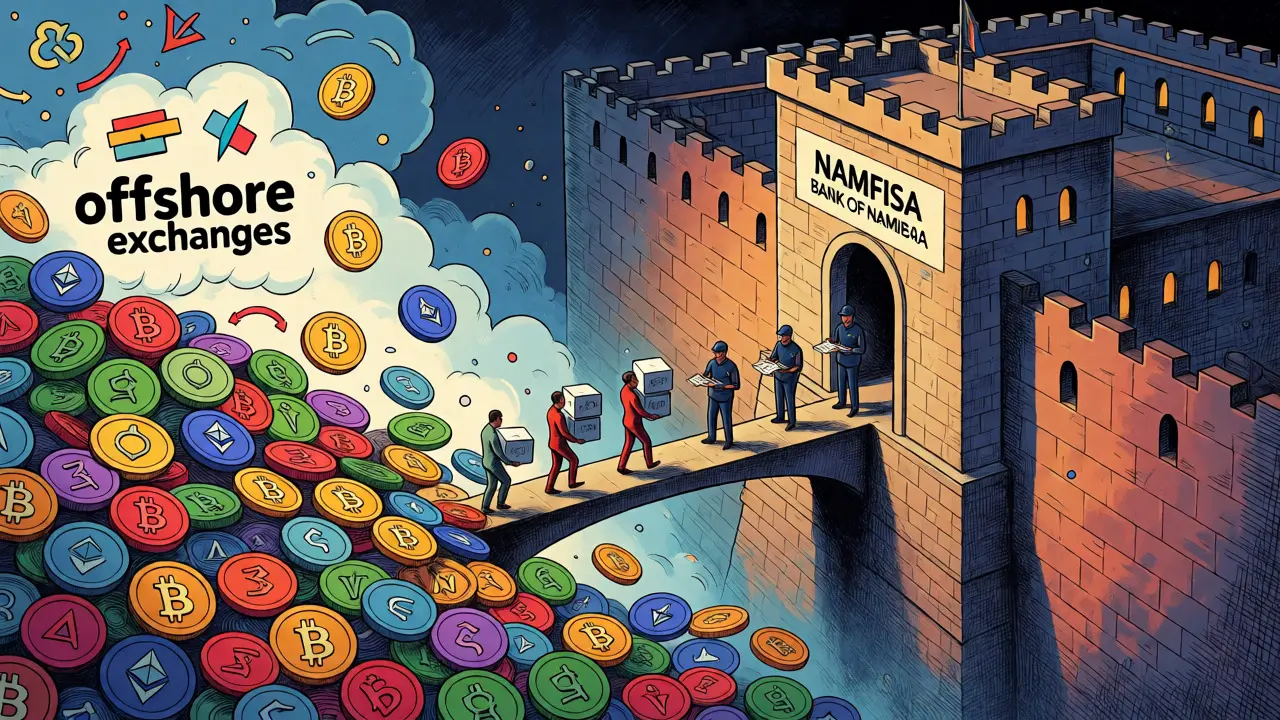
You might think that since there’s an act regulating virtual assets, you can just sign up for any global exchange and start trading. Not so fast. The Namibia Financial Institutions Supervisory Authority (NAMFISA) requires all Virtual Asset Service Providers (VASPs) to be licensed locally. This effectively banned offshore exchanges from operating freely within Namibia unless they established a local presence and got approved. As of early 2025, only a handful of companies had received provisional authorization. These included entities like Landifa Bitcoin Trade CC and Mindex Virtual Asset Exchange. But here’s the catch: these licenses are often provisional. During this six-month trial period, these companies are prohibited from actually doing business with the public. They must use this time to build infrastructure and prove their compliance. So, while the law exists, the practical ability to buy and sell through regulated local channels is still ramping up slowly.
Why Your Bank Account Might Get Frozen
This is the part that frustrates most users. Even though the government is regulating the exchanges, your traditional bank-like Nedbank or Standard Bank-might still view your crypto transactions with suspicion. Legal practitioners have reported cases where individuals involved in crypto investment clubs found their accounts restricted. Why? Because banks fear regulatory backlash and money laundering risks more than they care about customer convenience. The BON hasn’t explicitly ordered banks to close every crypto-related account, but the lack of clear protection for users creates a chilling effect. Banks often rely on internal risk policies that flag frequent transfers to known crypto platforms. If you see unexpected holds on your funds, it’s likely due to these conservative internal controls rather than a direct court order against you personally.
The Travel Rule and Transaction Limits
To combat money laundering, Namibia aligned its rules with international standards, specifically implementing the "Travel Rule." This rule applies to transactions exceeding NAD 20,000 (roughly USD 1,000). Under this regulation, VASPs must collect and share detailed information about both the sender and the receiver. This includes names, ID numbers, and account details. For small traders, this adds a layer of administrative hassle. You can’t just send anonymous payments anymore. Every significant move leaves a paper trail that is monitored in real-time. Automated reporting systems scan for suspicious patterns, and if your transaction looks irregular, it gets flagged for manual review. This level of scrutiny ensures transparency but slows down the speed of transactions compared to the borderless nature of blockchain technology.
Provisional Licenses: A Waiting Game
The current system relies heavily on provisional licenses, which act as a testing ground for new entrants. In January 2025, three companies received these temporary permits. However, none of them were allowed to engage with customers immediately. They had to spend months hiring staff and setting up compliance systems. Two of these companies requested extensions beyond their initial six-month window, pushing their full operational dates into mid-2025 and late 2025. This delay highlights the rigorous due diligence BON performs. They aren’t rushing to open the floodgates. The bank reserves the right to reject a company entirely if it fails to meet conditions during the sandbox phase. For consumers, this means limited choice. You’re waiting for a few approved players to finally go live, rather than having a competitive market with dozens of options.

Is Trading Still Illegal?
Here is the paradox that confuses many people: Is it illegal to trade crypto in Namibia? Technically, yes, in the sense that BON does not recognize it as legal tender and opposes its use as a primary payment method. However, owning it as an asset is different from using it as currency. The Virtual Assets Act regulates the *service providers*, not necessarily the individual holder. But because the central bank remains reluctant to embrace blockchain broadly, there is no explicit consumer protection law for individuals who lose money due to exchange failure or fraud. If your local exchange crashes, you have little recourse. The law protects the integrity of the financial system, not necessarily your personal portfolio balance. This distinction is critical. You are participating in a gray area where ownership is tolerated, but usage as everyday money is discouraged and restricted by banking practices.
| Feature | Traditional Banking (NAD) | Cryptocurrency (BTC/ETH) |
|---|---|---|
| Legal Tender Status | Yes, official currency | No, not recognized as legal tender |
| Regulatory Body | Bank of Namibia (BON) | NAMFISA (for service providers) |
| Consumer Protection | High, deposit insurance available | Low, no explicit guarantee for losses |
| Transaction Monitoring | Standard KYC/AML checks | Strict Travel Rule for >NAD 20k |
| Account Risk | Low | Moderate to High (potential freezes) |
What Should Users Do Now?
If you are active in the Namibian crypto space, you need to adapt your strategy. First, diversify your storage. Don’t keep all your fiat currency in one bank if you frequently interact with crypto. Some banks are stricter than others regarding source-of-funds documentation. Second, keep meticulous records. With the Travel Rule in place, you need proof of where your money came from and where it went. If a bank asks why you sent NAD 50,000 to a foreign entity, you should have receipts ready. Third, stay updated on license approvals. As provisional licenses convert to full operations, more local exchanges will emerge, offering better liquidity and potentially smoother banking integrations. Until then, expect friction. The system is designed to be slow and safe, prioritizing national security over user convenience.
Frequently Asked Questions
Can I legally buy Bitcoin in Namibia?
Yes, you can buy Bitcoin, but primarily through licensed Virtual Asset Service Providers (VASPs) registered with NAMFISA. While the Bank of Namibia does not recognize it as legal tender, owning it as an asset is permitted. However, using it directly to pay merchants is still rare and faces banking hurdles.
Will my bank close my account if I trade crypto?
It is possible. While not a universal policy, some banks like Nedbank and Standard Bank have placed restrictions on accounts with heavy crypto activity. This is often due to internal risk management rather than a specific law banning individual ownership. Keeping clear records of your transactions can help mitigate this risk.
What is the Travel Rule in Namibia?
The Travel Rule requires Virtual Asset Service Providers to collect and share sender and receiver information for transactions exceeding NAD 20,000. This includes names, ID numbers, and account details to prevent money laundering and ensure transaction transparency.
Are offshore crypto exchanges banned in Namibia?
The Virtual Assets Act of 2023 restricts unlicensed offshore exchanges from actively operating in Namibia. To serve Namibian clients legally, exchanges generally need to register with NAMFISA and obtain a local license, which involves strict compliance checks.
Is crypto taxed in Namibia?
Taxation of crypto gains is handled under general income tax principles. If you make a profit from selling crypto, it may be subject to capital gains tax or income tax depending on whether you are trading actively or investing long-term. Consult a local tax professional for specific advice.