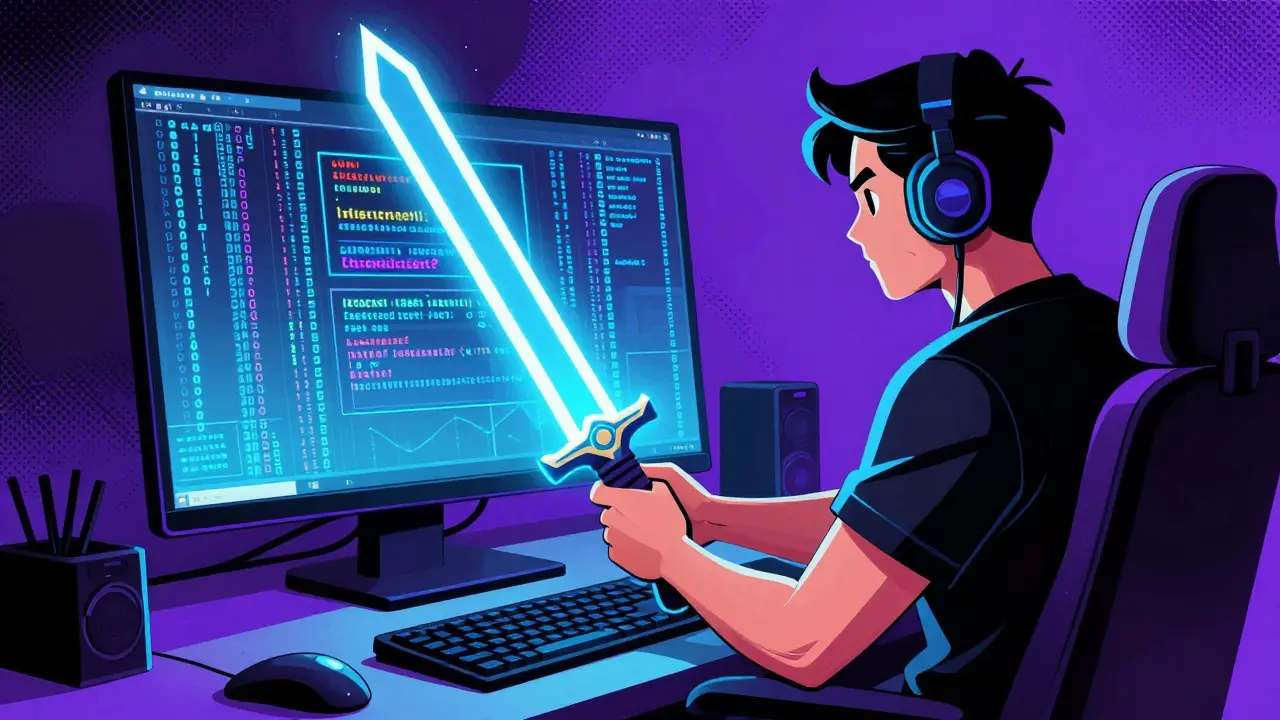
Remember when buying a sword in an online game meant it was stuck on one server forever? That era is ending. We are standing at the edge of a massive shift in how we interact with digital worlds. By 2026, the lines between playing a game, owning assets, and participating in a virtual economy have blurred into something entirely new. This isn't just about flashy graphics or avatars anymore; it's about blockchain gaming creating real economic value for players.
The concept that started with simple collectibles like CryptoKitties back in 2017 has evolved into a sophisticated ecosystem. Today, the metaverse is no longer a distant sci-fi dream but a functional space where social interaction, work, and entertainment merge. With over 20 million daily gaming transactions recorded across blockchain platforms in early 2025, the infrastructure is finally catching up to the hype. But what does this actually mean for you as a player, investor, or developer?
True Digital Ownership: The Core Shift
The biggest change isn't technical-it's philosophical. In traditional gaming giants like Steam or Epic Games, you don't own your items. You license them. If Valve decides to ban your account or shut down a server, your rare skin disappears. It’s like renting a house but being told you can’t take the furniture if you move out.
Blockchain technology changes this by using Non-Fungible Tokens (NFTs) to verify true ownership of digital assets. When you buy an item in a blockchain-enabled game, that asset lives on a decentralized ledger, not a central company server. This means you can trade, sell, or even use that item in a different game entirely, provided the games support interoperability standards.
This shift has made gaming the primary entry point for the crypto world. According to analysis from Udonis Blog in January 2025, a staggering 78% of new cryptocurrency users entered the space through gaming. Why? Because holding a wallet feels less intimidating when you’re already familiar with managing in-game inventory. You aren't just "buying crypto"; you're acquiring a character, a weapon, or a piece of virtual land that has tangible utility.
The Metaverse Economy: Play-to-Earn vs. Sustainability
We’ve moved past the chaotic "play-to-earn" gold rush of 2021. Back then, projects like Axie Infinity saw their native token AXS hit $165, promising life-changing income. But reality hit hard. By late 2022, AXS dropped to $4.30, and many unsustainable models collapsed. The industry learned a painful lesson: if a game isn't fun, people will stop playing once the money runs out.
In 2026, the focus has shifted to sustainable economic models. Jason Rosenstein of Konvoy Ventures noted in early 2025 that retention metrics improved by 210% year-over-year because developers are prioritizing gameplay loops over speculative token pumps. Players still earn, but the earnings are now tied to skill, time investment, and community contribution rather than pure inflation.
| Feature | Traditional Gaming (Steam/Epic) | Blockchain Gaming (Web3) |
|---|---|---|
| Asset Ownership | Licensed (Centralized) | Owned (Decentralized via NFTs) |
| Economic Model | Spend-to-play | Play-and-earn / Trade |
| Interoperability | None (Walled Gardens) | Possible (Cross-chain protocols) |
| Transaction Transparency | Opaque (Company controlled) | Public Ledger (Verifiable) |
| User Barrier | Low (Email login) | High (Wallet setup, gas fees) |
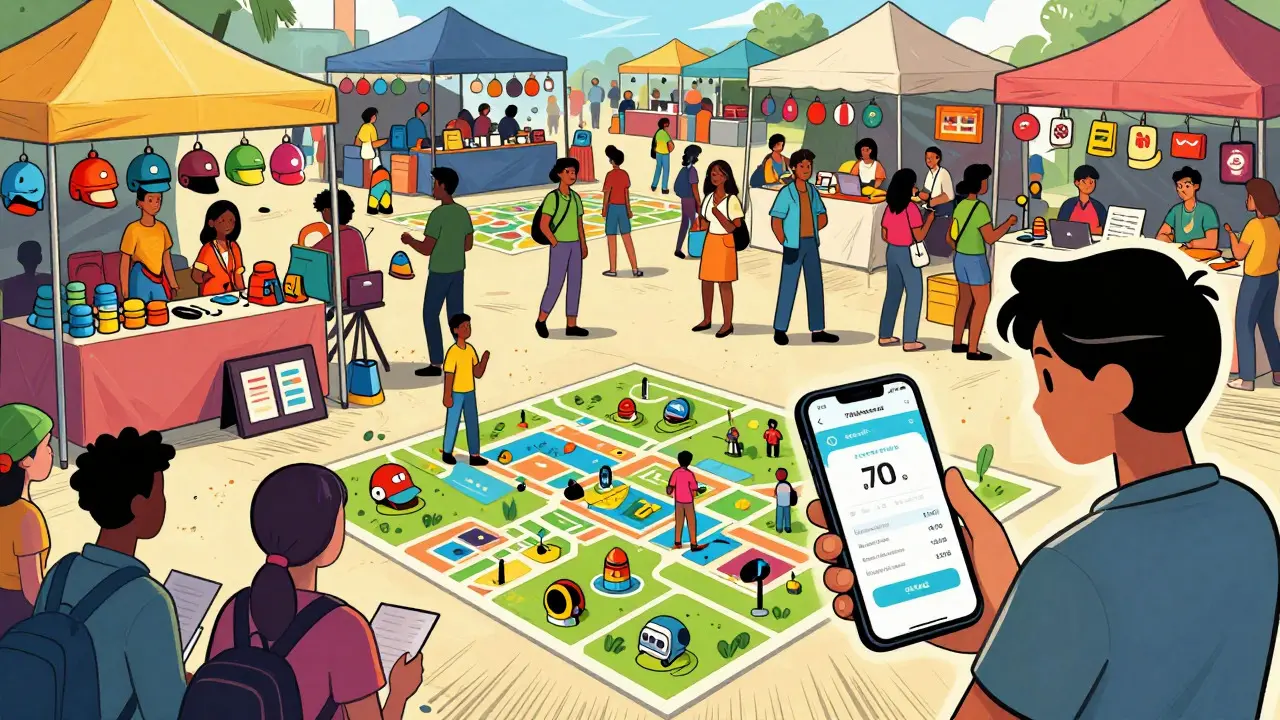
The data supports this maturation. While 63% of early play-to-earn games ceased operations due to poor tokenomics, the survivors are building robust communities. For example, Alien Worlds reported 1.2 million monthly active users earning an average of $18.75 per week. It’s not getting rich quick, but it is supplemental income that works. A Reddit user from the Philippines documented earning $350 monthly through Splinterlands, which exceeded the local minimum wage. These stories highlight the real-world impact of these economies.
Technical Hurdles: Speed, Scalability, and UX
If you’ve tried to mint an NFT on Ethereum mainnet during peak hours, you know the pain. High fees and slow speeds killed the early momentum. But 2026 looks different thanks to Layer 2 solutions. Networks like Polygon’s zkEVM have enabled cross-chain compatibility for major gaming platforms, processing 15-30 transactions per second-a 500% improvement from 2022.
However, we are still far behind traditional servers that handle thousands of concurrent actions instantly. This is why mobile gaming has become the dominant vector for adoption. As of Q1 2025, 67% of blockchain gaming activity happens on mobile devices. The barrier to entry is lower, and the hardware requirements are minimal compared to VR headsets.
Speaking of VR, the hardware is becoming accessible. Meta’s Quest 3 headset dropped to $499.99 in early 2025, down 35% from its launch price. IDC projects a 300% growth in VR headset ownership by 2026. This hardware boom is crucial for the metaverse vision. You can’t have an immersive social workspace if half the population needs a $3,000 PC to log in. The convergence of affordable VR and faster blockchains is removing the two biggest friction points.
The User Experience Problem
Let’s be honest: setting up a blockchain game is still annoying. A study of 5,000 new users found that initial setup takes 45-60 minutes. You need to create a wallet, backup a seed phrase, buy crypto, swap tokens, and connect to a dApp. No wonder CoinMarketCap reports that only 38% of new users successfully complete their first transaction.
Trustpilot reviews from early 2025 highlight this frustration. "Excessive steps to connect wallets" appeared in 73% of negative reviews. Security is another concern, with phishing attacks compromising 17% of accounts in late 2024. For mass adoption, these processes need to disappear. The solution lies in Account Abstraction (ERC-4337), which allows users to log in with email or social media while the backend handles the crypto complexity. Games built on Solana and newer Ethereum L2s are leading this charge, though documentation quality varies wildly-Solana-based games scored lower on clarity due to rapid protocol changes.
Regulation and Institutional Adoption
Money always attracts regulators. The landscape in 2026 is fragmented but clarifying. The EU’s MiCA regulations, effective since June 2024, provide a clear framework for crypto assets, giving European players more legal protection. In contrast, the US remains piecemeal, with 17 active state-level gaming regulations as of January 2025.
Despite the regulatory gray areas, big tech is jumping in. Microsoft launched its Mesh platform for enterprise metaverse solutions, and NVIDIA’s Omniverse reached 500,000 registered developers. Even traditional gaming behemoths are adapting. Epic Games launched a blockchain-agnostic platform in January 2025, and Roblox introduced limited blockchain integration for virtual land ownership. These moves signal that Web2 and Web3 are merging, not fighting.
The World Economic Forum projected that by 2027, 10% of global GDP could be stored on blockchain technology. Gaming assets will represent a significant chunk of that. JPMorgan forecasts the metaverse economy could hit $1 trillion by 2030. However, Goldman Sachs offers a cautionary note: only 22% of current blockchain gaming projects demonstrate sustainable economic models beyond 2026. The bubble is bursting for bad projects, leaving room for the good ones to thrive.
What Comes Next: Interoperability and DAO Governance
The holy grail of blockchain gaming is full interoperability. Imagine wearing a helmet bought in one game while fighting in another. We aren't there yet, but protocols are advancing. Polygon’s zkEVM achieved cross-chain compatibility for 12 major platforms by late 2024. This is the foundation of a true open metaverse.
Another major trend is Decentralized Autonomous Organization (DAO) governance. By Q1 2025, 38% of major blockchain games incorporated player governance. This means players vote on game updates, treasury spending, and feature development. It shifts power from corporate executives to the community. While this can lead to slower decision-making, it ensures the game evolves according to what players actually want, not what marketers think they should want.
Virtual real estate is also stabilizing. After the wild speculation of 2021-2022, prices have settled. Decentraland’s LAND parcels averaged $2,850 in March 2025. This suggests a market driven by utility-hosting events, branding, and social hubs-rather than pure speculation.
Is blockchain gaming safe for beginners in 2026?
It is safer than before, but risks remain. Phishing attacks and smart contract bugs still exist. Always use hardware wallets for significant assets and verify URLs carefully. The learning curve for wallet management has decreased with better UIs, but understanding basic security hygiene is essential.
Can I really make money playing blockchain games?
Yes, but manage expectations. Most players earn supplemental income, not a full-time salary. Success depends on the game’s economy, your skill level, and market conditions. Avoid projects promising guaranteed high returns, as these are often unsustainable.
Do I need a VR headset to participate in the metaverse?
No. Most blockchain gaming activity occurs on mobile devices and PCs. VR enhances immersion but is not required. With headsets like the Meta Quest 3 becoming more affordable, VR is an optional upgrade for deeper engagement rather than a mandatory entry ticket.
What is the difference between NFTs and regular in-game items?
Regular items are locked to a specific game server and owned by the company. NFTs are unique tokens on a blockchain that you truly own. You can sell them on open marketplaces, transfer them to other compatible games, and retain value even if the original game shuts down.
How do taxes apply to earnings from blockchain gaming?
Tax laws vary by country. In many jurisdictions, earning crypto rewards is considered taxable income, and selling NFTs may trigger capital gains tax. It is crucial to keep records of all transactions and consult a local tax professional, especially as regulations like the EU’s MiCA clarify reporting requirements.