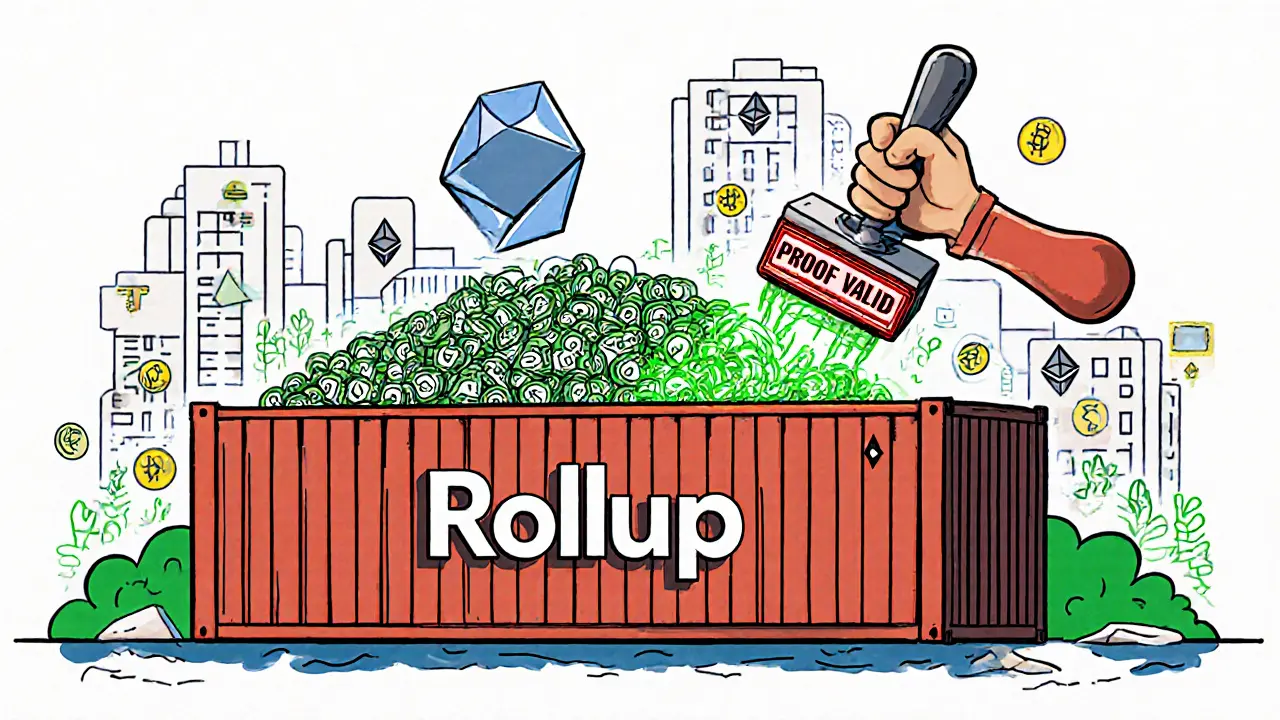
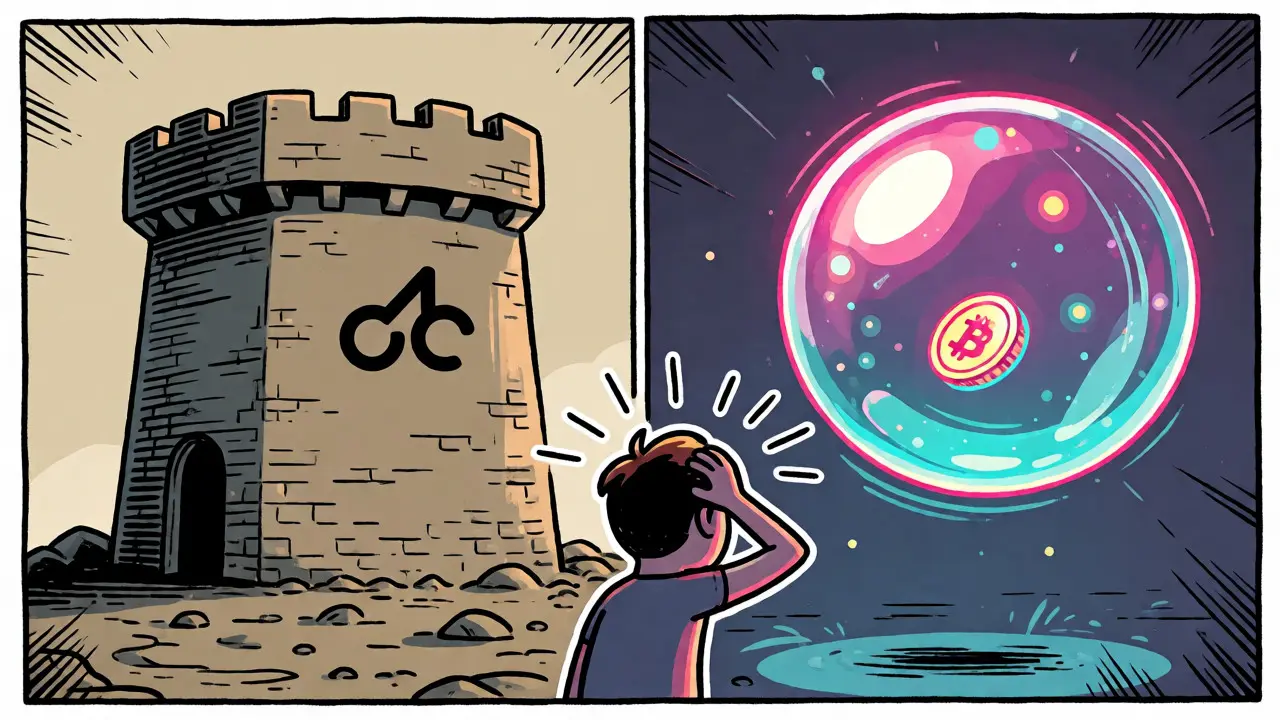
Rollup technology isn’t just another buzzword in blockchain-it’s the quiet engine behind the next wave of real-world adoption. Right now, Ethereum handles about 15 transactions per second. That’s fine for digital collectibles or speculative trading, but it’s nowhere near enough for a global payment system, a decentralized social network, or even a simple game with thousands of players. Rollups fix that. They take hundreds or thousands of transactions, bundle them up off-chain, and slap one tiny proof onto the main blockchain. The result? Fees drop from $10 to $0.10. Speed jumps from seconds to milliseconds. And security? Still as strong as Bitcoin’s. Here’s the catch: most people still think of blockchains as slow, expensive, and clunky. That’s because they’re only seeing Layer-1. Rollups are the hidden upgrade that makes everything else possible. And they’re not just improving Ethereum. They’re rewriting what’s possible on Bitcoin, Solana, and even new chains we haven’t heard of yet. So what’s next? Let’s cut through the hype and look at where rollup tech is actually headed-based on what’s shipping today, not what’s in whitepapers.
How Rollups Actually Work (No Jargon)
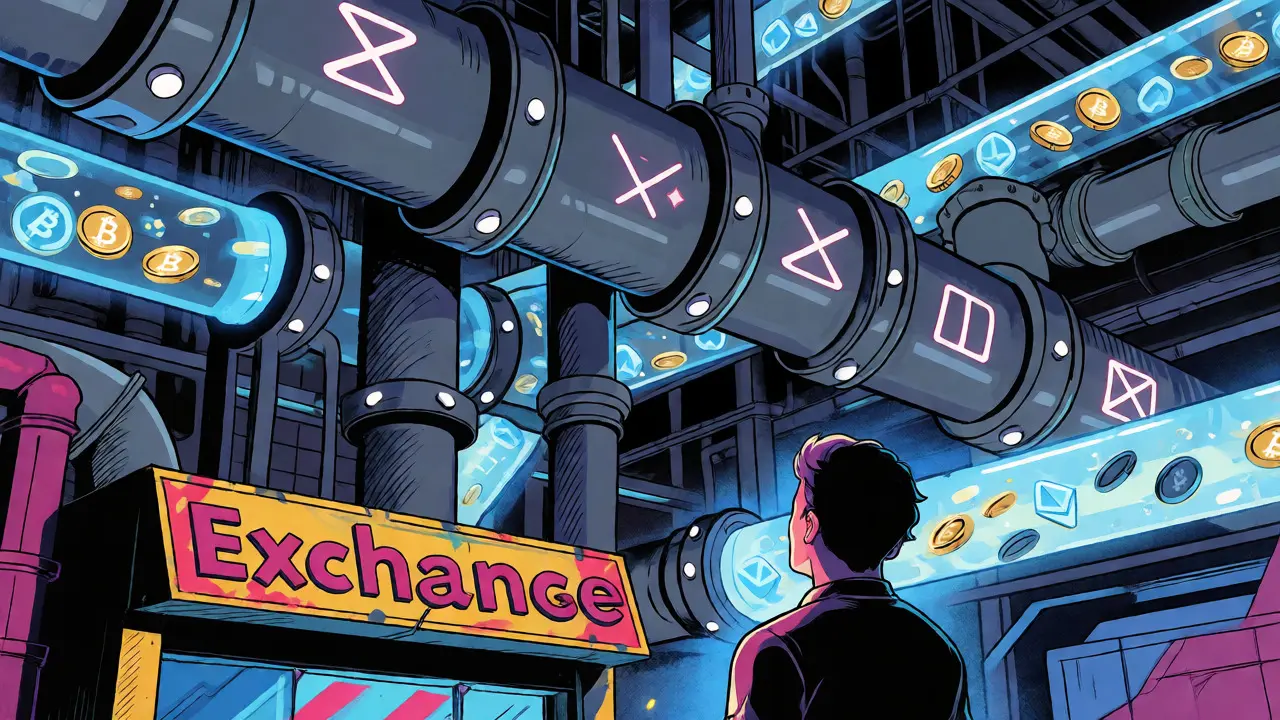
Think of a rollup like a bulk shipping container for transactions. Instead of sending 1,000 individual packages (transactions) to a warehouse (the blockchain), you pack them all into one box and send just the box. The warehouse doesn’t open every item. It just checks the seal-the cryptographic proof-and says, ‘This box is valid.’ Then it logs the total number of items inside. That’s it. No magic. No complex math you need a PhD to understand. There are two types of seals:- ZK-rollups use zero-knowledge proofs. These are like a math puzzle that proves you did 1,000 transactions correctly without showing any of them. It’s fast, private, and the proof is verified instantly. Think of it like a chef showing you a receipt that says, ‘I made 100 pizzas,’ and you can instantly verify it’s true without seeing the kitchen.
- Optimistic Rollups assume everything is fine unless someone says otherwise. If someone suspects fraud, they can challenge it. There’s a 7-day window where anyone can dispute. It’s slower to finalize, but cheaper to run and easier to build on.
Why Rollups Are the Only Scalable Path Forward
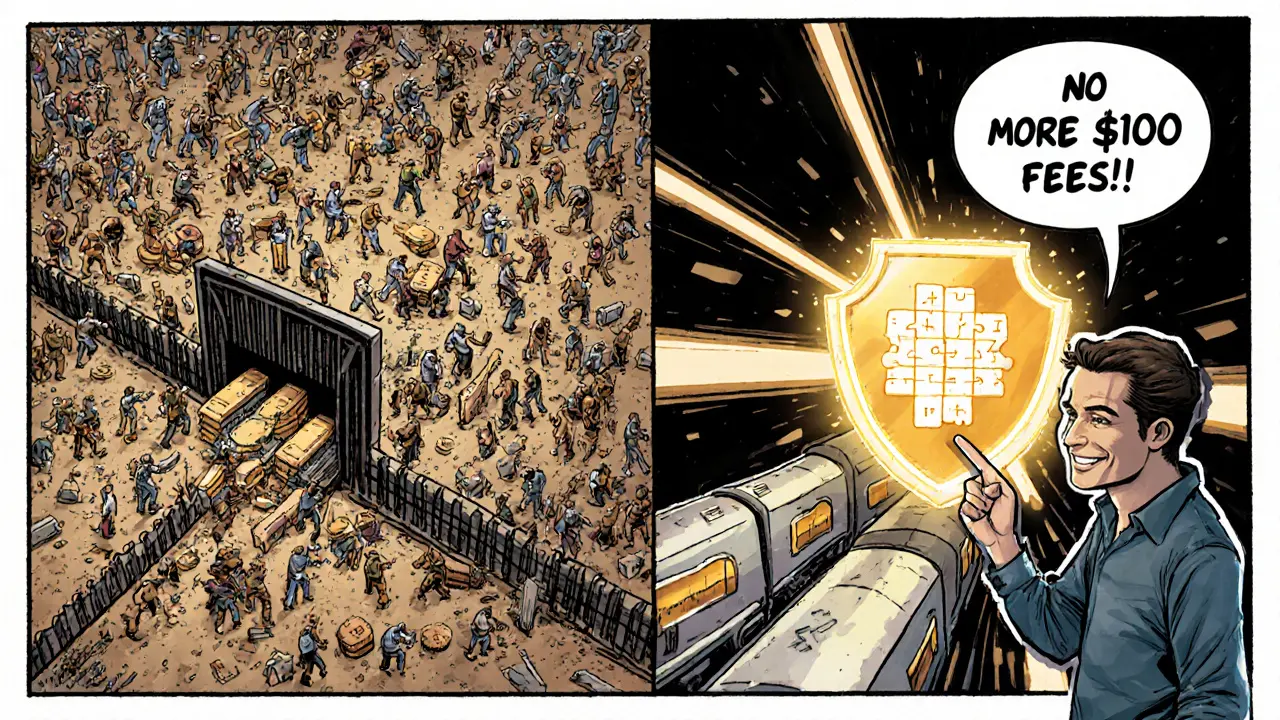
Blockchains can’t just scale by adding bigger blocks. Bitcoin tried. Ethereum tried. Both hit hard limits. Why? Because every node on the network has to store and verify every single transaction. If you double the data, you double the hardware cost for every validator. That’s not scalable-it’s unsustainable. Rollups flip that. They make the main chain a verifier, not a processor. The heavy lifting happens elsewhere. The main chain only needs to store a tiny piece of data: the proof. That’s why rollups can handle 2,000-10,000 transactions per second on Ethereum, while the base layer struggles at 15. And it’s not just about speed. It’s about cost. On Ethereum mainnet, a simple token swap might cost $5. On a ZK-rollup like zkSync, it’s $0.03. That’s not a tweak-it’s a revolution. It turns crypto from a speculative asset into something you can use daily. Micropayments? Now possible. Gaming? Real-time. Social media? Decentralized feeds with zero gas fees. None of that works without rollups.What’s Changing in 2025
Rollups aren’t static. They’re evolving fast. Here’s what’s actually happening right now:- Zero-knowledge proofs are getting smaller. In 2023, a ZK-proof for 10,000 transactions took up 50 KB on-chain. Today, it’s under 1 KB. That’s 98% less data. Less data means lower fees and faster verification.
- Optimistic rollups are cutting their challenge windows. The 7-day dispute period was a bottleneck. Projects like Optimism are now using fraud proofs that can be resolved in under 10 minutes-without sacrificing security.
- Bitcoin rollups are live. Projects like RSK and Lightning Network are now using ZK-rollup-style tech to enable smart contracts on Bitcoin. You can now run DeFi apps on Bitcoin without changing its consensus. That’s huge.
- Modular blockchains are rising. Instead of one chain doing everything, the future is splitting roles: one chain for data availability (like Celestia), another for execution (rollups). This makes everything cheaper and more flexible.
Who’s Winning Right Now?
It’s not a race with a clear winner. But here’s who’s leading in different areas:| Rollup | Type | Transactions Per Second | Avg. Gas Fee (USD) | Key Use Case |
|---|---|---|---|---|
| Arbitrum | Optimistic | 4,000 | $0.02 | DeFi, DEXs |
| zkSync Era | ZK | 5,000 | $0.01 | Payments, gaming |
| StarkNet | ZK | 3,500 | $0.015 | Complex smart contracts |
| Polygon zkEVM | ZK | 4,500 | $0.01 | Ethereum-compatible apps |
| Stacks (Bitcoin Rollup) | ZK | 1,200 | $0.03 | Bitcoin DeFi, NFTs |
The Biggest Roadblocks
Rollups aren’t perfect. Here’s what’s still holding them back:- Developer tooling is messy. Writing smart contracts on ZK-rollups requires learning new languages like Cairo or Zinc. Most devs still use Solidity. The gap is closing, but it’s still a barrier.
- Liquidity is fragmented. You have 10 different rollups, each with their own tokens, bridges, and pools. Moving money between them is still clunky. Cross-rollup interoperability is the next big challenge.
- Centralization risks. Most rollups still rely on a small group of operators to bundle transactions. If one operator goes down, delays happen. Decentralizing sequencers is the next milestone.
- Regulatory uncertainty. If a rollup processes payments for millions, who’s liable? Is it the operator? The protocol? The users? Regulators haven’t figured that out yet.
What’s Next? The 2026 Roadmap
By the end of 2026, here’s what’s likely:- 90% of new Ethereum-based apps will launch on rollups-not the main chain.
- Bitcoin will have at least 3 major rollup ecosystems running live DeFi and NFTs.
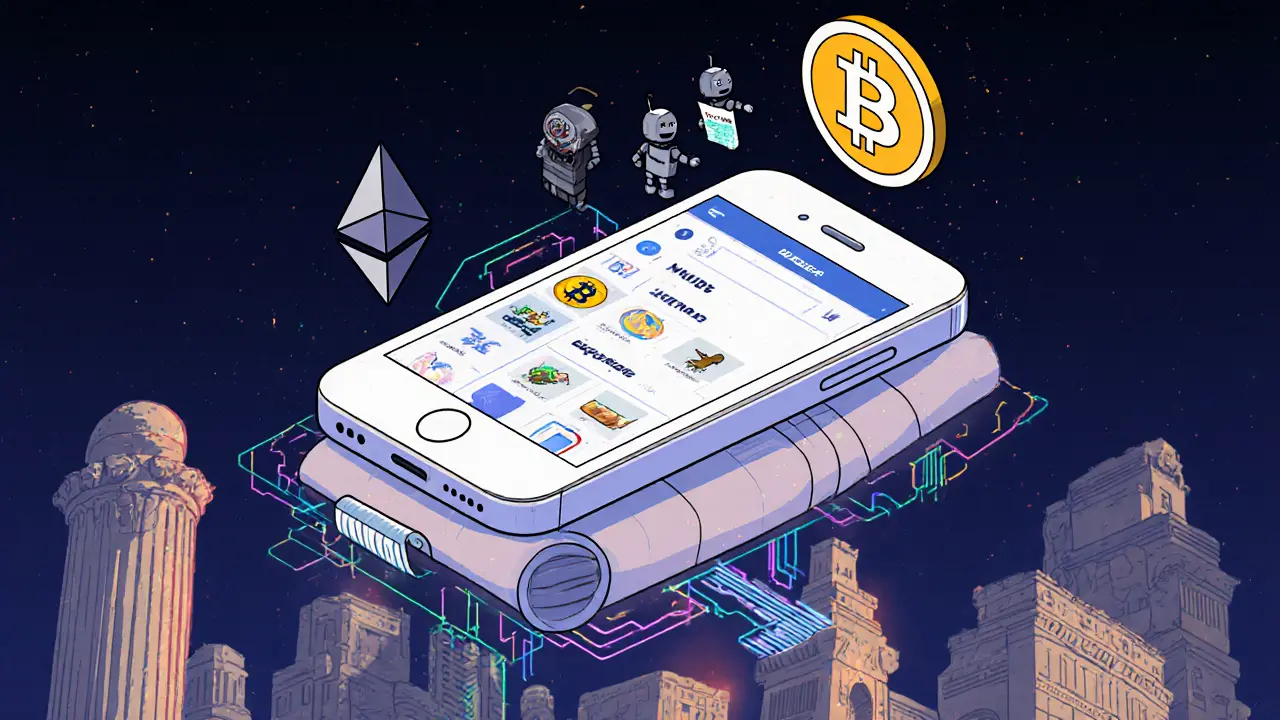
- Mobile wallets will support rollups natively. You won’t even know you’re using one.
- Gas fees on major rollups will average under $0.005 for simple transfers.
- One rollup will hit 1 million daily active users-something no Layer-1 has ever done.
What This Means for You
If you’re a user: stop worrying about Layer-1. Switch to a wallet that supports rollups (like Argent, Coinbase Wallet, or Phantom). Use apps on zkSync, Arbitrum, or StarkNet. You’ll save money and get better performance. If you’re a developer: learn Cairo or Solidity on zkEVM. The future isn’t on Ethereum mainnet anymore. It’s on the rollups. If you’re an investor: don’t chase Layer-1 tokens. Look at rollup protocols, infrastructure tools, and cross-chain bridges. The real value is in the plumbing-not the facade. The blockchain revolution isn’t happening on the main chain. It’s happening in the shadows. And rollups are the quiet force making it all possible.Frequently Asked Questions
Are rollups safe?
Yes, if they’re built correctly. ZK-rollups are cryptographically secure-their proofs are mathematically verified. Optimistic rollups rely on fraud proofs and a challenge period, which is also secure as long as enough participants monitor for fraud. Both inherit the security of Ethereum or Bitcoin. No rollup is safer than its underlying blockchain.
Can I use rollups with Bitcoin?
Yes. Projects like Stacks and RSK now use ZK-rollup technology to bring smart contracts and DeFi to Bitcoin without changing Bitcoin’s core rules. You can now lend, trade, and stake Bitcoin using rollups-all while Bitcoin’s network remains unchanged and secure.
Do I need a new wallet for rollups?
Not necessarily. Most modern wallets (like MetaMask, Coinbase Wallet, Phantom) now support multiple rollups automatically. You just switch networks inside the wallet. No new wallet needed-just a network change.
Why not just use a faster blockchain like Solana?
Solana is fast, but it’s not as decentralized or as secure as Ethereum. Rollups let you get Ethereum-level security with near-Solana speed. You don’t have to choose between safety and speed anymore. Rollups give you both.
Will rollups replace Layer-1 blockchains?
No. They rely on them. Layer-1s like Ethereum and Bitcoin provide the security and finality. Rollups handle the scaling. Think of Layer-1 as the highway’s foundation and rollups as the fast lanes. You need both.
Next Steps
- If you’re new to rollups: Install MetaMask and switch to zkSync Era or Arbitrum. Send $1 worth of ETH and try a simple swap on a DEX like SyncSwap or Aerodrome.
- If you’re a developer: Check out the zkSync documentation or the Optimism Superchain docs. Start building on a testnet.
- If you’re curious about Bitcoin rollups: Try using Stacks Wallet and send a smart contract transaction on Bitcoin. It’s free and works in minutes.


Vance Ashby
November 27, 2025 AT 10:34Felicia Sue Lynn
November 28, 2025 AT 13:00Christina Oneviane
November 30, 2025 AT 07:16Casey Meehan
December 2, 2025 AT 03:33Tom MacDermott
December 3, 2025 AT 22:56SHIVA SHANKAR PAMUNDALAR
December 4, 2025 AT 08:04Shelley Fischer
December 5, 2025 AT 13:53Puspendu Roy Karmakar
December 5, 2025 AT 18:59