Crypto Risk Premium Calculator
How much extra did Jordanians pay?
Before the 2025 law, Jordanians paid a premium for Bitcoin due to P2P trading risks. Calculate how much more you'd pay compared to global prices.
Your Calculation
Why it matters: This premium represented the cost of trading without bank protection or legal recourse.
Real-World Context
Example: Global price $60,000 + 5% premium = $63,000
Article Fact The article states Jordanians paid 5% extra for safety in P2P trades.
This gap existed because traders charged more to cover fraud risks and lack of regulation.
Before September 2025, if you wanted to buy Bitcoin in Jordan, you couldn’t do it through a bank. You couldn’t use your debit card. You couldn’t even open a crypto exchange account with a local bank account. The Central Bank of Jordan had made it clear: cryptocurrencies were not allowed in the financial system. They called them risky, unregulated, and dangerous. But people still traded them. Not because they were reckless, but because they had no other choice.
Trading in the Shadows
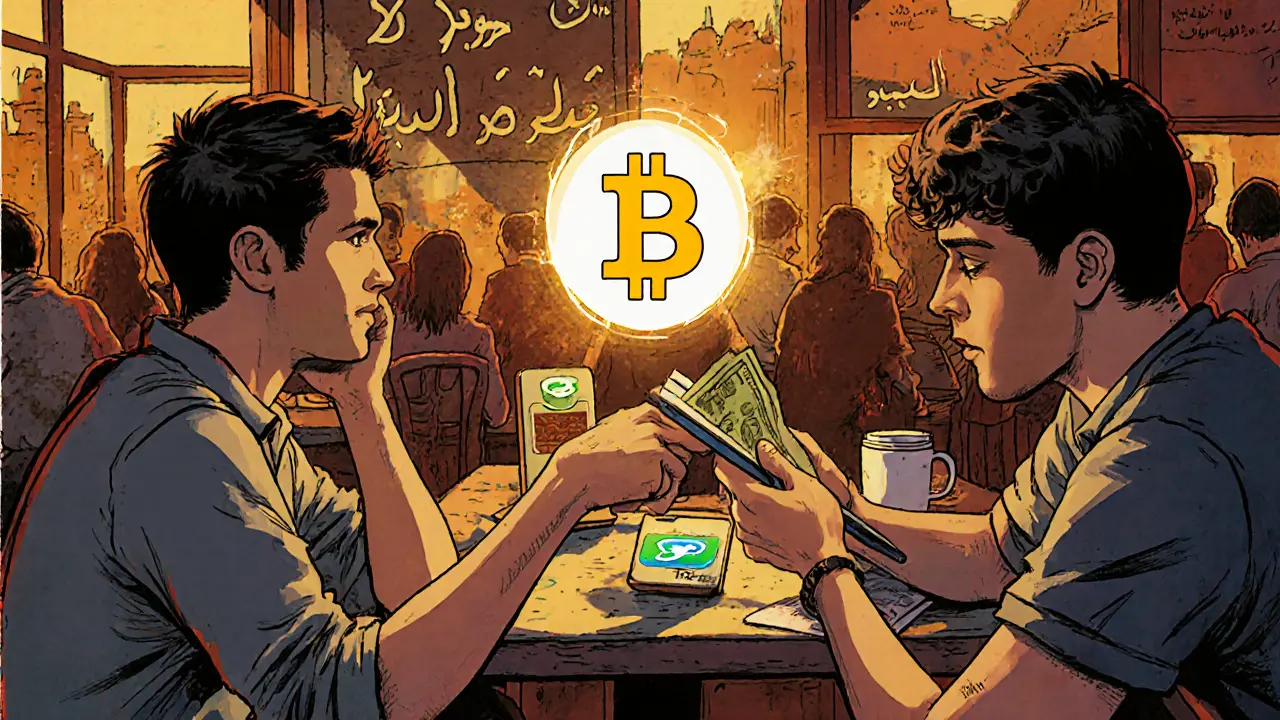
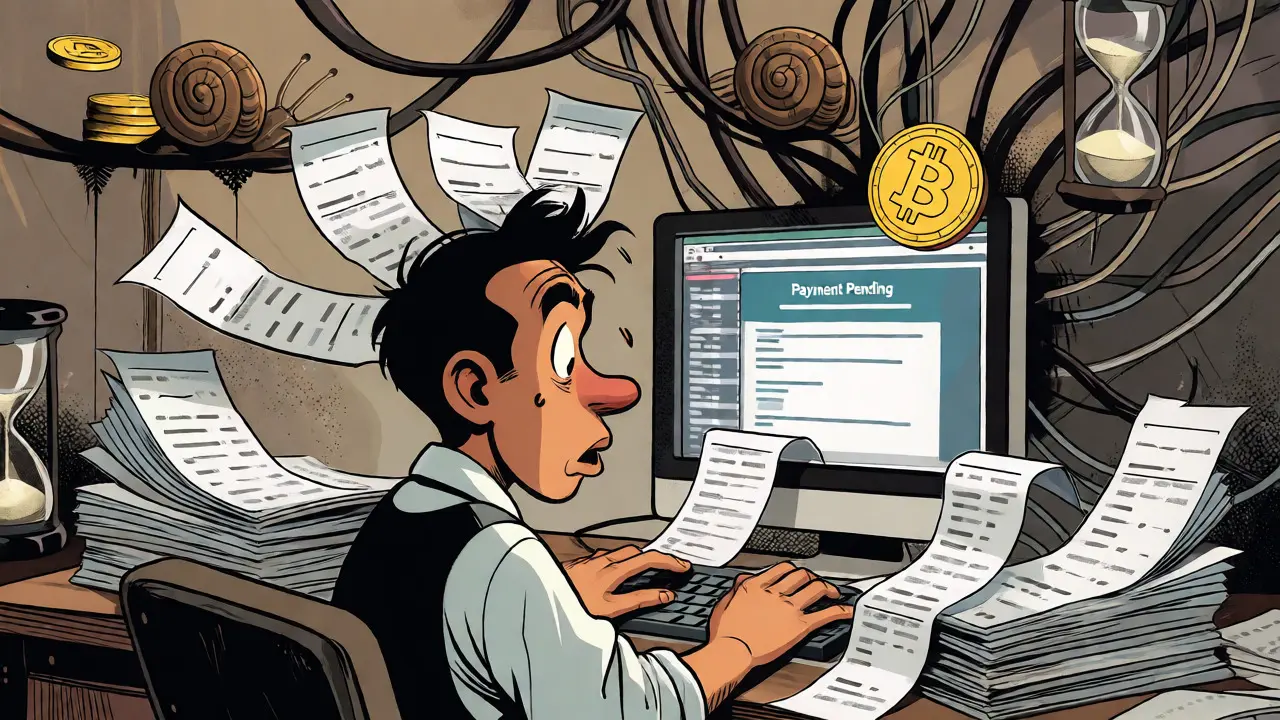
Jordanians didn’t stop using crypto just because the bank said no. They found another way-peer-to-peer (P2P) trading. This wasn’t some fancy app or regulated platform. It was WhatsApp groups, Facebook marketplace posts, and cash meetups in Amman coffee shops. Someone in Zarqa would send money to a buyer in Irbid via Western Union or a local money transfer service. In return, the buyer would send Bitcoin to their digital wallet. No bank involved. No paperwork. No oversight.This system worked because it bypassed the entire financial infrastructure. Banks couldn’t freeze transactions they didn’t see. Regulators couldn’t track payments that never passed through their systems. But it was risky. If the person you traded with disappeared after you sent the money, there was no recourse. No customer service. No dispute team. Just silence.
Why Banks Banned Crypto
The Central Bank of Jordan’s stance wasn’t arbitrary. They were worried about money laundering, fraud, and the volatility of digital assets. In a country where over 20% of the population lives below the poverty line, the fear was that people would gamble their savings on Bitcoin. There were real cases of people losing life savings after buying into fake crypto schemes. The bank’s warning was meant to protect people.But protection became prohibition. And prohibition didn’t stop demand-it just pushed it underground. Young tech-savvy Jordanians, many in their 20s and 30s, saw crypto not as a gamble, but as a tool. A way to save money outside a currency that lost value over time. A way to send remittances without paying 8% in fees. A way to invest when local stocks offered little return.
The Brain Drain
The lack of legal crypto infrastructure didn’t just affect regular users. It hit the tech scene hard. Talal Tabbaa, who later co-founded CoinMENA-one of the region’s largest crypto platforms-left Jordan because he couldn’t build a crypto business there. He wasn’t alone. Dozens of developers, engineers, and entrepreneurs moved to the UAE, where crypto was legal, licensed, and growing fast. The UAE had over 500,000 daily crypto traders. Jordan had none-officially.That exodus wasn’t just about opportunity. It was about dignity. Why should a Jordanian engineer have to move to Dubai just to work on something they believed in? Why couldn’t innovation happen at home?

How P2P Worked in Practice
Most P2P trades happened in three steps:- Find a seller through a Telegram group or Facebook page labeled “Jordan Crypto Buyers/Sellers.”
- Negotiate price and payment method-usually bank transfer to a third party, cash deposit, or mobile wallet like Zain Cash.
- Send the money, wait for confirmation, then receive the crypto to your personal wallet (like Trust Wallet or Exodus).
Traders often used multiple accounts to avoid suspicion. One bank account for salary, another for crypto payments. They’d never mention “Bitcoin” in messages-instead, they used codes like “BTC,” “digital gold,” or just “it.”
Prices were always higher than global rates. Why? Because of risk premium. If you were buying Bitcoin from someone you didn’t know, you paid extra for safety. A Bitcoin that cost $60,000 globally might cost $62,000 in Jordan. That gap was the cost of operating in the dark.
The Turning Point: Law No. 14 of 2025
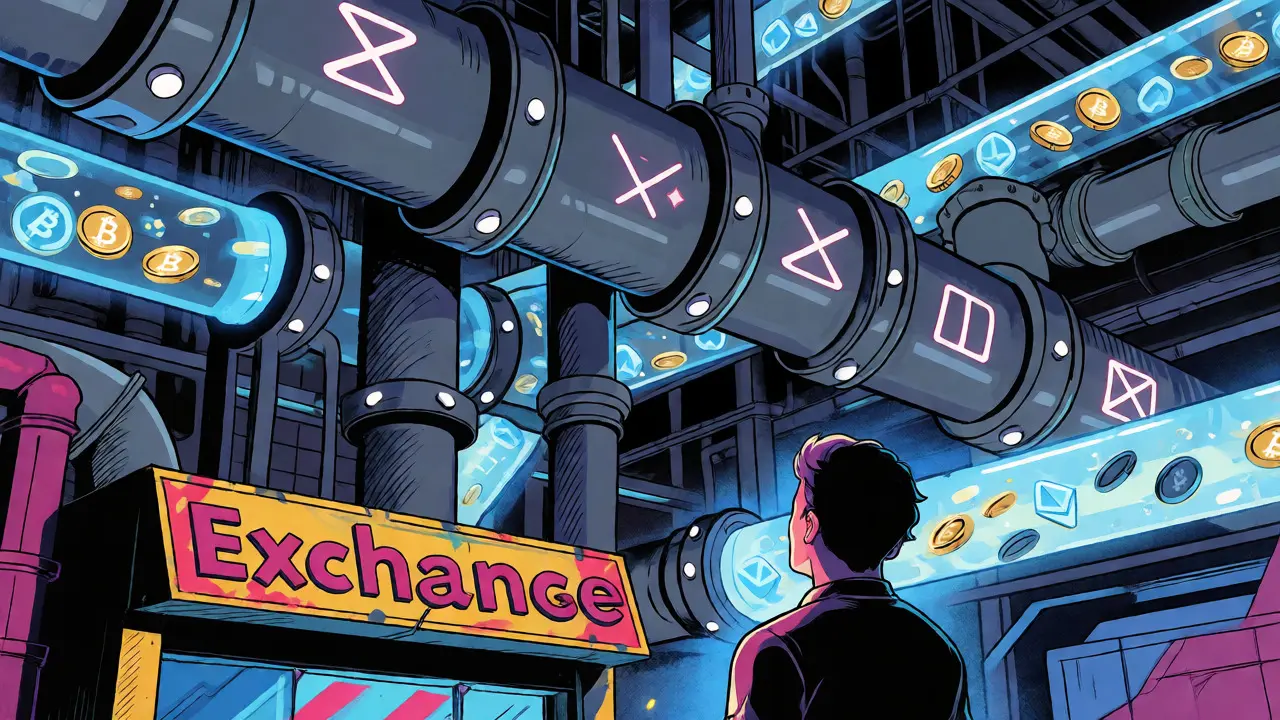
On September 14, 2025, everything changed. King Abdullah II signed Law No. 14-the Virtual Assets Transactions Regulation Law. For the first time, crypto wasn’t banned. It was regulated.The law didn’t just legalize crypto. It created a legal path for it. Virtual asset service providers (VASPs) could now apply for licenses from the Jordan Securities Commission (JSC). Exchanges, wallet providers, and payment processors could operate legally-if they followed strict rules: KYC, AML checks, local office registration, and regular audits.
The law also defined what counted as a virtual asset: Bitcoin, Ethereum, stablecoins (unless issued by the central bank), and NFTs with economic value. It excluded digital securities and central bank digital currencies. That clarity was huge. People finally knew what was legal and what wasn’t.

What Changed After the Law
Within weeks, licensed exchanges like CoinMENA and others launched local Jordanian operations. You could now buy Bitcoin with your Jordanian dinar through a regulated platform. No more cash meetups. No more WhatsApp risks. No more paying 5% extra just to trade safely.Banking restrictions didn’t vanish overnight, but they became irrelevant. Banks could now legally process payments to licensed VASPs. No more fear of account freezes. No more suspicion from branch managers.
For the first time, Jordanians could trade crypto without hiding. They could invest with protection. They could build businesses without leaving the country.
Who Benefits Now?
The new law didn’t just help traders. It helped the economy.- Tech startups can now raise capital through token sales legally.
- Remittance providers can offer cheaper cross-border crypto payments.
- Young professionals no longer need to move abroad to work in crypto.
- Investors have legal recourse if something goes wrong.
The UAE and Bahrain showed what was possible. Jordan didn’t need to reinvent the wheel. It just needed to stop fighting the future.
The Legacy of the Underground
The P2P networks didn’t disappear-they evolved. Many former traders became early adopters of licensed exchanges. Former sellers became customer support reps. Former buyers became crypto educators.The underground era taught Jordanians something valuable: they didn’t need permission to innovate. They just needed the right rules.
Now, the challenge isn’t finding a way to trade crypto. It’s choosing the right licensed platform. It’s learning how to store assets safely. It’s understanding taxes and reporting.
The rules have changed. The risks haven’t vanished-but now, they’re manageable. And that makes all the difference.
Was crypto illegal in Jordan before 2025?
Yes. Before September 14, 2025, the Central Bank of Jordan banned the use of cryptocurrencies in the formal financial system. Banks couldn’t process crypto-related payments, and there were no legal exchanges. But people still traded crypto using unregulated peer-to-peer methods outside the banking system.
How did Jordanians buy Bitcoin without banks?
They used peer-to-peer (P2P) trading through WhatsApp, Telegram, and Facebook groups. People would send cash or bank transfers via services like Western Union or Zain Cash, then receive Bitcoin directly to their personal wallets. These transactions avoided banks entirely, making them invisible to regulators but also riskier.
What was the risk of trading crypto informally in Jordan?
The biggest risks were scams, fraud, and no legal recourse. If someone took your money and disappeared, you had no way to report it. There were no licensed platforms to file complaints with. Many lost life savings. Also, using bank accounts for crypto payments could lead to account freezes or legal trouble.
What does the 2025 Virtual Assets Law do?
The law legalizes and regulates virtual assets like Bitcoin and Ethereum. It requires all crypto exchanges, wallet providers, and payment services to get licensed by the Jordan Securities Commission. It defines what counts as a virtual asset, bans unlicensed services, and allows legal bank transfers to licensed platforms.
Can Jordanians now use banks to buy crypto?
Yes. Since the 2025 law, banks can legally process payments to licensed virtual asset service providers (VASPs). You can now buy Bitcoin or Ethereum directly through a Jordanian-licensed exchange using your bank account-no more cash meetups or risky P2P deals.
Why did so many Jordanian crypto entrepreneurs leave the country?
Because there was no legal way to build a crypto business in Jordan. Developers, engineers, and founders had to move to places like the UAE or Bahrain, where crypto was regulated and supported. The brain drain hurt Jordan’s tech ecosystem until the 2025 law gave them a reason to stay.


Rachel Thomas
November 27, 2025 AT 16:35Sierra Myers
November 28, 2025 AT 01:27Tina Detelj
November 28, 2025 AT 03:24Wilma Inmenzo
November 28, 2025 AT 23:44Tony spart
November 29, 2025 AT 11:21