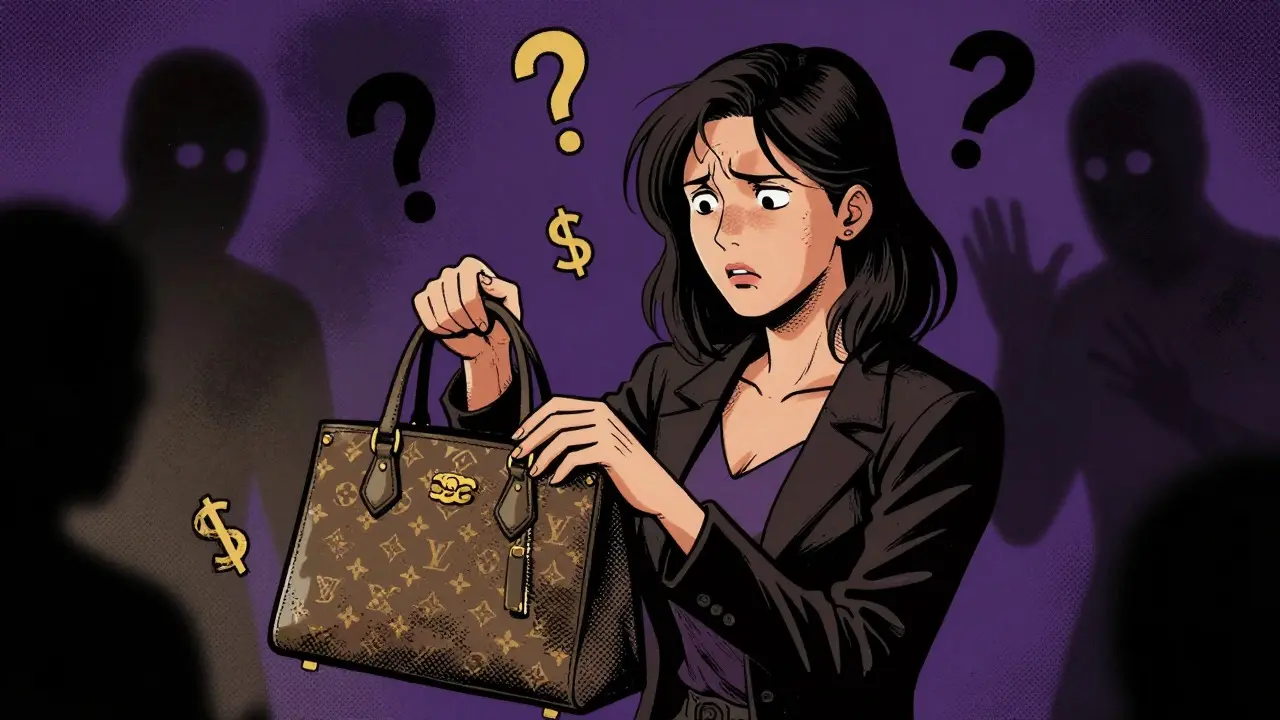
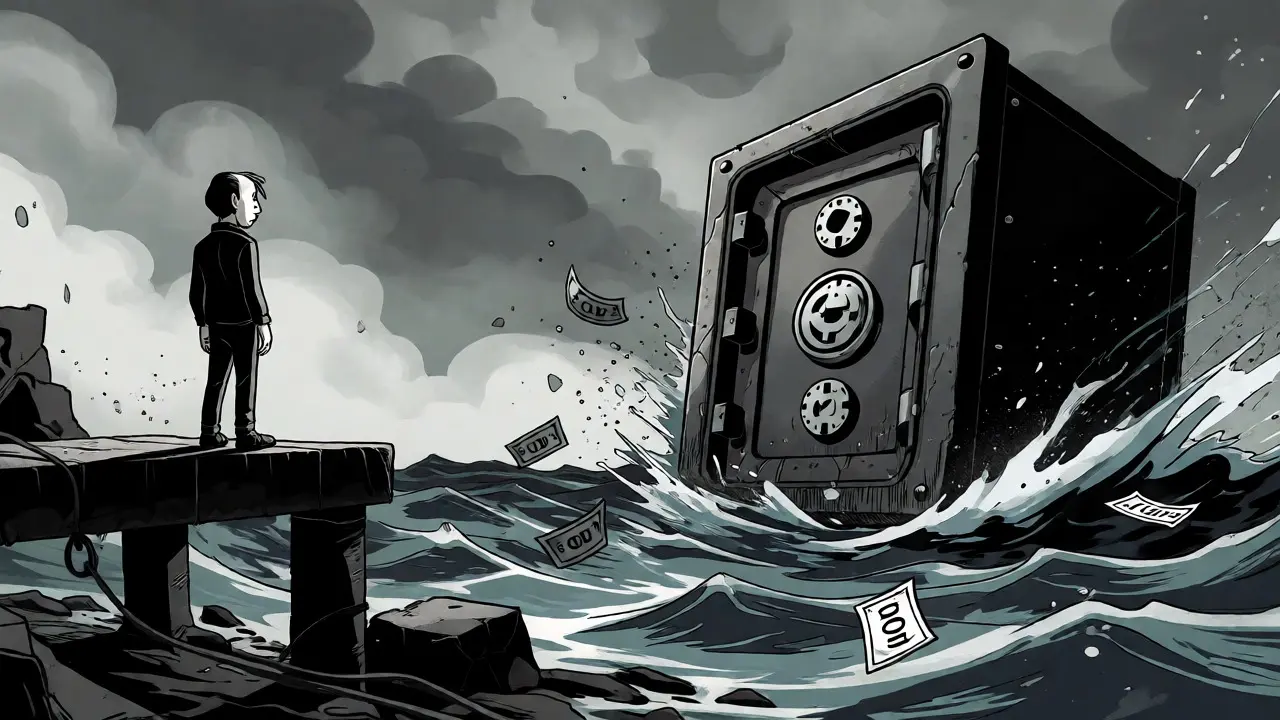
Imagine buying a $10,000 handbag, only to find out later it’s a high-quality fake. You’re not alone. The global luxury market loses an estimated $30.3 billion annually to counterfeiting. For decades, brands relied on holograms and paper certificates, but sophisticated fakes now replicate those easily. That’s why the industry is pivoting hard toward Luxury Goods Authentication with NFTs, a system that uses blockchain technology to create unforgeable digital identities for physical items. This isn’t just about stopping fakes; it’s about creating a transparent history for every watch, bag, or piece of jewelry from the factory floor to your closet-and beyond.
The Problem with Traditional Authentication
Before we talk about the solution, let’s look at why the old methods failed. Luxury brands have long used QR codes, serial numbers, and holographic stickers. But here’s the catch: these are static. A counterfeiter can scan a real QR code, print a fake one, and slap it on a replica bag. According to a McKinsey report, nearly 98% of counterfeit operations successfully replicated traditional security tags. Paper certificates get lost, torn, or forged. Even if you have a genuine item, proving its authenticity in the secondary market-like when you sell it on Vestiaire Collective or The RealReal-is often a guessing game reliant on human experts who can be wrong or biased.
This lack of trust hurts everyone. Buyers hesitate because they fear scams. Sellers struggle to prove value. Brands lose revenue and reputation. The industry needed a system where the record of ownership could not be altered, duplicated, or deleted. Enter blockchain.
How NFT Authentication Works
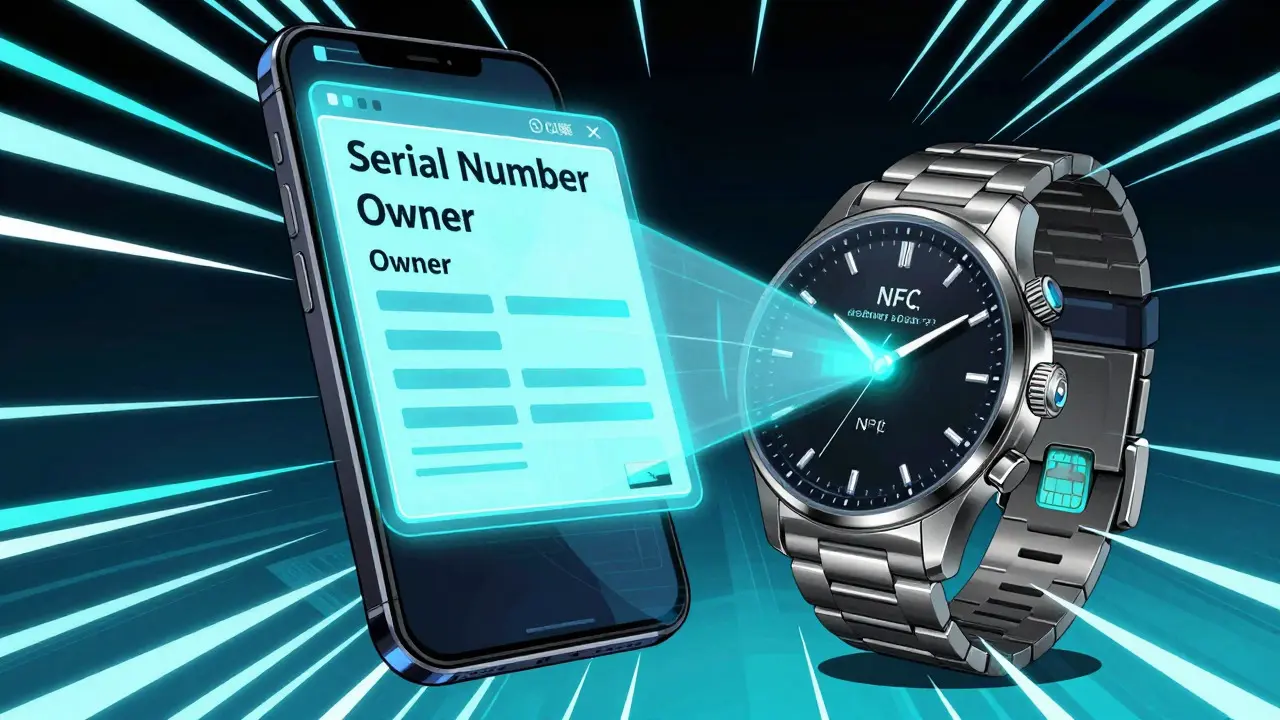
So, how does this actually work? It’s simpler than you might think. When a luxury brand manufactures an item, they embed a secure element-usually an NFC chip or a specialized tag-into the product. This chip contains a unique digital signature. When you buy the item, the brand mints a Non-Fungible Token (NFT) linked to that specific chip on a blockchain network like Ethereum. Think of this NFT as a digital twin or a digital passport for your physical object.
Here is the step-by-step process:
- Manufacturing: The brand embeds a secure chip (costing roughly $0.50 to $2.00 per unit) into the product.
- Minting: An NFT is created on the blockchain, containing data like the serial number, production date, materials used, and initial owner.
- Purchase: You buy the item. The NFT is transferred to your digital wallet, proving you own the authentic piece.
- Verification: To check authenticity, you simply tap your smartphone against the NFC chip. The phone connects to the blockchain and verifies that the digital certificate matches the physical item.
- Resale: When you sell the item, you transfer the NFT to the new buyer. The blockchain automatically updates the ownership history, creating an immutable ledger of provenance.
The key here is immutability. Once that data is on the blockchain, no one-not even the brand-can change it. If someone tries to copy the chip, the blockchain will show that the digital twin has already been issued to another wallet, flagging the item as suspicious immediately.
Key Players and Platforms
You don’t need to build this technology from scratch. Several major players have established platforms specifically for this purpose. Understanding who powers these systems helps you know what to look for when buying authenticated goods.
| Platform | Key Partners | Technology Focus | Best For |
|---|---|---|---|
| AURA Consortium | LVMH, Prada, Cartier, Burberry | Private consortium blockchain, high privacy | Major luxury conglomerates, high-end fashion |
| Arianee | Fashion houses, automotive brands | Ethereum-based NFT passports, watermarking | Cross-brand compatibility, retroactive authentication |
| SEALSQ + WISeKey | Various luxury brands | NFC secure elements (VaultIC155), hardware integration | Hardware-heavy verification, tamper-proof chips |
AURA was launched by LVMH in partnership with ConsenSys and Microsoft. It’s designed to be a private network, meaning it prioritizes brand control and customer privacy over public transparency. On the other hand, Arianee operates on the public Ethereum blockchain, which allows for greater interoperability. Arianee even offers a way to authenticate pre-existing items using blockchain watermarks, solving the problem of verifying vintage pieces that didn’t come with an NFT originally.
Benefits for Buyers and Resellers
If you’re a consumer, the biggest benefit is peace of mind. No more hoping the seller on eBay is honest. With an NFT-authenticated item, you have cryptographic proof of authenticity. This is especially valuable in the secondary market. Data from Vestiaire Collective shows a 37% reduction in authentication disputes for items verified via blockchain. Plus, provenance adds value. A Rolex with a complete service history recorded on-chain is worth more than one with a missing manual. The RealReal reported a 29% increase in resale value for authenticated items with clear histories.
For resellers, this means faster transactions and fewer chargebacks. You don’t need to send the item to a third-party authenticator for days of waiting. A quick scan confirms legitimacy instantly. This efficiency is driving adoption among professional dealers who handle high volumes of inventory.
Challenges and Limitations
It’s not all smooth sailing. There are real hurdles to widespread adoption. First, there’s the cost. Implementing enterprise-level NFT authentication can cost between $500,000 and $2 million for smaller brands. While large groups like LVMH can absorb this, independent designers might struggle. Second, consumer education is lagging. Bain & Company found that only 22% of luxury consumers understand how to verify NFT authenticity. If you have to download three different apps to check a bag, you probably won’t bother.
Then there’s the issue of interoperability. Currently, an AURA-verified bag might not be easily verifiable through an Arianee app. Consumers are frustrated by having to manage multiple wallets and applications for different brands. Finally, there’s the environmental concern. While many platforms are moving to energy-efficient proof-of-stake blockchains, early criticisms focused on the carbon footprint of minting NFTs. Sustainability-conscious buyers still view this with skepticism, though newer solutions like SEALSQ’s low-energy chips are addressing this.
The Future of Digital Product Passports
The trend is accelerating. Gartner predicts that by 2026, 30% of luxury brands will implement blockchain-based authentication, up from less than 5% in 2022. Regulatory pressure is also mounting. The EU’s Digital Product Passport initiative, announced in 2022, aims to mandate digital records for products sold in Europe by 2027. This will likely force brands to adopt standardized blockchain solutions regardless of their current stance.
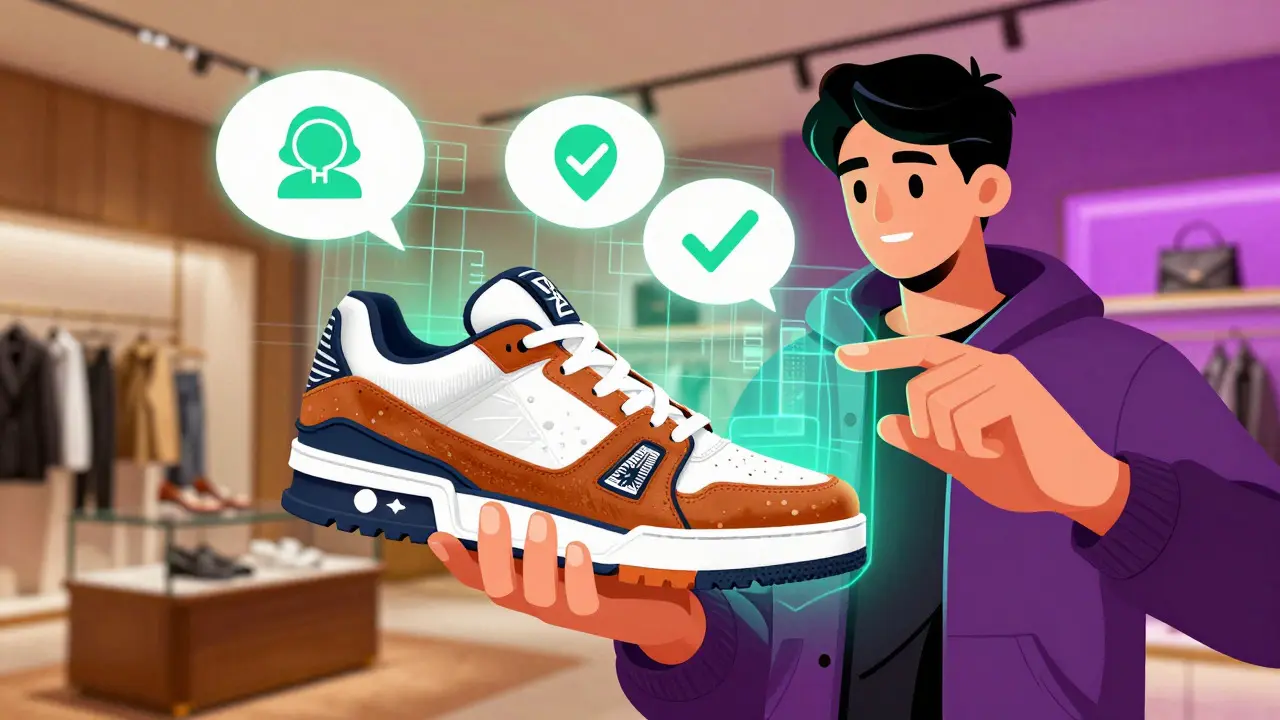
We’re also seeing convergence with the metaverse. Brands are issuing NFTs that not only authenticate physical goods but also unlock virtual counterparts. Buy a physical Gucci sneaker, get a digital version for your avatar. This dual utility makes the NFT more valuable to the consumer, turning a simple receipt into a collectible asset. As AI-powered analytics improve, we’ll see better detection of emerging counterfeiting patterns, making the ecosystem even tighter. The future isn’t just about proving something is real; it’s about owning a seamless blend of physical and digital identity.
What is an NFT in luxury goods?
An NFT in luxury goods is a unique digital token stored on a blockchain that acts as a certificate of authenticity for a physical item. It contains immutable data about the product's origin, ownership history, and specifications, ensuring it cannot be forged.
How do I verify a luxury item with an NFT?
You typically use your smartphone to scan an NFC chip or QR code embedded in the product. This action connects to the blockchain network associated with the brand (like AURA or Arianee) and displays the item's digital passport, confirming its authenticity and ownership history.
Can NFTs stop all counterfeiting?
While NFTs make duplication virtually impossible due to blockchain's immutability, they don't eliminate all risks. Sophisticated counterfeiters may try to hack the digital verification systems or swap chips. However, compared to traditional methods, NFTs significantly reduce fraud by providing a tamper-proof record of provenance.
Do I need a crypto wallet to buy an authenticated luxury item?
Ideally, yes, to fully own and transfer the NFT upon resale. However, many brands are developing user-friendly apps that abstract away the complexity of wallets, allowing customers to interact with their digital passports without managing private keys directly.
Is NFT authentication environmentally friendly?
Modern luxury NFT platforms increasingly use energy-efficient blockchains like Ethereum's Proof-of-Stake or private consortium chains. Additionally, hardware solutions like SEALSQ's secure elements minimize ongoing energy usage, making them much greener than early Bitcoin-era NFTs.
Which luxury brands use NFT authentication?
Major brands including Louis Vuitton, Dior, Prada, Cartier, and Burberry are part of the AURA consortium. Other brands use platforms like Arianee or partner with SEALSQ and WISeKey for hardware-integrated verification.


Kiran Jayaram
August 16, 2026 AT 03:08another corporate buzzword salad designed to extract value from the proletariat while they argue over which blockchain is less energy inefficient
the real issue is that luxury goods are a scam in themselves but sure let's add another layer of digital feudalism on top of it so we can track our indentured servitude via nft
Melissa G
August 17, 2026 AT 14:00The philosophical implication here is quite profound, as we are essentially transitioning from a materialist definition of value to an informational one. By anchoring the physical object to an immutable ledger, we are not merely authenticating the bag; we are validating the narrative of its existence within a globalized capitalist framework. It forces us to consider whether the 'soul' of an object resides in its tactile reality or in the consensus of its digital record. This shift mirrors broader cultural movements where provenance and story often outweigh utility, suggesting that our future economy will be driven by verified authenticity rather than mere possession.
miranda gamboa
August 18, 2026 AT 11:27Let’s leverage this paradigm shift to optimize our authentication workflows! The integration of NFC secure elements with decentralized ledgers creates a robust ecosystem for provenance tracking. We need to synergize these technologies to mitigate counterfeiting risks and enhance brand equity through transparent data streams. The ROI on implementing such cryptographic verification systems is substantial, especially when considering the reduction in dispute resolution costs. Let’s empower stakeholders with actionable insights derived from blockchain analytics to drive strategic decision-making in the luxury sector!
Patrick Pat
August 19, 2026 AT 06:17I suppose if you have ten thousand dollars to burn on a handbag, you might as well ensure the receipt is stored on a server that doesn't require a password reset. Because nothing says 'luxury experience' like tapping your phone against a leather strap to verify you didn't just buy a replica from a guy named Steve in Queens. But hey, at least the carbon footprint of minting the token is smaller than the guilt of owning something purely for status.
Patrick Quairoli
August 19, 2026 AT 15:34they want u to believe the chip cant be copied lol
its all part of the great reset agenda to track every item u own so when they seize ur assets they know exactly what was in ur closet
the eu digital product passport is just surveillance capitalism dressed up as sustainability
wake up sheeple the chips are backdoors for central bank digital currencies to monitor ur spending habits in real time
Uday N M
August 21, 2026 AT 02:06Western brands try to solve their own incompetence with technology instead of improving quality. Indian craftsmanship has maintained authenticity for centuries without needing expensive chips or foreign blockchains. This is unnecessary complication imposed by global conglomerates who do not understand true value. Local artisans provide better heritage and trust than any digital certificate ever could.