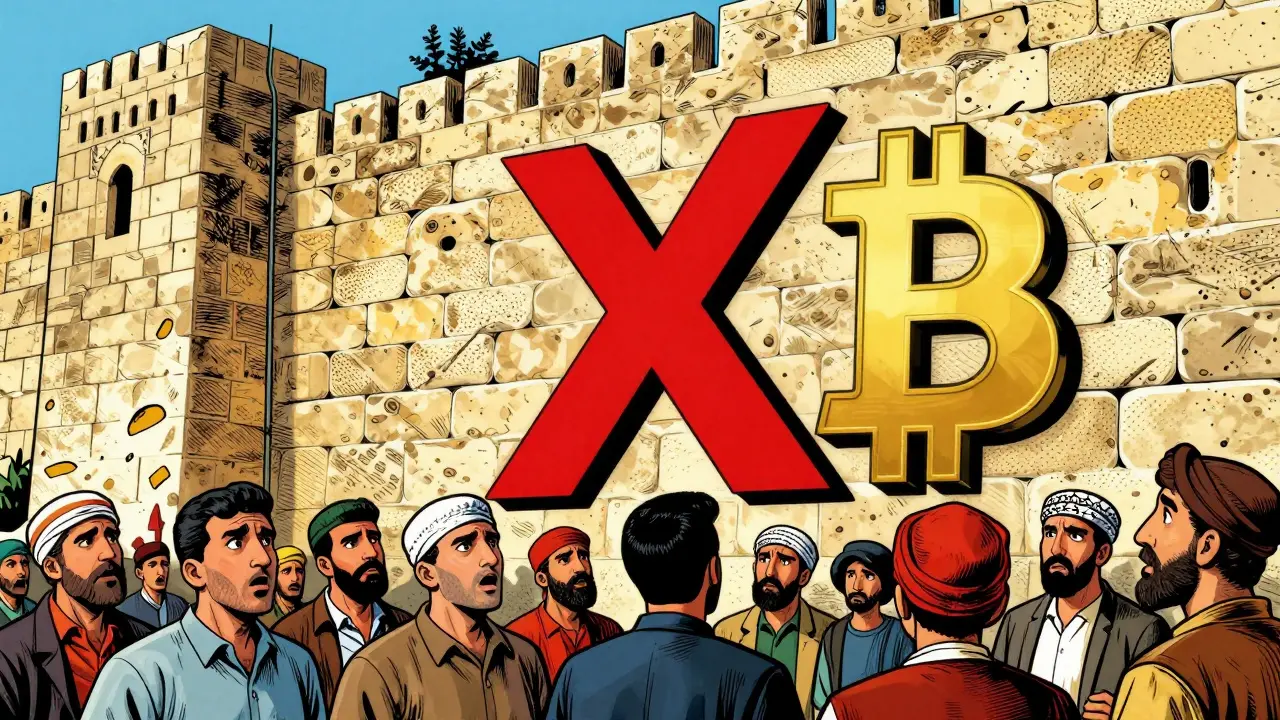
North Korea money laundering: How crypto fuels illicit state operations
When you think of North Korea money laundering, a state-driven scheme using digital currencies to evade global sanctions and finance nuclear weapons. Also known as DPRK crypto laundering, it’s not just hacking—it’s organized financial warfare. Unlike criminals hiding cash under mattresses, North Korea’s cyber units operate like military units: disciplined, well-funded, and focused on results. They don’t steal for personal gain. They steal to keep the regime alive.
This isn’t theoretical. In 2022, the UN estimated North Korea stole over $1.7 billion in crypto since 2017. That’s more than the entire annual budget of some small nations. The method? Hack exchanges, exploit smart contracts, and wash funds through mixers and DeFi protocols. They use crypto laundering, the process of disguising the origin of stolen digital assets using blockchain obfuscation techniques to turn Bitcoin from a traceable ledger into untraceable cash. They target small, unregulated exchanges—ones like BitxEX or DubiEx—that lack KYC checks. Once funds hit these platforms, they’re swapped into privacy coins like Monero or moved through cross-chain bridges that ignore audit trails.
The real danger? It’s working. While the U.S. and EU freeze bank accounts and block SWIFT payments, North Korea’s hackers keep moving. They use DPRK cryptocurrency, a broad term for digital assets directly tied to state-backed theft operations not as investment tools, but as payment instruments for weapons tech, mercenaries, and cyber mercenaries. They’ve even paid for server farms in Vietnam and mining rigs in Russia using stolen ETH and USDT. And because crypto moves faster than diplomacy, regulators are always chasing shadows.
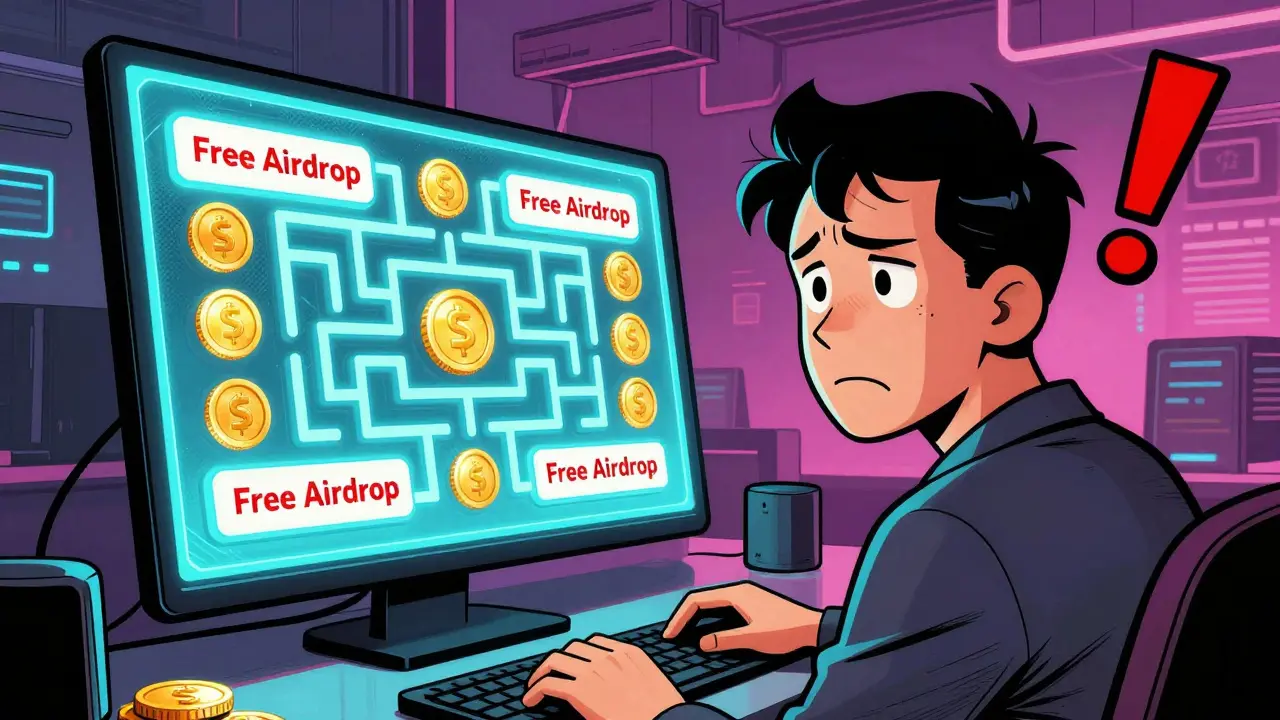
What you’ll find in this collection isn’t theory—it’s proof. Posts break down how North Korean groups like Lazarus use fake airdrops to trap victims, how stolen funds flow through exchanges with no oversight, and why projects like TRO or SUNI are often fronts for laundering. You’ll see how exchange inflows and outflows reveal suspicious patterns, how state-controlled mining in Venezuela mirrors North Korea’s own tactics, and why China’s crypto crackdown was partly about cutting off these same financial pipelines. This isn’t about speculation. It’s about survival—for the regime, and for anyone trying to keep crypto clean.
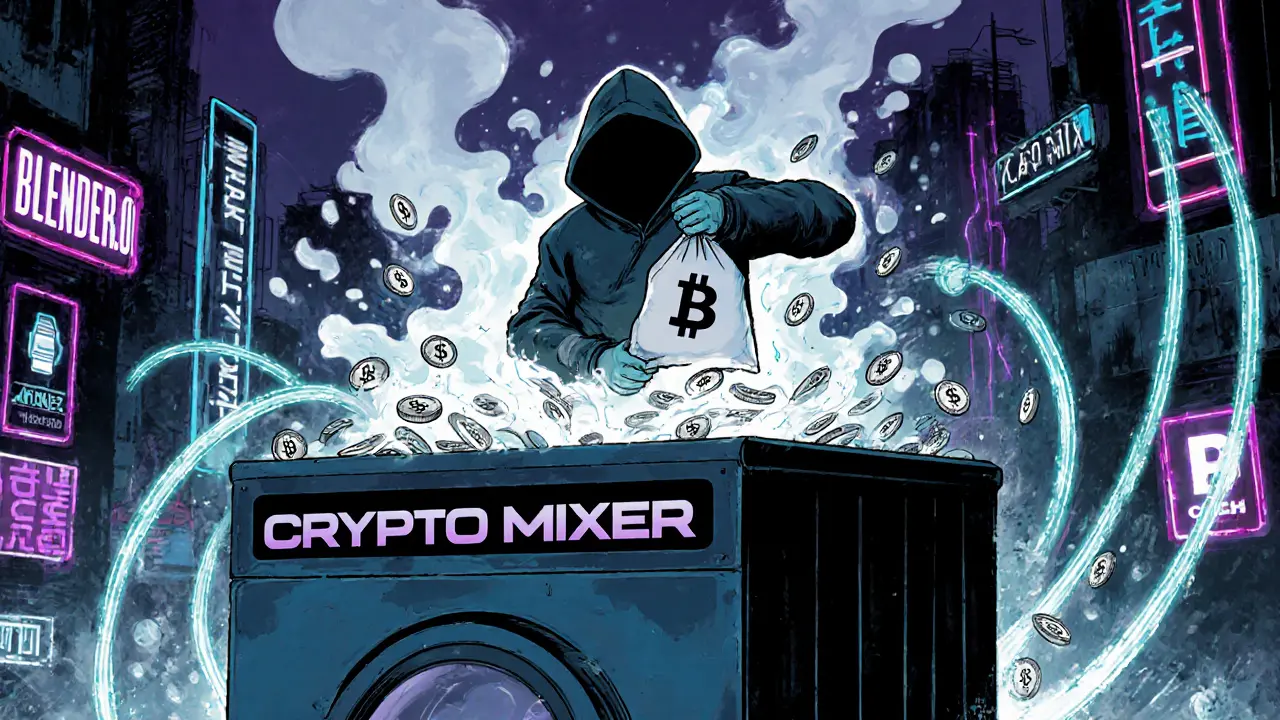
Cryptocurrency Mixing Services and North Korea Money Laundering: How Illicit Funds Hide on the Blockchain
- 8 Comments
- Aug, 8 2025
Cryptocurrency mixing services help hide the origins of stolen funds, enabling North Korea to launder billions in crypto. Learn how these tools work, why they're hard to stop, and what it means for users.