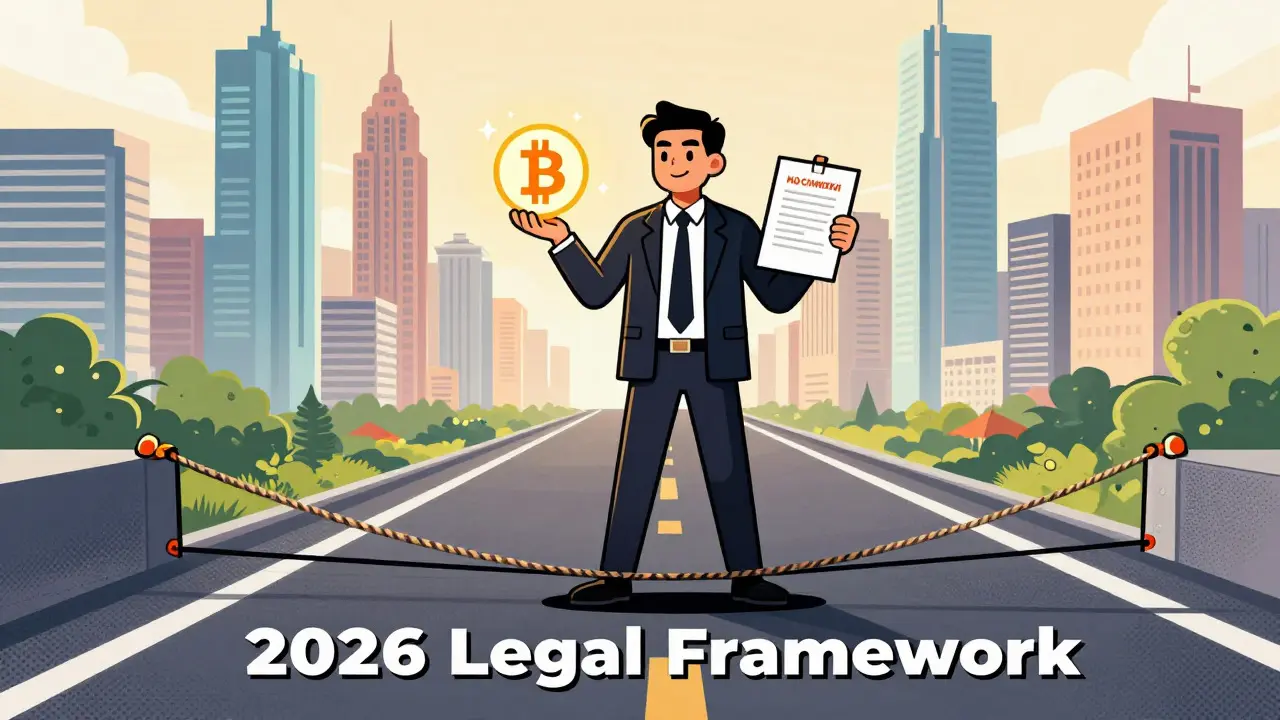
For years, trading Bitcoin in Vietnam felt like walking a tightrope without a net. You could buy, sell, and trade, but the law never quite said it was okay. Now, as of 2026, that gray area has vanished. Vietnam has moved from regulatory ambiguity to becoming the first country in the world with a comprehensive legal framework for digital assets. If you are an investor or a business owner looking at the Vietnamese market, understanding these new rules is no longer optional-it is essential.
The landscape shifted dramatically on June 14, 2025, when the National Assembly passed Law No. 71/2025/QH15 on Digital Technology Industry. This legislation took effect on January 1, 2026. It formally recognizes virtual assets, cryptocurrencies, NFTs, and virtual currencies. For the first time, your crypto holdings have full civil protection under Vietnamese law. They can be owned, traded, and inherited just like any other property. But with this clarity comes strict control. The government is not opening the floodgates; it is building a controlled runway.
From Gray Area to Clear Framework
To understand where we stand today, we need to look back at the confusion of the past. Since 2017, Vietnam had blockchain development and crypto trading activities that weren't strictly forbidden but lacked official recognition. Courts struggled to adjudicate disputes because there were no clear laws. Investors worried about ownership rights. Developers operated in uncertainty.
This changed in February 2024 when Decision No. 194/QD-TTg assigned the Ministry of Finance to draft a legal framework by May 2025. By March 2025, Directive No. 05/CT-TTg pushed for comprehensive management of digital assets. The result is the current system: a move from "ignore it" to "regulate it tightly." Dr. Tran Quy, President of the Vietnam Institute for Digital Economy Development, calls this a strategic decision to open a controlled runway for technology and capital within a legal framework.
How the New Law Classifies Digital Assets
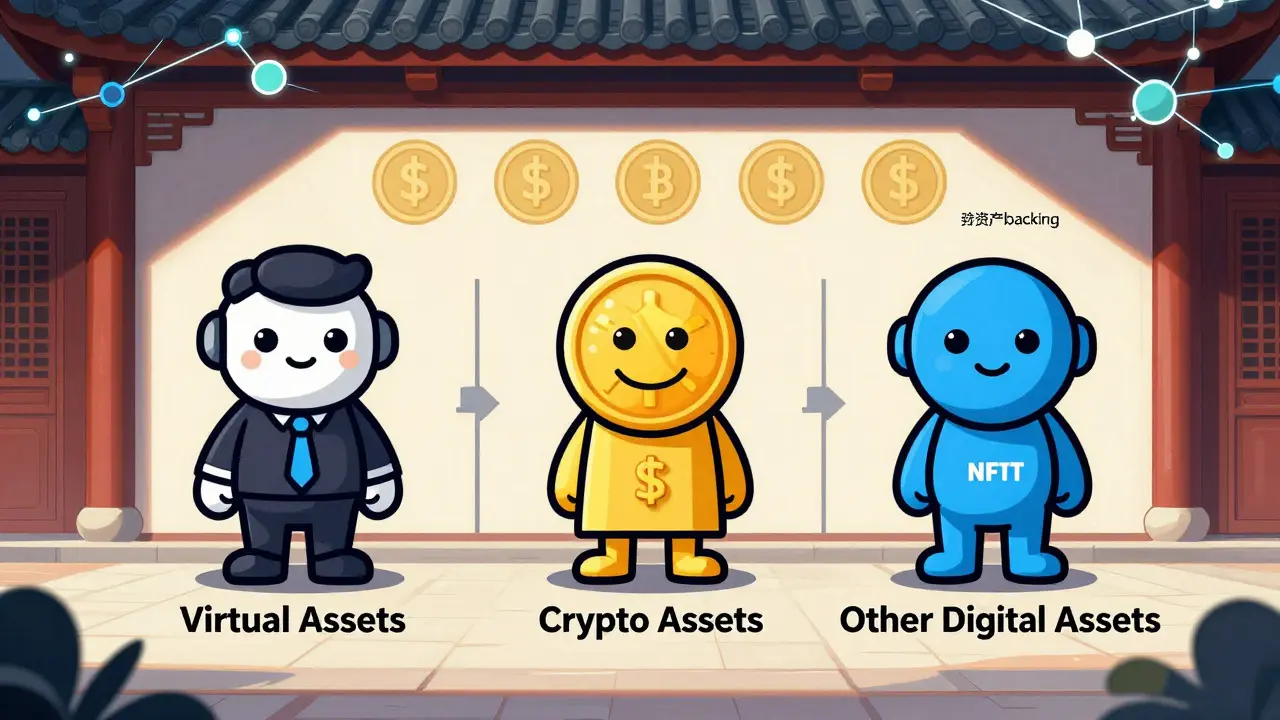
Law No. 71/2025/QH15 does not treat all digital tokens the same. It categorizes them into three distinct types to ensure proper oversight:
- Virtual Assets: These are used for exchange or investment purposes in electronic environments. Think of standard cryptocurrencies like Bitcoin or Ethereum used for speculation or holding value.
- Crypto Assets: These utilize encryption technology for authentication during creation and transfer. This category focuses on the technological mechanism of security and verification.
- Other Digital Assets: This includes NFTs (Non-Fungible Tokens) and utility tokens with broader use cases, such as access to services or digital collectibles.
Importantly, the law excludes securities and digital forms of legal currency from the crypto asset definition. This distinction matters because it determines which regulatory body oversees the asset and what tax rules apply.
The Pilot Program: Resolution 05/2025/NQ-CP
While the main law provides the foundation, the immediate operating rules come from Resolution 05/2025/NQ-CP, signed by Deputy Prime Minister Ho Duc Phoc on September 9, 2025. This resolution launched a five-year pilot program with strict operational controls. Here is what you need to know if you plan to trade or operate in Vietnam now.
Trading Must Be in Vietnamese Dong
All crypto transactions-from issuance to trading and payments-must be conducted exclusively in Vietnamese dong (VND). This means you cannot directly swap US Dollars for Bitcoin on a Vietnamese platform. Every entry and exit point involves the local currency. This rule aims to protect the national currency's stability and give the State Bank of Vietnam better visibility into capital flows.
Strict Requirements for Service Providers
If you want to run a crypto exchange or service provider in Vietnam, the barriers to entry are high. You must register as a Crypto Asset Service Provider (CASP). The requirements include:
- Legal Structure: Issuers must be Vietnamese enterprises registered as limited liability companies or joint stock companies under the Law on Enterprises.
- Minimum Capital: A staggering 10 trillion Vietnamese dong (approximately $400,000 USD depending on exchange rates) is required. This filters out small startups and consolidates the market among well-capitalized players.
- Licensing: Foreign investors can only offer crypto assets through CASPs licensed by the Ministry of Finance.
Restrictions on Asset Backing
The regulation explicitly prohibits crypto assets backed by fiat currencies or securities. This effectively bans most stablecoins (like USDT or USDC) and tokenized securities from being issued locally. Instead, crypto assets must be backed by real assets only. This is a significant departure from global markets where stablecoins dominate trading pairs.

Rules for Domestic vs. Foreign Investors
The treatment of investors depends heavily on their residency status. The government wants to encourage foreign capital while protecting domestic retail investors.
| Feature | Domestic Investors | Foreign Investors |
|---|---|---|
| Access Method | Must use licensed Vietnamese CASPs after a 6-month transition period. | Can trade through CASPs licensed by the Ministry of Finance. |
| Currency Used | Vietnamese Dong (VND) only. | Vietnamese Dong (VND) only for transactions within Vietnam. |
| Asset Types Allowed | Real-asset-backed crypto assets. | Real-asset-backed crypto assets. |
| Risk Level | Highly regulated, limited product variety. | Regulated, but more access to institutional-grade platforms. |
For domestic investors, there is a six-month grace period following the first CASP licensing. After this window closes, trading through unlicensed entities becomes illegal. Violations can lead to administrative sanctions or even penal liability, depending on the severity. This is a stark contrast to the previous era where peer-to-peer trading was largely ignored.
Taxation and Compliance
Money always leaves a trail, and Vietnam is making sure it tracks every byte. Market participants must comply with strict regulations on preventing money laundering, terrorism financing, and the proliferation of weapons of mass destruction. Information security and cybersecurity standards are also mandatory.
Regarding taxes, the policy currently mirrors securities taxation until separate regulations are issued. This means capital gains from crypto trading may be subject to similar withholding taxes as stock dividends or sales. While specific rates can vary based on individual circumstances, treating crypto like traditional financial assets ensures the state captures revenue from this growing sector.
Why This Matters for Global Crypto Trends
Vietnam’s approach is unique. Unlike countries that ban crypto entirely or those that embrace it with minimal regulation, Vietnam is choosing a middle path: heavy regulation with full legal recognition. This positions Vietnam as a potential regional hub for digital assets in Southeast Asia.
The prohibition on fiat-backed stablecoins might seem restrictive, but it forces innovation in real-world asset tokenization. Companies will need to find ways to back tokens with tangible assets like commodities, real estate, or infrastructure projects. This could lead to a more stable, albeit less volatile, crypto market compared to the wild west of global exchanges.
For international businesses, the 10 trillion VND capital requirement signals that Vietnam is serious about quality over quantity. Only established firms with deep pockets will survive the initial phase. This reduces the risk of scams and bankruptcies that have plagued the industry elsewhere.
Practical Steps for Navigating the New Rules
If you are planning to engage with the Vietnamese crypto market, here is a checklist to stay compliant:
- Verify Your Counterparty: Ensure any exchange or service provider you use holds a valid CASP license from the Ministry of Finance.
- Prepare for VND Transactions: Set up banking channels that allow easy conversion between your primary currency and Vietnamese Dong.
- Audit Your Holdings: If you hold stablecoins or security tokens, review how they fit into the new classification. You may need to adjust your portfolio to align with "real asset" backing requirements.
- Document Everything: Keep detailed records of all transactions for tax purposes and anti-money laundering compliance.
- Monitor Regulatory Updates: The five-year pilot program means rules may evolve. Stay connected with official announcements from the Ministry of Finance.
The transition from a gray area to a structured framework is complete. The question is no longer whether crypto is legal in Vietnam, but how you will navigate its specific, strict, and innovative rules. With clear civil protections and defined operational boundaries, Vietnam offers a predictable environment for those willing to play by the book.
Is Bitcoin legal in Vietnam in 2026?
Yes, Bitcoin and other cryptocurrencies are legally recognized under Law No. 71/2025/QH15, which took effect on January 1, 2026. However, trading must occur through licensed Crypto Asset Service Providers (CASPs) and transactions must be conducted in Vietnamese Dong.
Can foreigners trade crypto in Vietnam?
Yes, foreign investors can trade crypto assets in Vietnam. They must do so through CASPs licensed by the Ministry of Finance. All transactions must still be settled in Vietnamese Dong.
What is the minimum capital to start a crypto exchange in Vietnam?
The minimum capital requirement for a Crypto Asset Service Provider (CASP) is 10 trillion Vietnamese dong. This is designed to ensure only well-capitalized and stable entities operate in the market.
Are stablecoins allowed in Vietnam?
Fiat-backed stablecoins (like USDT or USDC) are prohibited from being issued locally. Crypto assets must be backed by real assets only. This restricts the availability of traditional stablecoins in the domestic market.
How are crypto assets taxed in Vietnam?
Currently, crypto asset transactions are taxed similarly to securities until separate regulations are issued. This typically involves withholding taxes on capital gains, mirroring traditional stock market treatments.
What happens if I trade crypto through an unlicensed platform?
After the six-month transition period, domestic investors must use licensed organizations. Trading through unlicensed platforms can result in administrative sanctions or penal liability, depending on the severity of the violation.
When did Vietnam's new crypto law take effect?
Law No. 71/2025/QH15 on Digital Technology Industry was passed in June 2025 and officially took effect on January 1, 2026.



Heather Austin
July 21, 2026 AT 07:31so basically if you want to trade in vietnam now you gotta deal with the dong and find a licensed exchange which is gonna be tough since they need like 400k usd just to open shop. it feels like they are trying to keep the little guys out but hey at least its legal now so your bitcoin cant just vanish into thin air without some civil recourse. i think this is actually pretty smart for a developing economy because it stops the wild west stuff while still letting tech companies grow. just dont expect to see usdt on these local platforms anytime soon
Lisa Chong
July 21, 2026 AT 17:27the state wants to watch every transaction and control the currency flow which is exactly what they do when they want to crush dissent and track who is talking about what. they call it regulation but it is really just surveillance capitalism wrapped in a flag. you think your assets are safe but the government holds the keys to the kingdom and can freeze them whenever they feel threatened by independent wealth. do not trust the system because the system is designed to control you not liberate you. the real freedom was never in the blockchain anyway it was in the disconnect from their grid entirely.
Ran Tao
July 21, 2026 AT 22:01oh please spare me the conspiracy nonsense 🙄. look at the facts here people. 10 trillion dong minimum capital means only the elite players survive which is good because we do not need another ftx disaster happening in southeast asia. it is pretentious to think that some random guy in his basement should be allowed to run a financial institution without oversight. this is high finance for the sophisticated investor not for the degens chasing meme coins. embrace the structure or go back to trading on your phone under a blanket 📉🚀
Shay Thomson
July 23, 2026 AT 16:35i think there is room for both perspectives here honestly. yes the capital requirements are steep and yes the surveillance aspect is concerning for privacy advocates. but on the flip side having clear laws protects the average person from scams which have been rampant in the crypto space. maybe the key is finding a balance where innovation can thrive without total state control. let us hope the pilot program evolves in a way that respects individual rights while maintaining stability. it is a delicate dance after all 💃🕺
DJ Maleko
July 24, 2026 AT 04:05let us cut through the noise and look at the bottom line which is tax revenue. the government does not care about your ideology or your freedom they care about capturing value from capital gains. treating crypto like securities means they get a slice of every pie you bake. plus the ban on stablecoins is a direct hit on dollarization which is a huge win for the central bank wanting to maintain monetary policy control. stop romanticizing decentralization when the exit ramps are all paved with red tape and compliance checks 📊💸