Energy Impact Calculator
How Mining Impacts Angola's Power Grid
Calculate the real impact of crypto mining operations on essential services. Based on data from Angola's 2024 ban.
Energy Calculator
Enter mining operation details to see how much energy is used versus essential services.
Results
On April 10, 2024, Angola shut down its entire cryptocurrency mining industry overnight. Not with a warning. Not with a phase-out. Not with a fine. With prison.
By that date, Angola had become the eighth-largest Bitcoin mining country in the world. It was the biggest in Africa. Chinese mining companies had moved in after China banned crypto in 2021, setting up massive operations that used more electricity than entire towns. Then, the government pulled the plug.
Why Angola Banned Crypto Mining
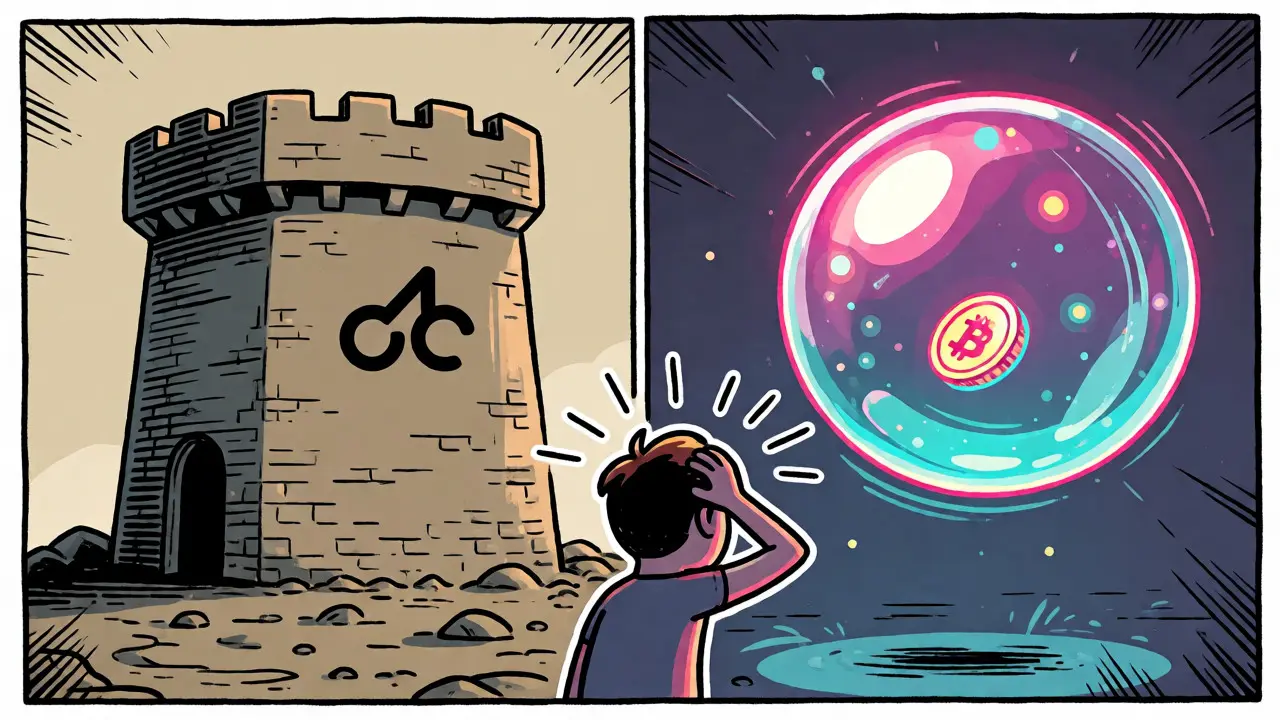
It wasn’t about fear of crypto. It wasn’t about ideology. It was about lights going out.
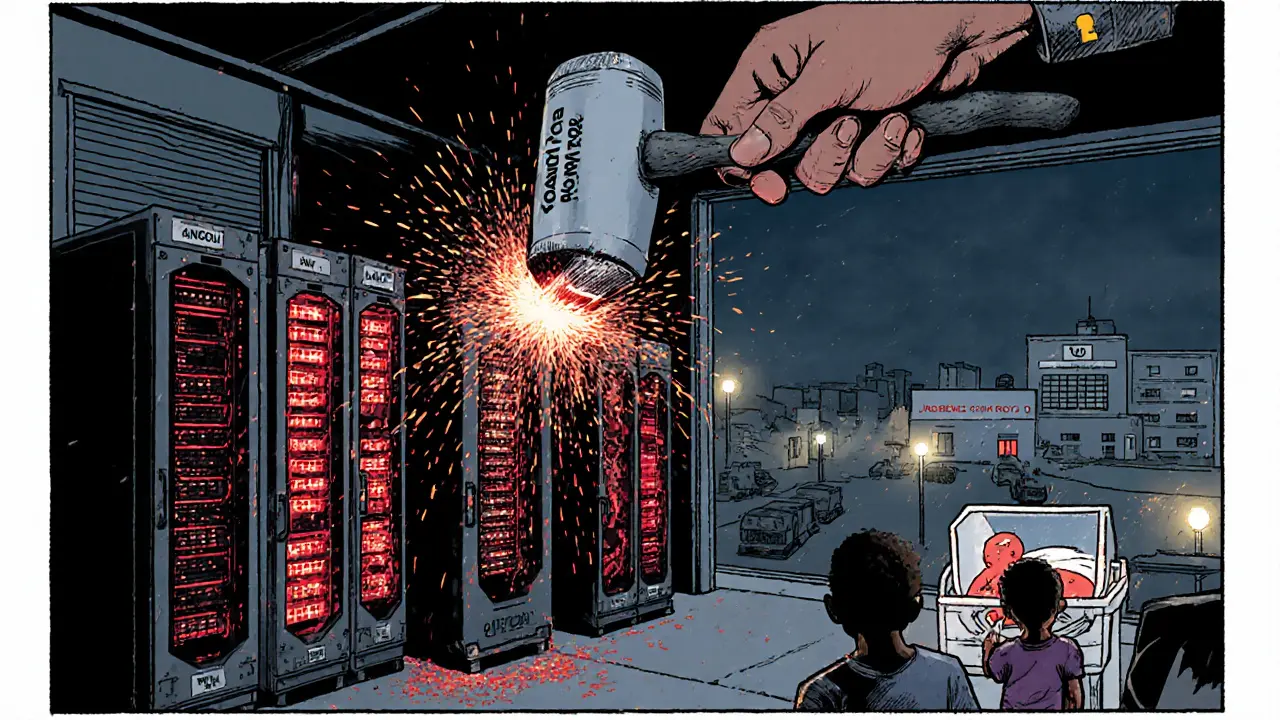
Angola’s power grid was collapsing under the weight of Bitcoin miners. In some areas, residents got electricity for just three hours a day. Meanwhile, mining farms ran 24/7, using industrial-grade power lines meant for factories and hospitals. Utility companies couldn’t keep up. Schools couldn’t run air conditioning. Hospitals had to rely on generators. People were angry.
The government didn’t just want to stop mining - it needed to save lives. If you’re trying to keep a newborn alive in an incubator and the power cuts out because a mining rig is sucking up 2 megawatts, you don’t negotiate. You shut it down.
What the Law Actually Says
Law No. 3/24 didn’t just say “no mining.” It listed exactly what’s illegal:
- Running any device to mine Bitcoin, Ethereum, or any other cryptocurrency
- Using any electrical license or connection for mining
- Plugging mining rigs into the national power grid
Possessing mining hardware? That’s a crime. Not using it. Just owning it. You could go to jail for one to five years - even if you never turned it on.
If you actually mined? You’re looking at one to twelve years behind bars. Foreigners? You get deported. Company owners? You lose your right to run any business in Angola. And everything you own - rigs, generators, even the building they’re in - gets seized.
The Big Crackdown
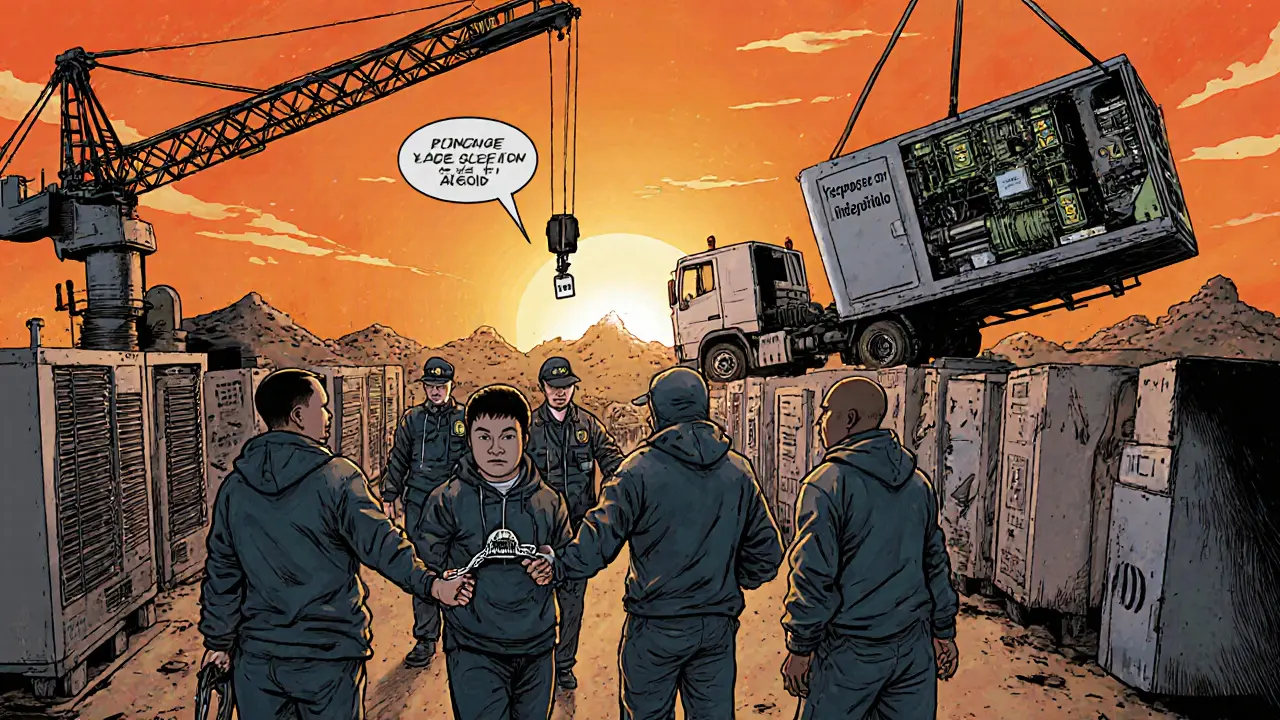
Three months after the ban, Interpol and Angolan police raided 25 illegal mining farms. All of them were run by Chinese nationals. They seized over $37 million worth of equipment: 12,000 mining rigs, 400 high-voltage transformers, backup diesel generators, and cooling systems.
The Chinese Embassy had already warned its citizens. A notice in April 2024 said: “Mining is now a criminal offense. Possession of equipment is punishable by imprisonment.” Many miners fled. Others ignored it. They got caught.
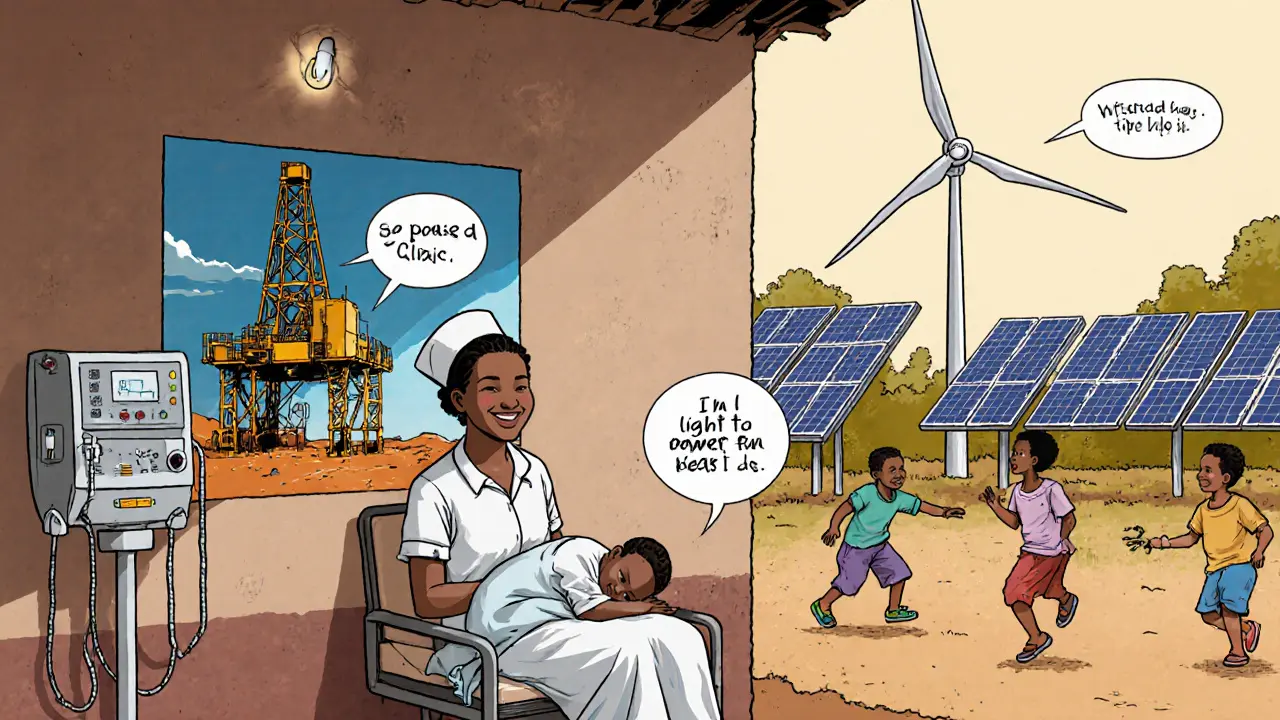
The government didn’t just lock up the miners. It made a public show of what happened next. The seized gear? They’re shipping it to hospitals, schools, and clinics in rural areas. One hospital in Huambo got 200 new ventilators. A school in Benguela got solar panels powered by repurposed mining hardware. The message was clear: this wasn’t punishment. It was redistribution.
Who Was Mining in Angola?
Before the ban, Angola was home to over 1,200 mining operations. Most were run by Chinese companies that had moved out of China after Beijing’s 2021 crypto crackdown. They picked Angola because:
- Electricity was cheap
- Regulations were loose
- There was no clear law against it - yet
Some of these operations were disguised as data centers or manufacturing plants. Others were just warehouses filled with rigs, running off illegally tapped power lines. One farm in Luanda used more electricity than the entire city of Malanje.
Angola didn’t have the infrastructure to handle this. Its power grid was already outdated. Only 45% of the population had reliable access to electricity. Mining made it worse.
Was the Ban Legal?
Yes. But it’s messy.
The law has a technical flaw. Article 12, which outlines penalties for companies, references an article that doesn’t exist. Legal experts from CMS Law Firm say this could cause confusion in court. If a company’s lawyer points out the error, could the case collapse? Maybe. But no one’s been acquitted yet.
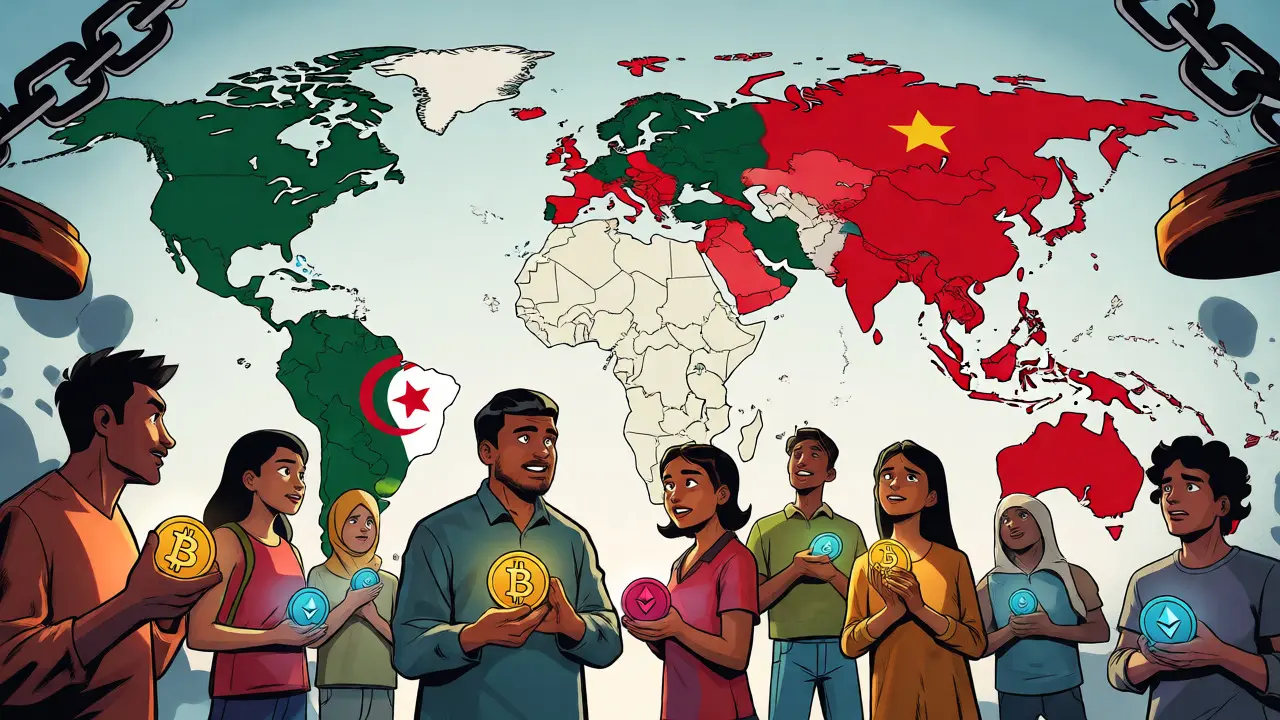
And here’s the catch: Angola didn’t ban crypto. You can still own Bitcoin. You can still trade it. You just can’t mine it. You can’t use electricity to make it. That’s the line.
What This Means for the Global Crypto Market
Angola was producing over 3% of the world’s Bitcoin hash rate before the ban. That’s more than Canada. More than France. More than Iran.
When Angola shut down, the global Bitcoin network lost a major chunk of computing power overnight. Prices didn’t crash - miners in the U.S., Kazakhstan, and Russia absorbed the gap. But the event showed something important: governments can flip a switch and erase a major mining hub in days.
It also scared other countries. Zambia cracked down on crypto scams that cost people $300 million. Nigeria tightened rules on exchanges. Even Kenya started auditing mining operations. Angola didn’t just ban mining - it set a precedent.
What’s Happening Now?
As of November 2025, there are no known legal mining operations in Angola. The government says it’s monitoring power usage in real time. Any spike in demand from a residential area triggers an automatic alert. If they find a hidden rig, they show up with police and a court order.
Some miners tried to go underground. They used solar panels, batteries, and private generators. But those setups are expensive and hard to hide. The government now requires all new electrical installations - even for homes - to be registered and monitored. Unauthorized connections are tracked using AI-powered grid analytics.
There’s no sign the ban is lifting. In fact, Angola is now pushing to become a regional hub for clean energy - not crypto. They’re building new hydroelectric dams and investing in solar farms. The goal? Power every household, not every rig.
What This Tells Us About Crypto Regulation
Angola’s ban wasn’t about controlling money. It was about controlling power.
Most countries that ban crypto do it because they’re scared of losing control over finance. Angola didn’t care about wallets or exchanges. They cared about whether a nurse could run an IV drip during a blackout.
This is the future of crypto regulation: not ideology, not fear, but resource scarcity. When energy, water, or land becomes limited, governments will prioritize survival over innovation. Crypto mining doesn’t feed people. It doesn’t heal the sick. It doesn’t power schools.
Angola chose who got the power. And they chose the people.



imoleayo adebiyi
November 25, 2025 AT 15:53Angola’s move isn’t just about power-it’s about dignity. When a child’s incubator dies because a mining rig hogged the grid, no algorithm can justify that. This wasn’t anti-crypto. It was pro-human.
ola frank
November 26, 2025 AT 06:39The legal architecture here is fascinating. Article 12 referencing a non-existent clause is a textbook case of legislative haste-but the substantive intent overrides procedural fragility. The state exercised police power under the doctrine of *salus populi suprema lex esto*. The fact that seizures were repurposed for public infrastructure transforms this from repression to utilitarian reallocation. This is not a ban; it’s a recalibration of resource sovereignty.
SHASHI SHEKHAR
November 26, 2025 AT 18:04Bro this is wild 😱 I mean imagine owning a rig and getting jail time even if you never turned it on?! Like... just having a bunch of ASICs in your garage = felony? That’s next level 🤯 But honestly? I get it. If my town’s hospital kept losing power because some dude was mining in a warehouse 2 blocks away, I’d be mad too. At least they’re turning the gear into ventilators and solar panels-so it’s not just destruction, it’s redemption 💪🩺☀️
Abby cant tell ya
November 28, 2025 AT 03:59Wow so now the government gets to decide who gets electricity? Sounds like socialism with a side of authoritarianism. If you can’t afford to mine, maybe you shouldn’t be in crypto. Grow up.
stephen bullard
November 29, 2025 AT 13:20I think people miss the point here. This isn’t about crypto being good or bad. It’s about what we value when resources are scarce. You can’t mine your way out of a power crisis. You can’t hash your way to a functioning hospital. Angola didn’t ban innovation-they chose life over speculation. And honestly? That’s the most radical thing I’ve seen in this space in years.
Michael Labelle
November 30, 2025 AT 09:07There’s a quiet wisdom here. Most countries panic when crypto grows too big. Angola didn’t panic. They looked at the grid, looked at the kids in the hospital, and made a call. No grand speech. No press conference. Just turned the lights back on for the people who needed them. Sometimes the most powerful move is the one no one expected.
Vaibhav Jaiswal
November 30, 2025 AT 16:01Imagine the scene: police roll up to a warehouse in Luanda, 12,000 rigs humming like a thousand washing machines on steroids, and they just... unplug them. Then they ship the whole thing to a clinic in Benguela and say ‘here, save lives instead.’ That’s not a crackdown. That’s poetry. 🎭⚡
Joel Christian
December 2, 2025 AT 08:00so like... if you have a rig but never turned it on you go to jail? that seems kinda sus like why even have the law if you cant prove they mined? also why not just tax it? why punish? this feels like a power grab not a policy
Angel RYAN
December 3, 2025 AT 19:41Joel’s got a point but I think we’re missing the bigger picture. This isn’t about whether the law is perfect-it’s about whether the people are safe. If a kid’s on a ventilator and the power flickers because someone’s mining in the next town, no amount of legal technicalities matters. Angola didn’t ban crypto. They banned choosing profit over survival. And honestly? I’m not mad about it. We need more leaders who think like this.