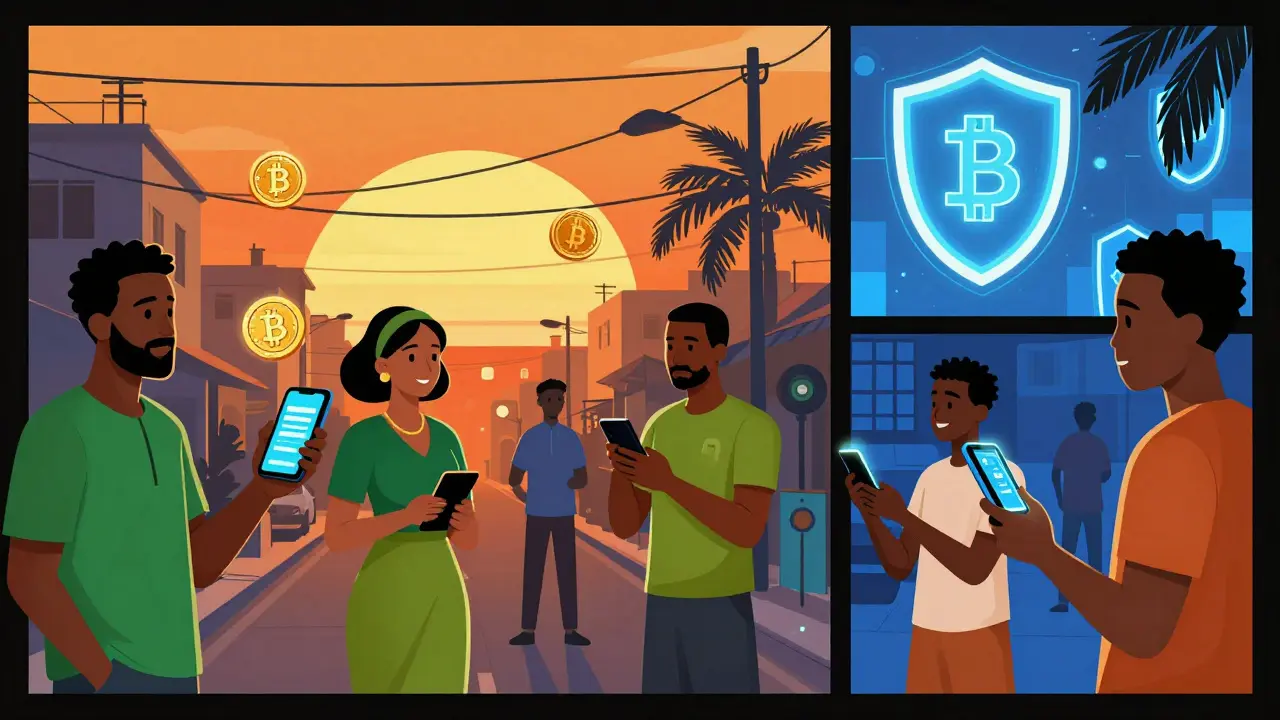
You might have heard conflicting stories about cryptocurrency in Nigeria. One day it seems banned; the next, it’s booming. If you are wondering whether you can legally use crypto for payments right now in 2026, the short answer is yes-but with strict conditions. The days of operating in a legal gray area are over.
Nigeria has undergone a massive regulatory shift. As of early 2026, crypto assets are recognized as securities under the Investments and Securities Act (ISA) 2025. This means using crypto isn't illegal, but you cannot treat it like cash or the Nigerian Naira. It lacks status as legal tender, so you can’t pay your government taxes or official fees directly in Bitcoin. However, peer-to-peer trading, investment, and commercial transactions through licensed platforms are fully regulated and permitted.
The Big Shift: From Ban to Regulation
To understand where things stand today, you need to look back at how far we’ve come. For years, the landscape was chaotic. In 2021, the Central Bank of Nigeria (CBN) effectively cut off banks from serving crypto companies. Then, in March 2023, President Bola Ahmed Tinubu lifted that ban. But lifting a ban is different from creating a rulebook.
The real turning point came in March 2025. That’s when the ISA 2025 was signed into law. This legislation didn’t just allow crypto; it defined it. By classifying digital assets as securities, the government brought them under the watchful eye of the Securities and Exchange Commission (SEC). Before this, regulators were playing catch-up. Now, there is a clear framework. This change signals that the government sees crypto not as a threat, but as an asset class that needs oversight, much like stocks or bonds.
Who Controls the Rules?
You aren’t dealing with just one agency anymore. Nigeria uses a multi-agency approach to keep the ecosystem safe. Here is who does what:
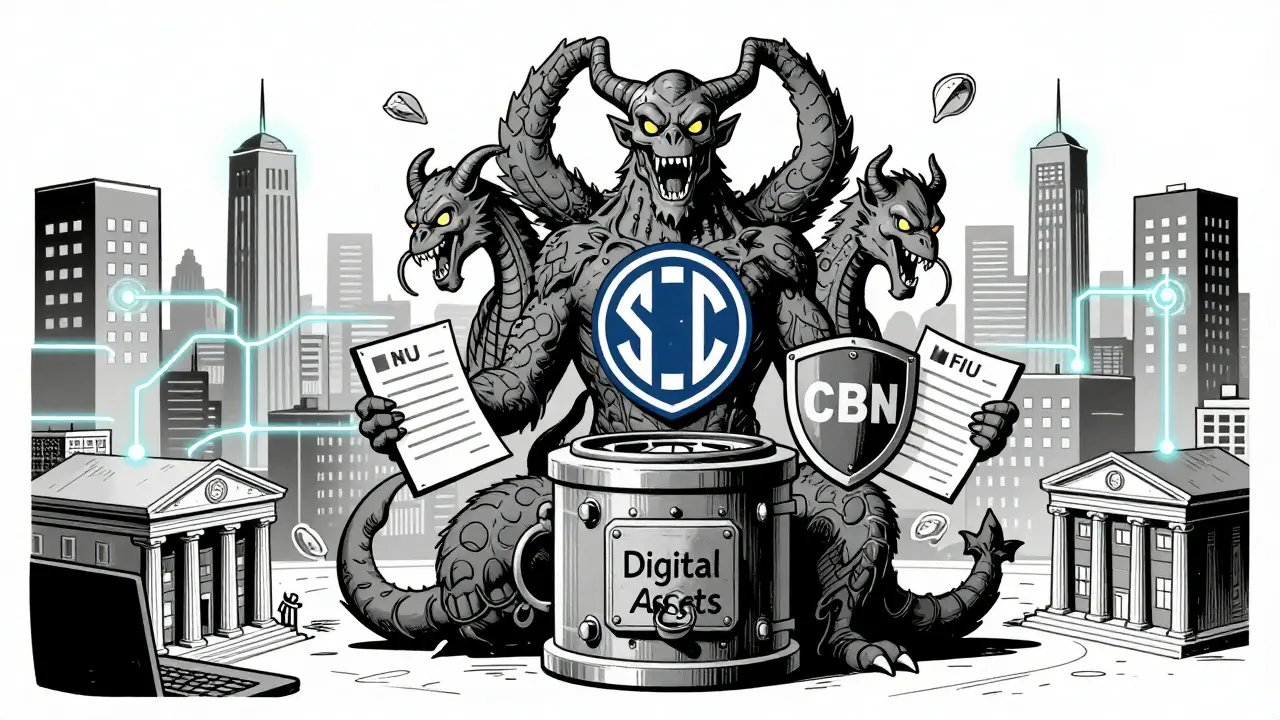
- Securities and Exchange Commission (SEC): They are the primary boss for digital assets. Under the ISA 2025, they license exchanges and Virtual Asset Service Providers (VASPs). If a platform wants to operate legally, it answers to the SEC.
- Central Bank of Nigeria (CBN): They handle monetary policy. Their job is to make sure crypto doesn’t destabilize the Naira or the banking system. Thanks to guidelines issued in late 2023, banks can now serve SEC-licensed crypto firms. This is huge because it allows money to move between your bank account and your crypto wallet without fear of closure.
- Nigerian Financial Intelligence Unit (NFIU): They focus on security. Their main goal is stopping money laundering and terrorism financing. They work closely with the Economic and Financial Crimes Commission (EFCC) to track suspicious flows.
This coordination matters. In the past, agencies often worked against each other. Now, they share data. For example, if the SEC spots a risky exchange, the NFIU can investigate its financial trails. This creates a tighter net around illegal activities while letting legitimate businesses breathe.
Licensing: The New Gatekeeper
If you want to offer crypto payment services in Nigeria, you can’t just launch a website. You need a license. The ISA 2025 requires all VASPs to register with the SEC. This process is rigorous. Regulators vet operators thoroughly to ensure they have the capital, security measures, and compliance teams to protect users.
We’ve already seen major players get the green light. Platforms like Quidax and Busha secured early approvals in 2024. These licenses allow them to operate openly and partner with banks. But don’t think the process is easy. The SEC has shown it will delay approvals if standards aren’t met. Why? Because the penalties for non-compliance are steep.
If you operate without a license, or if you fail to comply after getting one, the fines start at ₦10 million (roughly $6,700) for the first month. After that, it’s another ₦1 million ($670) every single month you stay non-compliant. On top of that, the SEC can revoke your license entirely. This harsh stance tells us one thing: the government is serious about cleaning up the market.
| Feature | Licensed Platform (e.g., Quidax) | Unlicensed/Black Market |
|---|---|---|
| Bank Integration | Allowed (Direct transfers) | Blocked (Accounts frozen) |
| Legal Protection | High (Regulated by SEC) | None (User bears all risk) |
| Tax Compliance | Mandatory (NTAA 2025) | Evasion (Illegal) |
| Fraud Risk | Low (AML checks required) | High (Ponzi schemes common) |
Taxes: Paying Your Share in 2026
Here is where many users get nervous. Starting January 1, 2026, the Nigerian Tax Administration Act (NTAA) 2025 took effect. This means your crypto profits are no longer invisible to the tax man. But before you panic, the rules are actually quite fair compared to global standards.
First, holding crypto isn’t taxable. You only pay when you sell, trade, or earn income from it. Think of it like selling a house or a car. If you buy Bitcoin and hold it for five years, you owe nothing. If you sell it for a profit, that gain is taxed.
For individuals, the rate depends on your total income. It follows a sliding scale, capped at 25% for personal income tax. For companies, it gets more specific. If your business earns between ₦25 million and ₦100 million a year, you pay 20% corporate income tax. Earn over ₦100 million, and the rate jumps to 30%. Additionally, any company charging transaction fees must add 7.5% VAT to those charges.
Why does this matter? Because it legitimizes the industry. When the government collects tax, it acknowledges the sector’s value. Experts call this regime "progressive" because it provides clarity. You know exactly what you owe, which reduces the risk of arbitrary audits or confiscations.
Using Crypto for Payments: What Works and What Doesn’t
So, can you buy coffee with Bitcoin in Lagos? Not yet. Since crypto isn’t legal tender, merchants aren’t obligated to accept it, and they can’t use it to settle debts with the government. However, commercial payments are happening.
Many businesses accept crypto through licensed gateways. These processors convert the crypto to Naira instantly, allowing the merchant to receive fiat currency while the buyer pays in digital assets. This is popular for cross-border trade. A freelancer in Abuja can receive USD in stablecoins from a client in London, then convert it locally without high international wire fees.
Peer-to-peer (P2P) trading remains the backbone of adoption. Nigeria consistently ranks #1 globally in P2P volume. Between July 2024 and June 2025, the country saw $92.1 billion in crypto value flow through these channels. People use this to save against inflation, send remittances home, or simply trade. The key difference now is that these trades happen on regulated platforms that verify identities, reducing the risk of scams.
Avoiding Scams and Illegal Schemes
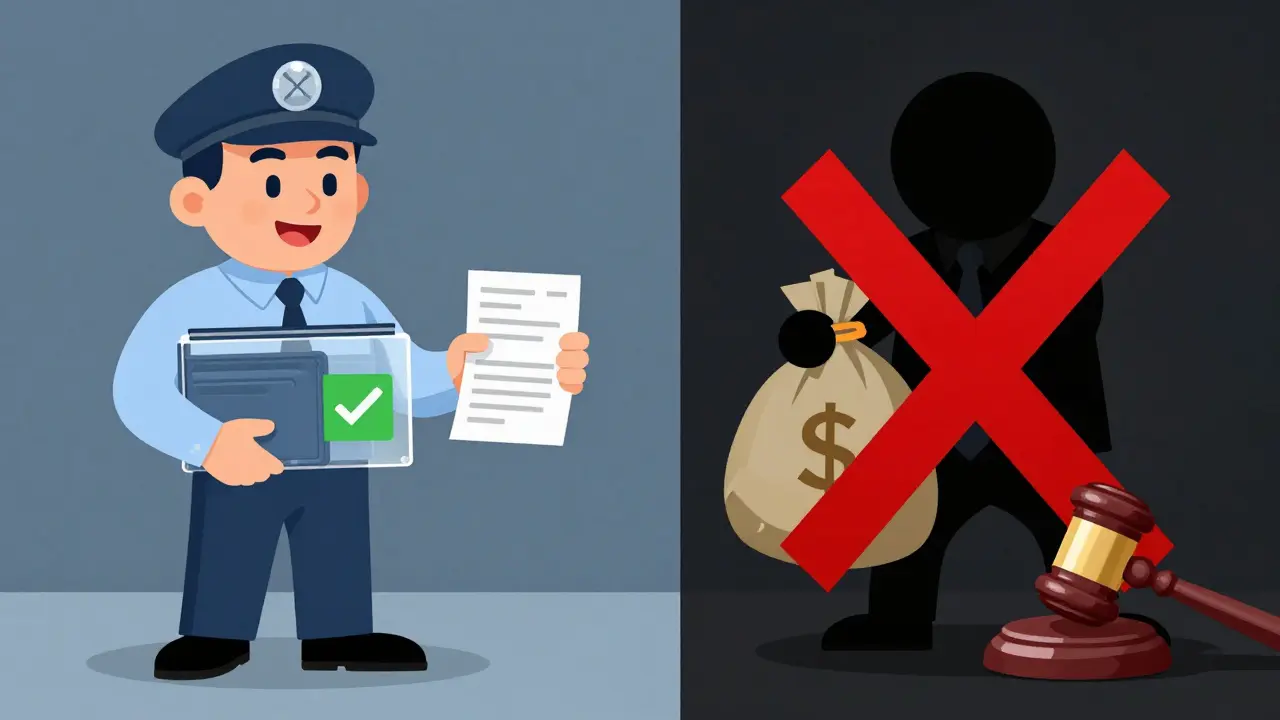
With regulation comes enforcement. The new laws explicitly target Ponzi schemes and fraudulent investment platforms. In the past, scammers used the ambiguity of crypto laws to lure victims. Now, regulators have enhanced tools, including access to telecom records, to track down fraudsters.
If you see a platform promising guaranteed daily returns of 1% or 2%, run. Those are almost always illegal schemes. Legitimate licensed exchanges do not guarantee profits. They provide a marketplace. Always check if a platform is listed on the SEC’s registry of approved VASPs. If it’s not there, you are on your own. The government is cracking down hard on these operations, and recent arrests show they mean business.
What This Means for You
The era of wild west crypto in Nigeria is ending. The new reality is structured, taxed, and monitored. For users, this brings safety. Your funds on a licensed platform are protected by stricter security requirements. For businesses, it brings cost. Compliance is expensive, which might lead to slightly higher fees on some platforms. But it also brings opportunity. With banks allowed to service crypto firms, integration is smoother. You can link your wallet to your bank account without fear of sudden closures.
As we move deeper into 2026, expect more local platforms to emerge and some international ones to leave if they won’t pay for licenses. Stick to the regulated options. It might feel less "anonymous," but it’s infinitely safer for your money.
Is it illegal to own cryptocurrency in Nigeria in 2026?
No, owning cryptocurrency is not illegal. The Investments and Securities Act (ISA) 2025 recognizes digital assets as securities. You can buy, hold, and trade them freely, provided you use licensed platforms.
Can I use crypto to pay for goods and services?
Yes, but with limitations. Crypto is not legal tender, so merchants are not required to accept it, and you cannot use it for government fees. However, private businesses can accept crypto via licensed payment processors that convert it to Naira.
Which banks support crypto transactions?
Banks can now offer accounts and services to SEC-licensed crypto businesses. This means you can transfer money between your bank account and licensed exchanges like Quidax or Busha. Banks still block transactions to unlicensed or suspicious entities.
How much tax do I pay on crypto profits?
Under the NTAA 2025, individual profits are taxed as personal income, with rates capping at 25%. Corporate entities pay 20% to 30% depending on annual revenue. Holding crypto is not taxed; only sales or exchanges for profit trigger tax liability.
What happens if I use an unlicensed exchange?
Using unlicensed platforms carries significant risks. Your bank may freeze transactions related to these sites. Furthermore, you have no legal recourse if the platform fails or engages in fraud. The SEC actively penalizes unlicensed operators, which could lead to service shutdowns.



Michelle Bonahoom
May 24, 2026 AT 00:04typical government overreach they think they can control money now its just another way to tax us into poverty americans should stick to gold and cash not these digital tokens made up by nerds
Matt Davis
May 24, 2026 AT 04:31You are all missing the forest for the trees. This isn't about 'safety' or 'clarity'; it is about state capture of an asset class that was designed to be outside their reach. By classifying crypto as securities, they have effectively neutered the decentralization aspect. It is no longer Bitcoin; it is 'Government-Approved Digital Stock.' The irony is palpable. We traded anonymity for compliance, thinking we were gaining legitimacy, when in fact we were merely handing the keys to our financial freedom back to the very institutions that caused the crises in the first place. Do not mistake regulation for protection. It is often the prelude to expropriation.
Albert Lee
May 24, 2026 AT 17:50I hear your frustration, Matt, and I understand why you feel that way. It is natural to worry about losing control. However, consider the alternative: chaos. Without some level of oversight, how many more people would fall victim to scams? How many more families would lose their savings to Ponzi schemes disguised as investments? Regulation provides a safety net. It allows banks to participate, which means easier access for everyone. It is not perfect, but it is a step towards a more inclusive and secure financial future. Let us focus on the opportunities this opens up rather than dwelling on what we might have lost.
Ankush Pokarana
May 25, 2026 AT 13:02the essence of freedom lies not in the absence of rules but in the wisdom with which they are applied one must ponder whether the structure imposed serves the individual or the state if the latter then we have merely shifted chains from iron to silicon yet there is merit in order for without it society crumbles into entropy so perhaps this is not oppression but evolution a painful birth pang of a new economic reality where trust is algorithmic yet overseen by human hands a delicate balance indeed
Bianca Vilas Boas Lourenço
May 26, 2026 AT 11:11Oh wow, look at you philosophers 🙄 talking about 'evolution' while the rest of us are trying to figure out how to pay taxes on our gains 😂 Meanwhile, I'm just sitting here wondering if my account will get frozen because I bought coffee with Bitcoin last week ☕️🚫 The drama of it all is exhausting. Can we just pretend this didn't happen and go back to ignoring the news? Because clearly, none of you know what you're talking about anyway 💅✨
Yash Lodha
May 27, 2026 AT 08:58The so-called 'regulation' is merely a sophisticated surveillance apparatus disguised as consumer protection. They claim to fight money laundering, yet they are building a database of every transaction, every wallet, and every citizen's financial behavior. The NFIU and SEC are not protecting you; they are profiling you. The 'licensed' platforms are simply informants feeding data to the state. You think you are safe because you are compliant? You are merely making it easier for them to track and freeze your assets when the political winds change. The true danger is not the scammer; it is the system that legitimizes itself through coercion and fear.