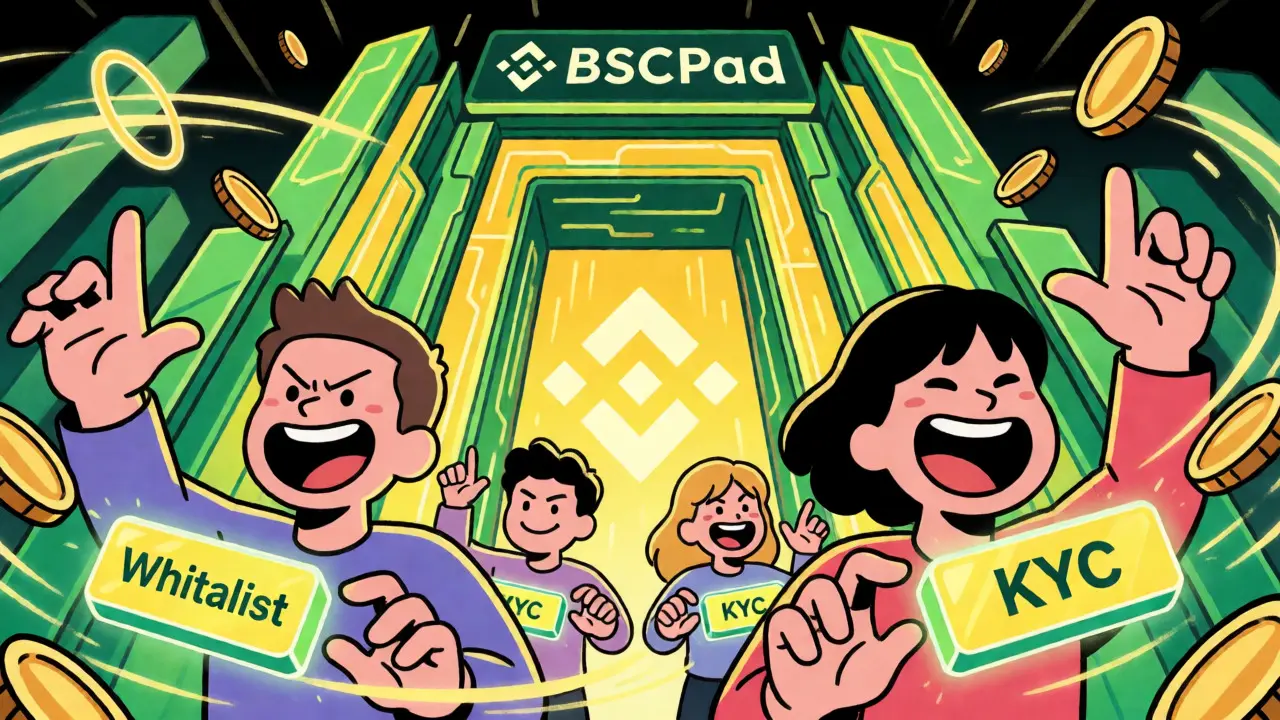
Remember the rush of late 2021? Everyone was hunting for the next big thing in decentralized finance. BitOrbit (BITORB) was one of those names that popped up on radar screens, promising high returns through its Initial DEX Offering (IDO). But here is the hard truth: getting in early doesn't guarantee you stay wealthy. The project launched its Token Generation Event (TGE) back in November 2021, raising $290,000. Fast forward to today, and the market cap sits at a modest $2.83K. What happened? Did the airdrop strategy fail, or did the market just move on? Let's break down exactly how the BitOrbit launch worked, who ran it, and what this tells us about surviving in the crypto trenches.
The Anatomy of the BitOrbit IDO Launch
To understand why things played out the way they did, you have to look at the mechanics. BitOrbit didn't just throw tokens into the void. They used BSCPad, a launchpad operating on the Binance Smart Chain (BNB Chain). At the time, BSCPad was riding high as one of the top-tier platforms for new token launches. Why does this matter? Because the platform you choose acts as a filter-or sometimes, a false sense of security. The fundraising campaign was structured into six distinct rounds. This multi-phase approach is common because it helps manage hype and liquidity. Here is the breakdown of the financials:
- Total Raised: $290,000 across all phases.
- TGE Date: November 4, 2021, at 21:25 UTC+3.
- Platform: BSCPad (Binance Smart Chain).
Vesting Schedules: The Hidden Trapdoor
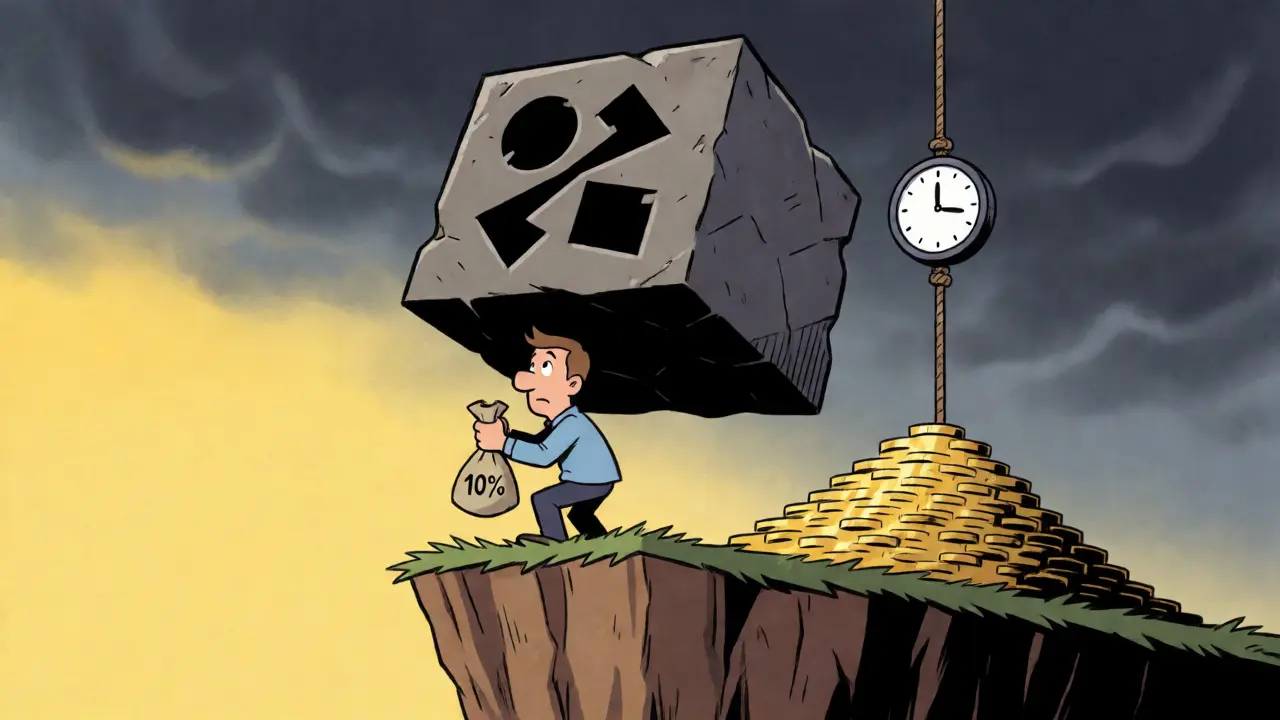
Here is where many investors got caught off guard. BitOrbit implemented a conservative distribution model. Only 10% of the tokens were released immediately at the TGE. The remaining 90%? Locked behind a one-month cliff, followed by linear vesting over four months. Think about what that means for price action. When only 10% of supply hits the market, volatility spikes. Early buyers dump their small allocation for quick profit, while long-term holders wait. If the project momentum stalls during that one-month cliff, the subsequent release of tokens can crush the price further. This structure is meant to prevent immediate dumps, but if the community isn't engaged, it just delays the inevitable sell-off.
| Phase | Percentage Released | Timeline | Purpose |
|---|---|---|---|
| TGE Unlock | 10% | Immediate | Liquidity provision and initial trading |
| Cliff Period | 0% | 1 Month | Prevents immediate dumping by team/investors |
| Linear Vesting | 90% | 4 Months | Long-term alignment with development milestones |
The Role of BSCPad in the Ecosystem
BitOrbit chose BSCPad for a reason. In 2021, the Binance Smart Chain was the playground for low-fee transactions and rapid DeFi innovation. BSCPad positioned itself as a reputable gatekeeper. Today, industry analysis still ranks BSCPad among the top 10 IDO launchpads, though the landscape has shifted dramatically. Platforms like DAO Maker and Polkastarter now dominate with more sophisticated vetting processes. Back then, the bar was lower. Projects could raise funds quickly with less rigorous due diligence compared to today's standards. The choice of BSCPad aligned with the trend of leveraging BNB Chain's speed, but it also tied BitOrbit to an ecosystem that faced massive competition from Ethereum Layer 2 solutions later on.
Market Performance: The Reality Check
Let's talk numbers, because they don't lie. BitOrbit raised $290,000. That’s real money. Yet, recent data shows a market capitalization hovering around $2.83K. That is a staggering drop. For context, successful IDOs often see ROI figures reaching 18x or more in their prime. BitOrbit’s trajectory suggests either significant price depreciation or limited adoption post-launch.
Why the disconnect? Successful fundraising does not equal sustained value. The crypto market in 2022 entered a bear cycle, wiping out billions in market cap. Small-cap projects like BitOrbit, which relied heavily on speculative hype rather than robust utility, suffered the most. Without active development updates or a growing user base, the token became illiquid. Low liquidity means even small sell orders can crash the price, creating a death spiral for retail investors holding bags from the IDO.

Lessons from the BitOrbit Case Study
If you are looking at new IDOs today, treat BitOrbit as a cautionary tale. Here is what you should watch for:
- Vesting Cliffs: Always check when the bulk of tokens unlock. If 90% unlocks soon after a short cliff, expect downward pressure.
- Launchpad Reputation: While BSCPad is legit, the vetting process in 2021 was less stringent. Modern launchpads use AI-driven audits and stricter KYC.
- Post-Launch Execution: Did the team deliver? Market cap collapse usually signals a lack of product-market fit or abandoned development.
- Ecosystem Risk: Launching solely on one chain (like BNB Chain) limits exposure. Multi-chain support is now a minimum requirement for longevity.
What About the Airdrop?
Airdrops are often the bait. In BitOrbit's case, the "airdrop" was part of the broader fundraising mechanism, rewarding early participants. However, free tokens rarely create loyal communities. If recipients dump their airdropped tokens immediately upon receipt-as many did-the circulating supply floods the market, suppressing price growth. True engagement comes from utility, not freebies. If you receive an airdrop, ask yourself: Is there a reason to hold this beyond speculation?
When did BitOrbit (BITORB) launch its IDO?
BitOrbit conducted its Token Generation Event (TGE) on November 4, 2021, at 21:25 UTC+3. This marked the completion of its fundraising campaign on the BSCPad launchpad.
How much money did BitOrbit raise during its launch?
The project raised a total of $290,000 across six completed fundraising rounds, including private sales, public sales, and community distribution mechanisms.
What was the token vesting schedule for BITORB?
Only 10% of tokens were released at the TGE. The remaining 90% were subject to a one-month cliff period, followed by linear vesting over the subsequent four months to prevent immediate market dumps.
Which platform hosted the BitOrbit IDO?
The IDO was facilitated through BSCPad, a prominent launchpad operating on the Binance Smart Chain (BNB Chain) ecosystem. BSCPad remains a recognized platform in the crypto space.
Why did BitOrbit's market cap decline significantly?
Factors include the broader crypto bear market starting in 2022, potential lack of post-launch development momentum, and the structural pressure of token vesting releases overwhelming demand. A market cap of ~$2.83K reflects these challenges.


Sheryl Nelsen Hutton
September 5, 2026 AT 05:26It is fascinating to observe how the vesting structures of yesteryear, specifically that brutal one-month cliff combined with linear unlocking, created such asymmetric risk profiles for retail participants who lacked the sophisticated hedging instruments we have today.
The reliance on a single-chain ecosystem like BNB Chain during that specific cycle inadvertently limited the project's ability to pivot when Layer 2 solutions began capturing significant mindshare and liquidity depth across the broader DeFi landscape.
Furthermore, the psychological impact of receiving only ten percent of allocated tokens at TGE while waiting months for the remainder often led to a misalignment of incentives where early adopters felt penalized for their loyalty rather than rewarded for their conviction in the protocol's long-term vision.
We must also consider the role of launchpad vetting processes which were considerably less rigorous in late 2021 allowing projects with minimal product-market fit to raise substantial capital based primarily on narrative momentum rather than tangible utility or sustainable economic models.
This case study serves as a critical reminder that market cap collapse is rarely just about external macroeconomic factors but often stems from internal structural flaws in tokenomics that fail to account for post-launch liquidity dynamics and community engagement retention rates over extended periods.
sri harni
September 5, 2026 AT 18:42Very interesting read. The drop from $290k raised to $2.83k market cap is really sad to see. I remember seeing these kinds of launches back then on Twitter. It feels like many small projects just disappeared without any updates. Maybe they should have focused more on building something useful instead of just hype. Anyway thanks for sharing this analysis.
Duncan Fisher
September 6, 2026 AT 11:21I think you've hit the nail on the head regarding the vesting schedule being a major factor here. It's tough to keep a community engaged when there's a month-long silence followed by a gradual release that can easily be outpaced by selling pressure.
I appreciate how you highlighted the difference between the 2021 launchpad standards and what we see now with platforms like DAO Maker. It really shows how much the industry has matured in terms of due diligence and investor protection.
Also, the point about multi-chain support being essential now is spot on. Relying solely on one chain definitely limited BitOrbit's potential user base compared to projects that launched on Ethereum or Solana simultaneously.
Thanks for putting this together, it's a great cautionary tale for anyone looking at new IDOs today.
adam veikkanen
September 7, 2026 AT 09:41Vesting cliffs are traps. Most people don't read the fine print until it's too late.
Rishi Mehta
September 8, 2026 AT 21:20you guys are all so naive thinking this was just bad luck
it was a pump and dump scheme plain and simple
the team took their money and ran while retail bags held the heavy losses
no development no updates no community just pure greed
we warned everyone about these low cap gems on bsc but nobody listened
now look at them worthless tokens gathering dust in wallets
shame on the launchpad for letting this through
Michael Rubin
September 9, 2026 AT 18:22Agreed with the points on vesting schedules. The delay creates uncertainty which kills momentum.
Kathryn Haber
September 11, 2026 AT 11:41is value real if it vanishes into the ether? maybe bitorbit was just a mirror reflecting our own speculative desires back at us until they shattered
we chase ghosts in the machine hoping for gold but find only digital dust
the market doesn't care about your hopes it only cares about flow and exit liquidity
so in the end did we lose money or did we just pay for the experience of believing?
perhaps the airdrop was the true gift a fleeting moment of perceived wealth before reality set in
Emerson Droguet
September 11, 2026 AT 18:44Thank you for providing such a comprehensive breakdown of the BitOrbit case study. Your analysis regarding the structural risks associated with single-chain deployment and rigid vesting schedules is particularly insightful for those of us navigating the current DeFi landscape.
I would suggest that future investors place even greater emphasis on the transparency of the development roadmap post-TGE as this often correlates more strongly with long-term viability than initial fundraising totals.
Additionally the evolution of launchpad protocols towards more robust audit frameworks represents a necessary maturation step for the sector ensuring that capital allocation is directed toward projects with genuine technical merit.