
Remember when buying Bitcoin in New Zealand meant paying a 20% premium just because you lived there? That was the reality before Dasset launched. For a brief window between 2019 and 2023, this platform promised to fix that problem. It aimed to be the first fully compliant digital asset exchange in the country, offering direct trading against the New Zealand Dollar (NZD). If you are searching for a review of Dasset today, you aren't looking for sign-up bonuses or fee structures. You are likely asking one critical question: Is it still operational, and can I get my money back?
The short answer is no. Dasset is not an active trading platform. It entered voluntary liquidation due to severe banking failures. This review breaks down what happened, why the collapse occurred, and what it means for anyone who had funds on the platform.
What Was Dasset and Who Ran It?
To understand the fall, you have to look at the rise. Digital Asset Exchange Limited, the company behind Dasset, was founded by Stephen Macaskill. Macaskill wasn't a typical tech startup founder. He came from a background in precious metals trading and had deep roots in the Bitcoin community, having lived in Colorado before returning to New Zealand.
His goal was specific. He saw a market failure. Before Dasset, New Zealanders had to use offshore exchanges like Binance or Coinbase. These platforms didn't support direct NZD deposits easily. Users had to convert NZD to USD, send it overseas, and then buy crypto. Every step added fees and delays. Worse, local peer-to-peer markets were risky and often involved fraud. Macaskill wanted to build a "node of liquidity" right here in New Zealand.
When version 1.0 launched in May 2019, it supported 13 digital assets. The core value proposition was simple: trade crypto directly with NZD. At its peak, Dasset supported over thirty cryptocurrencies. It offered advanced order types, APIs for automated trading, and institutional-grade connections. For a time, it was the only game in town for serious local traders who wanted regulatory compliance.
The Success Story: Fixing the Price Gap
Dasset actually worked. And it worked well. The most impressive metric wasn't user growth; it was price efficiency. Before Dasset existed, the spread between global Bitcoin prices and local New Zealand prices was around 20%. If Bitcoin was $50,000 globally, a Kiwi might pay $60,000 worth of NZD to get it locally.
Macaskill reported that Dasset helped drop that spread by approximately 80%. Within months of launch, local prices aligned within 1-3% of global spot prices. This was a massive win for the local economy. It proved that a regulated, local exchange could compete with offshore giants if it solved the fiat on-ramp problem.
The platform also partnered with major players. In June 2020, Dasset announced a collaboration with Bittrex, a US-based exchange. This partnership allowed Dasset users to access deeper liquidity pools, meaning larger trades wouldn't slip the price as much. It signaled that Dasset was serious about scaling into Australia and beyond.
| Feature | Dasset | Typical Offshore Exchange |
|---|---|---|
| Fiat Currency Support | NZD, USD | USD, EUR, GBP (Rarely NZD) |
| Regulatory Compliance | New Zealand FSP Licensed | Varies (Often offshore jurisdictions) |
| Pricing Spread | 1-3% above global spot | Global spot + conversion fees |
| Withdrawal Speed | Fast (when operational) | Dependent on bank transfers |
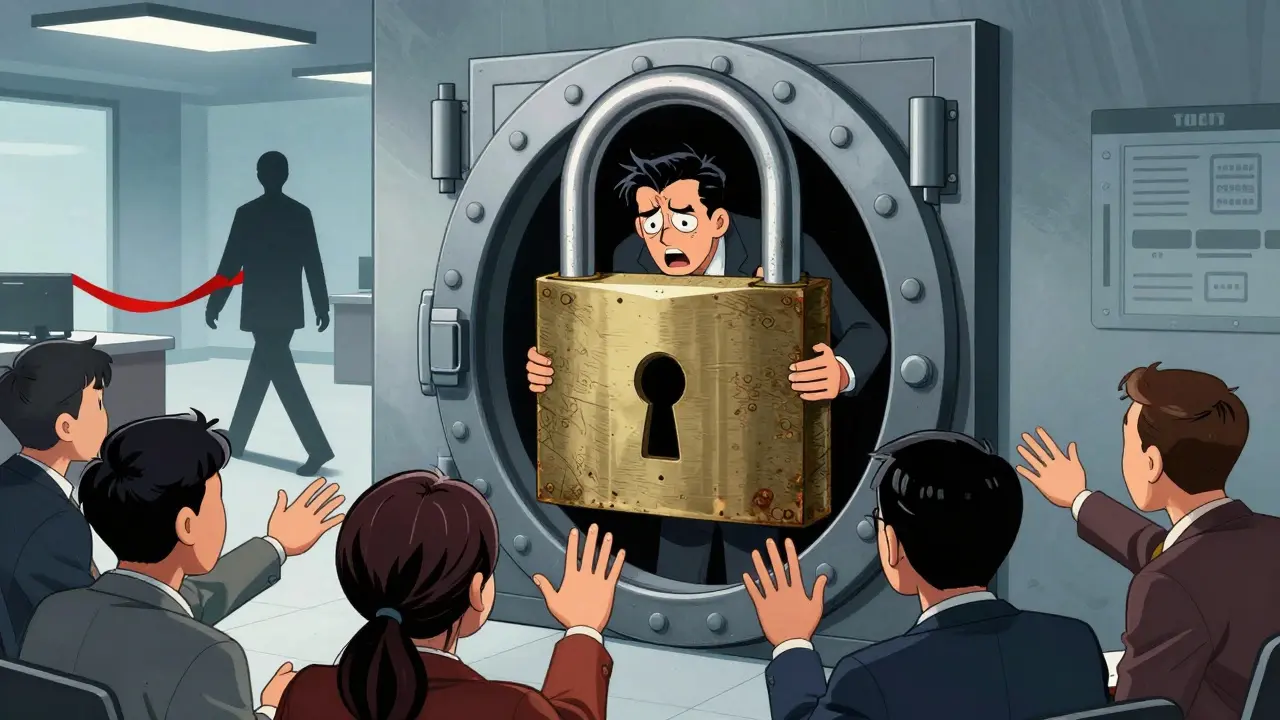
The Banking Crisis: How It All Went Wrong
If Dasset had one weakness, it was its reliance on traditional banking. Crypto exchanges need banks to move fiat money in and out. In smaller markets like New Zealand, finding a bank willing to handle crypto volume is incredibly difficult. Banks view crypto as high-risk due to anti-money laundering (AML) concerns.
In early 2023, Dasset's incumbent banking provider withdrew services. This is a common nightmare for crypto firms, but usually, they have backups. Dasset did not. They failed to secure a replacement banking partner quickly enough. Without a bank, you cannot process withdrawals. You cannot deposit new funds. You are frozen.
The impact on customers was immediate and devastating. Hundreds of users found themselves locked out of their accounts. We aren't talking about small amounts. Reports surfaced of individuals with tens of thousands of dollars trapped. One customer attempted to withdraw $40,000-his entire life savings-for three months straight. No luck. Another user received personal emails from CEO Stephen Macaskill promising help, but the technical inability to move funds remained.
Here is where things got murky. Despite the halt on withdrawals, the platform continued to accept new user registrations. To an outsider, the website looked normal. The FAQ page was up. The request forms were active. But behind the scenes, the engine was dead. This created a misleading impression of stability while existing customers screamed for access to their money.

Liquidation and Current Status
The crisis culminated in Dasset entering voluntary liquidation. This is a legal process where a company's assets are sold off to pay creditors. However, the execution was chaotic. Macaskill claimed a liquidator had been appointed. Yet, reports indicated no liquidator was actually in place at the time of reporting. This confusion left customers in limbo.
The company's website changed significantly during this period. Contact details like phone numbers and email addresses were removed. The social media presence, once active on Twitter and Facebook, went silent. The professional trader tools, the API access, the Bittrex integration-all gone.
As of July 2026, Dasset remains in liquidation. There is no clear timeline for fund recovery. The platform serves as a stark warning: even a compliant, well-intentioned exchange can fail if it loses its banking lifeline. The gap in New Zealand's crypto infrastructure that Dasset filled is still largely empty, forcing users back to offshore platforms or risky P2P methods.
Lessons Learned for Traders
What does the Dasset saga teach us? First, never keep more than you can afford to lose on any single exchange. Second, understand the risks of local-only platforms. While convenient, they may lack the redundancy of global giants. Third, watch for red flags. If an exchange stops withdrawals but keeps accepting new sign-ups, run.
For New Zealand traders, the loss of Dasset highlighted the fragility of local crypto infrastructure. It showed that regulatory compliance alone isn't enough. You need robust banking relationships and contingency plans. Until a new player steps up to fill the void, Kiwis will continue to face higher costs and complexities when trading digital assets.
Is Dasset crypto exchange still open?
No, Dasset is no longer operational. It entered voluntary liquidation in 2023 due to banking failures and has ceased all trading activities.
Can I withdraw my funds from Dasset?
Currently, no. Withdrawals have been halted since the banking crisis began. Users are part of the liquidation process, but there is no guaranteed timeline for fund recovery.
Who owned Dasset?
Dasset was operated by Digital Asset Exchange Limited and led by CEO Stephen Macaskill, a former precious metals trader and long-time Bitcoin advocate.
Why did Dasset fail?
The primary cause was the loss of its banking partner. Without a bank to process fiat transactions, the exchange could not allow withdrawals, leading to a liquidity crisis and eventual liquidation.
Was Dasset regulated?
Yes, Dasset was registered as a Financial Service Provider (FSP) in New Zealand. However, regulation did not protect user funds from operational failures related to banking partnerships.
Did Dasset partner with other exchanges?
Yes, Dasset formed a strategic partnership with the US-based exchange Bittrex in 2020 to provide users with access to deeper liquidity pools.
What happened to the NZD premium after Dasset closed?
Without Dasset's local liquidity node, the ease of trading NZD directly for crypto diminished. Users returned to using offshore exchanges, which often involve higher conversion fees and slower processing times.
Are there other crypto exchanges in New Zealand?
There are fewer options now. Some international platforms serve New Zealand users, but few offer the same level of direct NZD integration that Dasset provided during its operational peak.