You want to trade Bitcoin or Ethereum without worrying if the platform will vanish overnight. You need speed, deep liquidity, and a regulator that actually has teeth. That is exactly what LMAX Digital is built for. It is not a flashy app with meme coins and referral bonuses. It is an institutional-grade engine designed for serious capital flows. If you are moving six figures or more, this review tells you whether it fits your workflow.
The Bottom Line: Who Should Use LMAX Digital?
- Best for: Institutional investors, hedge funds, and professional traders who prioritize execution speed and regulatory safety over coin variety.
- Not for: Retail beginners looking for 500+ altcoins, zero-fee promotions, or educational hand-holding.
- Key Differentiator: Dual regulation by the FCA and GFSC combined with Equinix LD4 data center infrastructure.
- Fee Structure: Extremely low maker fees (0-2 bps) and competitive taker fees (3-6 bps).
- Asset Selection: Limited to ~12 high-liquidity assets, focusing on quality over quantity.
Regulatory Safety: The FCA and GFSC Shield
In the crypto world, "regulated" often means little. Many exchanges claim oversight but operate in gray zones. LMAX Digital is different because it sits under two heavyweights: the Financial Conduct Authority (FCA) in the UK and the Gibraltar Financial Services Commission (GFSC). This dual licensing is rare. It means your funds are segregated from the company’s operating capital. If LMAX Digital goes bankrupt, your crypto does not become part of the creditor pile.
For institutional clients, this compliance layer is non-negotiable. You can audit their processes. You know they follow Anti-Money Laundering (AML) protocols strictly. This brings peace of mind that unregulated offshore exchanges simply cannot offer. However, this strictness comes with a trade-off: stricter Know Your Customer (KYC) checks. You will need to verify your identity thoroughly before trading.
Infrastructure: Why Equinix LD4 Matters
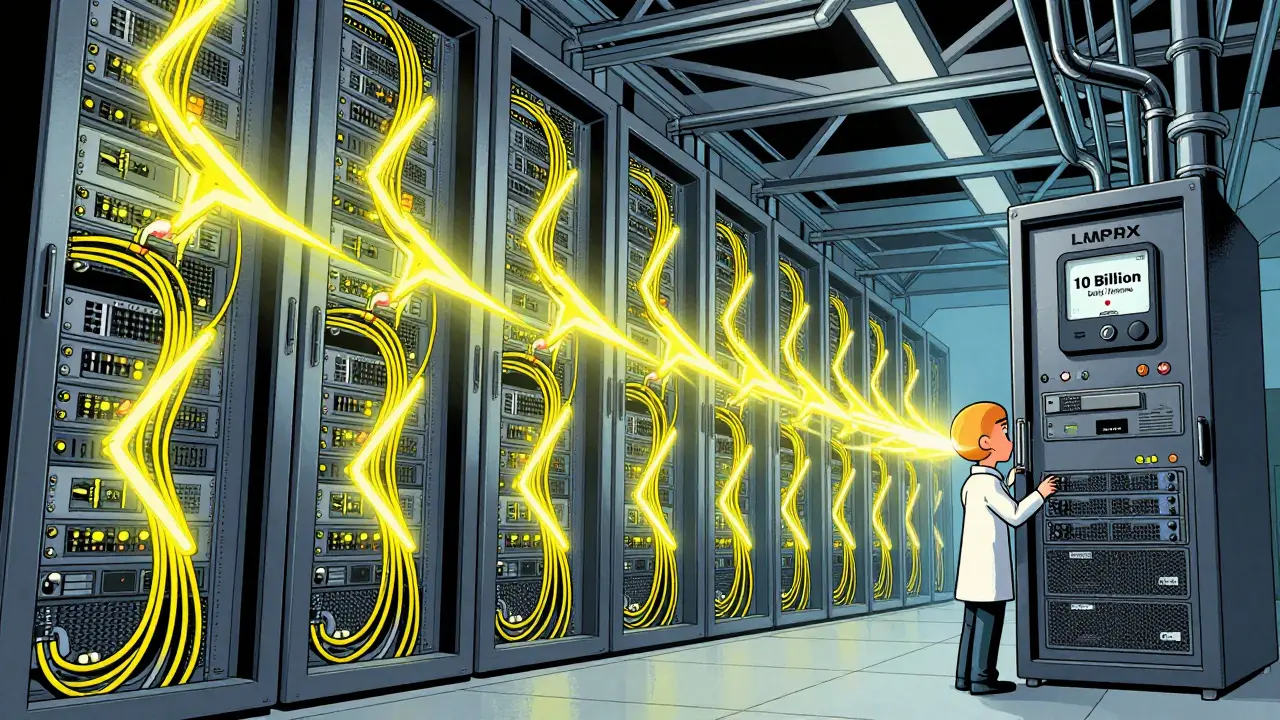
Speed is not just a marketing buzzword; it is a financial advantage. LMAX Digital hosts its servers in Equinix LD4, one of the premier data centers in London. This location provides ultra-low latency connectivity to major financial hubs. For high-frequency trading or large block orders, milliseconds matter. Slippage-the difference between expected price and executed price-can eat into profits significantly during volatile markets.
By co-locating in Equinix, LMAX ensures that order matching happens faster than most retail platforms. This reduces the risk of failed trades or partial fills. The proprietary technology stack, developed internally by the LMAX Group, handles massive volume spikes without crashing. They report average daily trading volumes of $10 billion. That kind of throughput suggests robust backend architecture capable of handling your largest transactions smoothly.
Fees: A Volume-Based Model
Let’s talk money. LMAX Digital uses a maker-taker fee model based on basis points (bps). One basis point equals 0.01%. Here is how it breaks down:
| Fee Type | LMAX Digital | Typical Retail Exchange |
|---|---|---|
| Maker Fee | 0% - 2 bps (0.00% - 0.02%) | 0.10% |
| Taker Fee | 3 - 6 bps (0.03% - 0.06%) | 0.10% - 0.20% |
| Withdrawal Fees | Applied per crypto asset | Varies widely |
If you provide liquidity by placing limit orders that sit on the book, you pay almost nothing. In fact, maker fees can be zero. This rewards patient, strategic trading. Taker fees, charged when you execute immediately against existing orders, remain highly competitive at 0.03% to 0.06%. Compare this to standard retail exchanges charging 0.10%, and the savings add up quickly for high-volume traders. Note that withdrawal fees apply to all cryptocurrency withdrawals, so factor those into your cost analysis if you move funds frequently.
Asset Selection: Quality Over Quantity
LMAX Digital supports approximately 12 cryptocurrencies. This list includes Bitcoin (BTC), Ethereum (ETH), Solana (SOL), Ripple (XRP), USD Coin (USDC), and Tether (USDT), among others like Polygon, Chainlink, and Litecoin.
You will not find obscure meme coins or newly launched tokens here. This is intentional. The platform focuses on deep liquidity and stability. For institutions, trading illiquid assets carries significant counterparty and slippage risks. By sticking to major caps, LMAX ensures tight spreads and reliable execution. If you need to buy $5 million worth of Bitcoin instantly, LMAX can handle it. Many smaller exchanges would struggle to fill that order without moving the market price drastically.
User Experience and Interface
The interface is clean, professional, and devoid of clutter. It looks like a traditional forex terminal rather than a gamified casino. Navigation is intuitive for anyone familiar with professional trading software. You get direct market access, meaning your orders go straight to the liquidity pool without hidden intermediaries marking up prices.
However, do not expect extensive educational resources or community forums. There are no beginner tutorials, charting webinars, or social trading features. The platform assumes you already know how to read a candlestick chart and understand order types. For pros, this minimalism is a feature, not a bug. It reduces distraction and speeds up decision-making.
Deposits and Withdrawals
You can fund your account via bank transfers, debit cards, credit cards, and cryptocurrency deposits. Fiat support includes USD, EUR, GBP, AUD, and several other currencies. Bank transfers are the most common method for institutional users due to lower costs and higher limits. Credit card deposits are available but may incur processing fees from your card issuer.
Withdrawals are processed efficiently, though fees apply. Always check the specific withdrawal fee for each asset before executing large outflows. Processing times vary depending on the blockchain network congestion and internal compliance checks. Expect same-day or next-business-day processing for fiat, while crypto withdrawals depend on network confirmations.
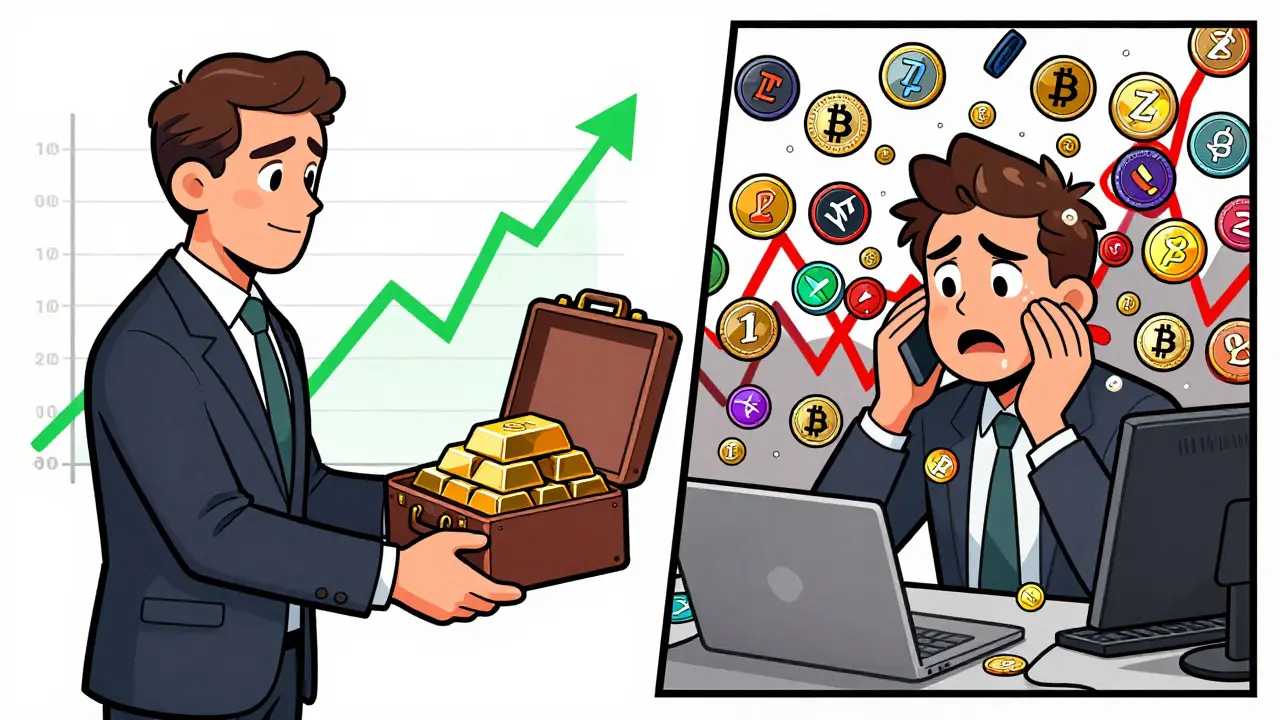
Pros and Cons Summary
Pros:
- Dual regulation by FCA and GFSC ensures high security standards.
- Ultra-low latency execution via Equinix LD4 data center.
- Competitive fee structure, especially for makers.
- Ability to handle massive trade volumes (up to $100M per transaction).
- Clean, professional interface focused on performance.
Cons:
- Limited selection of only ~12 cryptocurrencies.
- $100 minimum deposit requirement (higher than some retail apps).
- No promotional bonuses or referral rewards.
- Customer support response times can be slow during peak hours.
- Lack of educational tools for beginners.
How LMAX Digital Compares to OKX and Binance
If you are considering alternatives, OKX and Binance are common benchmarks. OKX offers 300+ coins and aggressive rebates, making it attractive for altcoin hunters. Binance provides unparalleled depth across thousands of pairs. However, neither offers the same level of Western regulatory certainty as LMAX Digital. For a pension fund or corporate treasury, LMAX’s compliance framework is often a mandatory requirement. You choose LMAX for safety and speed, not for breadth of assets.
Final Verdict
LMAX Digital is not trying to be everything to everyone. It is a specialized tool for professionals who value regulatory clarity, execution speed, and low costs. If you are trading major cryptocurrencies with significant capital, it is one of the safest and most efficient venues available. If you are a casual trader looking for fun, free coins, and hundreds of altcoins, look elsewhere. For the serious investor, LMAX Digital delivers exactly what it promises: institutional-grade reliability.
Is LMAX Digital safe for my funds?
Yes, LMAX Digital holds licenses from the FCA and GFSC. Client funds are segregated from company assets, providing a strong layer of protection against insolvency risks. Additionally, their infrastructure is housed in secure Equinix data centers with advanced encryption.
What is the minimum deposit to start trading?
The minimum account requirement is $100. While this is higher than some zero-deposit retail apps, it aligns with the platform's focus on professional and institutional clients.
Can I trade small altcoins on LMAX Digital?
No. LMAX Digital focuses on high-liquidity assets and currently supports only about 12 cryptocurrencies, including Bitcoin, Ethereum, and Solana. It does not offer the wide range of altcoins found on exchanges like Binance or OKX.
Are there any hidden fees?
Trading fees are transparent and low (0-6 bps). However, withdrawal fees apply to all cryptocurrency withdrawals. Always check the current withdrawal schedule for specific assets before transferring funds off-platform.
Who is LMAX Digital best suited for?
It is best suited for institutional investors, hedge funds, and professional traders who require fast execution, deep liquidity, and strict regulatory compliance. It is not ideal for beginners or retail traders seeking diverse altcoin selections.