Remember when buying a plot of land meant dealing with soil tests, zoning laws, and endless paperwork? In the world of Metaverse Real Estate Investment, which involves acquiring digital land parcels within blockchain-based virtual worlds for development and monetization, none of that exists. Instead, you are trading cryptocurrency for code. You are buying a coordinate in a digital universe where the only limits are your imagination and your wallet balance.
By 2026, the hype cycle has settled into something more practical. We aren't just talking about sci-fi concepts anymore; major brands like Samsung and JP Morgan have already planted flags in these digital territories. But before you drop thousands on a virtual plot, you need to understand what you’re actually buying. It’s not a house. It’s an asset class with its own rules, risks, and rewards.
What Is Virtual Real Estate?
At its core, metaverse real estate is a piece of digital land represented as a Non-Fungible Token (NFT), which serves as a unique cryptographic proof of ownership on a blockchain network. When you buy land in platforms like Decentraland, a leading decentralized virtual reality platform built on Ethereum that allows users to buy, sell, and develop virtual land using MANA tokens or The Sandbox, a blockchain-based gaming metaverse where users can create, own, and monetize gaming experiences using SAND tokens, you are purchasing a specific parcel ID. This ID is recorded on the blockchain, meaning no one else can claim it, duplicate it, or delete it without your permission.
The scarcity model mirrors traditional real estate. There is a finite amount of land available in these worlds. Once all parcels are sold, new ones cannot be created. This artificial scarcity drives value, especially in prime locations near virtual city centers, popular attractions, or high-traffic zones. Unlike physical land, however, this property exists entirely online. Its value depends heavily on user engagement, platform stability, and the broader adoption of Virtual Reality (VR) technology, which enables immersive interaction with digital environments through headsets and haptic feedback devices.
Top Platforms for Virtual Land in 2026
Not all metaverses are created equal. Each platform has its own culture, economy, and technical infrastructure. Here is how the major players stack up right now:
| Platform | Native Token | Blockchain | Key Feature | Ownership Model |
|---|---|---|---|---|
| Decentraland | MANA | Ethereum | High social activity, frequent events | Permanent, no rent |
| The Sandbox | SAND | Ethereum | Gaming-focused, brand partnerships | Permanent, no rent |
| Somnium Space | SONM / USD | Ethereum / Polygon | Photorealistic graphics, VR-first | Permanent, optional fees |
| Upland | UPX | Polygon | Map of the real world, strategy game | Permanent, transaction fees |
Decentraland remains the most active social hub. It’s where celebrities host concerts and brands run ad campaigns. If you want foot traffic, this is often the place to look. The Sandbox leans heavily into gaming and intellectual property. Brands like Adidas and Atari have built experiences here, making it attractive for investors interested in entertainment revenue. Somnium Space offers higher fidelity graphics, appealing to those who prioritize visual realism over pixel art aesthetics. Meanwhile, Upland takes a different approach by mapping the real-world geography onto a blockchain, allowing players to buy properties that mirror actual streets and buildings.
How to Buy Virtual Land: Step-by-Step
Buying virtual land isn’t as simple as clicking "Buy Now" on a website. You need to set up the right tools first. Here is the process:
- Set Up a Crypto Wallet: You’ll need a non-custodial wallet like MetaMask, a browser extension and mobile app that manages Ethereum accounts and interacts with dApps or Phantom, a popular multi-chain wallet supporting Solana and Ethereum ecosystems. This wallet will hold your tokens and NFTs. Never share your seed phrase with anyone.
- Acquire Cryptocurrency: Most platforms operate on Ethereum, a decentralized blockchain platform enabling smart contracts and decentralized applications. You’ll need ETH to pay for gas fees (transaction costs) and potentially the platform’s native token (like MANA or SAND). Use a reputable exchange like Coinbase or Kraken to buy crypto, then transfer it to your wallet.
- Connect to the Marketplace: Go to the official marketplace of your chosen platform (e.g., decentraland.org/marketplace). Connect your wallet. You may need to approve transactions to interact with the site.
- Research Locations: Don’t just buy the cheapest plot. Look for land near existing developments, transportation hubs, or planned community projects. Check historical sales data to see if prices are trending up or down.
- Place Your Bid or Buy Instantly: Some plots are listed at fixed prices, while others require bidding in auctions. Set a maximum bid and stick to it. Emotional spending is the fastest way to lose money in volatile markets.
- Verify Ownership: Once purchased, the NFT should appear in your wallet. Double-check the contract address to ensure it’s the legitimate land token for that platform.
Monetizing Your Virtual Property
Owning land is only half the battle. To make it an investment rather than a hobby, you need a monetization strategy. Here are the most common ways investors generate income from their virtual holdings:
- Renting Out Space: Lease your land to other users or businesses who want to host pop-up shops, galleries, or events. This provides passive income without requiring you to build anything yourself.
- Hosting Events: Organize concerts, conferences, or gaming tournaments. Charge admission fees in-platform tokens. Successful events can attract thousands of attendees, generating significant revenue.
- Advertising Revenue: Place billboards or interactive ads on your property. Brands are always looking for visibility in high-traffic areas. You can negotiate deals directly with advertisers or use third-party ad networks.
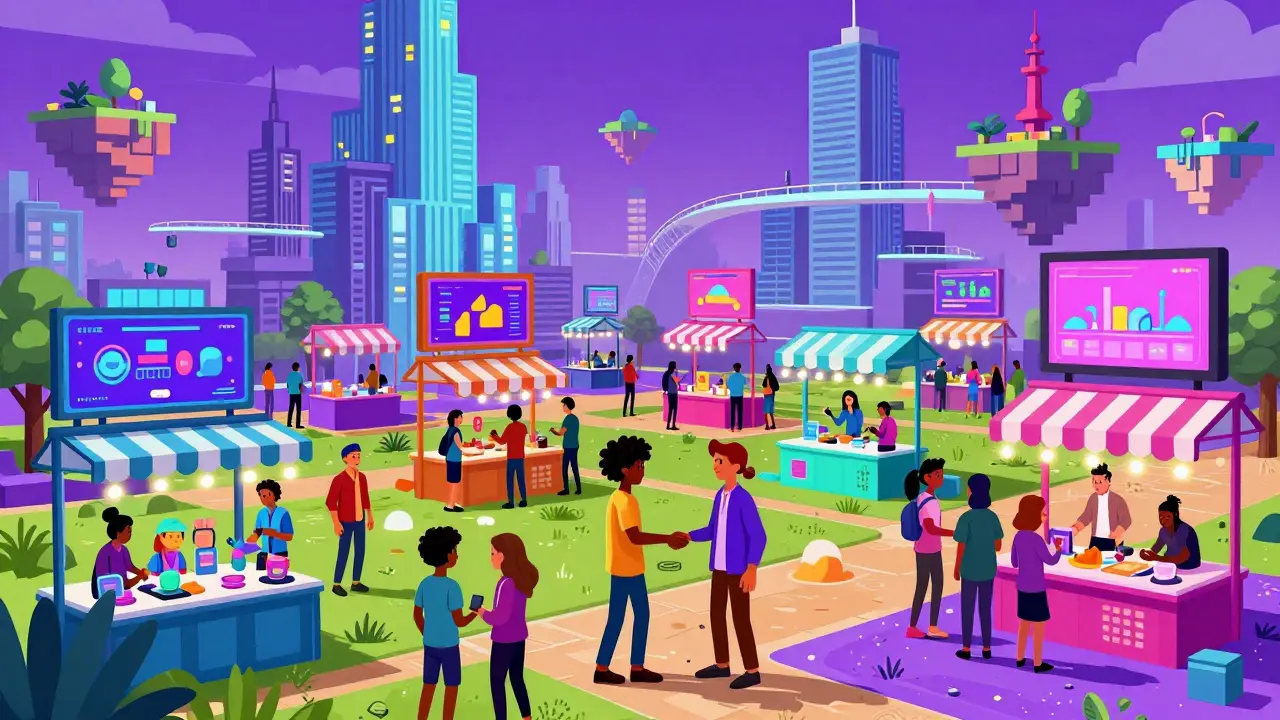
- Developing Experiences: Build a game, museum, or virtual store. If your creation becomes popular, it can drive consistent foot traffic and allow you to sell digital goods or subscriptions.
- Flipping Land: Buy undervalued plots in emerging neighborhoods and sell them later at a profit. This requires keen market timing and deep knowledge of platform updates.
The key to successful monetization is understanding your audience. A quiet, scenic plot might be perfect for a meditation retreat but terrible for a nightclub. Match your development to the surrounding community’s interests.
Risks and Challenges in Metaverse Investing
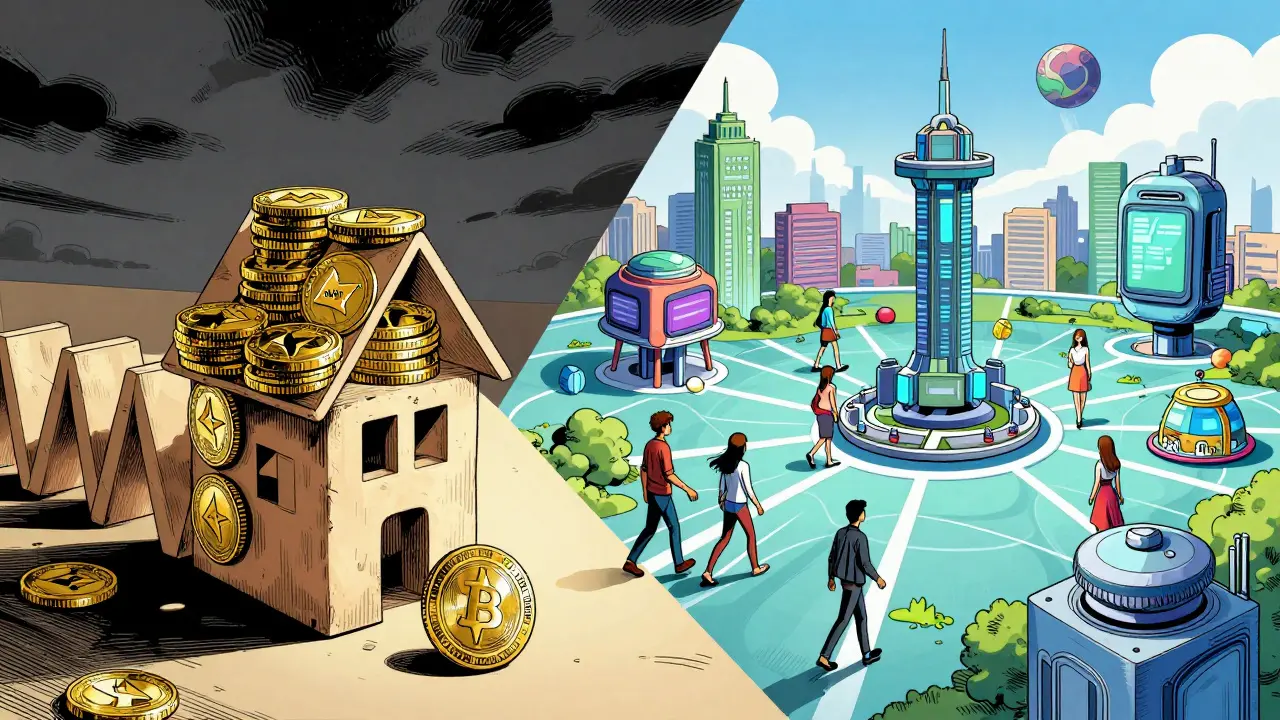
Let’s be real: this is still a speculative asset class. While the potential for growth is huge, so are the risks. Here is what could go wrong:
Market Volatility: The value of your land is tied to the price of the platform’s native token. If MANA or SAND crashes, the dollar value of your land drops instantly, even if the number of tokens hasn’t changed. Crypto markets are notoriously unpredictable.
Platform Dependency: Your land only has value within its specific ecosystem. If Decentraland loses popularity or shuts down, your land becomes worthless. There is no cross-platform interoperability yet-your Decentraland plot doesn’t work in The Sandbox.
Regulatory Uncertainty: Governments are still figuring out how to classify and tax virtual assets. New regulations could impact liquidity, ownership rights, or even the legality of certain transactions. Keep an eye on policy changes in major jurisdictions like the US and EU.
Technical Risks: Smart contract bugs, hacks, or platform outages can disrupt access to your property. Always keep backups of your wallet keys and stay informed about security updates.
Liquidity Issues: Unlike stocks, you can’t instantly sell virtual land. Finding a buyer can take weeks or months, especially during market downturns. Only invest money you can afford to lock up for the long term.
Future Outlook: What’s Next for Virtual Real Estate?
The metaverse is evolving rapidly. By 2028, analysts project the market to grow at a compound annual rate of over 30%. Several trends will shape the future of virtual real estate:
Interoperability: Developers are working on standards that allow assets and identities to move between platforms. Imagine wearing your favorite avatar outfit across multiple metaverses. This would increase the utility and value of owned assets.
Improved Hardware: As VR headsets become lighter, cheaper, and more comfortable, mainstream adoption will accelerate. More users mean more demand for premium locations and experiences.
Institutional Adoption: Expect more banks, retailers, and media companies to establish permanent presences in the metaverse. Their investments will stabilize markets and create new opportunities for smaller investors.
Regulatory Clarity: As governments finalize frameworks for digital assets, investor confidence will likely rise. Clear rules on taxation, ownership, and consumer protection will make the space safer for long-term holding.
The metaverse isn’t going anywhere. It’s shifting from speculation to utility. For savvy investors, now is the time to learn, experiment, and position themselves for the next wave of digital innovation.
Is metaverse real estate a good investment in 2026?
It can be, but it carries high risk. Virtual land is speculative and tied to crypto volatility. However, early adopters who choose established platforms and focus on monetization strategies have seen significant returns. Treat it as a high-risk portion of a diversified portfolio.
How much does virtual land cost?
Prices vary wildly. Undeveloped land in lesser-known areas might cost $50-$200, while prime locations in Decentraland or The Sandbox can range from $1,000 to over $100,000. Always check recent sales data for accurate pricing.
Can I lose all my money investing in metaverse land?
Yes. If the platform fails, the token crashes, or regulatory changes ban trading, your land could become worthless. Never invest more than you can afford to lose, and diversify your holdings.
Do I need VR hardware to invest in metaverse real estate?
No. You can buy, manage, and monetize land using a computer or smartphone. VR enhances the experience but is not required for ownership or basic development tasks.
What happens if a metaverse platform shuts down?
Your land would likely lose most or all of its value. Since virtual property is platform-specific, there is no guarantee of transferability. Research the financial health and community support of any platform before investing.