
Let's get one thing straight right away: Nigeria doesn't have crypto restrictions anymore. That's the big news everyone needs to hear. Back in 2017, the Central Bank of Nigeria (CBN) banned banks from dealing with crypto businesses. Then in 2021, they froze accounts of people trading crypto. But all that changed. In late 2023, the CBN lifted its ban completely. And on March 25, 2025, President Tinubu signed the Investments and Securities Act (ISA) 2025 into law. This new law officially recognizes digital assets as financial securities. So instead of avoiding restrictions, you now need to focus on complying with clear regulations. The days of operating in the gray zone are over.
Nigeria's Crypto Landscape: No More Restrictions, Just Regulation
Understanding Nigeria crypto regulations is now the key to operating legally. The ISA 2025 replaced the outdated 2007 version and brought Nigeria's crypto rules into the modern era. The biggest shift? The Securities and Exchange Commission (SEC) is now the main regulator for all digital assets. Before this law, crypto was in a regulatory gray area. Now, the SEC has clear authority to license exchanges, monitor trading, and enforce rules. This means you can trade crypto legally without fear of account freezes. The law also gives regulators better tools to fight fraud. They can now access telecom records for investigations and shut down Ponzi schemes quickly. This isn't about stopping crypto-it's about making it safe for everyone.
Key Changes Under ISA 2025
The Investments and Securities Act 2025 is a game-changer. It replaces the outdated 2007 version and brings Nigeria's crypto rules into the modern era. The biggest shift? The Securities and Exchange Commission (SEC) is now the main regulator for all digital assets. Before this law, crypto was in a regulatory gray area. Now, the SEC has clear authority to license exchanges, monitor trading, and enforce rules. This means you can trade crypto legally without fear of account freezes. The law also gives regulators better tools to fight fraud. They can now access telecom records for investigations and shut down Ponzi schemes quickly. This isn't about stopping crypto-it's about making it safe for everyone.
Step-by-Step Compliance Guide
If you're trading crypto in Nigeria, here's what you need to do:
- Use only licensed exchanges: Platforms like Quidax and Busha are SEC-approved. Avoid unlicensed services-they're not protected by law.
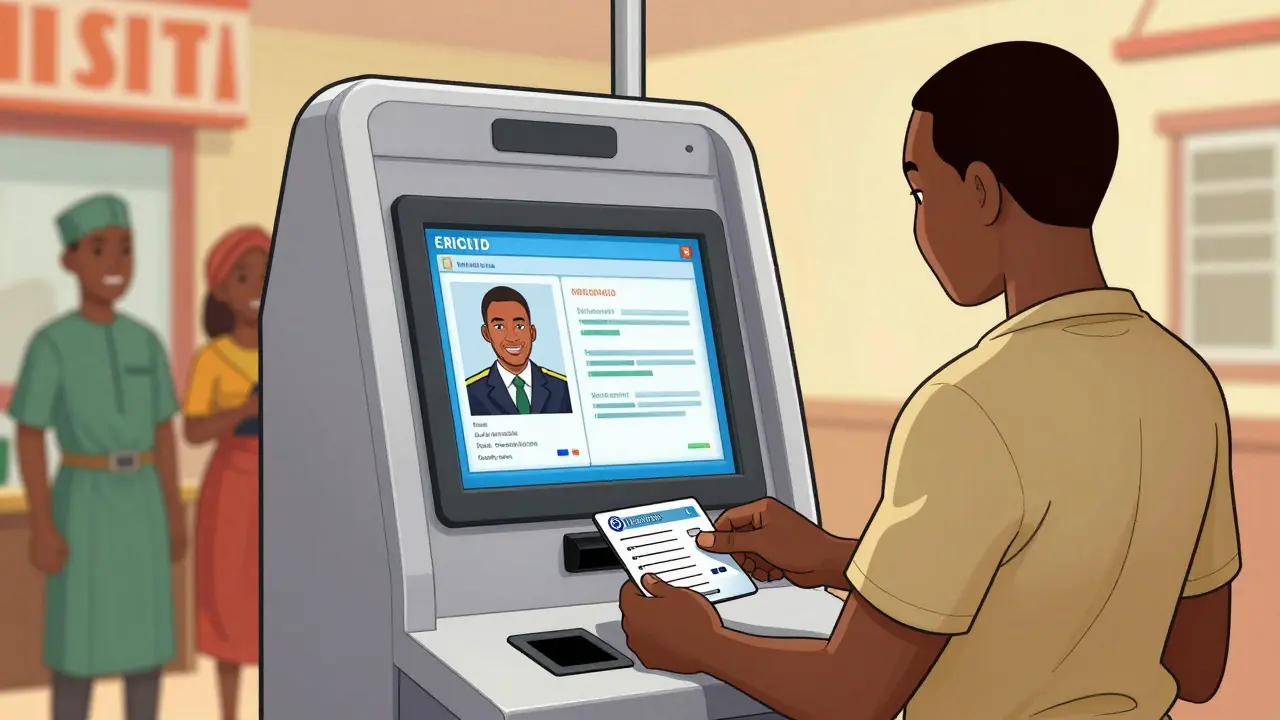
- Complete KYC verification: All licensed exchanges require ID checks. This isn't about privacy; it's about keeping your funds safe from scammers.
- Report your transactions: The SEC requires exchanges to share user data. If you're trading regularly, make sure your platform is reporting correctly.
- Understand tax obligations: Crypto profits are taxable. Keep records of all trades for tax season.
These steps aren't hurdles-they're your protection. The law is designed to keep you safe, not restrict you. Think of it like getting a driver's license: you need to follow the rules to stay on the road legally.
Choosing a Licensed Exchange
Not all crypto platforms are equal in Nigeria. Only two major exchanges currently have SEC licenses: Quidax and Busha. Here's how they compare:
| Exchange | Supported Assets | Fees | KYC Process | Key Features |
|---|---|---|---|---|
| Quidax | Bitcoin, Ethereum, USDT, USDC | 0.2% per trade | ID verification and proof of address | Educational resources, 24/7 support |
| Busha | Bitcoin, Ethereum, USDC | 0.1% per trade | ID and selfie verification | Seamless fiat integration, low withdrawal fees |
Both platforms work directly with Nigerian banks. This means you can deposit and withdraw naira easily. Unlicensed exchanges often can't offer this. They might promise higher returns, but they're not regulated. That's risky. Stick to licensed options for safety.
Tax Obligations for Crypto Users
Starting January 1, 2026, crypto profits will be taxed. Here's the simple breakdown:
- Personal income tax: Your crypto gains are taxed at 7.5% to 25% based on total income. For example, if you make ₦5 million from crypto, it'll be added to your other income and taxed accordingly.
- Corporate tax: If you run a crypto business, profits between ₦25 million and ₦100 million are taxed at 20%. Anything above that is 30%.
- VAT: Exchanges charge 7.5% VAT on transaction fees. This is built into the fee you pay.
The good news? You only pay tax when you sell or trade crypto for profit. Holding Bitcoin or Ethereum without selling doesn't trigger taxes. Keep detailed records of all your trades. This makes tax season much easier. The Nigerian Tax Administration Act 2025 makes this clear-no more guessing games.

Common Mistakes to Avoid
Even with clear rules, people still mess up. Here's what to watch out for:
- Using unlicensed platforms: Some services claim to be "Nigerian-friendly" but aren't SEC-approved. They might disappear overnight. Only use Quidax, Busha, or other licensed exchanges.
- Ignoring KYC: Skipping identity checks might seem convenient, but it's a red flag. Licensed exchanges require KYC for a reason-it protects you from scams and fraud.
- Not reporting taxes: Crypto profits are taxable. If you don't report them, you could face fines or legal action. The SEC and tax authorities share data, so hiding trades isn't possible.
- Assuming privacy: Crypto isn't anonymous in Nigeria anymore. All transactions on licensed exchanges are traceable. This is part of the new regulatory system.
These aren't arbitrary rules. They're designed to protect you and the broader market. Following them keeps your crypto journey safe and legal.
The Future of Crypto in Nigeria
Nigeria's crypto scene is just getting started. With clear regulations, more institutional investors are entering the market. The International Monetary Fund recently noted Nigeria's crypto adoption is among the highest globally. This is thanks to the new legal framework. Expect to see more stablecoin integrations, DeFi services, and innovative financial products in the coming years. The SEC is already working on rules for decentralized finance (DeFi) protocols and stablecoins. This shows they're adapting to new trends. The goal? To make Nigeria a regional fintech hub while keeping scams and fraud in check.
Is it legal to trade crypto in Nigeria now?
Yes, it's fully legal to trade crypto in Nigeria. The Central Bank of Nigeria lifted its ban on crypto transactions in late 2023, and the Investments and Securities Act 2025 officially recognizes digital assets as financial securities. As long as you use SEC-licensed exchanges and comply with reporting requirements, your crypto activities are protected by law.
What exchanges are licensed in Nigeria?
As of 2026, only Quidax and Busha have full SEC licenses. These are the only platforms legally allowed to operate as crypto exchanges in Nigeria. Some other services may claim to be compliant, but they're either unlicensed or operating under temporary approvals. Always check the SEC's official list before using any platform.
How do I report crypto taxes?
Licensed exchanges automatically report your transaction data to the tax authorities. You should still keep your own records of all trades, including dates, amounts, and profits. For personal taxes, crypto gains are included in your total income and taxed on a sliding scale up to 25%. Businesses must file separate corporate tax returns. The Nigerian Tax Administration Act 2025 provides clear guidelines-no need for guesswork.
What happens if I use an unlicensed exchange?
Using unlicensed exchanges puts your funds at serious risk. These platforms aren't monitored by the SEC, so there's no protection if they disappear or get hacked. Worse, you could unknowingly support illegal activities like money laundering. The Economic and Financial Crimes Commission (EFCC) actively tracks unlicensed operations. If caught, you might face fines or legal action. Always stick to SEC-licensed platforms like Quidax and Busha.
Are there any restrictions on crypto transactions?
No, there are no restrictions on crypto transactions in Nigeria. The old banking bans and account freezes are history. Instead of restrictions, you now have clear rules for legal trading. You can buy, sell, and hold crypto freely through licensed exchanges. The only requirements are proper KYC verification and tax reporting. This creates a safe environment where you can trade without fear of sudden account freezes or legal trouble.



Oliver James Scarth
February 7, 2026 AT 00:59Finally, Nigeria has stepped into the modern era of financial regulation.
The ISA 2025 is a masterstroke, replacing outdated laws with a framework that embraces digital assets as legitimate financial instruments.
The SEC's clear authority means we no longer operate in a gray zone-this is about security and growth.
For too long, the CBN's ban stifled innovation, but today's regulations are a testament to forward-thinking leadership.
The emphasis on licensed exchanges like Quidax and Busha ensures that traders are protected from fraud.
KYC procedures, though seemingly intrusive, are essential safeguards against money laundering.
Taxation on crypto profits is a necessary step towards transparency, with rates that are fair and proportional.
The ability for regulators to access telecom records is a powerful tool against Ponzi schemes.
This isn't about restricting crypto; it's about creating a safe environment for all participants.
As a Nigerian, I'm proud of this development-it positions us as a leader in African fintech.
The future holds DeFi integration and stablecoin adoption, all under regulated conditions.
Compliance is not a burden but a shield for your investments.
Let's embrace these rules to build a robust financial future.
This is the kind of progress that deserves recognition and support.
Nigeria's regulatory move is a beacon for the entire continent.
Kyle Pearce-O'Brien
February 8, 2026 AT 11:07This regulatory framework represents a paradigm shift in the digital asset landscape 🌍✨.
The SEC's newfound authority is not merely bureaucratic-it's a philosophical evolution towards recognizing the ontological nature of cryptocurrencies as financial securities.
Let's not forget the historical context: the CBN's previous ban was a relic of outdated economic thought.
Now, with ISA 2025, we're entering a new epoch where innovation and regulation coexist harmoniously.
The tax implications are fascinating-7.5% to 25% on gains? That's a progressive approach! 🤔✨
But let's talk about the real game-changer: the ability to access telecom records for investigations.
This is a quantum leap in regulatory capability.
The exchanges Quidax and Busha? They're the vanguard of this new era.
However, I must caution against complacency; the market is still volatile.
Remember, knowledge is power 💡.
Stay informed, stay compliant, and thrive in this brave new world. 🌟
Nathaniel Okubule
February 8, 2026 AT 13:15Stick to licensed exchanges and keep good records. Simple as that.
David Bain
February 10, 2026 AT 09:43The legislative evolution encapsulated within the ISA 2025 necessitates a recalibration of our understanding of digital asset governance.
The Securities and Exchange Commission's authoritative role is not merely a procedural change but a fundamental restructuring of regulatory epistemology.
Prior to this, the regulatory vacuum allowed for significant market instability, which this act effectively mitigates.
The taxation framework is a pragmatic response to the economic realities of crypto trading, ensuring fiscal responsibility without stifling innovation.
It is imperative to recognize that KYC procedures serve as a bulwark against illicit financial activities.
The integration of telecom data for investigations demonstrates a sophisticated approach to regulatory enforcement.
In conclusion, adherence to these regulations is not merely a legal obligation but a cornerstone of sustainable market development.
Alex Garnett
February 10, 2026 AT 22:03Only the disciplined will succeed under these regulations.
Unlicensed exchanges are a ticking time bomb-avoid them at all costs.
Tax compliance is non-negotiable; failure to report is financial suicide.
The SEC's oversight is the only safeguard against scams.
This isn't about restrictions; it's about survival in a competitive market.
Those who ignore the rules deserve their losses.
Nigeria's progress is undeniable, but only the savvy will thrive.
Stick to the guidelines or get left behind.
The future belongs to those who respect the law.
Period.