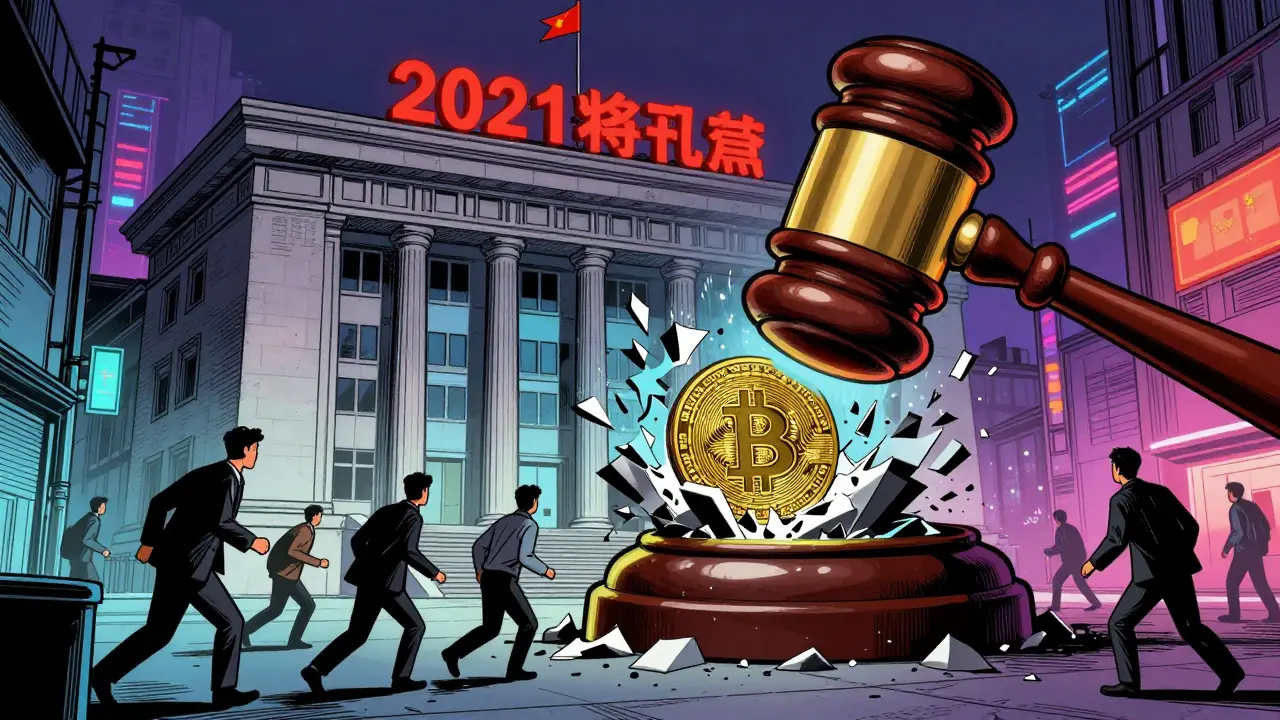
China digital yuan: What it is, how it works, and why it matters
When you think of digital money, you probably think of Bitcoin or Ethereum. But the most powerful digital currency in the world isn’t decentralized — it’s run by the People's Bank of China, the central bank that controls China’s monetary policy and launched the first major central bank digital currency at scale. Also known as the Digital Currency Electronic Payment (DCEP), the China digital yuan is a state-backed digital version of the Chinese renminbi — and it’s already being used by hundreds of millions of people.
This isn’t a crypto experiment. It’s a government tool designed to replace cash, track spending, and reduce reliance on Western financial systems. Unlike Bitcoin, where transactions are pseudonymous, every digital yuan transaction leaves a traceable record for authorities. That’s why it’s being tested in cities like Shenzhen and Beijing — not just for convenience, but for control. The system lets the government monitor how money flows, who buys what, and even when people spend it. It’s financial surveillance built into the currency itself.
The China digital yuan also challenges the dollar’s global dominance. By letting foreign countries and businesses use it for trade settlements, China is creating an alternative to SWIFT and the U.S. banking system. Countries in Southeast Asia and Africa are already testing cross-border payments with digital yuan — bypassing traditional banks and avoiding U.S. sanctions. This shift isn’t theoretical. In 2024, over 260 million people had used the digital yuan app, and transactions hit $1.5 trillion. That’s more than the entire Bitcoin network has ever processed.
What does this mean for you? If you’re in China, it’s already part of daily life — paying for groceries, buses, or rent with your phone. If you’re outside China, it’s a warning sign: the future of money may not be open and decentralized, but controlled and tracked. The China digital yuan isn’t just a new payment method. It’s a new model for how nations can own, monitor, and restrict their citizens’ financial freedom.
Below, you’ll find real stories and analysis from the front lines of this shift — from how it affects ordinary users, to how it’s reshaping global finance, to why some exchanges are quietly avoiding it. These aren’t speculative posts. They’re grounded in what’s actually happening on the ground.
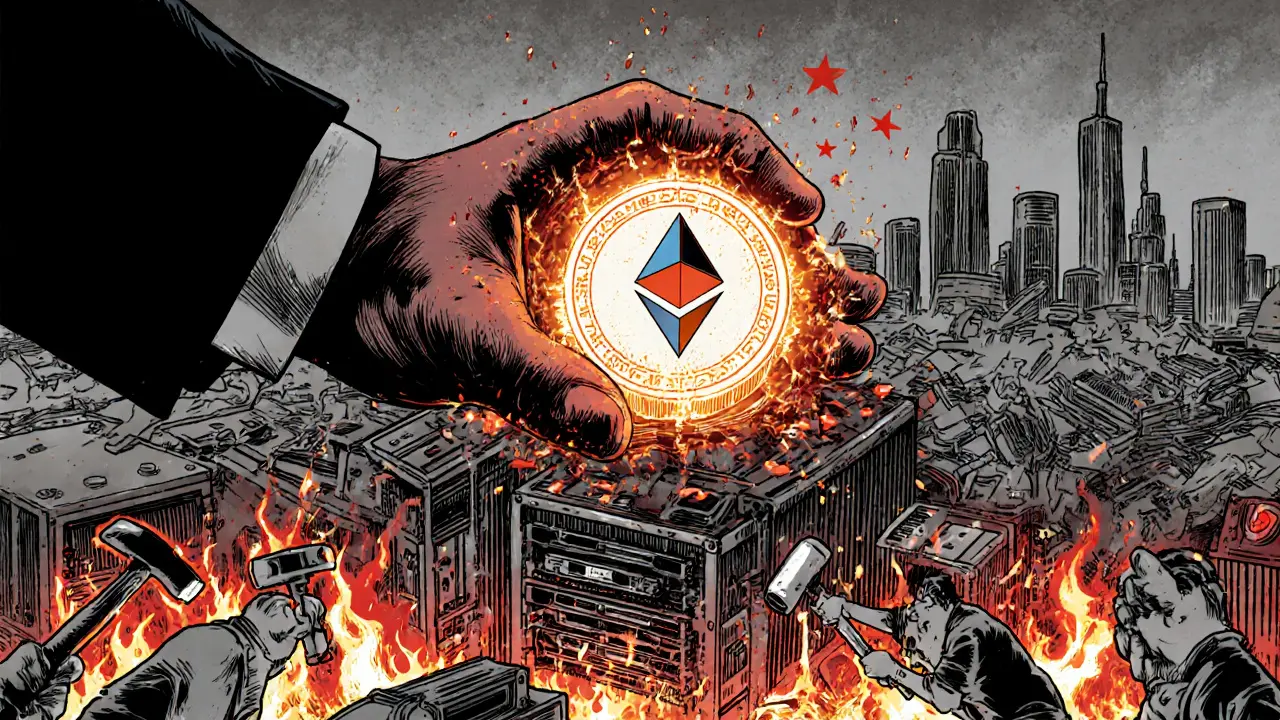
Chinese Government Crypto Seizures and Enforcement Actions: The Complete Ban Explained
- 6 Comments
- Feb, 15 2025
China's 2025 crypto ban made owning or trading any digital asset illegal. This is the full story of how the government eliminated crypto, seized billions in assets, and pushed the digital yuan as the only legal digital currency.