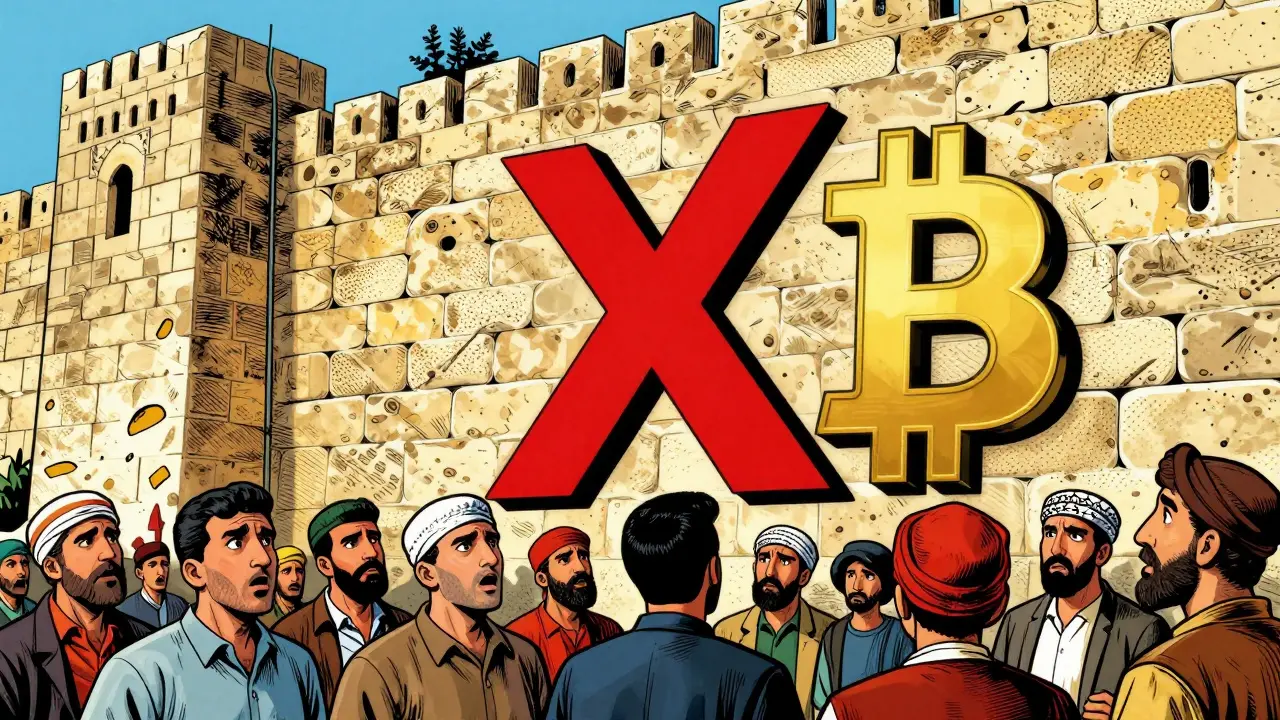
Crypto Ban in Iraq: What’s Really Happening and What It Means for Users
When people talk about a crypto ban in Iraq, a government policy that restricts or prohibits the use, trading, or mining of digital currencies within the country. Also known as digital currency restrictions, it’s part of a global trend where nations try to control financial flows outside traditional banking. But unlike China or Nigeria, Iraq’s stance isn’t clear-cut. There’s no single law that says "crypto is illegal," but the Central Bank of Iraq has repeatedly warned citizens not to use Bitcoin or other cryptocurrencies, calling them "unregulated and risky." That warning? It’s effectively a ban in practice—banks won’t process crypto transactions, exchanges can’t operate legally, and users risk fines or account freezes.
The real story isn’t just about rules—it’s about survival. In a country where inflation hits hard, banking access is limited, and remittances from abroad are lifelines, people still turn to crypto. Even with official pressure, peer-to-peer trading on platforms like LocalBitcoins and Paxful is alive in cities like Baghdad and Erbil. This isn’t rebellion—it’s necessity. And while the government pushes the Iraqi dinar and its own digital currency pilot, many Iraqis see crypto as the only tool that works when the system fails. That tension—between state control and grassroots adoption—is what defines the crypto ban in Iraq, a policy that tries to suppress digital finance but can’t stop people from using it. Also known as crypto resistance, this dynamic plays out in real time across the Middle East. Meanwhile, crypto mining Iraq, the process of validating blockchain transactions using local hardware and electricity. Also known as Bitcoin mining in Iraq, it’s largely underground, fueled by cheap power and desperation. Unlike Venezuela’s state-run mining, Iraq’s miners operate in small groups, often in homes or basements, avoiding detection. They’re not building empires—they’re just trying to convert electricity into something that holds value. And while the government focuses on cracking down, it’s missing the bigger picture: people aren’t using crypto to gamble—they’re using it to eat, pay rent, and send money home.
What you’ll find in the posts below isn’t speculation—it’s real-world reporting on what’s happening on the ground. You’ll see how Iraqis bypass restrictions, what local exchanges are still operating (and which ones to avoid), and how global crypto trends are shaping local behavior. You’ll also learn how similar bans in Venezuela and Nigeria played out, and what lessons apply to Iraq. This isn’t about hype or promises. It’s about survival, adaptation, and the quiet, stubborn way people use technology when the system lets them down.
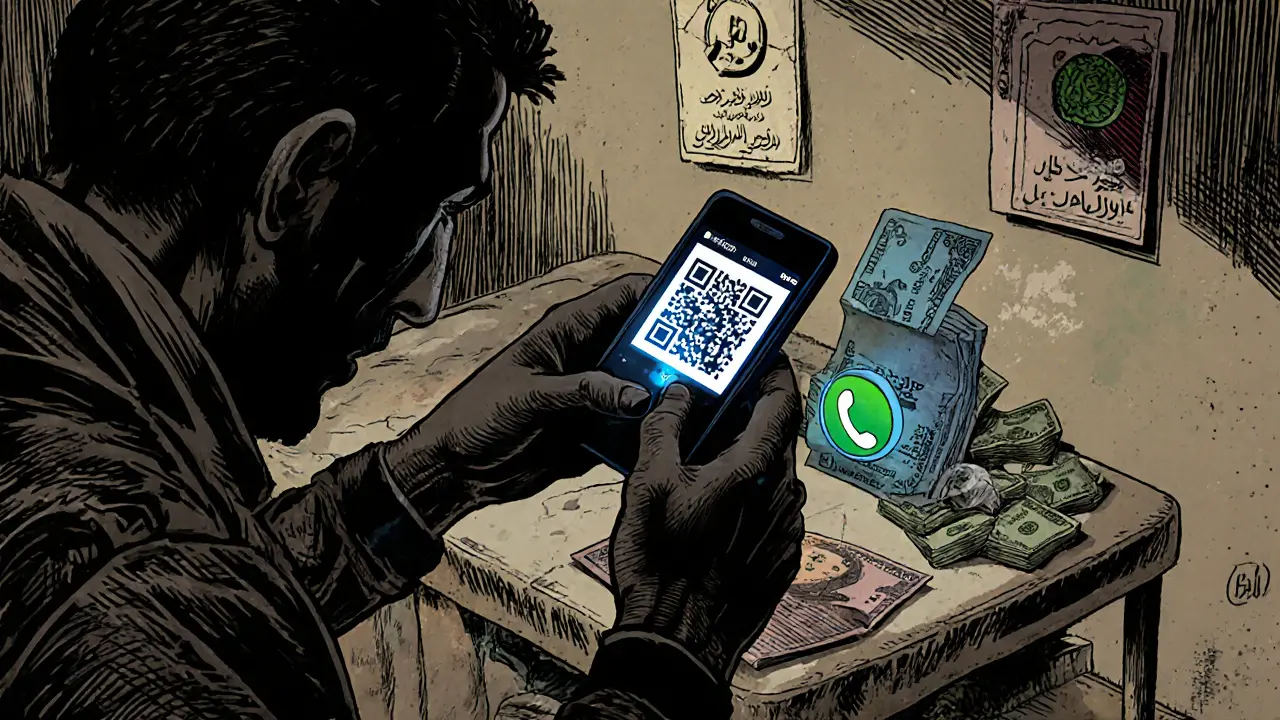
Central Bank of Iraq Crypto Restrictions: What You Need to Know in 2025
- 6 Comments
- Dec, 4 2024
Iraq bans cryptocurrency entirely, blocking banks and payment apps from handling digital assets. Yet people still trade crypto secretly. The Central Bank is now building its own digital currency - raising surveillance concerns.