Crypto Compliance in Thailand: Rules, Risks, and What You Need to Know
When it comes to crypto compliance Thailand, the set of legal and regulatory requirements that govern how digital assets are traded, taxed, and reported in Thailand. Also known as Thailand crypto regulations, it’s no longer optional to understand these rules—if you’re trading, holding, or investing in crypto here, you’re already in the system. Unlike countries that banned crypto outright, Thailand took a middle path: license everything, track everything, and tax everything. The Securities and Exchange Commission (SEC) of Thailand runs the show, and since 2018, all crypto exchanges operating in the country must be licensed by them. That means if you’re using Binance, Bybit, or any other platform in Thailand, it better have that SEC stamp—or it’s operating illegally.
What does this mean for you? If you’re buying Bitcoin or trading Solana tokens, your exchange is required to collect your ID, track your trades, and report suspicious activity. This isn’t just bureaucracy—it’s enforcement. In 2024, Thai authorities froze accounts and seized assets from unlicensed platforms. And if you’re earning income from crypto? You owe taxes. The Revenue Department treats crypto gains like capital gains, and failure to report can lead to fines or even criminal charges. crypto exchange Thailand, a licensed digital asset trading platform regulated by Thailand’s SEC. Also known as licensed Thai crypto platform, it’s the only safe place to trade without risking your funds or your legal standing. Only a handful of exchanges have cleared the SEC’s audit, including Bitkub, Zipmex, and RAYA. All others? They’re operating in the shadows, and so are their users.
Then there’s the tax side. crypto tax Thailand, the legal obligation to report and pay taxes on profits from cryptocurrency transactions under Thai income tax law. Also known as digital asset taxation Thailand, it applies to every sale, swap, or staking reward you earn. If you bought ETH for 50,000 THB and sold it for 80,000 THB, that 30,000 THB profit is taxable. No exceptions. Even if you traded one altcoin for another, that’s a taxable event. The government doesn’t care if you didn’t cash out to fiat—what matters is the value at the time of the trade. And yes, they’re starting to audit wallets using blockchain analysis tools. This isn’t a rumor. It’s happening.
So what’s next? Thailand is pushing its own digital currency—the Digital Thai Baht—and wants crypto to play a supporting role, not a competing one. That means stricter rules ahead, more reporting, and fewer loopholes. If you’re holding crypto in Thailand, you’re not just an investor—you’re a participant in a regulated financial system. Ignore the rules, and you risk losing your assets, your access, or worse. The good news? If you play by the rules, you’ve got a clear, legal path forward. Below, you’ll find real cases, exchange reviews, and regulatory updates that show exactly how this system works on the ground. No theory. No fluff. Just what’s actually happening in Thailand right now.
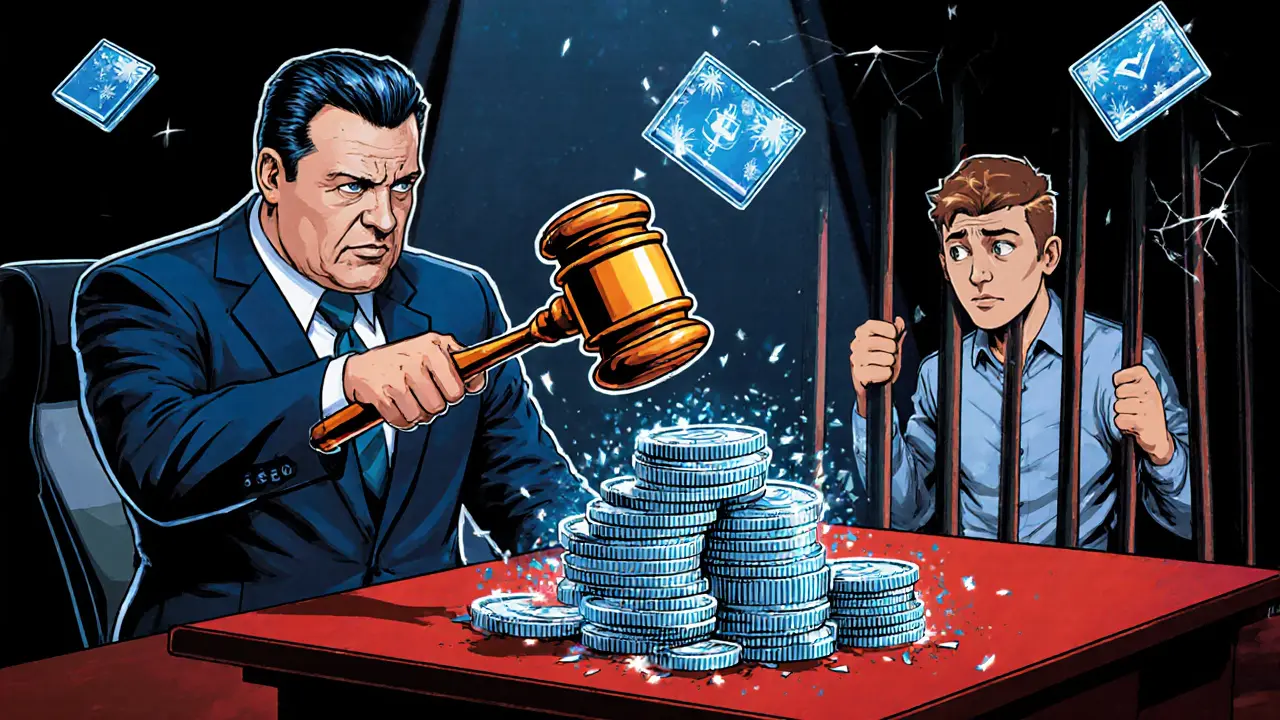
Severe Penalties for Crypto Non-Compliance in Thailand: What You Need to Know in 2025
- 8 Comments
- Jun, 22 2025
Thailand enforces some of the world's strictest crypto penalties in 2025, with jail time, asset freezes, and platform blocks for non-compliance. Know the rules before you trade.