Cryptocurrency Securities: What They Are and Why They Matter
When you hear cryptocurrency securities, digital assets that meet legal criteria to be treated like stocks or bonds under U.S. securities law. Also known as tokenized securities, they’re not just another coin—they’re financial instruments subject to strict rules from the SEC, the U.S. Securities and Exchange Commission, the federal agency that regulates markets and protects investors. If a crypto project promises profits based on someone else’s work—like a team developing a platform or selling tokens to fund development—it’s likely a security. That means it must be registered or exempt, or you’re breaking the law.
The line between a utility token and a security isn’t always clear, but the SEC has been pushing back hard since 2017. Projects like Telegram’s Gram and Ripple’s XRP got hit with lawsuits because their token sales looked like unregistered stock offerings. Even big names like Coinbase and Binance faced enforcement actions. The digital asset classification debate isn’t theoretical—it’s costing companies billions and forcing exchanges to delist coins overnight. If you’re holding a token that promises staking rewards, liquidity mining, or profit-sharing, ask: Is this a bet on a company’s success? If yes, it’s probably a security.
That’s why so many posts here focus on shady airdrops, dead tokens, and unregulated exchanges. The tokenized assets that promise easy money often skirt securities laws—or ignore them completely. Look at Quotient (XQN), PKG Token, or BUILDING STRONG COMMUNITY (B.S.C): all are ghost tokens with no team, no roadmap, and zero legal compliance. They’re not investments—they’re gambling chips. Meanwhile, projects like CAD Coin (CADC) and Ondo’s SBUXon are trying to play by the rules, offering regulated, asset-backed digital equivalents. One is a scam. The other is a new kind of financial product. The difference? Legal structure, transparency, and oversight.
You don’t need to be a lawyer to spot the red flags. If a project pushes you to buy before it’s live, uses vague terms like "future utility," or hides its team behind a website, it’s likely a security in disguise. The crypto compliance landscape is tightening fast. Countries like China have banned everything. Nigeria now requires SEC licensing. The U.S. is chasing unregistered offerings with subpoenas and fines. The crypto you hold today could be illegal tomorrow if it’s classified as a security and not registered. That’s why understanding this topic isn’t optional—it’s your best defense against losing money to a project that never should’ve existed in the first place.
Below, you’ll find real-world examples of what happens when crypto crosses into securities territory—from failed airdrops and scam exchanges to regulated stablecoins and enforcement actions. These aren’t theory pieces. They’re case studies from the front lines of crypto regulation. Know the rules. Protect your assets. Stay ahead of the next crackdown.
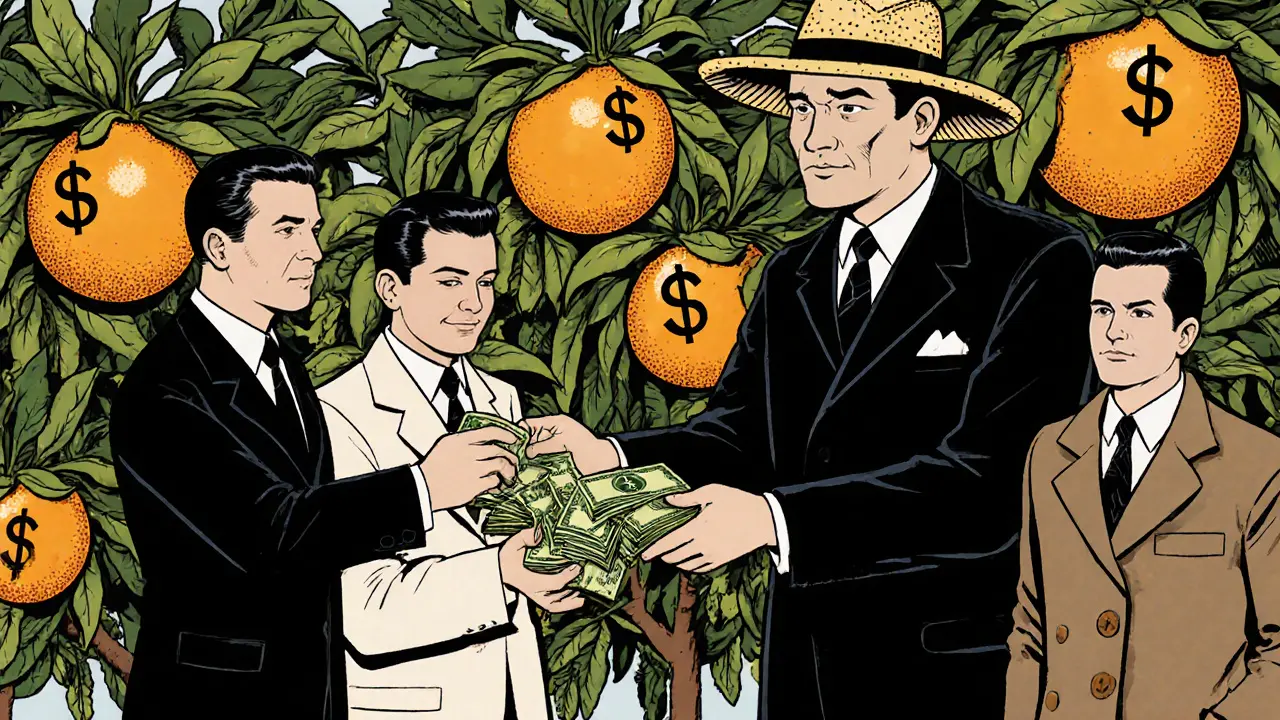
SEC Howey Test for Cryptocurrency: What It Is, How It Works, and What It Means for You
- 5 Comments
- Aug, 18 2025
The SEC's Howey Test determines if cryptocurrency tokens are securities. Learn how the 1946 legal standard applies to crypto today, why Bitcoin is exempt, how Ripple lost part of its case, and what it means for investors and developers.