Ingredient NFT: What It Really Means and Why Most Are Worthless
When you hear Ingredient NFT, a type of non-fungible token marketed as a component or building block for future digital products. Also known as utility NFT, it’s supposed to unlock something later—like access, rewards, or in-game items. But in practice, most Ingredient NFTs never deliver. They’re sold as keys to a door that doesn’t exist. You buy one, hoping it’ll turn into a rare skin, a membership, or a share in a future game. Instead, you get silence. No updates. No team. No roadmap. Just a JPEG sitting in your wallet.
This isn’t rare. Look at the projects behind the posts here: NEXTYPE (NT), a token project that vanished after promising airdrops and ecosystem growth, TRO (Trodl), a token with zero activity and no official airdrop, or SUNI, an airdrop campaign with no team, no utility, and no value. These aren’t anomalies—they’re the norm. The same pattern repeats: hype, a fake promise, then radio silence. Ingredient NFTs often follow this script. They’re sold as part of a bigger system, but that system never gets built. The NFT isn’t an ingredient—it’s bait.
What separates real utility from fake? Real NFTs have working code, public teams, and live integrations. You can see them used in apps, games, or wallets right now. Dead ones? They’re just numbers on a blockchain with no connection to anything real. The Ingredient NFT label is often just marketing fluff. If a project says your NFT will "unlock something," ask: What? When? Where’s the demo? If they can’t show you, don’t buy it. The posts below dig into exactly these kinds of projects—exposing the ones that vanished, the ones that were scams, and the few that actually delivered. You’ll find out why some NFTs are digital landfills and how to spot the real ones before you waste your time—or your money.
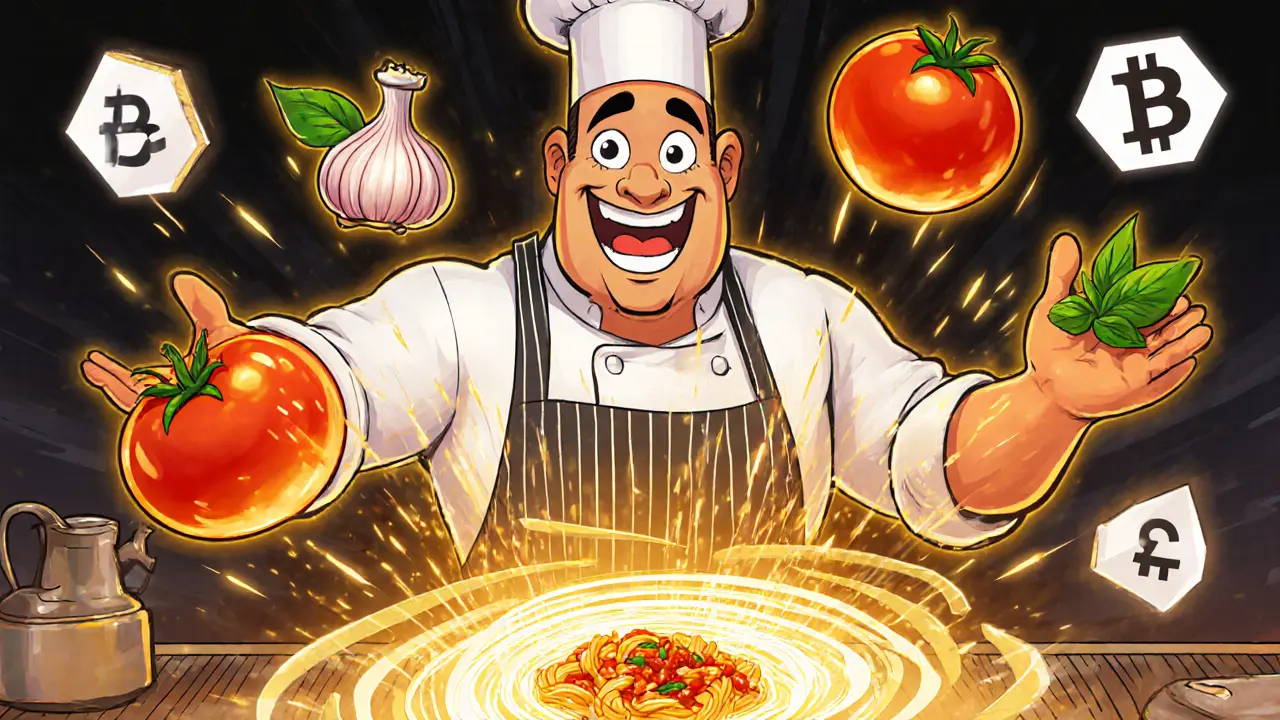
OneRare Ingredient NFTs: How to Earn Food NFTs in the Foodverse Without an Airdrop
OneRare doesn't do airdrops - it lets you earn Ingredient NFTs by staking ORARE tokens in its Foodverse. Learn how farming, trading, and cooking NFTs in this food metaverse on Polygon creates real value.