Unsafe Crypto Exchange: Red Flags, Scams, and How to Stay Safe
When you use an unsafe crypto exchange, a platform that lacks transparency, regulation, or security controls, putting your funds at serious risk. Also known as a rogue exchange, it might look legit—but it’s built to disappear with your money. These platforms don’t have audits, customer support, or insurance. They rely on flashy bonuses, fake traffic, and silence until you try to withdraw.
Many crypto exchange scams, platforms designed to trick users into depositing funds with no intention of allowing withdrawals show up as ‘new’ or ‘high-yield’ options. Look at BitxEX and DubiEx—both promise low fees or free tokens, but users report frozen accounts and zero communication. These aren’t bugs—they’re features. The same goes for BitStorage: over 500 coins sound impressive, but without audits or user reviews, it’s a black box. If no one else is talking about it, that’s a warning.
Another red flag? No clear team or headquarters. If you can’t find who runs the exchange, don’t trust it. Some fake platforms even copy the names of real ones, like BitxEX pretending to be Bitfinex. Then there’s the unregulated exchange, a platform operating outside any government oversight, making it impossible to seek help if things go wrong. In Nigeria, only Quidax and Busha are licensed by the SEC. Using unapproved ones like Bybit or KuCoin there isn’t just risky—it’s against the law, and your assets can be seized.
And don’t fall for the ‘free crypto’ trap. Airdrops from unknown exchanges like BDCC or SUNI often lead nowhere. They’re bait. You give your email, social handles, or wallet address—and then you’re flooded with spam or drained by phishing links. Real airdrops don’t ask for your private key. They don’t pressure you. They don’t vanish after you claim.
Withdrawal issues are the universal sign of a failing exchange. If you can’t get your Bitcoin out when you want to, it’s not a glitch—it’s a scam. Exchange inflow and outflow data shows when big holders are pulling out. If an exchange’s outflows spike while inflows drop, it’s a sign insiders know something’s wrong. And if the exchange has no public on-chain metrics? That’s not privacy—it’s evasion.
There’s a simple rule: if you can’t verify it, don’t use it. Look for third-party audits, user testimonials, and regulatory licenses. If those are missing, walk away. The unsafe crypto exchange isn’t just a bad choice—it’s a financial trap. You don’t need to chase high returns on sketchy platforms. The best crypto moves are the ones you make safely.
Below, you’ll find real reviews of exchanges that crossed the line—plus the ones that still work. No fluff. Just facts. Learn what to avoid, who to trust, and how to protect your crypto before it’s too late.
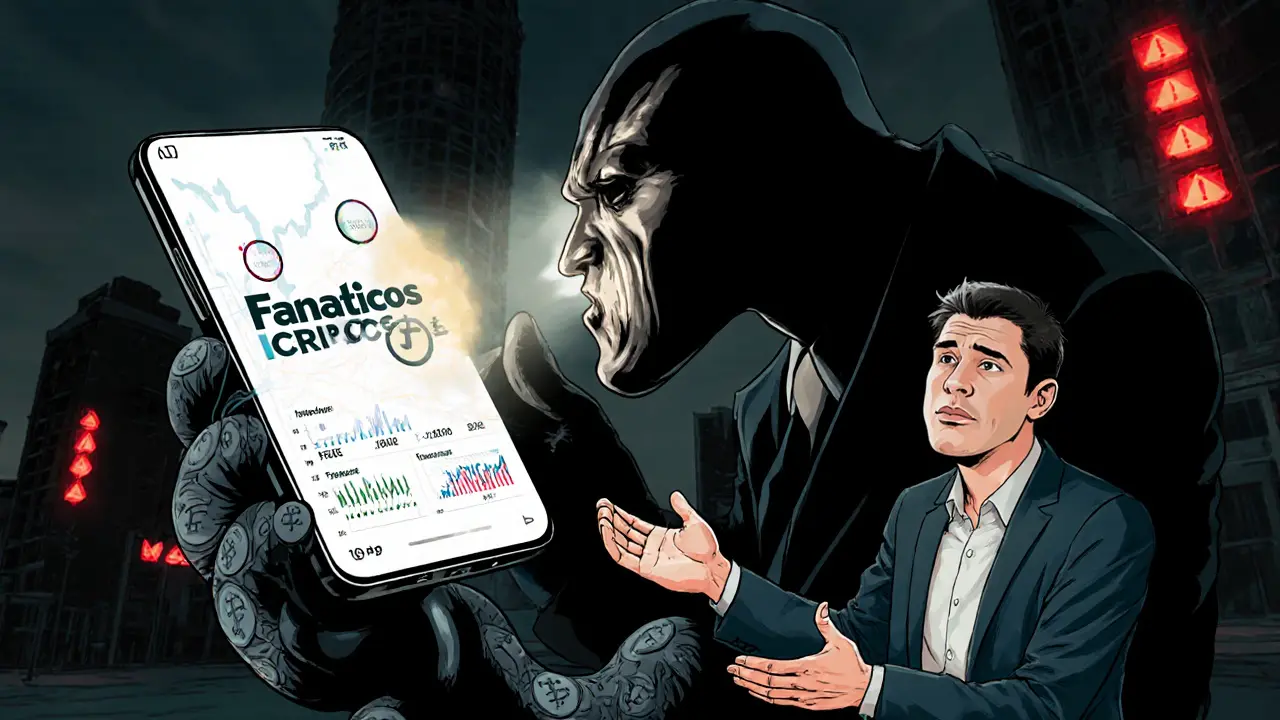
Fanaticos Criptos Crypto Exchange Review: Is It Real or a Scam?
Fanaticos Criptos is not a real crypto exchange-it's a scam. Learn why it doesn't exist, how these fake platforms trick users, and where to trade safely in 2025.