Vietnam Crypto Tax Calculator
Calculate Your Vietnam Crypto Tax
Estimate potential tax liability based on Vietnam's new cryptocurrency regulations. The government is using securities tax rules as a placeholder for crypto transactions.
Your Tax Estimate
Note: Vietnam's final tax rates for cryptocurrency transactions have not been officially announced. This calculator uses placeholder rates based on the article's information.
Important Notes
- Vietnam is using securities tax rules as a placeholder for crypto transactions
- Tax rates may change before 2026 when final rules are established
- Long-term holdings may qualify for tax exemptions (not yet confirmed)
- All transactions must be reported through licensed platforms
Vietnam just changed everything about crypto
For years, Vietnam’s government told people: don’t touch cryptocurrency. Banks couldn’t process it. Exchanges were blocked. Trading happened in the shadows. But on September 9, 2025, that changed. Vietnam launched the world’s first official, government-backed pilot program for cryptocurrency - and it runs until 2030. This isn’t a tweak. It’s a full reset. Now, crypto isn’t just tolerated - it’s legally recognized as an asset under Vietnam’s Civil Code. You can own it. Trade it. Invest in it. But only if you play by the new rules.
What’s actually allowed now?
The new law doesn’t say crypto is money. It says it’s a virtual asset. That’s a big deal. You can’t use Bitcoin to buy coffee at a Hanoi café. The State Bank of Vietnam still blocks crypto as payment. But you can buy, sell, and hold it - as long as you use a licensed platform. The government created three clear categories:
- Virtual assets: Any digital item used for exchange or investment, as long as it’s not cash, securities, or government digital currency.
- Crypto assets: A subset of virtual assets that use encryption or digital tech to verify ownership - think Bitcoin, Ethereum, and similar tokens.
- Other virtual assets: Everything else that doesn’t fit the first two - like NFTs or utility tokens.
That means if you own an NFT of a digital artwork or a token that gives you access to a game, it’s now legally recognized. No more gray zone. The Ministry of Finance is in charge. They’ll issue licenses to exchanges, wallet providers, and trading platforms. No license? No service. Period.
How does this compare to other countries?
Most countries are stuck. China bans everything. India taxes crypto like a lottery win but gives no clear rules. The U.S. has a patchwork of state and federal rules. Vietnam didn’t pick one of those paths. It built its own. The closest comparison is the EU’s MiCA regulation - but even that doesn’t have a fixed end date or a government-run pilot. Vietnam’s program is five years long, ends in 2030, and requires all domestic activity to go through licensed players. That’s tighter than most Western models.
And it’s working. Before the law, Vietnamese traders were doing over $600 million in daily crypto transactions - all offshore, all unregulated. Now, those trades are being pulled back into the system. The government isn’t trying to stop crypto. It’s trying to control it. And it’s betting that by bringing it into the open, it can capture capital, attract tech investment, and stay ahead of the region.
What do you have to do to stay legal?
If you’re a Vietnamese resident and you trade crypto, here’s your checklist:
- Stop using unlicensed exchanges - including Binance, Kraken, or any offshore platform - after the first licensed provider goes live.
- Move all your holdings to a licensed Vietnamese platform within six months of the first license being issued.
- Complete KYC. That means your real name, ID, and proof of address. No anonymity.
- Report your trades. The licensed platforms will do this for you, but you’re still responsible if they fail.
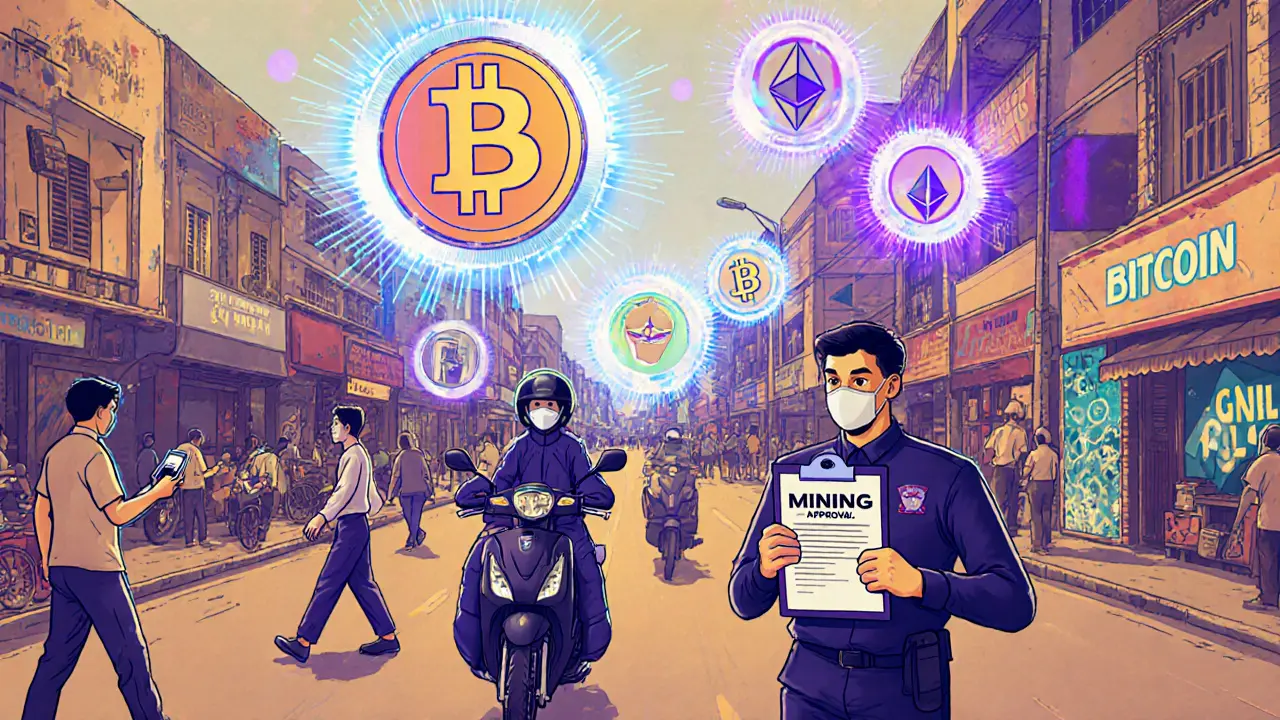
- Don’t mine. Not yet. The government hasn’t said if it’s legal. Until they do, assume it’s not.
Violate these rules? You could face fines, account freezes, or even criminal charges. The law says violations will be handled based on severity - but it doesn’t spell out exact penalties yet. That’s coming in 2026. The Ministry of Finance is still writing the fine print.
What’s still unclear?
There are big gaps. The biggest? Taxes. Right now, the government is using securities tax rules as a placeholder. That means if you sell Bitcoin for a profit, you might be taxed like you sold stocks. But no official crypto tax rate has been set. Will it be 10%? 20%? Will there be exemptions for long-term holders? Nobody knows.
Mining is another mystery. Vietnam has cheap electricity and a growing tech workforce - perfect for mining. But the law doesn’t mention it. Is it allowed? Illegal? Do you need a permit? The Ministry hasn’t said. And if you’re using a GPU rig in Ho Chi Minh City right now, you’re in legal limbo.
Also, English translations of the laws are scarce. Most documents are only in Vietnamese. If you’re a foreign investor or non-Vietnamese speaker, you’re at a disadvantage. Legal advice is expensive. Many small traders are stuck trying to decode the rules on Reddit and Facebook groups.

Who wins? Who loses?
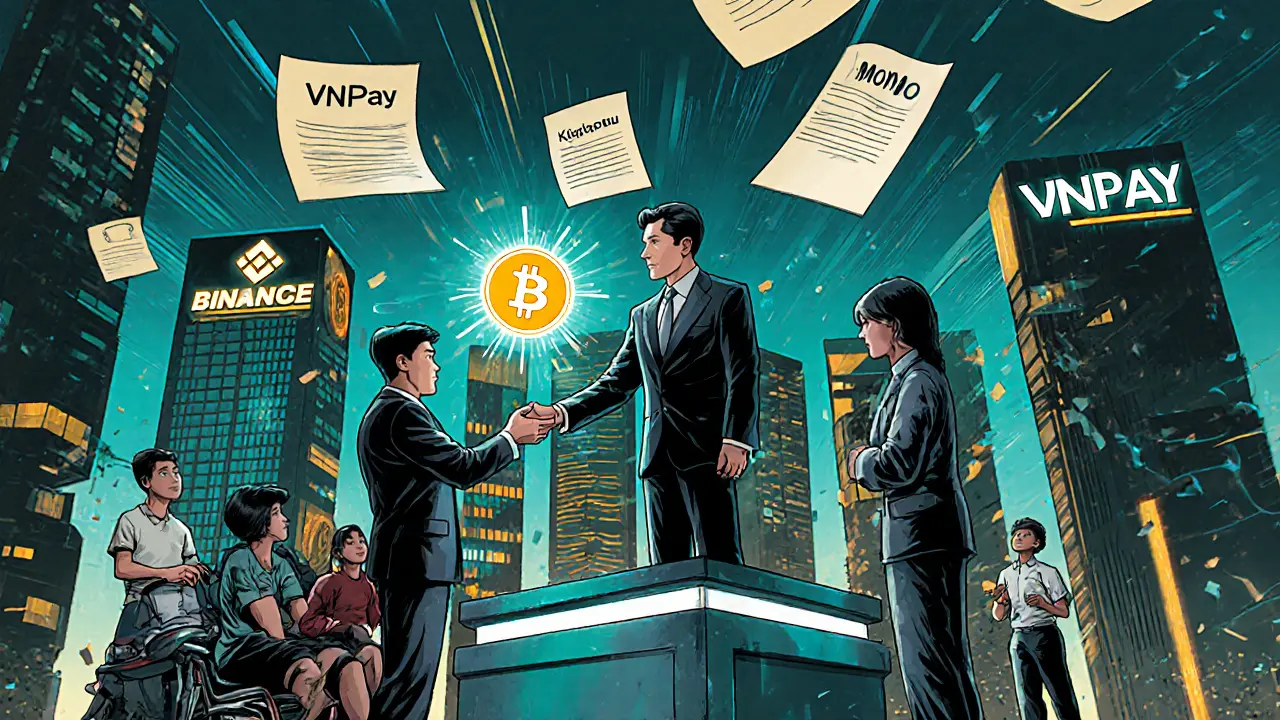
Big players win. Banks and fintech companies with deep pockets are lining up for licenses. VNPay, Momo, and Vietcombank are all rumored to be applying. These firms can afford compliance teams, legal counsel, and cybersecurity upgrades. They’ll dominate the market.
Small traders lose - at least at first. The cost of compliance will push many off the platforms. If you’re trading $500 a month, paying $200 in fees just to stay legal doesn’t make sense. Some will go underground. Others will quit.
Foreign exchanges lose too. Binance and Coinbase can’t operate legally in Vietnam anymore unless they partner with a licensed local firm. That means they’ll have to give up control, share data, and follow Vietnam’s rules - not theirs. Many won’t bother.
But the real winners? Vietnam’s tech ecosystem. This move signals to global investors: Vietnam is open for digital business. It’s not just about crypto. It’s about blockchain, DeFi, Web3, and AI-driven finance. The government is betting that controlling crypto now will let it lead the region’s next tech wave.
What happens after 2030?
The pilot ends in 2030. What comes next? No one knows for sure. But here’s what’s likely:
- If compliance is high and fraud is low, crypto will become fully legal - not just a pilot.
- If the system works, Vietnam may become a regional hub for crypto regulation in Southeast Asia.
- If things go wrong - lots of money laundering, scams, or capital flight - the government could shut it down or make it even stricter.
One thing’s certain: the clock is ticking. The next five years will decide whether Vietnam becomes a global model for crypto regulation - or a cautionary tale.
What should you do right now?
If you’re in Vietnam and you hold crypto:
- Watch for the first licensed platform announcement. The Ministry of Finance will publish it on their official website.
- Don’t move your assets until the platform is live. Transferring too early could expose you to scams.
- Keep records of every transaction - dates, amounts, platforms. You’ll need them for taxes later.
- Don’t trust social media rumors. Wait for official updates from the Ministry of Finance or the State Bank of Vietnam.
- If you’re not trading yet, wait. The market will stabilize once licensed platforms launch.
If you’re outside Vietnam and you’re thinking of investing: don’t rush. The rules are still being written. The legal risk is high. The potential reward? Maybe. But only if you’re ready to play by Vietnam’s terms - not yours.





Martin Doyle
November 26, 2025 AT 13:32Tina Detelj
November 27, 2025 AT 16:27Tom MacDermott
November 29, 2025 AT 14:42Komal Choudhary
November 29, 2025 AT 21:06Wilma Inmenzo
December 1, 2025 AT 11:14George Kakosouris
December 3, 2025 AT 08:39Sierra Myers
December 4, 2025 AT 00:13priyanka subbaraj
December 5, 2025 AT 08:44Ben Costlee
December 5, 2025 AT 11:32Tom MacDermott
December 6, 2025 AT 03:33