Imagine a world where your support for a favorite streamer or K-pop idol isn't just a one-time purchase, but a direct stake in their community's growth. That is the promise behind Fautor (FTR), a cryptocurrency token designed to bridge the gap between fans and content creators using blockchain technology. If you have stumbled upon this ticker symbol on an exchange like Gate.io or MEXC, you are likely wondering if it is a speculative gamble or a legitimate utility token with real-world backing. The answer lies in its parent platform, Fantrie, South Korea’s leading creator-fan service.
Fautor is not a standalone experiment; it is the Web 3.0 evolution of a platform that already serves over 1 million users and 1,500 creators. To understand FTR, you need to look past the price charts and examine the ecosystem it powers. This guide breaks down what Fautor actually does, how its tokenomics work, and whether it holds value beyond the hype cycle.
The Origin Story: From Fantrie to Fautor
To grasp the utility of FTR, we must first look at Fantrie. Launched in March 2021, Fantrie started as a Web 2.5 platform-a hybrid model that offered digital goods and subscriptions similar to Patreon or OnlyFans but tailored specifically for the intense engagement culture of South Korean fandoms. It quickly became the go-to platform for top-tier streamers, idols, and independent creators who wanted higher revenue shares than traditional social media giants offered.
The transition to Web 3.0 was a natural next step. The name "Fautor" comes from the Latin word for "supporter," reflecting the project's core mission: empowering the people who fund the creators. By integrating blockchain, Fantrie aimed to give fans more than just access to exclusive photos or videos. They sought to create a decentralized identity for fandoms, allowing supporters to own verifiable proof of their loyalty and participate directly in the creator's economy.
This shift addresses a major pain point in the current creator economy. On platforms like YouTube or Instagram, algorithms dictate visibility, and ad revenue is split unevenly. Fantrie’s distribution structure minimizes platform fees to maximize creator income. Fautor extends this by introducing transparency and ownership through tokens, moving away from opaque subscription models toward a transparent, user-owned ecosystem.
Core Utility: What Can You Do With FTR?
Cryptocurrency projects often struggle to define clear use cases. Fautor attempts to solve this by embedding the token into daily interactions within the Fantrie app. Here is how FTR functions in practice:
- Governance and Voting: Holders can vote on platform improvements and feature requests, giving the community a say in the platform's direction.
- Exclusive Access: Creators can set entry requirements for certain channels or events using FTR tokens, creating tiered levels of fan engagement.
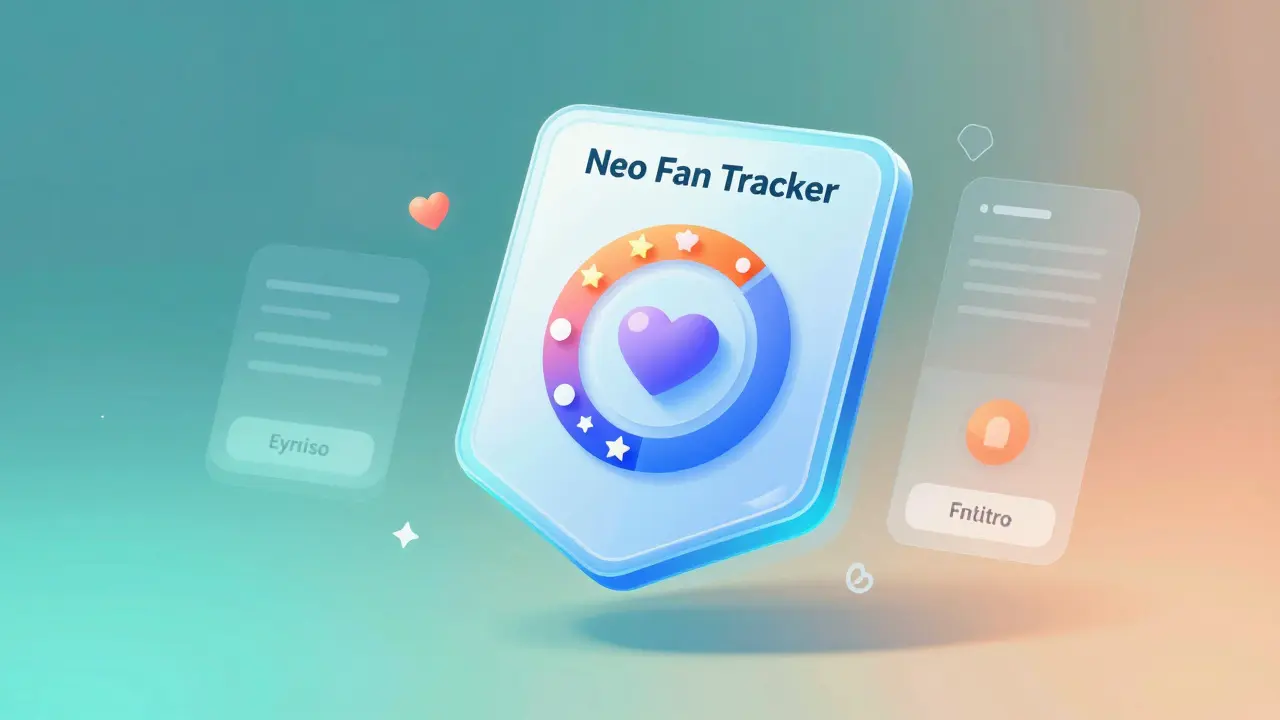
- Neo Fan Trackers (NFTs): Unlike standard collectible NFTs, Fautor redefines them as "Neo Fan Trackers." These are dynamic assets that track your interaction history with a creator. The longer and more actively you support a creator, the more valuable these trackers become, potentially unlocking future rewards or discounts.
- Payment Method: Fans can use FTR to purchase digital goods, send tips, or subscribe to premium content directly within the app, reducing friction compared to credit card transactions.
The introduction of Neo Fan Trackers is particularly significant. In the broader NFT market, many tokens are static images with speculative value. Fautor’s approach ties the asset’s value to actual behavior and loyalty. This creates a feedback loop where active participation increases the utility of the holder's assets, encouraging long-term retention rather than quick flips.
Tokenomics: Supply, Distribution, and Vesting
Understanding the supply dynamics of a token is crucial for assessing its long-term viability. Fautor operates on the Ethereum blockchain, utilizing the ERC-20 standard. The maximum total supply is capped at 2.5 billion FTR tokens. However, not all of these tokens are in circulation today.
The distribution model is heavily skewed toward community incentives, which is a positive sign for decentralization. Here is the breakdown:
| Recipient | Percentage | Amount (Tokens) | Vesting Schedule |
|---|---|---|---|
| Community | 65% | 1.625 Billion | TGE 1.8%, then linear vesting over 36 months |
| Core Team | 15% | 375 Million | 12-month cliff, then linear vesting over 36 months |
| Investors | 15% | 375 Million | 6-month cliff, then linear vesting over 24 months |
| Advisors | 5% | 125 Million | 6-month cliff, then linear vesting over 36 months |
The 65% allocation to the community suggests that the project intends to reward early adopters and active users significantly. However, the vesting schedules are critical. The Core Team has a 12-month cliff, meaning they cannot sell any tokens for the first year after the token generation event. This alignment reduces the risk of an immediate "dump" by insiders. Investors have a shorter 6-month cliff, which introduces some near-term selling pressure risk as those tokens unlock.
As of late 2025, circulating supply figures vary across data aggregators due to differing methodologies for counting locked versus unlocked tokens. Reports range from approximately 45 million to over 900 million tokens in active circulation. This discrepancy highlights the importance of checking real-time on-chain data rather than relying solely on aggregated sites when assessing liquidity.
Market Performance and Price Volatility
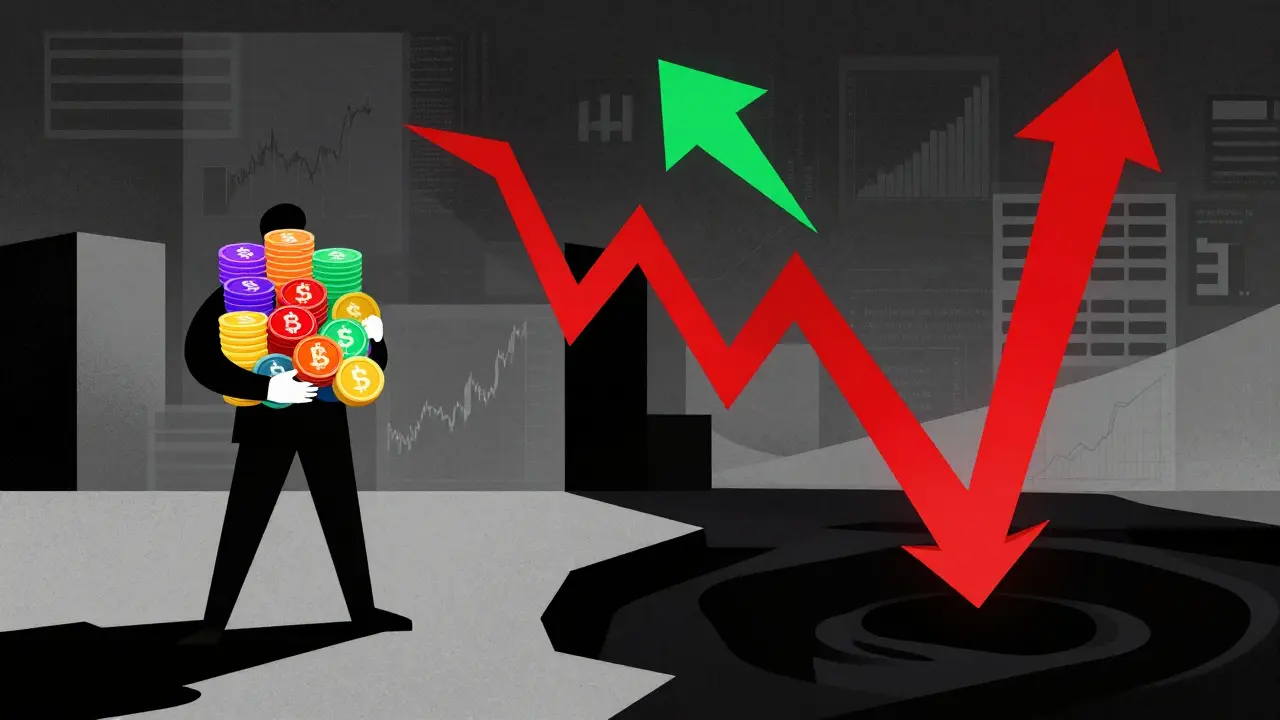
If you look at the price chart of FTR, you will see extreme volatility. The token reached an all-time high (ATH) of $1.50 on July 29, 2024. Since then, it has experienced a dramatic correction, dropping by approximately 99.8% to trade in the range of $0.003 to $0.004 as of October 2025.
Is this a red flag? Not necessarily. Many micro-cap tokens experience parabolic pumps during initial listing phases driven by speculation, followed by severe corrections as the market finds equilibrium. The key question is whether the price decline reflects a loss of utility or simply a cooling off of speculative interest.
Current trading volume is relatively low, fluctuating between $4,500 and $100,000 per day depending on the exchange. This low liquidity means that large buy or sell orders can cause significant price slippage. For retail investors, this implies that entering or exiting positions should be done carefully, ideally using limit orders rather than market orders.
Fautor is primarily traded on Gate.io, with additional presence on MEXC. Its ranking around 1,698th in market capitalization places it firmly in the micro-cap category. While this offers high potential upside if adoption grows, it also carries substantial risk compared to established cryptocurrencies like Bitcoin or Ethereum.
Risks and Challenges to Consider
No investment is without risk, and Fautor faces several specific challenges that investors must weigh:
- Geographic Concentration: Fantrie’s primary user base is in South Korea. While the K-culture export (K-Pop, K-Dramas) is global, the platform’s deep integration with local payment methods and cultural nuances may hinder rapid international expansion. Regulatory hurdles in other countries could further slow this process.
- Regulatory Uncertainty: Cryptocurrency regulations, especially regarding utility tokens and NFTs, are evolving rapidly. South Korea has been tightening its rules on crypto exchanges and virtual assets. Any adverse regulatory change could impact Fantrie’s operations and, by extension, FTR’s utility.
- Competition: The creator economy is crowded. Competitors include Web 2.0 giants like Patreon, Substack, and OnlyFans, as well as emerging Web 3.0 projects like Audius or Mirror. Fautor must continuously prove that its blockchain features offer tangible benefits over simpler, non-crypto alternatives.
- Token Dilution: With 2.5 billion tokens in total supply and significant portions still vested, future unlocks could increase selling pressure. If demand does not grow proportionally with supply, the price may face downward pressure.
Additionally, the project’s reliance on Fantrie’s success creates a single point of failure. If the platform loses its competitive edge in the creator space, the utility of FTR diminishes regardless of its technological merits.
Future Outlook: Can Fautor Sustain Growth?
The creator economy is projected to exceed $104 billion globally. Fautor is positioning itself to capture a slice of this pie by leveraging blockchain for transparency and ownership. The success of this strategy depends on three factors:
First, user adoption. Can Fantrie convince its existing 1 million users to engage with Web 3.0 features? The gradual transition from Web 2.5 helps here, as users are already familiar with the interface. Second, international expansion. Breaking out of the Korean market is essential for sustained growth. Partnerships with global creators or integrations with international wallets could facilitate this.
Third, technological innovation. The concept of Neo Fan Trackers is novel, but it needs to deliver measurable value. If fans see tangible benefits-such as discounted merchandise, early access to tours, or governance power-they are more likely to hold and use FTR rather than sell it.
While the price action has been brutal since its peak, the underlying fundamentals remain intact. The team continues to develop the platform, and the community remains engaged. For those interested in the intersection of fandom and finance, Fautor represents a unique case study in applied blockchain utility. However, due diligence is paramount. Treat it as a high-risk, high-reward asset within a diversified portfolio, not a guaranteed safe haven.
What is the main purpose of the Fautor (FTR) token?
The FTR token serves as the utility currency within the Fantrie ecosystem. It enables fans to interact with creators through purchases, tipping, and exclusive access. Additionally, it powers "Neo Fan Trackers" (NFTs) that verify fan loyalty and may unlock future rewards. Holders can also participate in platform governance.
Is Fautor (FTR) a good investment in 2026?
FTR is considered a high-risk, micro-cap cryptocurrency. It has dropped nearly 99.8% from its all-time high. While it has real-world utility via the Fantrie platform, its price is highly volatile and dependent on the platform's ability to expand beyond South Korea. Investors should only allocate funds they can afford to lose and conduct thorough research.
Where can I buy Fautor (FTR) tokens?
FTR is primarily available on centralized exchanges such as Gate.io and MEXC. Availability may vary by region due to local regulations. Always verify the official contract address on the Ethereum blockchain before purchasing to avoid scams.
How does Fautor differ from other creator economy tokens?
Unlike purely speculative tokens, Fautor is backed by an existing operational platform, Fantrie, which has over 1 million users. It introduces "Neo Fan Trackers," dynamic NFTs that track fan engagement and loyalty, offering a more integrated utility model than static collectibles found in other projects.
What is the total supply of FTR tokens?
The maximum total supply of Fautor (FTR) is 2.5 billion tokens. A significant portion (65%) is allocated to the community, with vesting schedules designed to prevent immediate dumping by the team and investors.