Angola Crypto Mining Ban: What It Means and How It Compares to Other Countries
When Angola crypto mining ban, a government decision to outlaw cryptocurrency mining operations to preserve electricity and curb unregulated financial activity. It’s not just about stopping miners—it’s about controlling who gets access to power, money, and digital assets in a country still rebuilding its infrastructure. The ban, enforced in early 2024, targets large-scale mining rigs that drain the national grid, especially during peak hours. Unlike China’s total crypto crackdown or Venezuela’s state-run mining program, Angola didn’t ban ownership or trading—just the energy-hungry process of creating new coins. This makes it a middle-ground approach: restrictive, but not total.
Related to this are crypto mining regulations, laws that define who can mine, where, and under what power conditions. In Angola, these rules are enforced by the central bank and energy ministry, with fines for unlicensed operations. Compare that to African crypto policy, the patchwork of national approaches across the continent where Nigeria embraces crypto as a survival tool and South Africa regulates it like securities. Angola’s move fits a growing trend in emerging economies: use crypto bans not to stop innovation, but to protect basic services like electricity and currency stability. Meanwhile, state-controlled mining, when governments run or heavily regulate digital mining as a revenue source, is what you see in Venezuela, where the state runs SUNACRIP and claims mining profits. Angola chose the opposite path—no state mining, no private mining. Just a hard stop.
What’s missing in Angola’s policy? Clear rules for miners who already invested in hardware, or guidance for users who rely on crypto for remittances. Unlike Nigeria, where crypto adoption is driven by economic pressure, Angola’s ban feels more like a top-down power play. There’s no public roadmap, no pilot programs, and no mention of how citizens should move money legally. That’s why the ban is controversial—even among crypto users who support regulation.
Below, you’ll find real examples of how countries handle crypto mining, from outright bans to state-run operations. You’ll see how power shortages, corruption, and public trust shape these decisions. Whether you’re a miner, a user, or just watching from afar, understanding Angola’s move helps you see the bigger picture: crypto policy isn’t about technology—it’s about control, survival, and who gets to decide what’s legal.
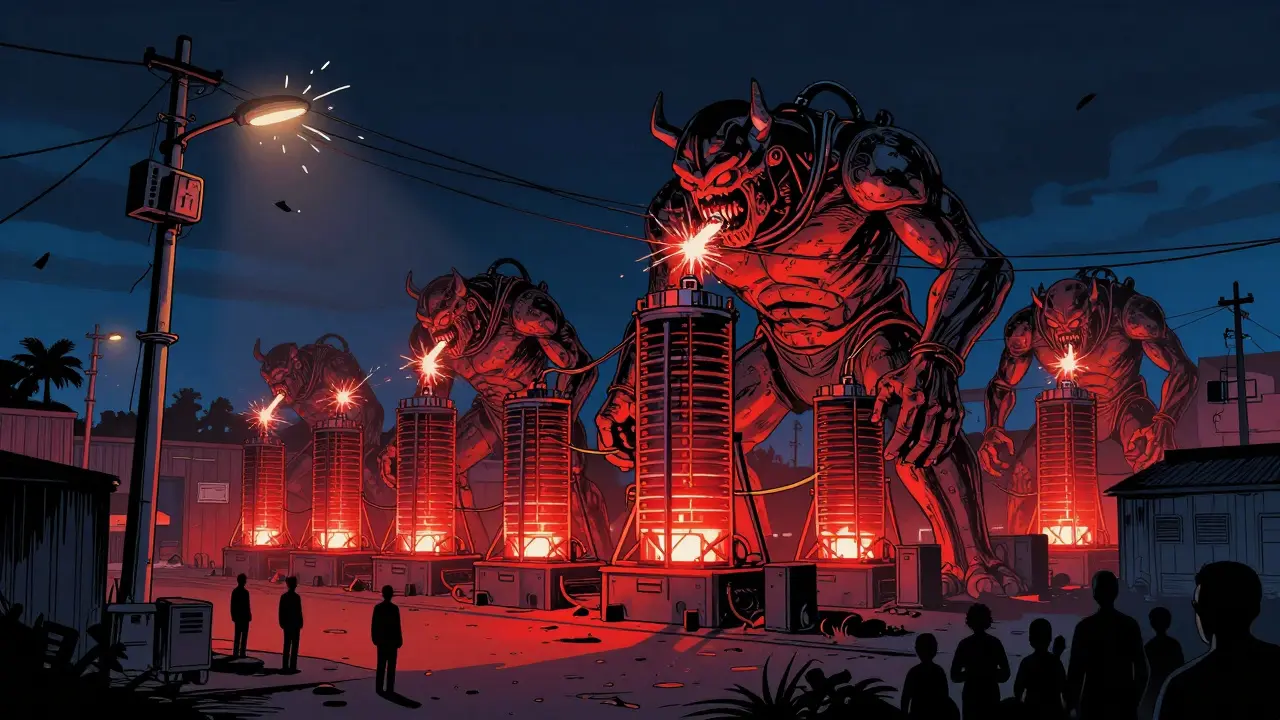
Energy Crisis Forces Angola to Ban Crypto Mining Amid Grid Collapse
- 10 Comments
- Jan, 29 2026
Angola banned crypto mining in 2024 after illegal operations drained 15% of its electricity, worsening blackouts for millions. With hospitals losing power and grid failures rising, the government seized $37 million in equipment and prioritized human needs over digital mining.
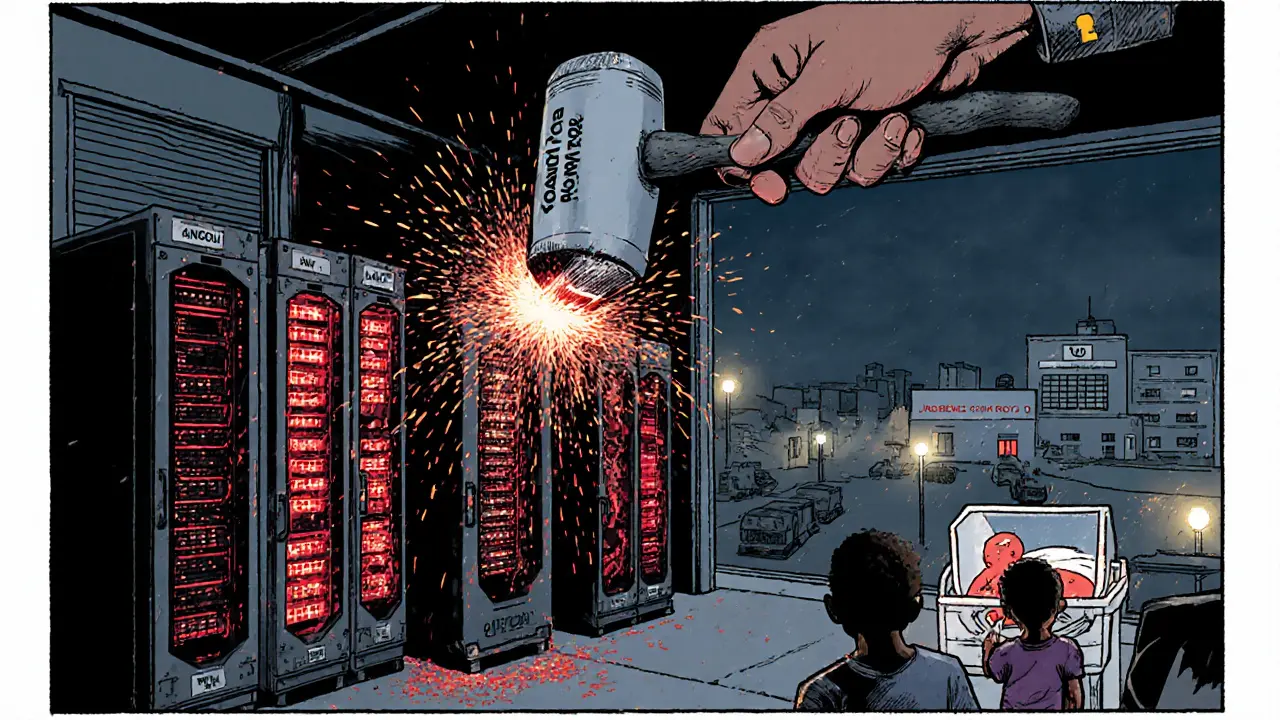
Angola Crypto Mining Ban as of April 2024: What Happened and Why It Matters
- 9 Comments
- Jul, 15 2025
Angola banned cryptocurrency mining in April 2024 to protect its failing power grid. The law imposes prison sentences, asset seizures, and deportations. Over $37 million in mining gear was confiscated and redistributed to hospitals and schools.