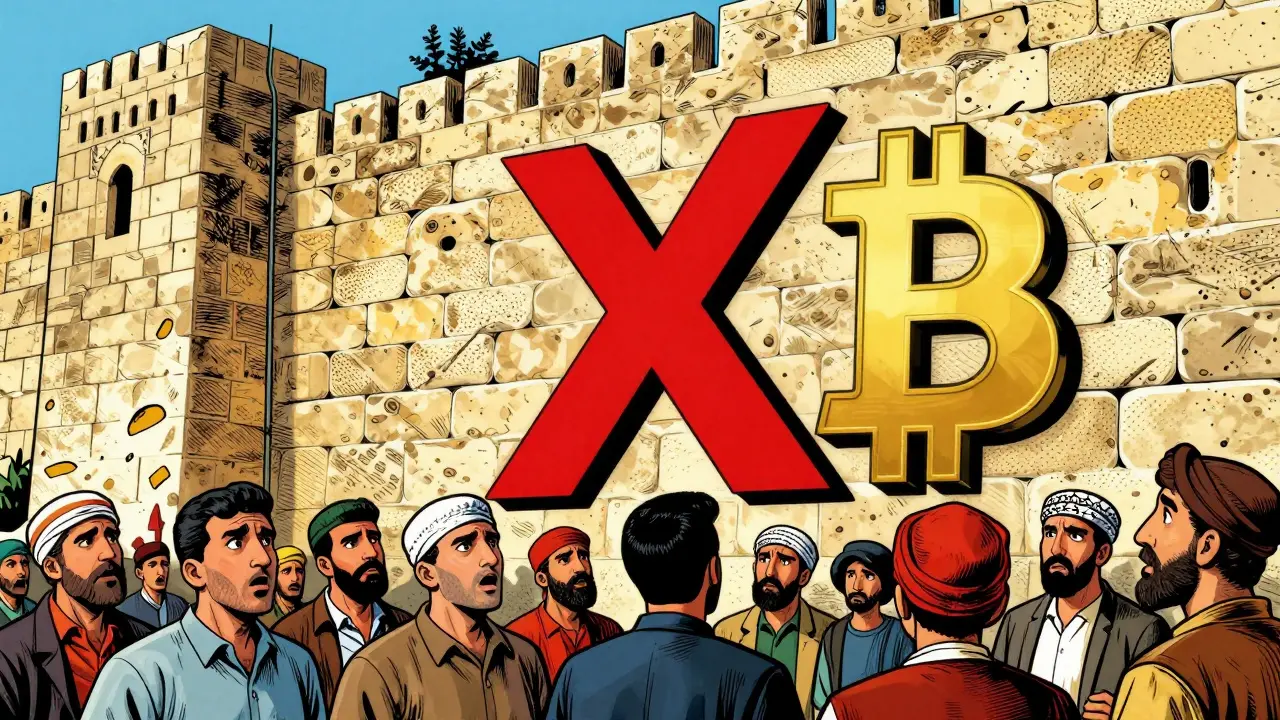
CBDC Iraq: What You Need to Know About Iraq's Central Bank Digital Currency Plans
When talking about CBDC Iraq, a state-issued digital version of the Iraqi dinar controlled by the Central Bank of Iraq. Also known as Iraqi digital currency, it’s part of a global push by governments to replace cash with controlled digital money. Unlike Bitcoin or Dogecoin, a CBDC isn’t decentralized—it’s designed for total state oversight, tracking every transaction and limiting how money flows through the economy.
There’s no live CBDC in Iraq yet, but the Central Bank of Iraq has been testing the idea since 2020. They’ve partnered with foreign tech firms, held public consultations, and even drafted legal frameworks. Still, progress stalled. Why? Power struggles between Baghdad and regional governments, shaky infrastructure, and a population that still trusts cash more than digital systems. Compare that to Nigeria or Venezuela, where people turned to crypto out of necessity—Iraq’s government wants to prevent that exact escape route. A CBDC could help them control capital flight, reduce corruption, and cut down on counterfeit dinars. But it also means every purchase, every transfer, every salary could be monitored.
Related efforts like digital yuan, China’s fully operational central bank digital currency show how fast this can move when there’s political will. Meanwhile, Venezuela’s petro, a failed state-backed crypto project proves that just slapping a blockchain label on a currency doesn’t make it work. Iraq’s situation is different—it’s not trying to bypass the dollar, it’s trying to lock in control over its own money. That’s why the real story isn’t about tech—it’s about trust. Do Iraqis trust their government to manage digital money fairly? Do banks have the systems to handle it? And what happens when internet cuts out in Basra or Mosul?
What you’ll find below isn’t a single report on Iraq’s CBDC—it’s a collection of real-world parallels. Posts cover state-controlled crypto mining in Venezuela, China’s total crypto ban, Nigeria’s crypto surge despite government bans, and how exchange inflows signal where money is really going. These aren’t random stories. They’re all pieces of the same puzzle: how governments react when digital money escapes their control—and how they try to bring it back in. Whether you’re tracking Iraq’s progress, worried about financial privacy, or just trying to understand where money is headed next, the answers aren’t in press releases. They’re in what people actually do with their cash.
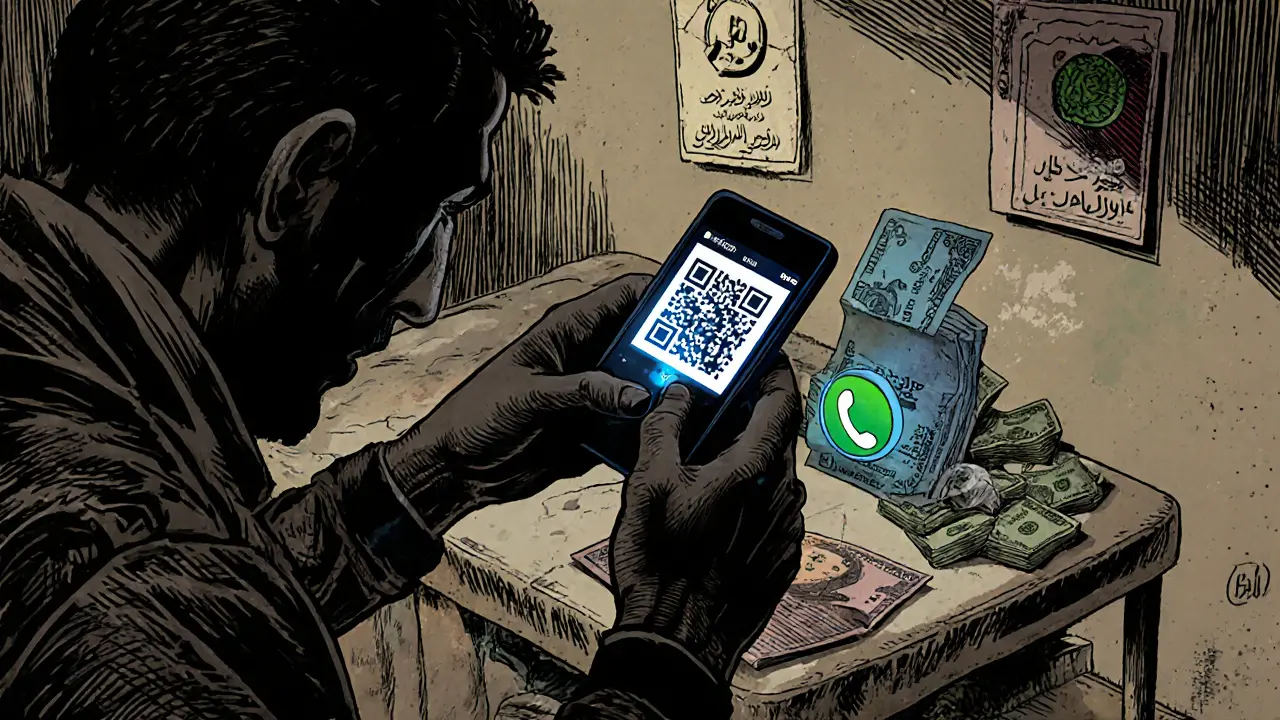
Central Bank of Iraq Crypto Restrictions: What You Need to Know in 2025
- 6 Comments
- Dec, 4 2024
Iraq bans cryptocurrency entirely, blocking banks and payment apps from handling digital assets. Yet people still trade crypto secretly. The Central Bank is now building its own digital currency - raising surveillance concerns.