Coin Stock Scam: How Fake Crypto Projects Trick Investors
When people hear Coin Stock scam, a deceptive scheme where fake cryptocurrency projects mimic real stocks to lure investors, they think of Wall Street fraud. But in crypto, it’s worse—no regulators, no accountability, just a Discord group and a website that looks professional until your money’s gone. These scams don’t just lie about returns—they fake entire companies, pretend to have teams, and use fake news sites to make you believe they’re real. You’re not just buying a token—you’re buying a lie wrapped in a whitepaper.
These scams often borrow from real-world finance to seem legit. They call themselves "Coin Stock" to trick you into thinking they’re like Apple or Tesla on the blockchain. But there’s no SEC oversight, no financial filings, no audits. Projects like BitxEX, a fake exchange with no security and reported withdrawal issues, or TRO (Trodl), a non-existent airdrop that tricks people into sharing personal info, are classic examples. They promise free tokens, sign-up bonuses, or stock-like dividends—but the only thing you get is a dead wallet and a blocked phone number. The same pattern repeats: a flashy website, a hype-filled tweet thread, a fake influencer endorsement, and then silence. No updates. No team. No future.
And it’s not just new projects. Even old, dead tokens like Quotient (XQN), a crypto abandoned since 2017 with zero trading activity, or PKG Token, a VR gaming coin that crashed 99.998% and vanished, get revived by scammers who buy the domain and relaunch it as a "new opportunity." They know people search for old names hoping for a rebound. But if a coin has no trading volume, no GitHub activity, and no team on LinkedIn—it’s not a recovery. It’s a resurrection for theft.
These scams thrive on urgency. "Limited time airdrop!" "Only 100 spots left!" "Your $8 free coin is waiting!" But real crypto projects don’t beg you to join. They build. They audit. They publish. They answer questions. If a project avoids transparency, avoids audits, and avoids any real proof of work, it’s not a coin—it’s a trap. And the worst part? Once you send funds, there’s no way back. No customer service. No chargeback. No legal recourse.
Below, you’ll find real cases of these scams exposed—projects that looked like opportunities but were just digital bait. You’ll learn how to spot the red flags before you click "claim," how to check if a token is alive or dead, and which exchanges to avoid if you want to keep your crypto safe. This isn’t theory. These are the exact projects people lost money on last year. Don’t be next.
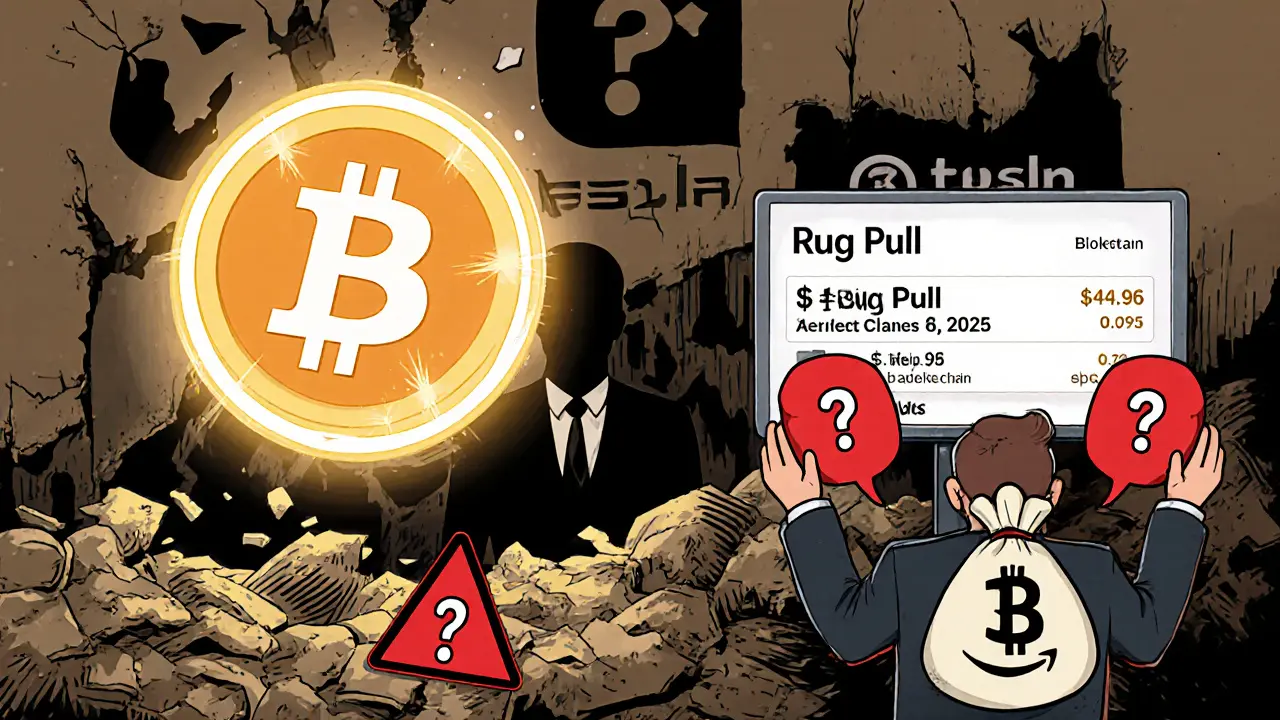
What is Coin Stock (STOCK) Crypto Coin? The Shocking Truth Behind the Scam
- 6 Comments
- Aug, 28 2025
Coin Stock (STOCK) claims to offer tokenized stocks backed 1:1 by real equities, but its fake price data, impossible holder count, and lack of transparency reveal it as a high-risk scam. Don't invest.