Crypto ATM Regulations: What’s Allowed, Blocked, and Changing in 2025
When you think of buying Bitcoin with cash, you might picture a crypto ATM, a physical kiosk that lets users buy or sell cryptocurrency with cash, often without identity verification. Also known as Bitcoin ATM, it’s one of the few ways ordinary people can access crypto without a bank account or exchange signup. But here’s the catch: in many places, these machines are either banned, heavily restricted, or require licenses that most operators can’t get. In 2025, governments aren’t just watching crypto ATMs—they’re actively shutting them down or forcing them to collect IDs, track transactions, and report to financial authorities.
That’s why places like Morocco, a country that banned all crypto transactions in 2017 but still has over a million users trading via underground P2P networks rely on hidden crypto access points instead of public kiosks. Meanwhile, in Cyprus, a member of the EU under MiCA rules, crypto ATMs are legal but must follow strict KYC and AML checks. The same goes for the U.S., where the FinCEN requires every crypto ATM operator to register as a money service business. In China, where any crypto transaction is illegal for businesses and individuals, even talking about crypto ATMs is risky. And in Venezuela, where the government controls mining but can’t stop people from using crypto to survive, underground ATMs pop up in back alleys and gas stations—no license, no paperwork, just cash for Bitcoin.
The big shift? Regulation is no longer about stopping crypto—it’s about controlling it. Countries that once ignored crypto ATMs now demand real-time transaction logs, user IDs, and location tracking. Some operators have shut down entirely. Others moved to unregulated markets or went fully underground. Meanwhile, users who rely on these machines for remittances, inflation protection, or simple access are finding fewer options. What’s clear: if you’re using a crypto ATM in 2025, you’re either in a place where it’s legal and monitored, or you’re taking a risk. Below, you’ll find real stories from users navigating these rules, reviews of exchanges that bypass the kiosk system, and deep dives into how regulation is reshaping cash-to-crypto access around the world.
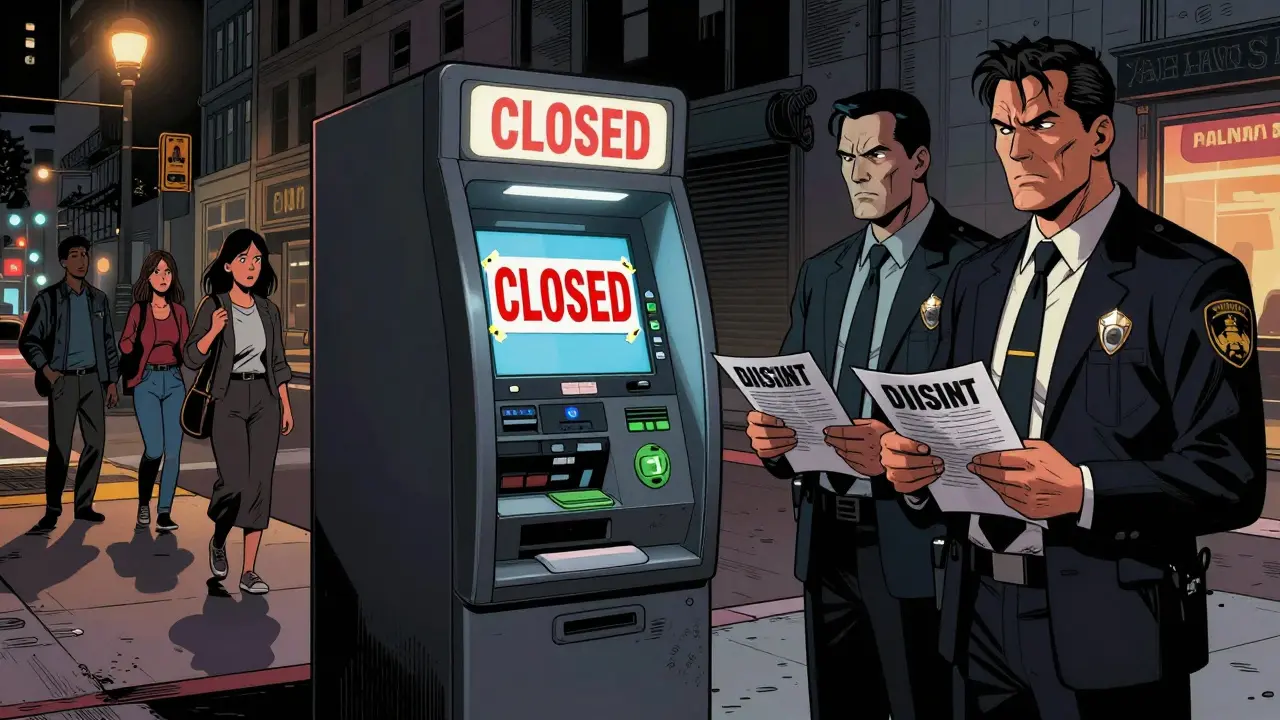
Georgia Banking Restrictions on Cryptocurrency Transactions: What You Need to Know in 2025
- 9 Comments
- Jul, 23 2025
Georgia allows crypto ownership with 0% personal taxes but requires strict licensing for businesses and ATM operators. Learn the 2025 rules, enforcement actions, and what you need to do to stay compliant.