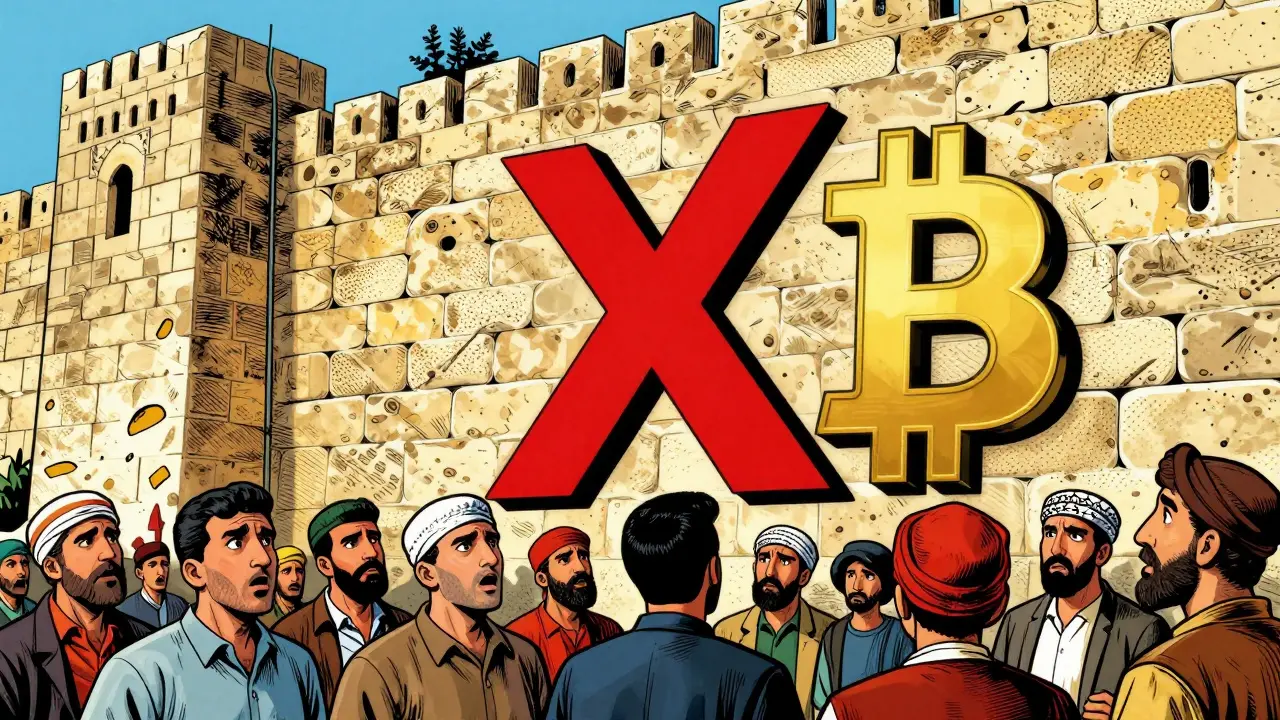
Crypto Ban Russia: What Happened and How It Changed the Game
When crypto ban Russia, a government policy that outlawed cryptocurrency as a payment method while allowing mining under strict oversight. Also known as Russia's crypto restrictions, it wasn't a full crackdown—it was a strategic split. The state didn’t want crypto replacing the ruble, but it saw value in using cheap energy to mine Bitcoin for export. This wasn’t like China’s total wipeout. Russia didn’t seize wallets or shut down miners. Instead, it drew a line: you can’t buy coffee with Bitcoin, but you can run a farm of ASICs in Siberia.
The digital ruble, Russia’s state-backed central bank digital currency (CBDC). Also known as CBDC Russia, it’s the government’s answer to crypto—controlled, trackable, and mandatory for some transactions. While the public kept using Bitcoin and Ethereum for remittances and savings, the state pushed the digital ruble hard. Banks now require it for certain cross-border payments, and businesses are being nudged to adopt it. Meanwhile, crypto mining became a legal gray zone: technically allowed, but taxed like a utility and monitored by the FSB.
Why does this matter? Because Russia became one of the world’s top five Bitcoin mining nations—even after the ban. Miners moved to regions with surplus power: Krasnodar, Siberia, and even the Far East. They didn’t disappear. They just went quiet. And unlike Venezuela, where mining is chaotic and state-run, Russia’s miners operated under a strange kind of tolerance: pay your taxes, don’t advertise, and don’t let citizens use crypto to dodge sanctions.
What you’ll find in the posts below isn’t just news—it’s a pattern. We’ve tracked how crypto ban Russia created a two-track system: one for the state, one for the people. You’ll see how miners adapted, how ordinary Russians used crypto to survive inflation, and how the digital ruble failed to fully replace decentralized money. There are comparisons to Venezuela’s state-controlled mining, China’s total ban, and Nigeria’s grassroots adoption. You’ll also find deep dives into on-chain data showing how Russian wallets moved assets before the ban hit, and what happened to mining pools after the crackdown.
This isn’t about ideology. It’s about survival. When a country bans what its people already use, the market doesn’t die—it bends. And in Russia, crypto didn’t vanish. It just went underground, overseas, and into the hands of those who still needed it.
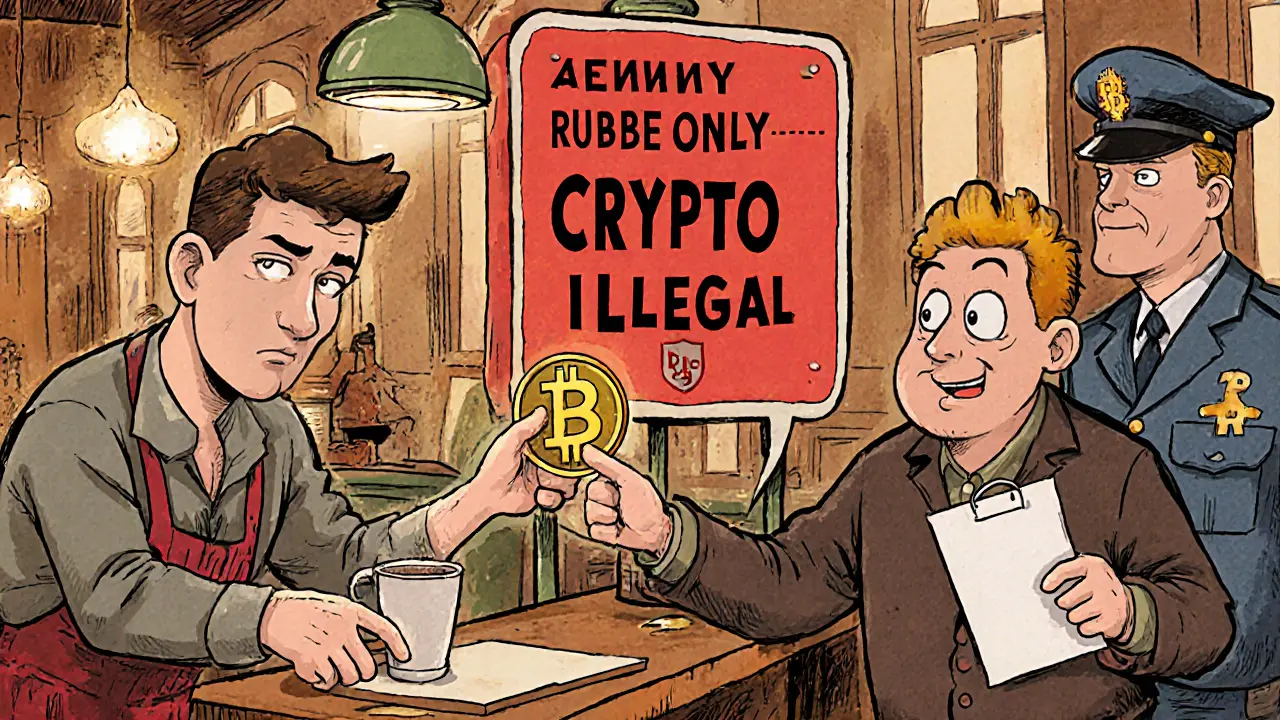
Are Crypto Payments Allowed in Russia? What You Need to Know in 2025
- 6 Comments
- Dec, 13 2024
As of 2025, Russia bans cryptocurrency payments for domestic transactions but allows limited use in international trade under strict rules. Fines up to 1 million rubles and asset seizures apply for violations.