Crypto Stocks: What They Are, How They Work, and Where to Find Real Value
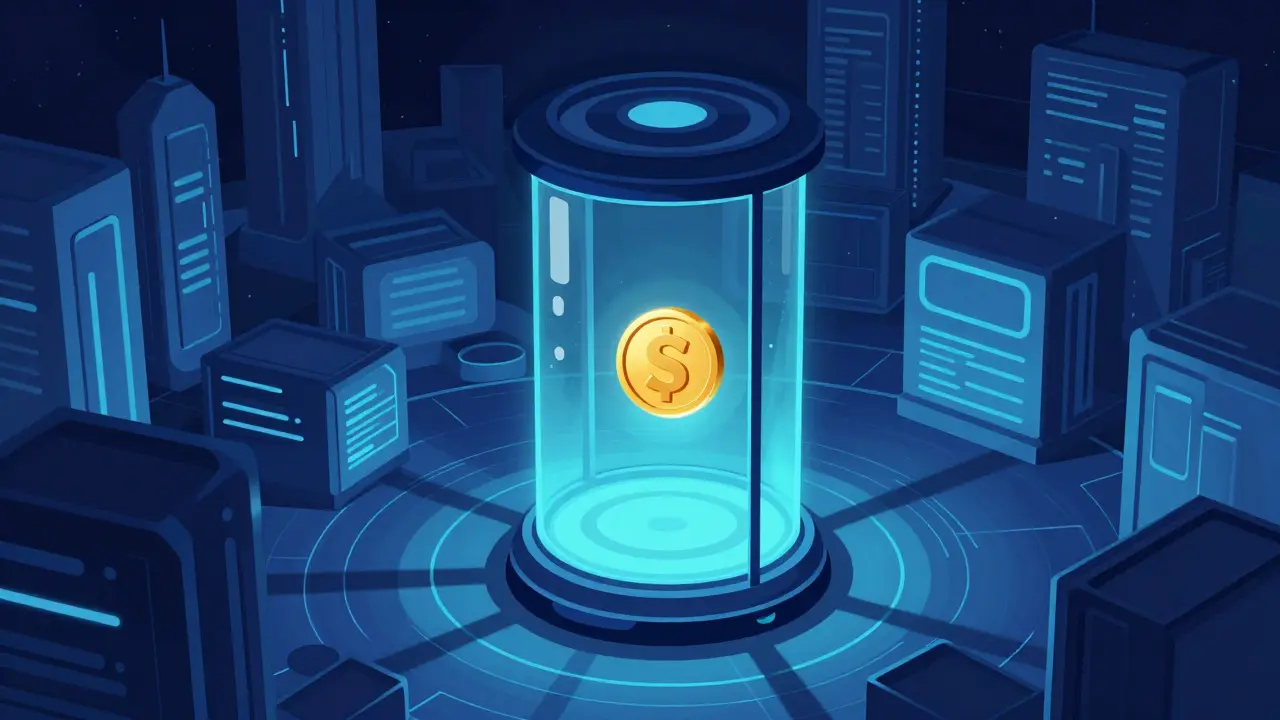
When people talk about crypto stocks, digital tokens that represent ownership in real-world companies, traded on blockchain networks. Also known as tokenized stocks, they let you buy fractions of companies like Costco or Apple without using a traditional brokerage. But here’s the catch: most of them aren’t regulated, aren’t liquid, and often don’t actually give you any legal rights to the underlying company.
These tokens are built on projects like Ondo Finance, a platform that creates tokenized versions of real assets like stocks and bonds using Ethereum smart contracts. Their most famous example is COSTon, a token that mirrors Costco’s stock price but trades like a crypto coin. Sounds simple, right? But in reality, COSTon has almost no trading volume, prices swing wildly off Costco’s actual value, and there’s no clear legal path if something goes wrong. That’s the risk with RWA crypto, real-world assets tokenized on blockchain, meant to blend traditional finance with crypto’s accessibility. Many projects promise the best of both worlds but deliver neither.
Some of these tokens are backed by real assets—like gold or real estate—and have audits, legal teams, and compliance frameworks. Others? Just code with a fancy name. The difference matters. If you’re looking at a crypto stock, ask: Is it registered with the SEC? Does it have a real company behind it? Can you actually get the underlying asset? If the answer is no to any of those, you’re not investing—you’re gambling on a digital illusion. The posts below cut through the noise. You’ll find real breakdowns of tokenized stocks that actually exist, exchanges that list them, and the hidden risks most guides ignore. No fluff. Just what you need to know before you buy.
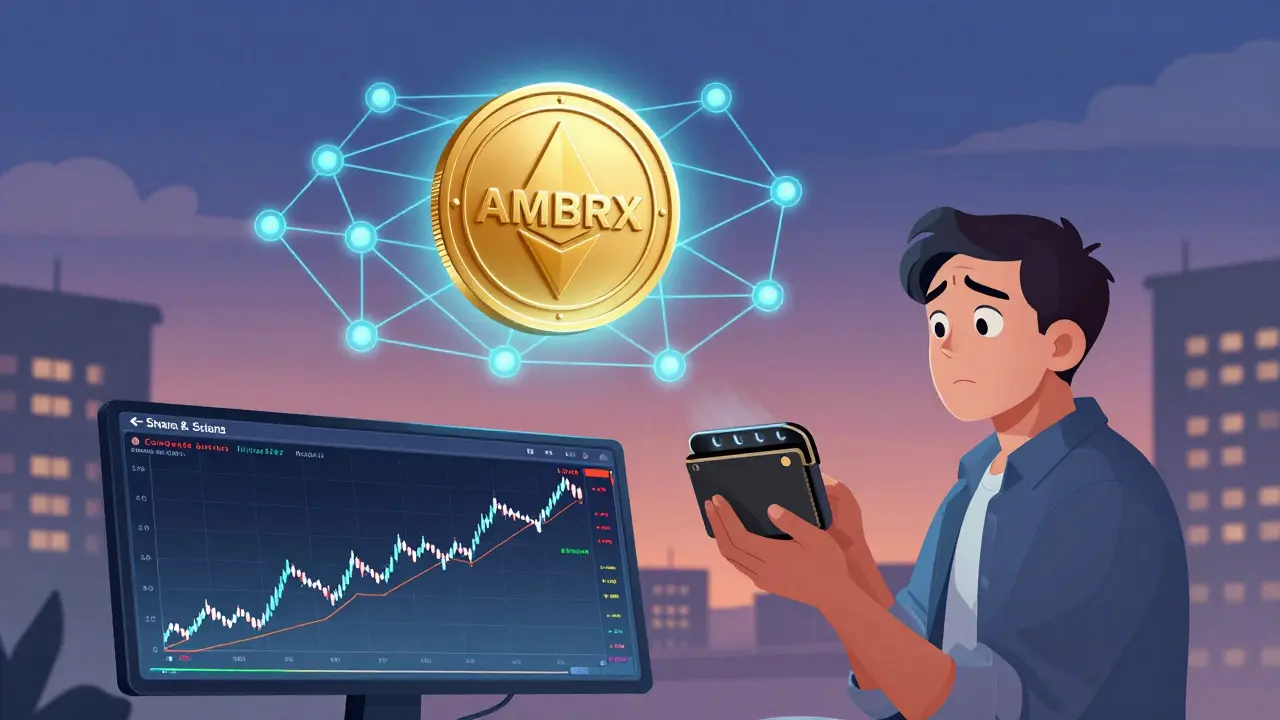
What Is Amber Tokenized Stock (xStock) (AMBRX)? A Real-World Crypto Asset Explained
- 5 Comments
- Sep, 16 2025
AMBRX is a tokenized stock that tracks Amber International Holding Limited's share price on blockchain networks. It offers 24/7 trading but suffers from low liquidity, regulatory risks, and minimal market adoption.