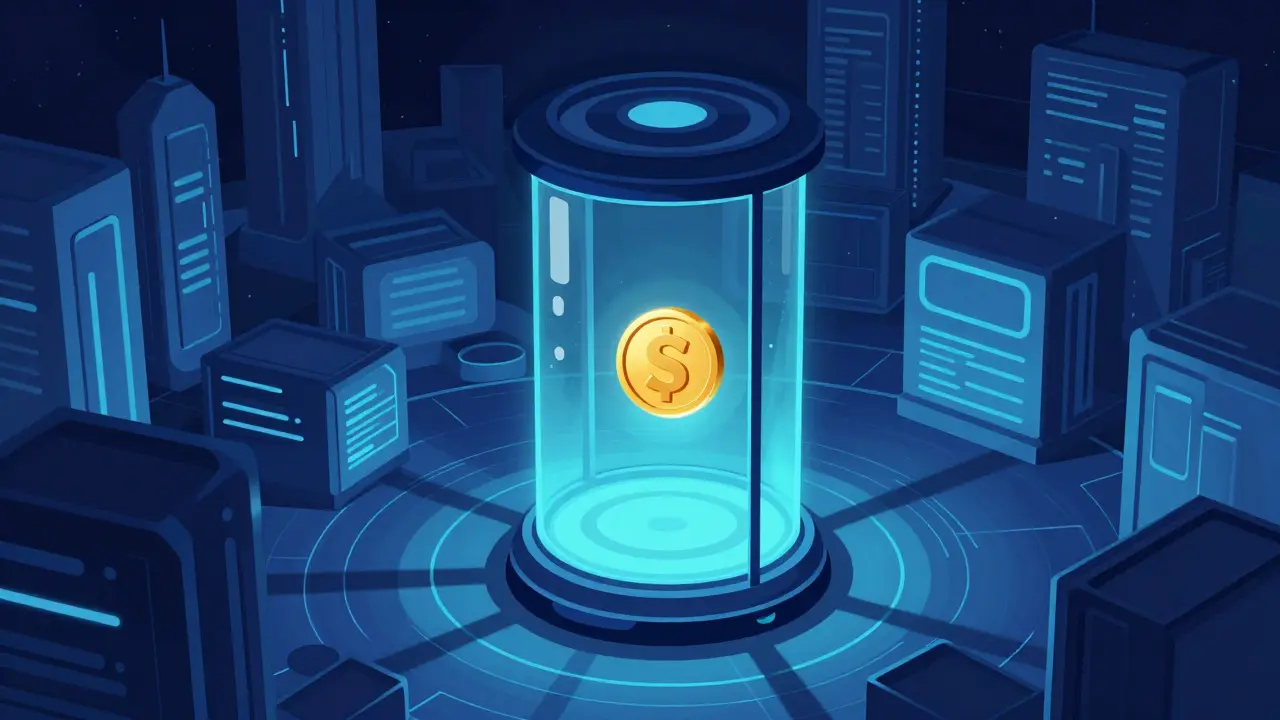
Crypto Without Banks: How Decentralized Finance Is Replacing Traditional Systems
When you think of money, you probably think of banks. But crypto without banks, a system where digital assets move directly between people using blockchain technology, without intermediaries like banks. Also known as decentralized finance, it lets you send money across the world in minutes, earn interest on your coins, and even take out loans—all without a bank account. This isn’t science fiction. In Nigeria, over 22 million people use crypto to survive inflation and send money home. In Venezuela, people mine Bitcoin just to buy food, because the local bank system failed them. Crypto without banks isn’t optional for them—it’s survival.
What makes this possible? DeFi, a collection of open financial apps built on blockchains like Ethereum and Base, removes the middleman. Instead of depositing cash in a bank to earn 0.5% interest, you can lock up USDC in a protocol like PoolTogether and win daily prizes without losing your original money. Instead of waiting weeks for a wire transfer, you send stablecoins like CADC directly to someone in Canada with near-zero fees. And when governments crack down—like in China, where owning crypto became illegal—people still find ways to use it. Underground mining, peer-to-peer trading, and encrypted wallets keep the system alive.
But it’s not just about bypassing banks. It’s about control. Your blockchain, a public, tamper-proof digital ledger that records every transaction without a central authority is your bank statement, your vault, and your receipt—all in one. No one can freeze your wallet. No one can decide you don’t qualify for a loan. You hold the keys. That’s why people care about seed phrases over private keys, why they check exchange inflows to guess if big players are selling, and why they avoid shady platforms like BitxEX that vanish overnight. Crypto without banks isn’t about getting rich quick. It’s about having a fallback when the old system breaks.
Below, you’ll find real stories and tools that show how this works today. From dead tokens you should avoid, to legit stablecoins like CADC, from Nigerian users bypassing capital controls to miners in Venezuela fighting power outages—this collection cuts through the noise. You’ll learn what’s real, what’s risky, and what’s just hype. No fluff. Just what you need to know to move money on your own terms.
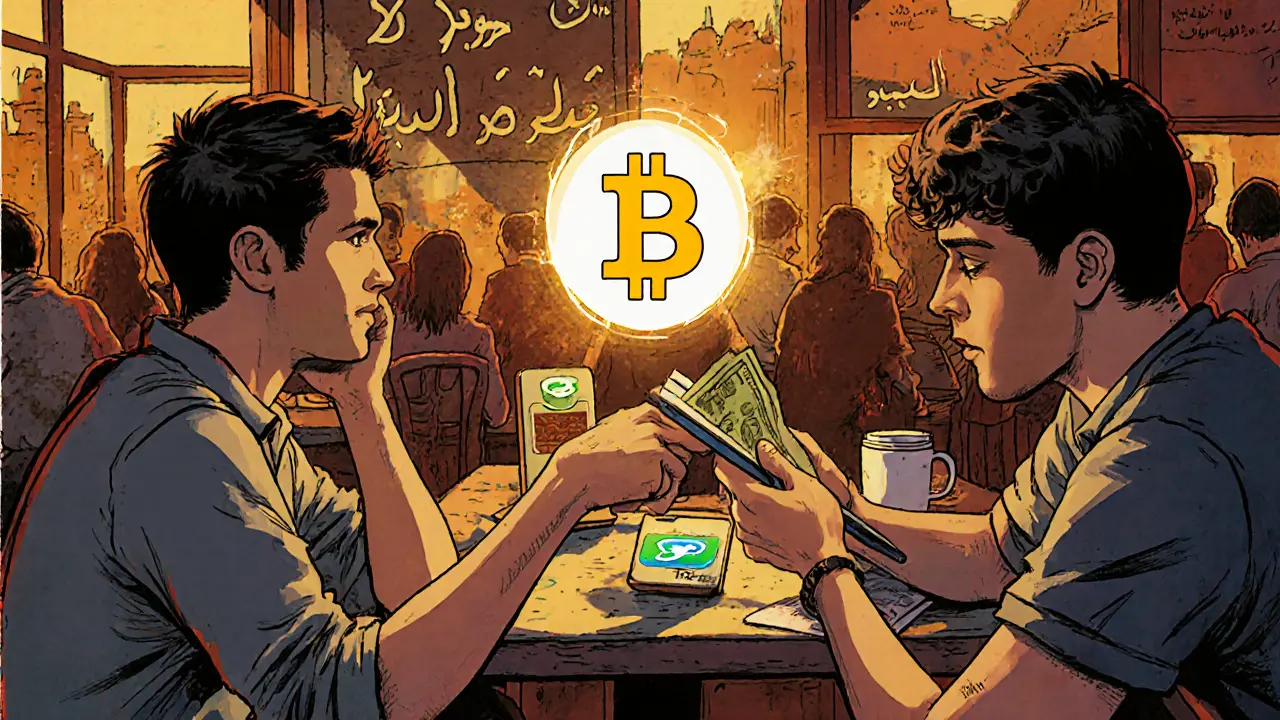
How Jordanians Traded Crypto Despite Banking Restrictions Before the 2025 Law
- 5 Comments
- Jun, 17 2025
Before Jordan's 2025 crypto law, citizens traded Bitcoin and Ethereum through risky P2P networks, bypassing banking bans. Now, licensed exchanges offer safe, legal access.