Cryptocurrency Mixing: What It Is and Why It Matters
When you send Bitcoin or Ethereum, the whole world can see where it came from and where it went—that’s just how blockchains work. cryptocurrency mixing, a technique that blends multiple users’ funds to break the link between sender and receiver. Also known as coin mixing, it’s used by people who want to protect their financial privacy, not just criminals. Think of it like putting cash from different pockets into a pile, then pulling out bills that don’t match what you put in. No magic, just obfuscation.
But here’s the catch: mixing isn’t always legal, and most services are shady. Some mixers are run by scammers who just steal your coins. Others are used by hackers to launder stolen funds—something governments are cracking down on hard. The U.S. Treasury has sanctioned major mixers like Blender.io and Tornado Cash, calling them tools for crime. That doesn’t mean everyone using them is breaking the law. Some just don’t want their rent payments or freelance income tracked by advertisers, employers, or hostile regimes.
Real users rely on mixing in places like Venezuela and Nigeria, where crypto is a lifeline but financial surveillance is tight. In those regions, mixing isn’t about hiding crime—it’s about staying safe. Meanwhile, blockchain analysts use tools like Chainalysis and Elliptic to trace mixed coins anyway, making the whole game a cat-and-mouse race. If you’re thinking about using a mixer, you need to know which ones are trustworthy (if any), how fees work, and what happens if your coins get flagged later.
Below, you’ll find real posts that cut through the noise. We’ve got breakdowns of fake mixing services, warnings about scams hiding as privacy tools, and deep dives into how regulators are tracking these transactions. You’ll also see how mixing relates to other topics like exchange inflows, crypto seizures, and even airdrops that demand you prove you’re not using a mixer. This isn’t theory—it’s what’s happening right now, in wallets, on chains, and in courtrooms.
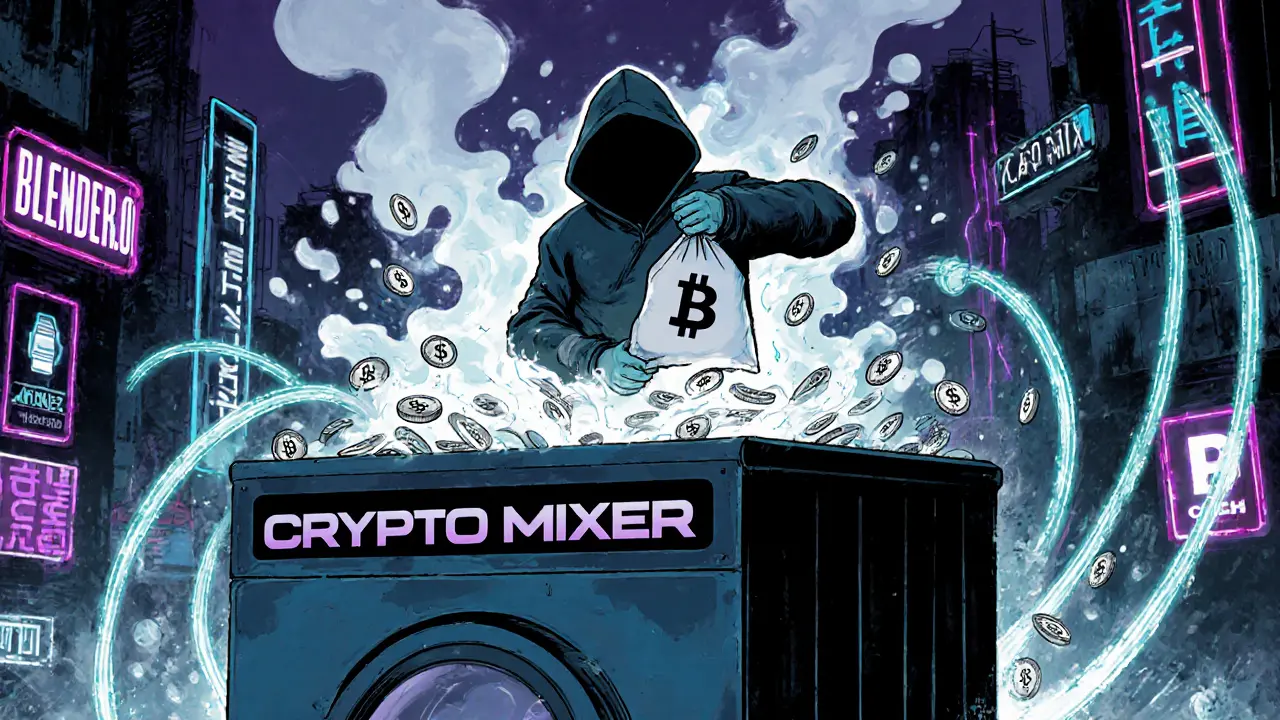
Cryptocurrency Mixing Services and North Korea Money Laundering: How Illicit Funds Hide on the Blockchain
- 8 Comments
- Aug, 8 2025
Cryptocurrency mixing services help hide the origins of stolen funds, enabling North Korea to launder billions in crypto. Learn how these tools work, why they're hard to stop, and what it means for users.