Smart Contracts: What They Are, How They Work, and Why They Matter in Crypto
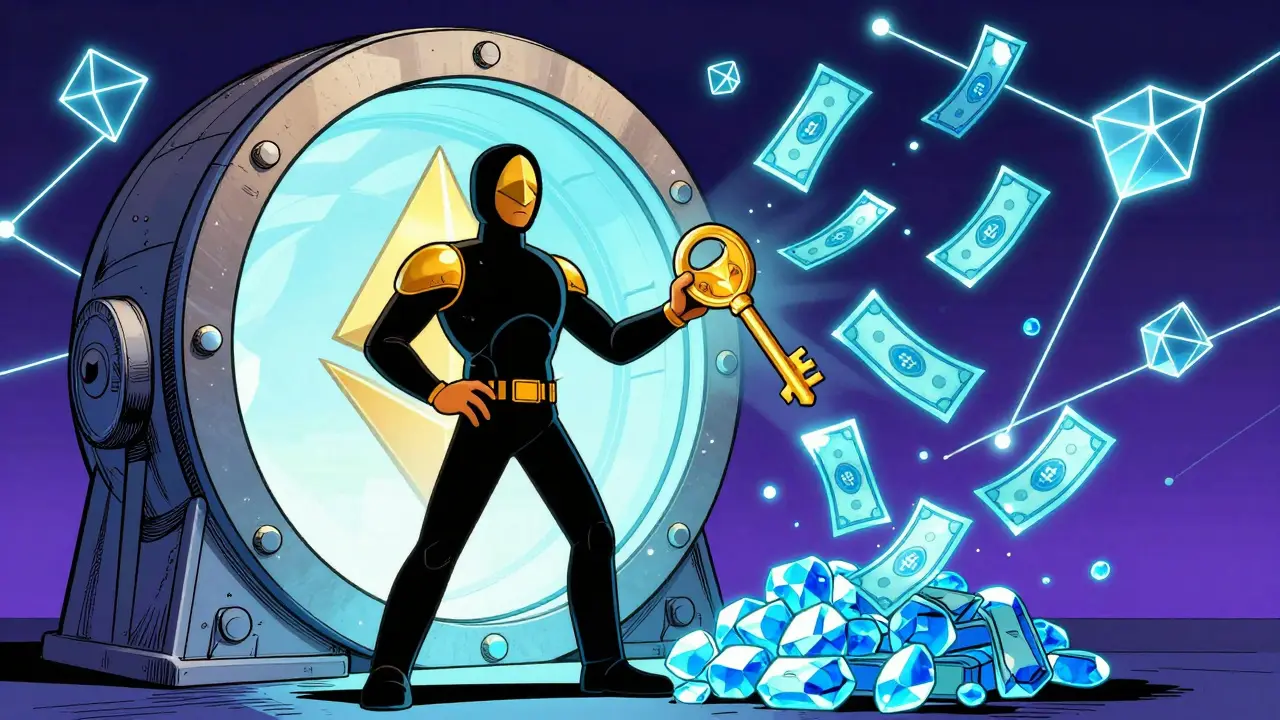
When you hear smart contracts, self-executing agreements coded directly onto a blockchain that run automatically when conditions are met. Also known as blockchain contracts, they remove the need for banks, lawyers, or middlemen by letting code handle the deal. Think of them like a vending machine: you put in the right input (like crypto), and it spits out the right output (like tokens or access) — no human needed. This isn’t theory. It’s how platforms like PoolTogether pay out lottery prizes, how OneRare lets you earn NFTs by staking, and how exchanges like ArcherSwap let you swap tokens without holding your funds.
Smart contracts live mostly on Ethereum, the leading blockchain platform for programmable money and decentralized apps, but they’re spreading fast. They’re the engine behind DeFi, a system of financial tools built on open blockchains that let you lend, borrow, and earn without banks. That’s why you see them in no-loss lotteries, token staking, and even crypto exchanges like Tinyman and ArcherSwap. They don’t just automate payments — they automate trust. And that’s why regulators, institutions, and everyday users are watching closely. When Bitcoin ETFs got approved, it wasn’t just about Wall Street buying crypto — it was about smart contracts making those assets usable in real financial systems.
But they’re not magic. Bad code can freeze funds. Flawed logic can lose millions. That’s why posts here dig into real cases: from the rise of rollup tech making them faster and cheaper, to how exchange inflows signal when traders are moving assets in and out of smart contract wallets. You’ll find deep dives into how these contracts power everything from NFT farming to stablecoins like CADC, and why some projects — like dead tokens XQN or PKG — never had real smart contracts at all. This isn’t just about tech. It’s about control: who holds the keys, who writes the rules, and what happens when the code fails. Below, you’ll find clear, no-fluff breakdowns of how smart contracts actually work in the wild — and what to watch out for when you interact with them.
Chainlink Oracle Network Explained: How It Connects Smart Contracts to Real-World Data
- 7 Comments
- Jan, 30 2026
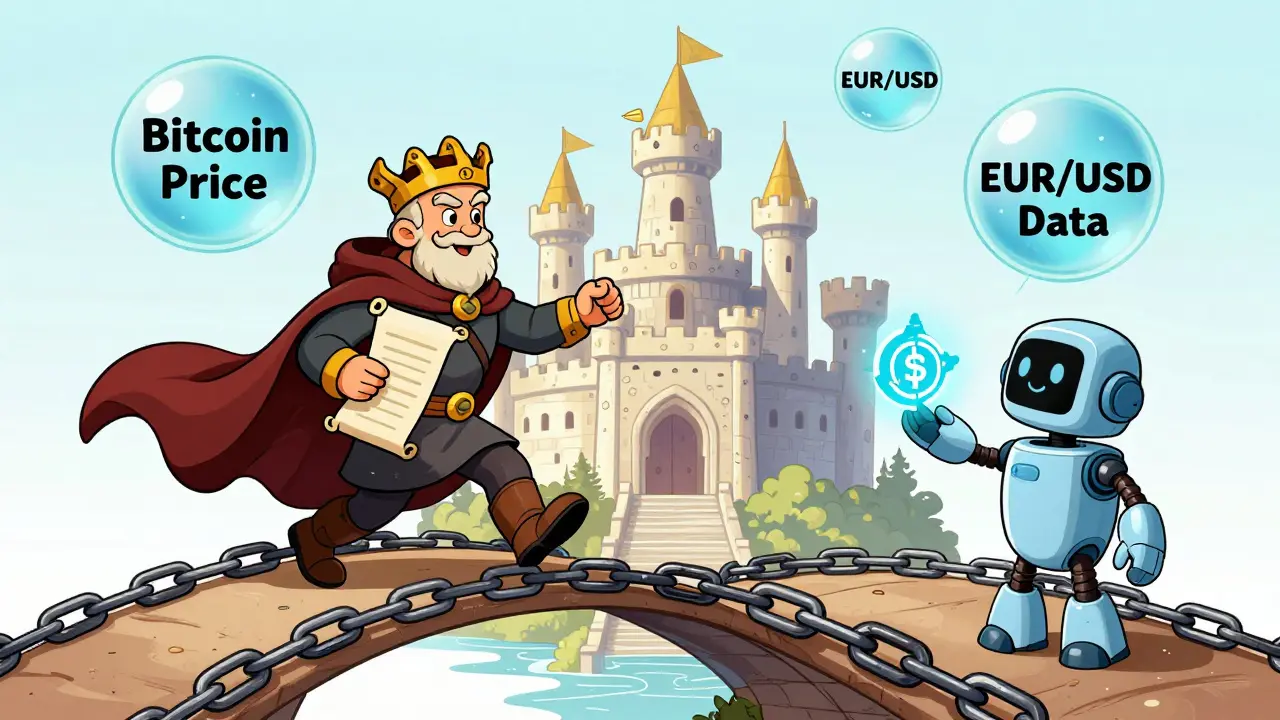
Chainlink is the leading decentralized oracle network that connects smart contracts to real-world data like prices, weather, and APIs. It enables secure, reliable automation for DeFi, insurance, gaming, and enterprise apps.
How Blockchain Technology is Revolutionizing Industries
- 6 Comments
- Jun, 28 2025
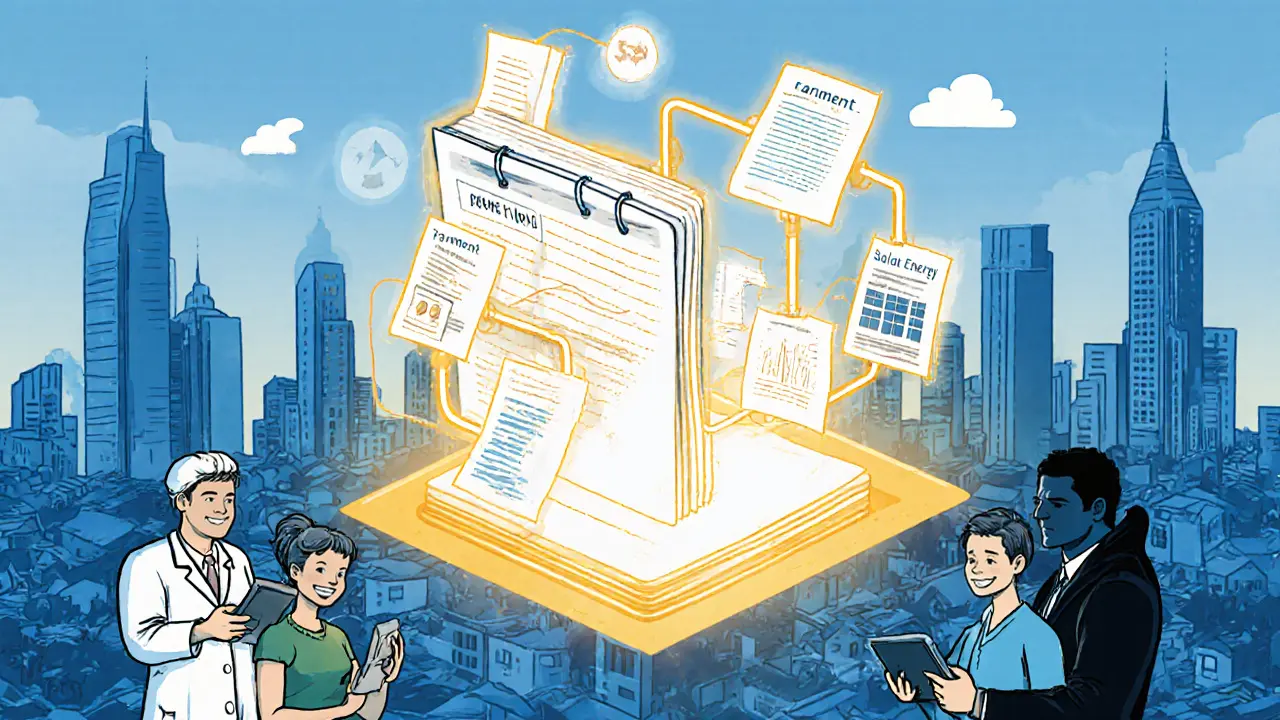
Blockchain is transforming finance, healthcare, supply chains, and energy by making systems transparent, secure, and automated. No middlemen. No fraud. Just trust built into code.