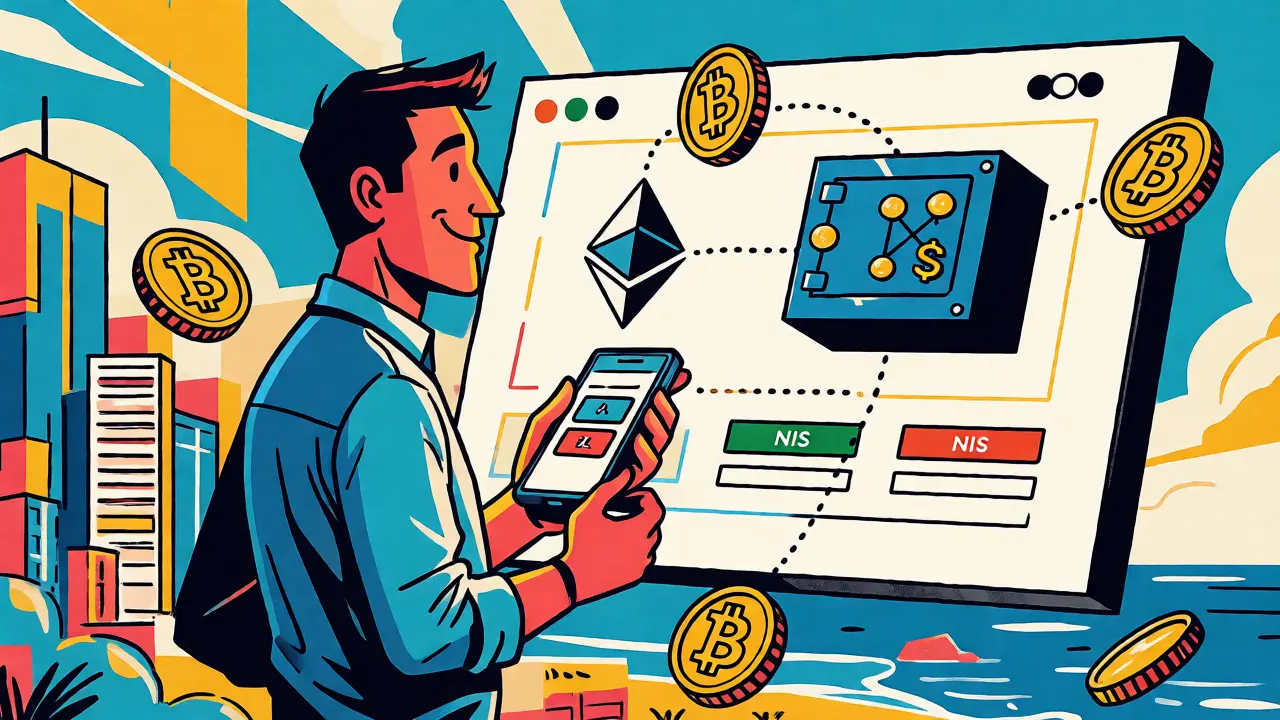
If you live in Israel and want to buy Bitcoin without jumping through international banking hoops, Bit2C is likely the first name that pops up. It’s the oldest homegrown crypto exchange in the country, operating since 2013. But does its longevity translate to a modern trading experience? For many local users, it remains the go-to platform because it solves a specific pain point: direct integration with Israeli bank accounts via wire transfers.
This isn’t Binance or Coinbase. You won’t find thousands of altcoins or complex futures contracts here. Bit2C is a niche player designed for one job: moving New Israeli Shekels (NIS) into major cryptocurrencies like BTC and ETH securely. If you’re an international user looking for global liquidity, this might not be your best bet. But if you’re an Israeli resident wanting a regulated, straightforward gateway, understanding how Bit2C works-and where it falls short-is crucial before you deposit your money.
What Exactly Is Bit2C?
Bit2C is a centralized cryptocurrency exchange based in Holon, Israel. Founded by Eli Bejerano and Haddar Macdasi, it was built specifically to serve Hebrew-speaking users who struggled with international platforms that didn’t accept local bank transfers. Unlike global giants that require credit cards or third-party payment processors, Bit2C connects directly to the Israeli banking system. This means you can send NIS from your bank account and receive crypto back, all within a domestic framework.
The platform supports English, Russian, and Hebrew interfaces, making it accessible to a broad segment of the local population. However, it’s important to clarify its scope. Bit2C is not a global hub. Its architecture restricts access primarily to Israeli citizens and residents. If you try to sign up without an Israeli ID and bank account, you’ll hit a wall almost immediately. This geographic lock-in is both its biggest strength for locals and its biggest weakness for everyone else.
Supported Assets and Trading Pairs
Don’t expect a sprawling marketplace. Bit2C focuses on quality over quantity. As of late 2025, the exchange supports around 12 major cryptocurrencies. The core assets include Bitcoin (BTC), Ethereum (ETH), Litecoin (LTC), and Ripple (XRP). Other supported coins include Cardano (ADA), Stellar (XLM), EOS, Monero (XMR), TRON (TRX), Dash, Zcash, Bitcoin Cash, and Bitcoin Gold.
The trading pairs are simple. Most transactions happen against the NIS or USD. Common pairs include BTC/ILS, ETH/ILS, and BTC/USD. While CoinGecko sometimes lists limited data due to API discrepancies, authoritative sources confirm the presence of these key assets. If you’re looking for obscure altcoins or meme coins, you’ll need to look elsewhere. Bit2C sticks to the blue chips, which actually appeals to conservative investors who prefer established projects with higher liquidity.
| Cryptocurrency | Ticker | Primary Trading Pair | Availability |
|---|---|---|---|
| Bitcoin | BTC | NIS / USD | High Liquidity |
| Ethereum | ETH | NIS / USD | High Liquidity |
| Litecoin | LTC | NIS / USD | Moderate Liquidity |
| Ripple | XRP | NIS / USD | Moderate Liquidity |
| Cardano | ADA | NIS / USD | Standard |
| Monero | XMR | NIS / USD | Standard |
Fees and Costs: What You’ll Actually Pay
Money matters. Let’s break down the costs. Bit2C’s trading fees generally range between 0.5% and 0.79%, depending on volume and current promotions. These rates are competitive with other mid-tier exchanges. However, the real sting comes during withdrawals.
Withdrawing fiat currency (NIS) to your bank account incurs a fixed fee of 60 NIS per transaction. In 2026, that’s roughly $16-$18 USD. For small traders, this fee can eat significantly into profits. If you’re withdrawing 500 NIS, you’re losing 12% right off the top. For larger amounts, say 10,000 NIS, it’s negligible. Always plan your withdrawals to minimize this cost.
Deposits via bank transfer are typically free or carry minimal bank-side charges, but always check with your specific bank. Crypto deposits are standard network-fee dependent. There’s no hidden "premium" for using the local interface, but the lack of advanced order types means you can’t optimize entry points as precisely as on professional-grade platforms.
User Experience and Platform Features
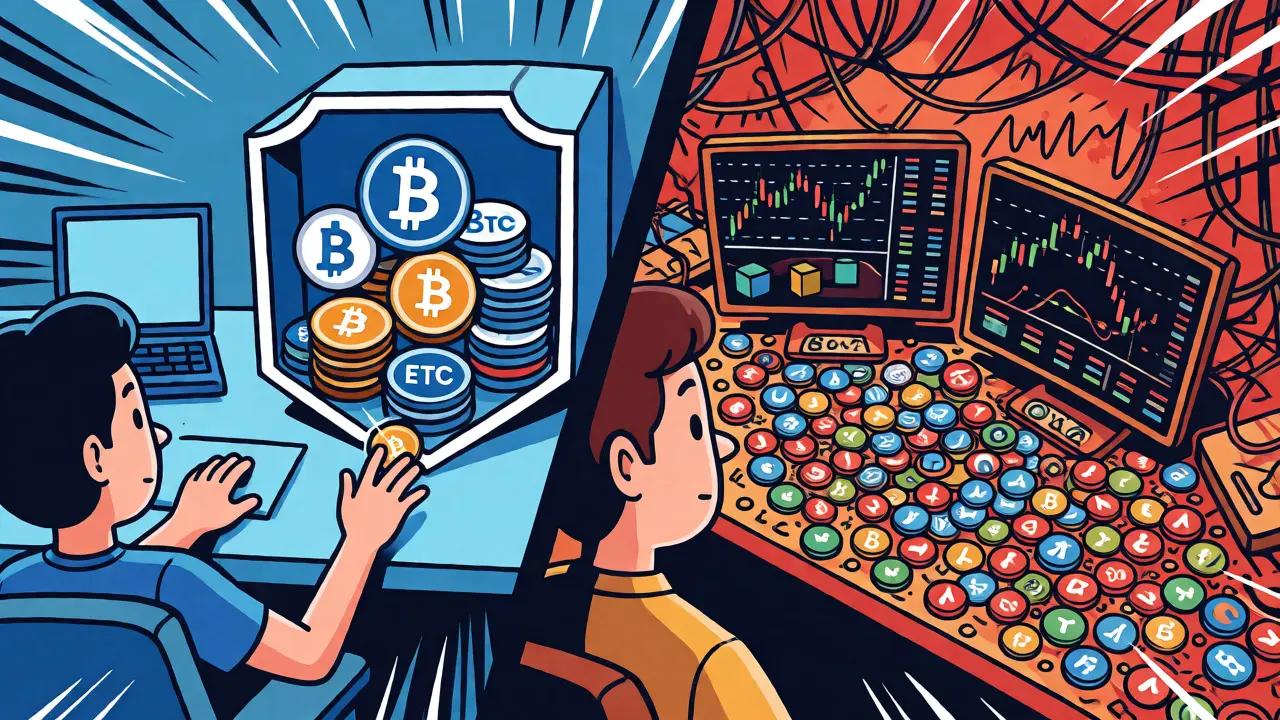
The interface is basic. Really basic. Think of it as a functional tool rather than a sleek app. There’s a simple order book, a balance view, and buttons to buy or sell. No fancy candlestick charts. No technical analysis indicators. If you’re a day trader who lives on TradingView, you’ll feel blind here.
However, for beginners, this simplicity is a feature, not a bug. You don’t get overwhelmed by options. The website is mobile-optimized, though there is no dedicated native iOS or Android app. You’ll use the browser on your phone. It works fine, but it lacks push notifications for price alerts, which is a missed opportunity.
One notable limitation is the minimum order value. You cannot trade less than 10 ILS per transaction. This prevents micro-investing strategies but ensures the platform isn’t clogged with dust trades. The platform also lacks robust API documentation for developers, limiting its appeal for algo-traders or bots.
Security and Regulation
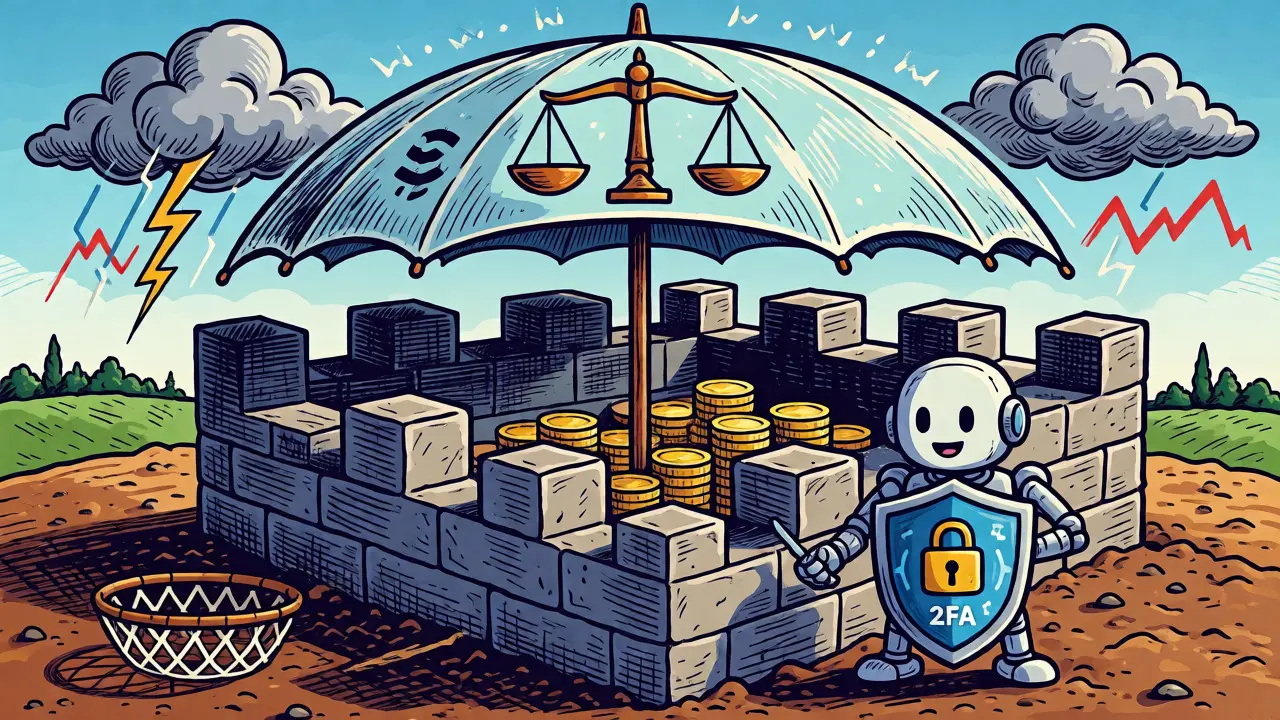
Security is where Bit2C earns trust. The platform uses SSL encryption and requires two-factor authentication (2FA) via Google Authenticator. They claim to store the majority of funds in cold storage, though they don’t publish detailed proof-of-reserves audits like some larger competitors.
A critical point: Bit2C operates under Israeli financial regulations. This provides a layer of legal protection that unregulated offshore exchanges lack. However, user funds are explicitly stated as "not insured." If the exchange were hacked or went bankrupt, you wouldn’t have FDIC-style insurance backing your crypto. This is standard for most crypto exchanges, but worth remembering.
The company has raised approximately $3.6 million in funding, signaling investor confidence. Their long operational history since 2013, surviving multiple crypto winters, suggests resilience. Still, keep an eye on regulatory changes in Israel, as the Israel Securities Authority continues to tighten rules on digital assets.
Customer Support and Accessibility
Support hours are limited. Telephone support is available Monday through Thursday, from 9:00 AM to 3:00 PM local time. That’s just four days a week, five hours a day. If you encounter an issue on Friday afternoon or Saturday (the weekend in Israel), you’re on your own until Sunday night or Monday morning.
They do offer email tickets and fax support, but response times vary. Many users report that support is helpful when reachable, often exceeding industry standards in terms of personal attention. But the limited window is a frustration for those used to 24/7 chat support on global platforms.
Pros and Cons Summary
- Pros:
- Direct NIS bank integration (wire transfers).
- Regulated in Israel, offering legal clarity.
- Simple interface ideal for beginners.
- Long track record (since 2013).
- Supports major currencies (BTC, ETH, etc.).
- Cons:
- High withdrawal fee (60 NIS) for fiat.
- No dedicated mobile app.
- Limited customer support hours.
- No advanced charting or trading tools.
- Restricted to Israeli residents only.
- Small selection of cryptocurrencies.
Who Should Use Bit2C?
Bit2C is perfect for Israeli residents who want to buy Bitcoin or Ethereum using their local bank account without dealing with credit card declines or high foreign transaction fees. It’s great for long-term holders (HODLers) who don’t care about daily trading features. If you value regulatory safety and simplicity, this is a solid choice.
It’s not for you if you’re an active trader needing leverage, stop-loss orders, or technical analysis. It’s also not for international users outside Israel. If you’re in the US or Europe, stick to Coinbase, Kraken, or Binance. Bit2C is a local utility, not a global powerhouse.
Can non-Israeli residents use Bit2C?
Generally, no. Bit2C requires an Israeli ID and an Israeli bank account for full functionality. While you might be able to view prices, actual trading and fiat deposits are restricted to Israeli residents.
How much does it cost to withdraw NIS from Bit2C?
There is a fixed fee of 60 NIS per bank withdrawal. This fee is charged regardless of the amount withdrawn, so it is more efficient to withdraw larger sums at once.
Does Bit2C have a mobile app?
No, Bit2C does not offer a dedicated native mobile application for iOS or Android. However, their website is optimized for mobile browsers, allowing you to trade on your smartphone.
Is my money insured on Bit2C?
No, user funds are not insured. While Bit2C employs security measures like cold storage and 2FA, there is no government-backed insurance protecting your crypto holdings against loss or theft.
What cryptocurrencies can I buy on Bit2C?
Bit2C supports approximately 12 major cryptocurrencies, including Bitcoin (BTC), Ethereum (ETH), Litecoin (LTC), Ripple (XRP), Cardano (ADA), and others. It focuses on established assets rather than new altcoins.