Chinese crypto ban: What happened and how it shaped global crypto markets
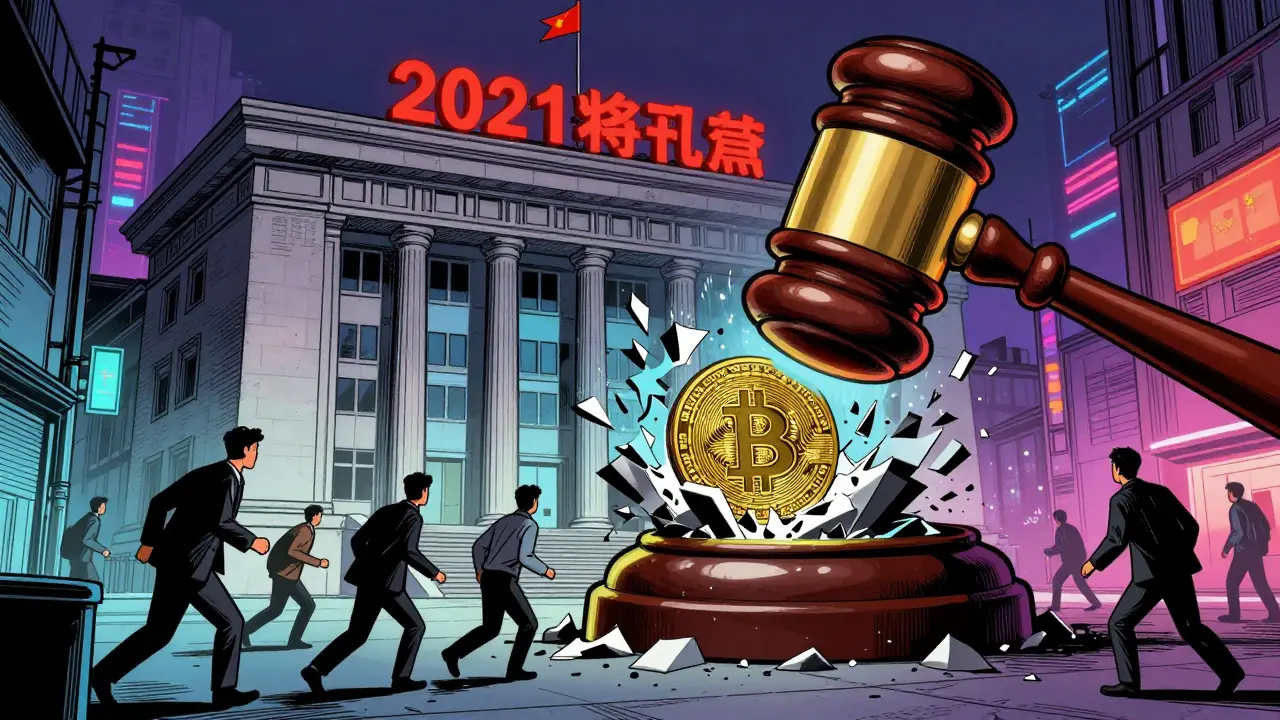
When China banned cryptocurrency in 2021, it didn’t just shut down exchanges — it moved the entire industry. The Chinese crypto ban, a sweeping government policy that outlawed crypto trading, mining, and financial services tied to digital assets. Also known as China’s crypto crackdown, it forced miners to flee, traders to relocate, and investors to rethink where they put their money. This wasn’t a minor policy tweak. It was the biggest regulatory shock in crypto history.
The ban targeted three things at once: crypto mining, the process of validating blockchain transactions using powerful computers, often powered by cheap hydroelectricity in provinces like Sichuan and Xinjiang, crypto exchanges, platforms like Huobi and OKX that let people buy, sell, and trade Bitcoin and other coins, and crypto-related financial services, including staking, lending, and even crypto-linked savings accounts. The government said it was about financial stability and energy use — but the real goal was control. China wanted its citizens to use the digital yuan, not Bitcoin. And it didn’t care how many people lost money in the process.
What followed was chaos — and opportunity. Miners packed up their rigs and moved to Kazakhstan, the U.S., and even Nigeria. Trading volume in China dropped 95% in months. Bitcoin’s price dipped, then surged as miners outside China gained more control over the network. Meanwhile, people in China kept trading — quietly. They used P2P platforms, VPNs, and offshore wallets. Some still do. The ban didn’t kill crypto in China; it just drove it underground.
Today, the effects are global. The U.S. and Europe watched China’s move and started drafting their own rules. Countries like Nigeria and Venezuela, where people use crypto to survive inflation, saw the ban as proof that governments fear decentralized money. Meanwhile, mining pools like F2Pool and ViaBTC — once based in China — now operate from Texas, Canada, and Georgia. The Chinese crypto ban didn’t end crypto. It just changed where it lives.
Below, you’ll find real stories from people who lived through the ban, deep dives on how mining shifted continents, and reviews of exchanges that survived the purge. Whether you’re wondering if crypto can ever return to China, or how the ban made Bitcoin stronger, you’ll find answers here — no fluff, no hype, just what happened and why it matters now.
Chinese Government Crypto Seizures and Enforcement Actions: The Complete Ban Explained
- 6 Comments
- Feb, 15 2025
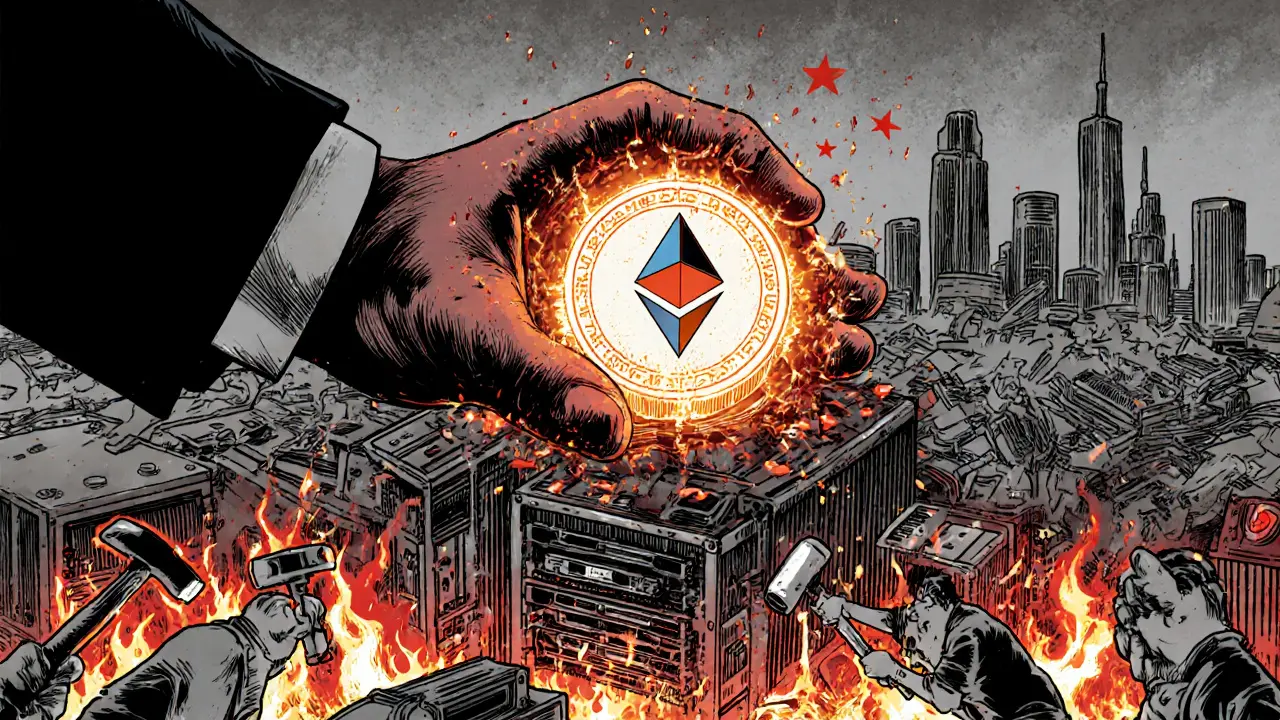
China's 2025 crypto ban made owning or trading any digital asset illegal. This is the full story of how the government eliminated crypto, seized billions in assets, and pushed the digital yuan as the only legal digital currency.