Crypto Regulation in Thailand: What You Need to Know in 2025
When it comes to crypto regulation Thailand, the legal framework governing digital assets in Thailand, including licensing, taxation, and exchange oversight. Also known as Thailand cryptocurrency laws, it's one of the most structured systems in Southeast Asia—not as strict as China, but tighter than many in the region. Unlike countries where crypto is banned or ignored, Thailand’s Securities and Exchange Commission (SEC) has been actively building rules since 2018, and by 2025, those rules are in full force.
One key entity shaping this space is the Thai crypto exchange rules, the set of requirements all local and foreign platforms must follow to operate legally in Thailand. Only exchanges registered with the SEC, like Bitkub and Zipmex, are allowed to serve Thai users. Unlicensed platforms? They’re blocked. The SEC also demands strict KYC, anti-money laundering checks, and regular audits. If you’re trading on an unapproved site, you’re not just risking your money—you’re breaking the law. Then there’s crypto tax Thailand, how the Revenue Department treats crypto gains as taxable income, similar to stocks or property. Every trade, swap, or sale triggers a tax event. Even if you didn’t cash out to fiat, swapping one coin for another counts. The system doesn’t have fancy tools yet, so you’re on your own to track everything. And while the government doesn’t ban holding crypto, it doesn’t protect you if things go wrong. No insurance. No refunds. Just rules.
What’s clear from the posts below is that Thailand’s approach is practical: control the exchanges, tax the activity, and let innovation happen under supervision. You won’t find wild airdrops or unregulated DeFi platforms pushing into the Thai market—because they can’t. But you will find real guidance on what’s legal, what’s risky, and how to stay compliant. Whether you’re trading on a licensed exchange, holding tokens, or just trying to understand your tax bill, the articles here cut through the noise. No fluff. Just what works in Thailand’s current crypto landscape.
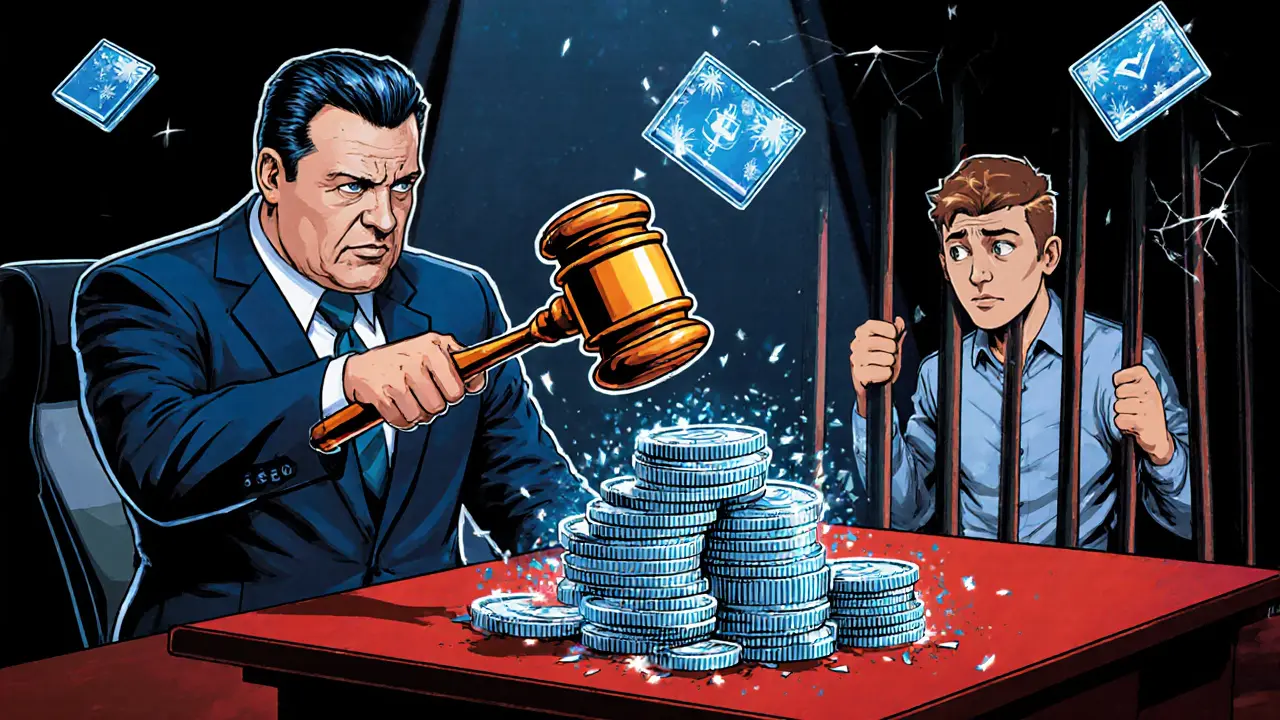
Severe Penalties for Crypto Non-Compliance in Thailand: What You Need to Know in 2025
- 8 Comments
- Jun, 22 2025
Thailand enforces some of the world's strictest crypto penalties in 2025, with jail time, asset freezes, and platform blocks for non-compliance. Know the rules before you trade.