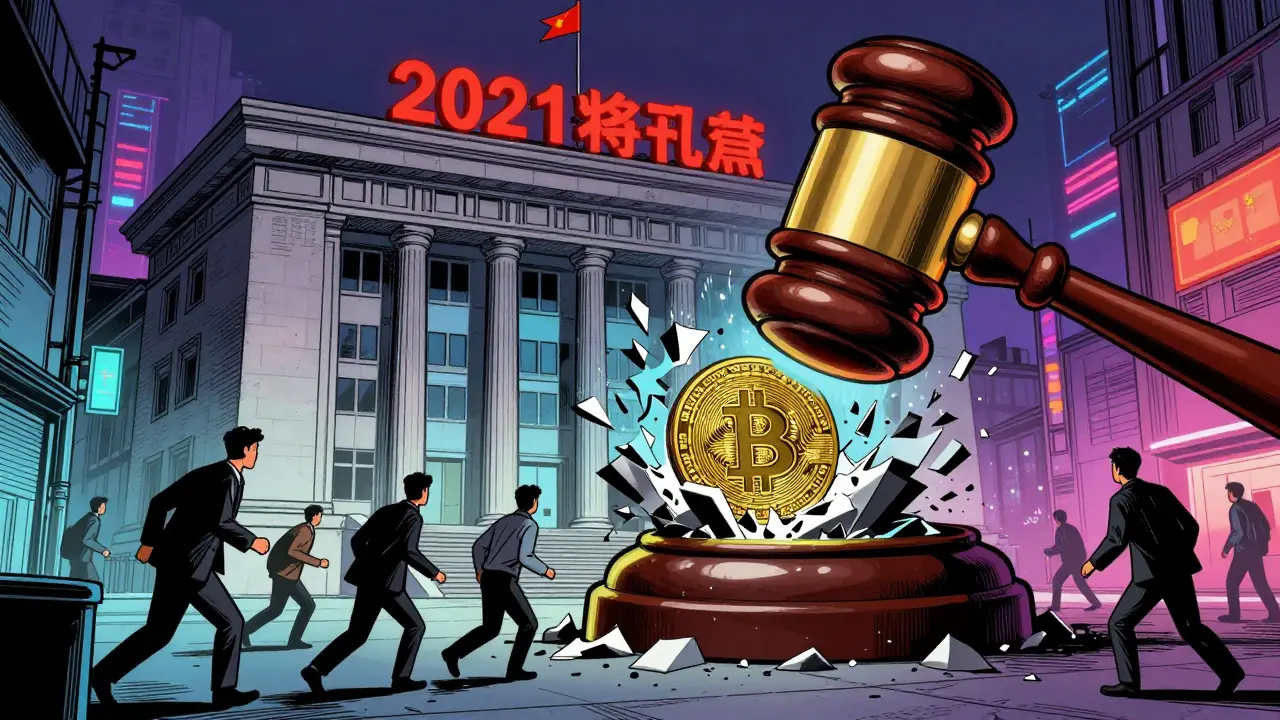
Digital Yuan: What It Is, How It Works, and Why It’s Changing Global Crypto
When you hear digital yuan, China’s official central bank digital currency issued by the People’s Bank of China. Also known as e-CNY, it’s not a cryptocurrency—it’s a government-controlled digital version of cash. Unlike Bitcoin or Ethereum, the digital yuan isn’t decentralized. It’s tracked, monitored, and managed by the Chinese state. This isn’t just about convenience—it’s a strategic move to control money flow, reduce reliance on the U.S. dollar, and set a global standard for state-backed digital money.
The central bank digital currency, a digital form of a country’s fiat currency issued and regulated by its central bank is now live in over 200 Chinese cities. Millions use it daily to pay for groceries, ride-sharing, and even subway tickets. The government pushes it hard—offering cash bonuses to users, integrating it into public services, and even testing it abroad. This isn’t experimental. It’s a rollout with a clear goal: replace physical cash and bypass Western financial systems like SWIFT. That’s why countries from Russia to Nigeria are watching closely. If the digital yuan succeeds, it could force other nations to either adopt similar systems or risk being left out of global trade.
What makes the digital currency, a government-issued electronic form of money that can be used for transactions without physical cash different from crypto? Control. With Bitcoin, you own your keys. With the digital yuan, the state holds the keys. Every transaction can be traced. Payments can be frozen. Spending limits can be set. This isn’t freedom—it’s financial surveillance. And that’s exactly why regulators in the U.S. and EU are nervous. They see it as a tool for authoritarian control, not innovation. Meanwhile, crypto projects like Ethereum and stablecoins are trying to offer the opposite: permissionless, censorship-resistant money. The digital yuan doesn’t compete with crypto—it exposes the tension between state power and decentralization.
What you’ll find in the posts below aren’t just news stories—they’re real-world snapshots of how the digital yuan is already shifting the rules. From underground crypto use in Morocco to how Cyprus navigates EU rules, these stories show what happens when governments try to control money—and how people push back. You’ll see how regulation is reshaping exchanges, why tokenized stocks are rising, and how traders are adapting when cash isn’t cash anymore. This isn’t theory. It’s happening now. And if you’re still thinking crypto is just about speculation, you’re missing the bigger picture.

Can Businesses in China Accept Crypto Legally in 2025?
- 5 Comments
- Feb, 16 2025
As of 2025, businesses in mainland China cannot legally accept any cryptocurrency. It's a criminal offense to receive Bitcoin, Ethereum, or any digital asset as payment. The only legal digital currency is the state-backed digital yuan.