ERC-20 Token: What It Is, How It Works, and Why It Powers Most Crypto Projects
When you hear about tokens like UNI, LINK, or AAVE, you’re really hearing about ERC-20 tokens, a technical standard for creating and managing tokens on the Ethereum blockchain. Also known as Ethereum Request for Comment 20, it’s not a coin itself—it’s the rulebook that lets anyone build a token that works with wallets, exchanges, and DeFi apps without reinventing the wheel. Before ERC-20, every new token had its own weird code, making it hard for platforms to support them. ERC-20 changed that by defining six basic functions: how tokens are transferred, how balances are checked, how new tokens are issued, and how users are notified of transactions. This standard turned Ethereum into the most popular place to launch tokens—not because it’s the fastest or cheapest, but because it’s predictable. If your wallet supports ERC-20, it supports almost every crypto token ever made.
That’s why you see ERC-20 pop up everywhere. Whether it’s a smart contract, a self-executing program on Ethereum that automatically handles token rules for a DeFi lending platform, a governance token for a DAO, or even a fake meme coin, they all follow the same pattern. You don’t need to understand the code to use them—you just need a wallet that speaks ERC-20. And because of this, tools like MetaMask, Trust Wallet, and even exchanges like Buda or LaserSwap all built their systems around this one standard. It’s the reason you can swap a token you’ve never heard of in seconds, or stake it in a yield farm without waiting for the platform to add custom support.
But ERC-20 isn’t perfect. It’s old, and it doesn’t handle complex features like automatic fee sharing or token freezing well. That’s why newer standards like ERC-721 (for NFTs) and ERC-1155 (for hybrid tokens) exist. Still, if you’re looking at a token that’s not an NFT and isn’t on Solana or BSC, it’s almost certainly an ERC-20 token. Even projects that claim to be "new" or "revolutionary"—like gold-backed DIGAU or tokenized stock COSTon—are built on top of this same foundation. The real innovation isn’t the token itself, but how people use it. That’s why the posts below cover everything from airdrops tied to ERC-20 tokens like FLY and SCH, to compliance risks around token issuance, to how exchanges like BKEX handle withdrawals for these same tokens. You’ll see how the same standard powers everything from serious financial tools to abandoned scams. Understanding ERC-20 isn’t about coding—it’s about knowing what’s behind every token you touch.
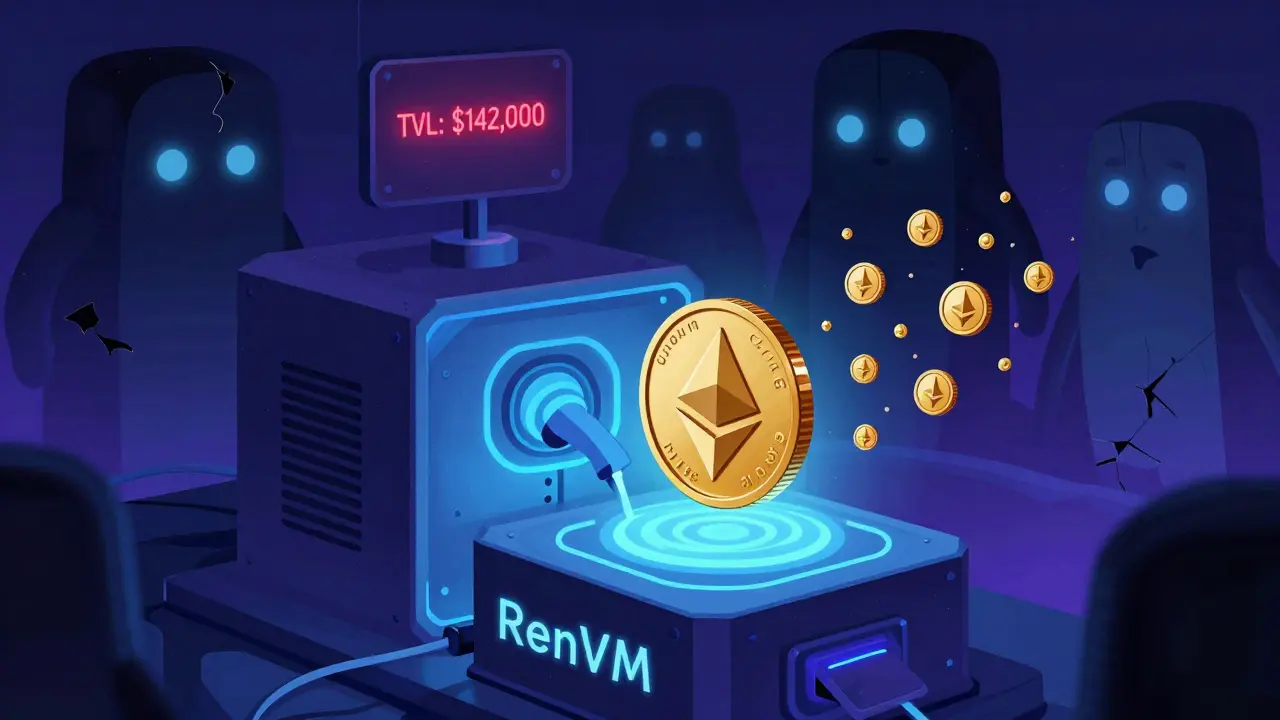
What is renZEC (RENZEC) crypto coin? A real-world look at its use, risks, and why most traders avoid it
- 10 Comments
- Feb, 18 2026
renZEC is a wrapped Zcash token for Ethereum DeFi, but it's nearly unusable due to near-zero liquidity, extreme slippage, and lack of adoption. Here's why most traders avoid it and what to use instead.
What is xFund (XFUND) crypto coin? A clear breakdown of its purpose, supply, and real-world use
- 6 Comments
- Dec, 4 2025
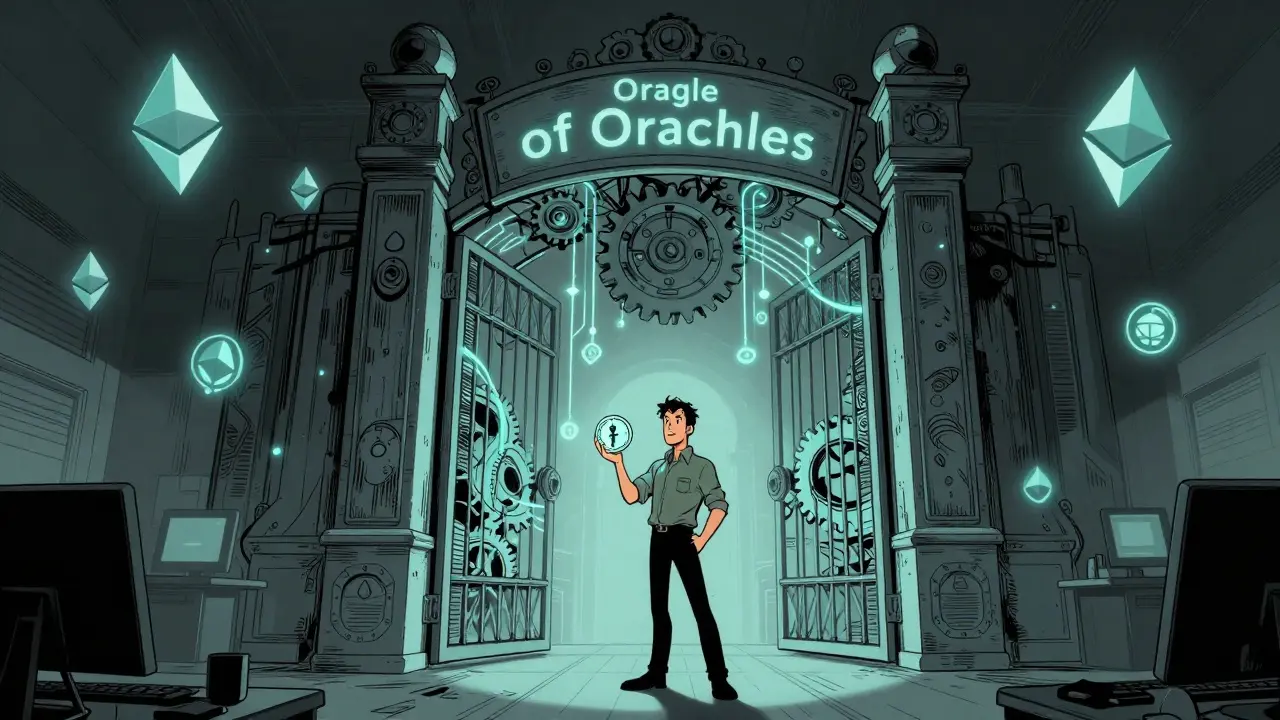
xFUND is a rare, fixed-supply ERC-20 token used exclusively to access Unification’s decentralized oracle services. With only ~10,000 tokens ever created, it’s not a speculative asset - it’s a utility key for enterprise blockchain applications.