Layer-2 Solutions: Faster, Cheaper Crypto Transactions Explained
When you send Bitcoin or Ethereum, you’re not just sending coins—you’re paying for space on a crowded digital highway. That’s where Layer-2 solutions, technology built on top of blockchains to handle transactions faster and cheaper. Also known as scaling solutions, they let you trade, swap, and pay without waiting minutes or paying $50 in fees. Think of them like express lanes built beside a congested toll road. The main road (Layer-1, like Ethereum) stays secure and decentralized, but most of the traffic moves to the faster side paths.
There are two big types of Layer-2s: rollups, systems that bundle hundreds of transactions into one batch and post it back to the main chain, and sidechains, independent blockchains that connect to the main chain with two-way bridges. Rollups like Arbitrum and Optimism are the most trusted because they inherit Ethereum’s security. Sidechains like Polygon’s PoS chain are faster but rely on their own validators, which makes them slightly riskier. Both cut costs by 90% or more. You’ve probably used one without knowing it—when you trade on Uniswap or stake on a DeFi app and pay pennies instead of dollars, that’s a Layer-2 at work.
Layer-2s aren’t just for big DeFi apps. They’re why everyday users in Nigeria can send stablecoins to family abroad without losing half their money to fees. They’re why people in Venezuela can still trade crypto despite government crackdowns—because Layer-2s make it harder to shut down. They’re why small projects can launch tokens without needing millions in gas fees. The real win? You don’t need to be a tech expert to benefit. Just use an app that says it’s on Arbitrum, zkSync, or Polygon, and you’re already riding the Layer-2 wave.
But not all Layer-2s are created equal. Some are backed by big teams with audits and real users. Others are hype-driven with no code, no users, and no future. That’s why the posts below dig into real examples—like how a DEX on Core Chain works, or why a new airdrop might be tied to a Layer-2 network. You’ll find guides on exchanges that use these technologies, warnings about risky platforms, and breakdowns of how scaling actually affects your wallet. Whether you’re trying to avoid scams, save on fees, or just understand why your transaction cleared in seconds, the answers are here.
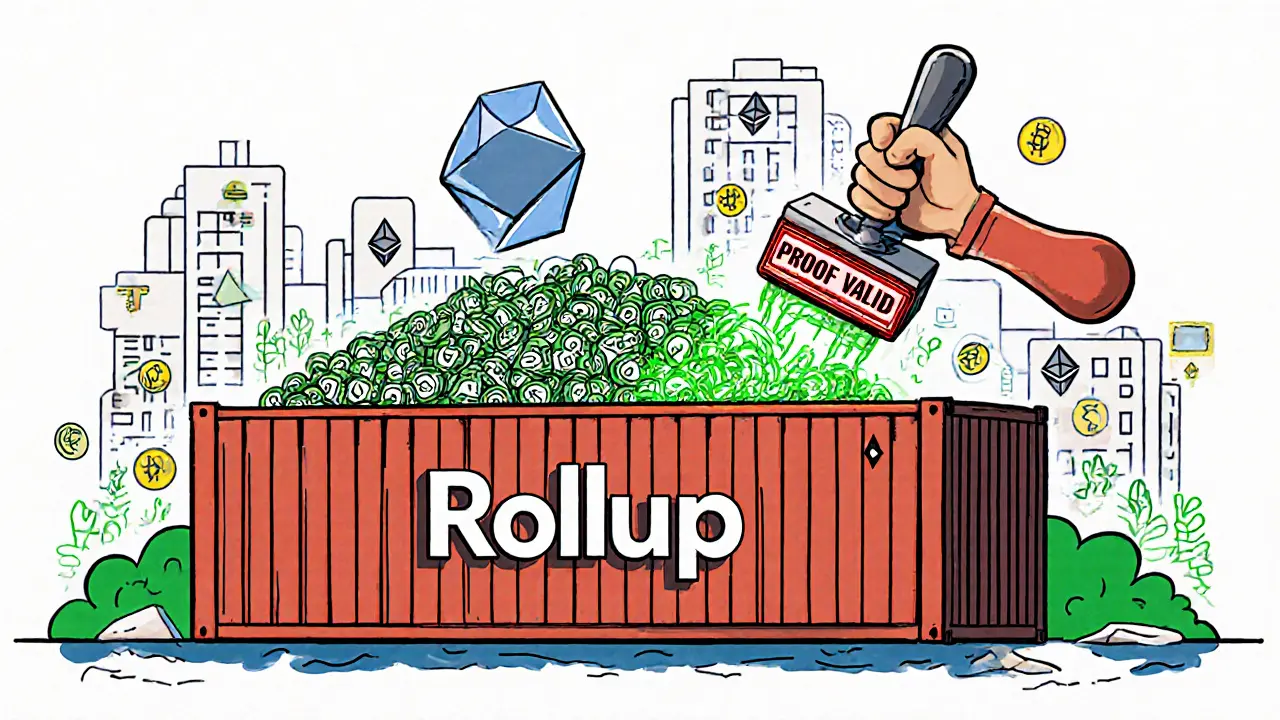
Future of Rollup Technology: How Layer-2 Scaling Will Shape Blockchain Adoption
- 8 Comments
- Oct, 29 2025
Rollup technology is solving blockchain's biggest problem: scalability. By batching transactions off-chain, ZK-rollups and Optimistic Rollups slash fees and boost speed while keeping security intact. Here's what's changing in 2025 and beyond.